
Victorian Turned Leg Stands
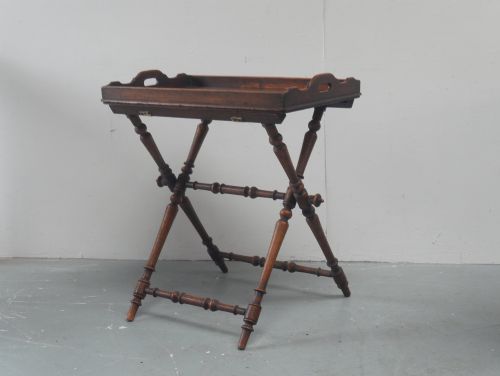
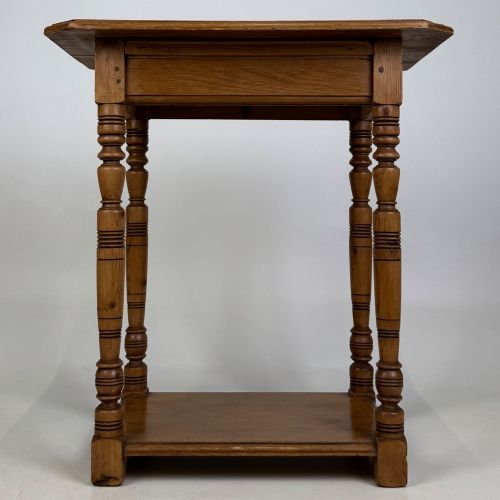
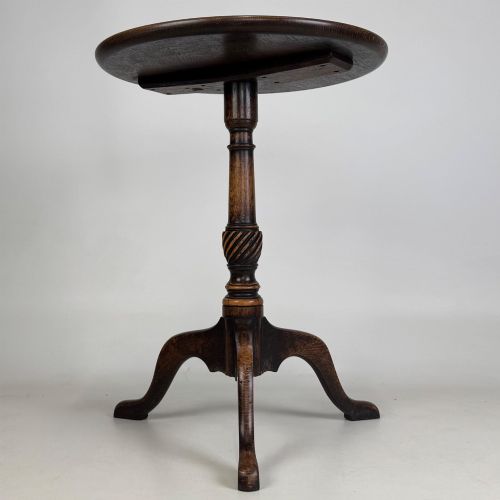
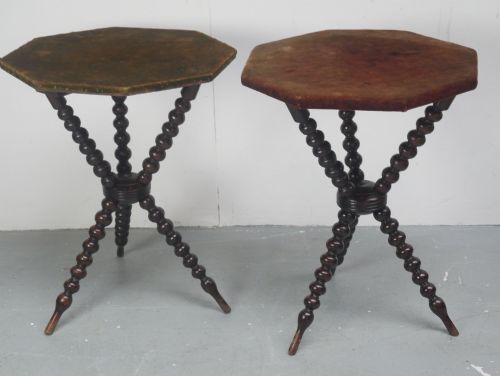
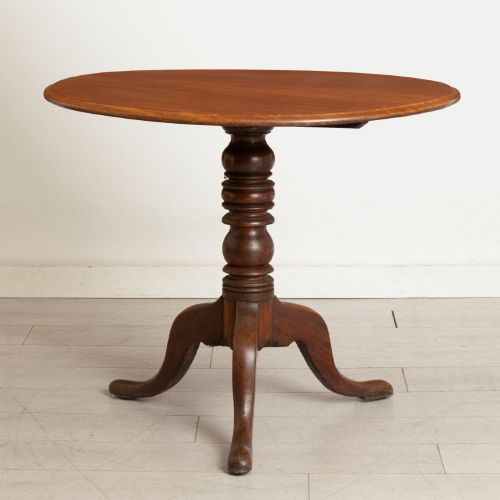
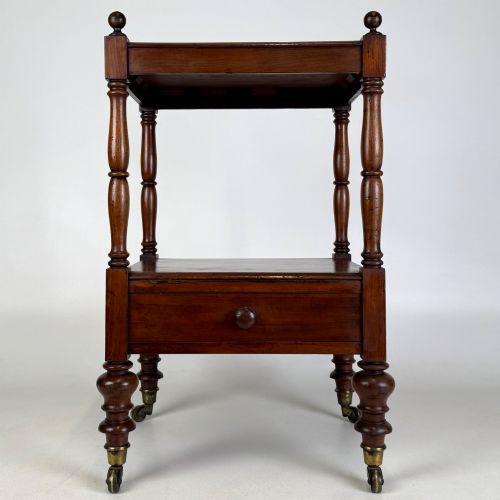
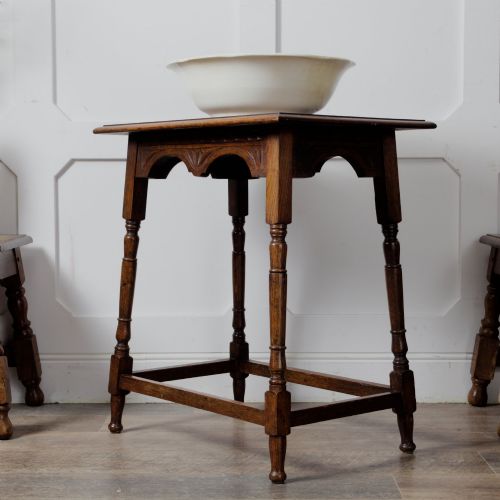
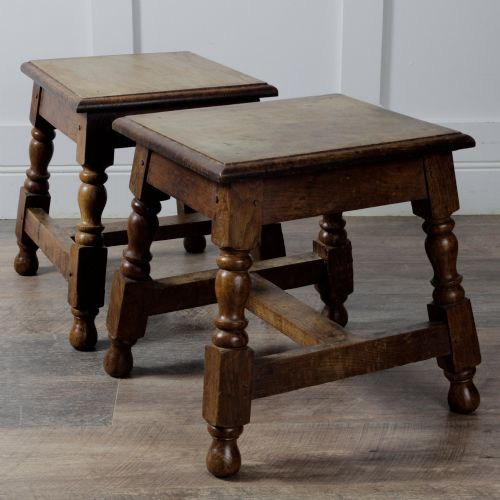
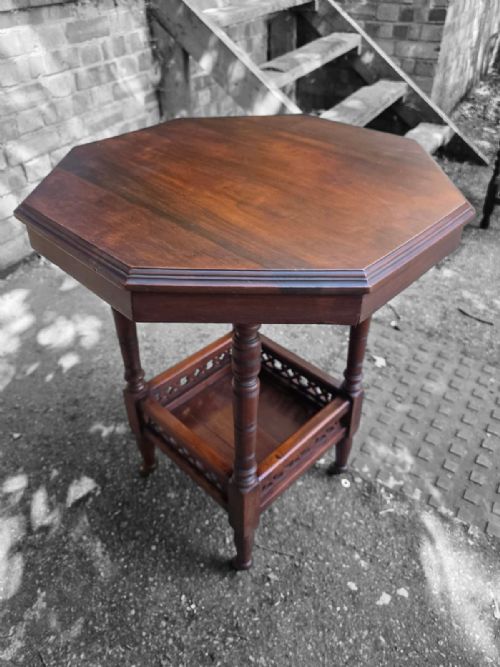
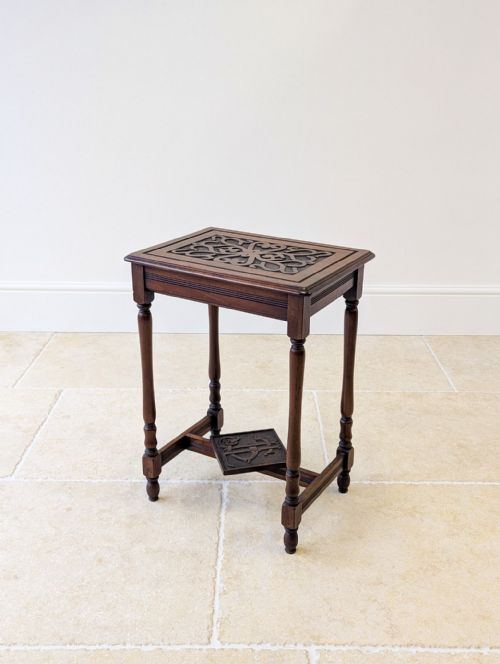
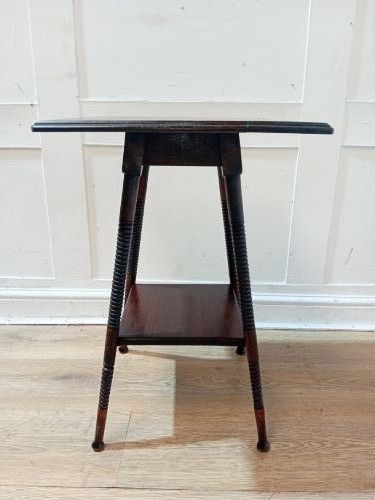
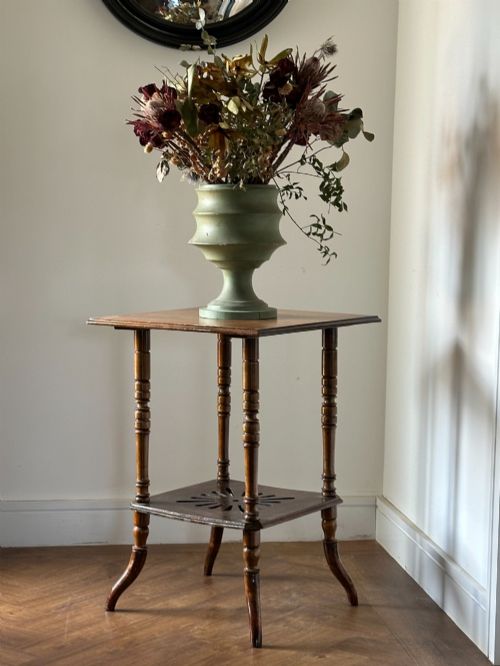
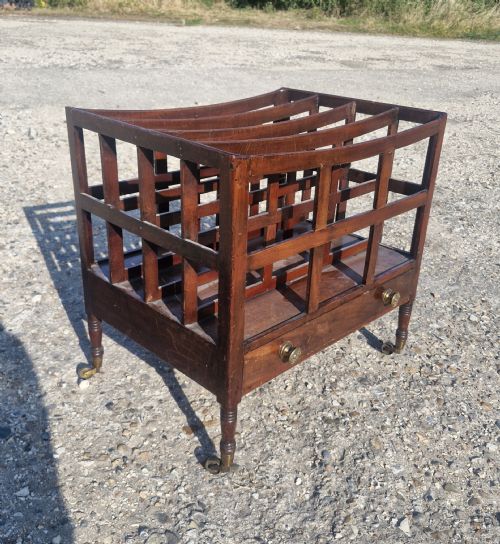
These victorian turned leg stands encompass small tables, luggage racks and plant holders shaped by the lathes of the nineteenth century.
Victorian Turned Leg Stands
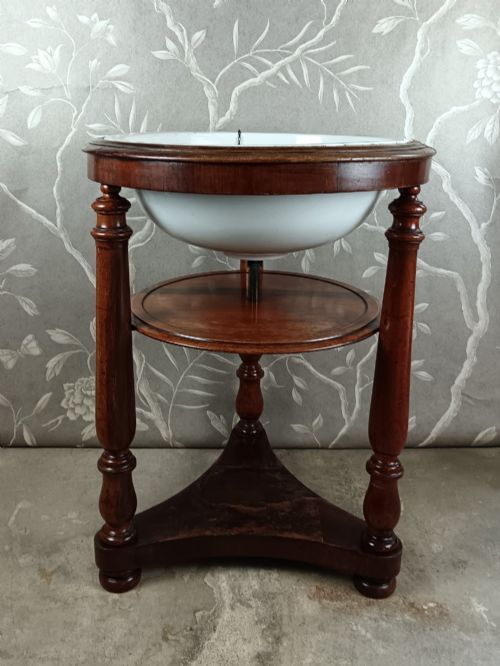
When you search for victorian turned leg stands, you encounter a diverse group of nineteenth century household furniture designed for utility and display. The selection spans side tables, occasional tables, luggage stands, stools, washstands, magazine racks, tray tables and bedside tables.
Materials and Construction
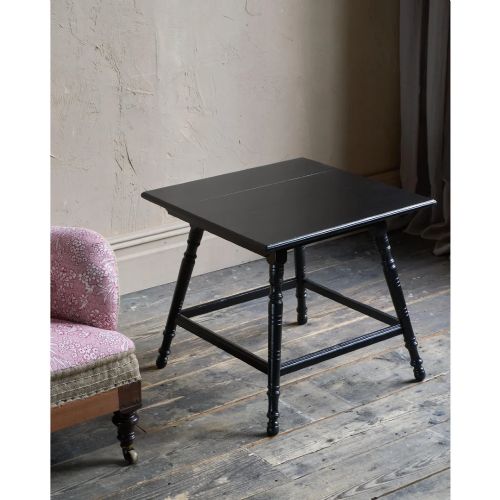
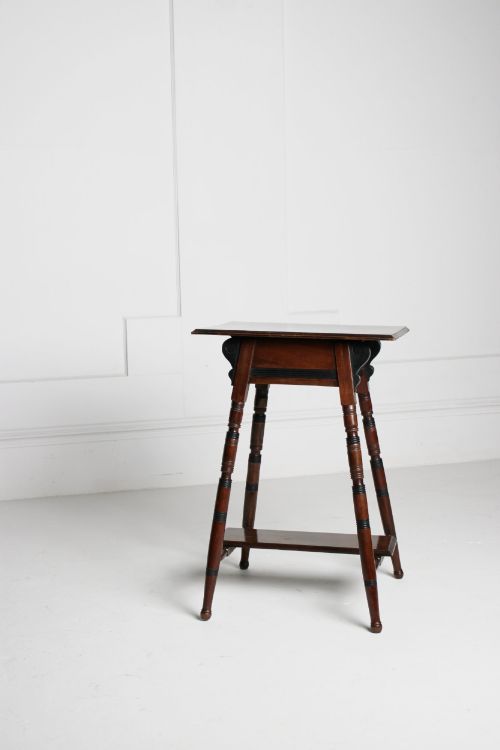
The construction relies heavily on domestic and imported hardwoods such as oak, mahogany, walnut, ash, pine and beech, often shaped on a lathe to produce spindle, bobbin or column supports. Ebonised wood and brass accents also appear across various Aesthetic Movement and campaign pieces.
Joinery methods range from simple jointed frameworks to tilt top mechanisms and turned stretchers. Surfaces occasionally incorporate ceramic elements, hand painted details, or faux marble finishes on pine washstands.
Some nineteenth century luggage stands feature original sturdy webbing designed to take the weight of heavy travelling trunks.
Assessing Craftsmanship
The distinction between standard utility furniture and superior examples rests upon the crispness of the lathe turning, the selection of timber figures such as burr walnut, and the integrity of the joinery. Finer pieces demonstrate careful attention to proportions and timber matching.
Attribution to known firms or distinct stylistic movements, such as the Aesthetic Movement or specific retail houses, elevates certain tables and stands above anonymous vernacular production.
Hindley and Sons·Liberty of London·William Birch·Druce and Co London·Shoolbred·Brown and Lamont
The Victorian Turned Leg Stands Glossary
- Turned leg
- A support shaped by rotating timber against a lathe cutting edge. This technique produces cylindrical, bobbin, or spindle profiles found on nineteenth-century tables and stands.
- Luggage stand
- A low folding or rigid rack designed to support luggage at a convenient height in a bedroom. These often feature webbing straps across a robust wooden frame.
- Gipsy table
- A light occasional table with a circular top supported by three slender legs. Popular during the late nineteenth century, they were frequently draped with fabric covers.
- Canterbury
- A low tiered stand fitted with vertical partitions for holding sheet music, magazines or books. Originating in the eighteenth century, the form persisted well into the Victorian era.
- Aesthetic Movement
- A late nineteenth-century design style emphasising visual beauty over narrative subject matter. Pieces in this manner often utilise ebonised wood and Japanese artistic influences.
Victorian Turned Leg Stands: Frequently Asked Questions
What is a luggage stand used for?
Luggage stands provided a sturdy elevated surface in Victorian guest bedrooms for placing trunks and suitcases.
They kept heavy travel bags off the floor and made packing or unpacking much easier for visitors.
How do I identify an Aesthetic Movement table?
Aesthetic Movement tables typically feature ebonised wood surfaces, clean geometric lines, and sometimes Japanese inspired decorative motifs.
They reflect the late nineteenth century shift toward art for art's sake in domestic interiors.
What distinguishes an occasional table?
Occasional tables are small, portable pieces of furniture designed to be moved around a room as needed.
They served various functions such as holding books, small lamps, or decorative items near seating areas.
How should I care for antique wood stands?
Antique wood stands benefit from regular dusting with a dry cloth and occasional application of appropriate wax.
Keep them away from direct heat sources and strong sunlight to prevent the timber from drying out or warping.