
Antique Collector Storage Chest
An antique collector storage chest organises specimens or small items in multiple timber drawers, offering functional heritage for practical interiors.
Antique Collector Storage Chest
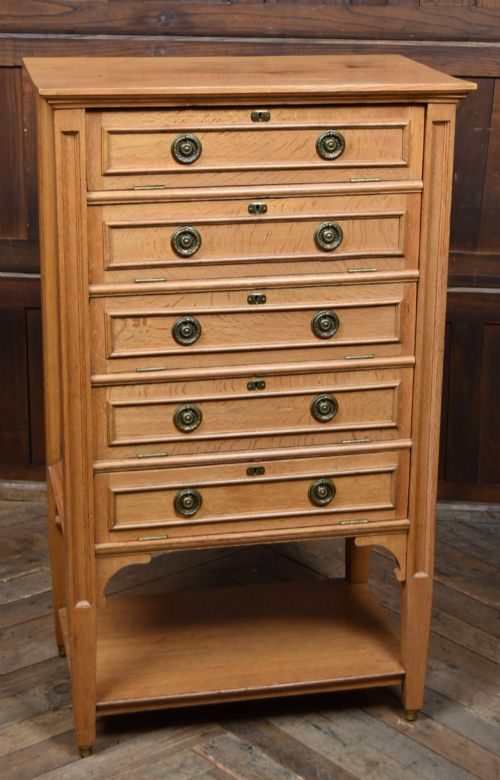
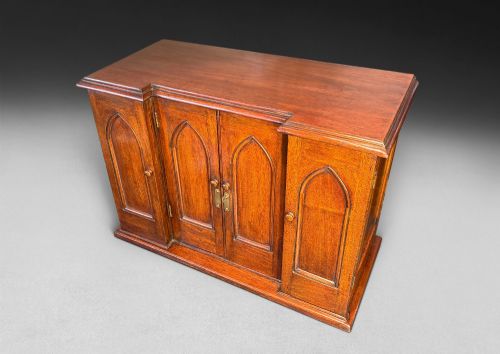
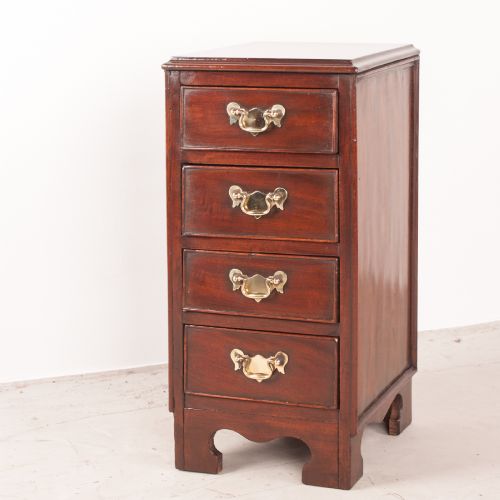
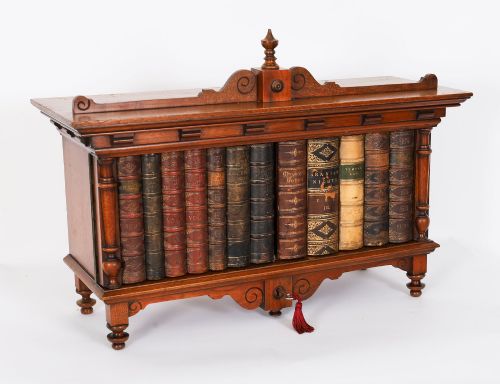
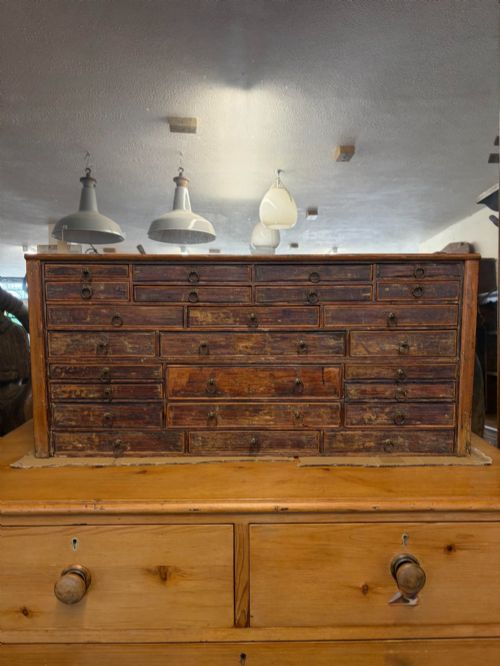
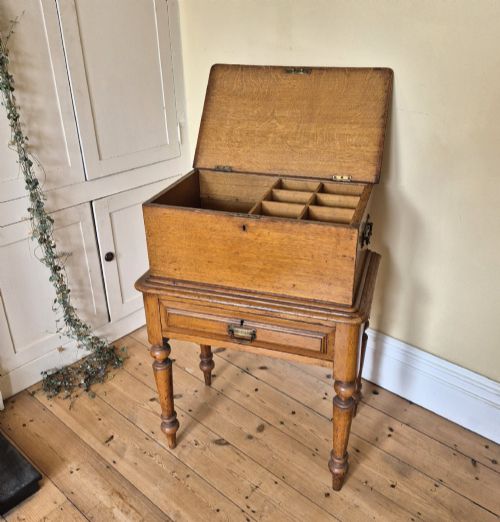
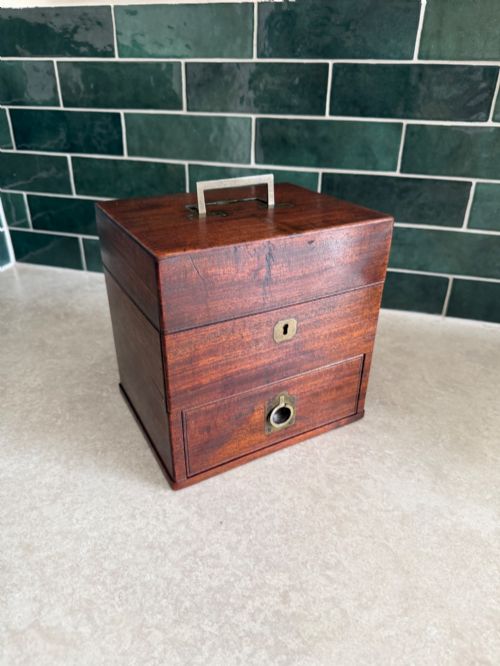
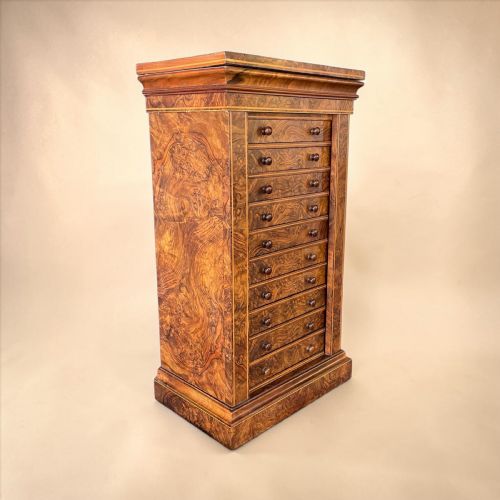
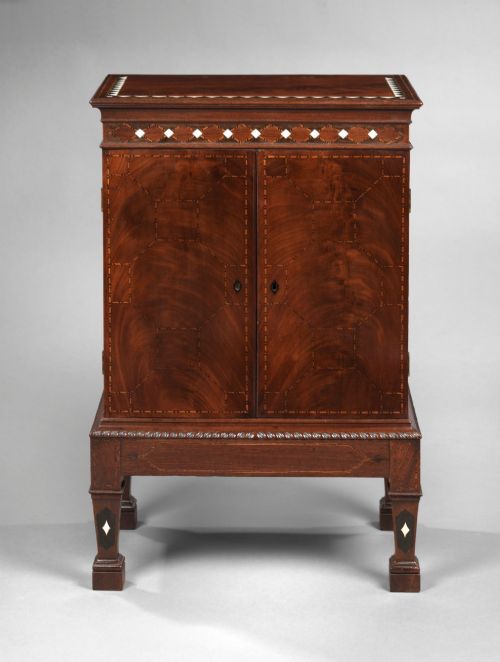
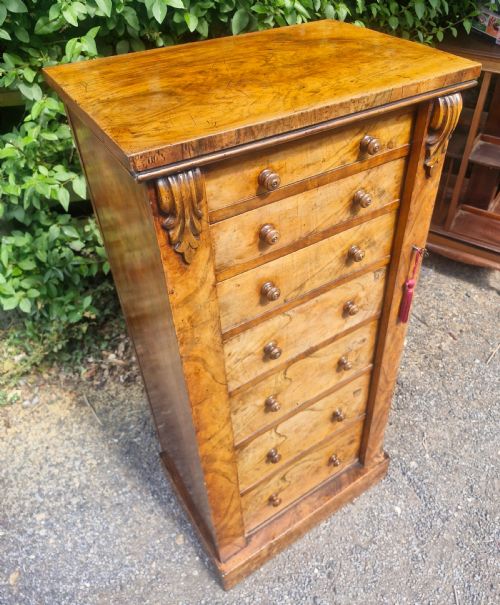
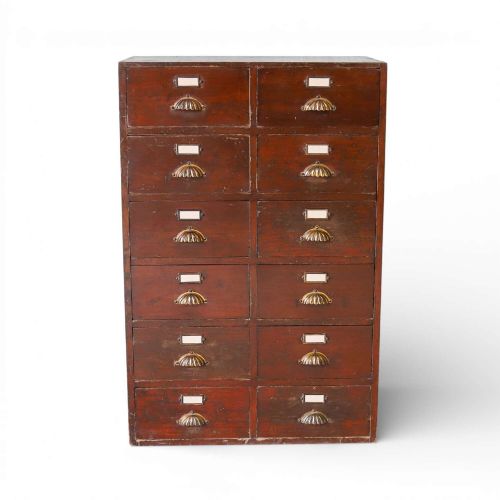
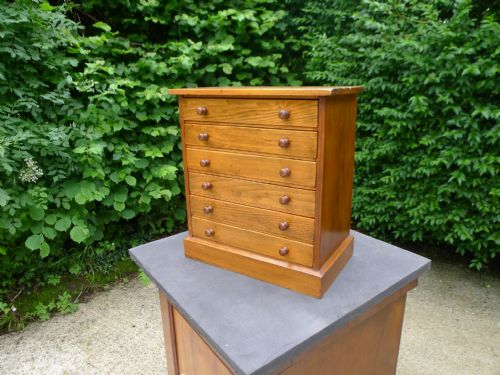
The term antique collector storage chest encompasses multi-drawer cabinets, small chests of drawers, tabletop specimen boxes, and tall locking units designed to house everything from insects and coins to documents and apothecary supplies. Pieces originate predominantly from the nineteenth and early twentieth centuries, spanning Victorian, Edwardian, and industrial utility periods.
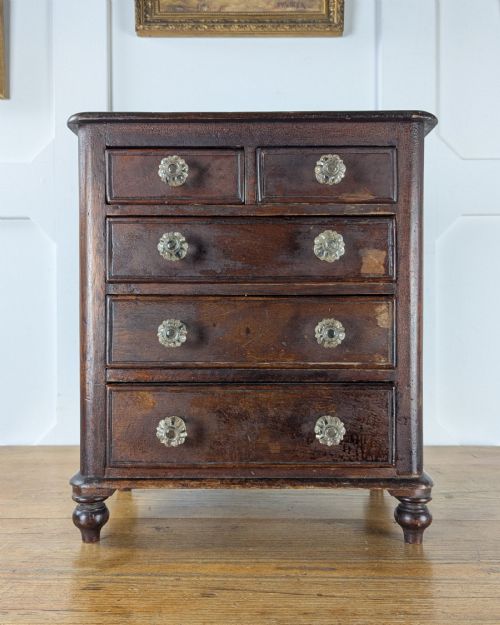
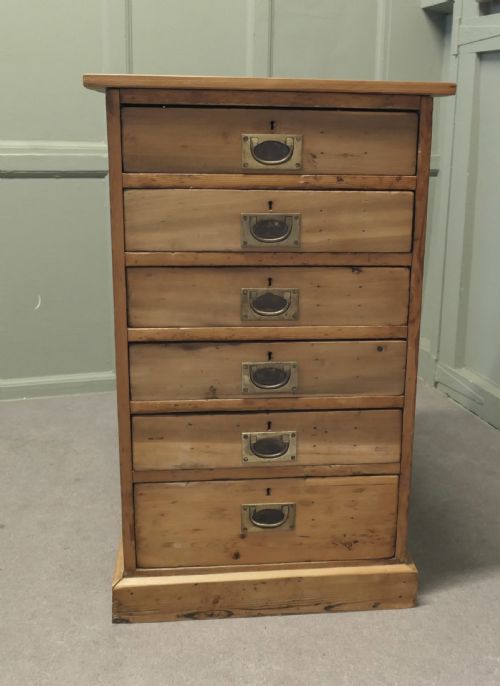
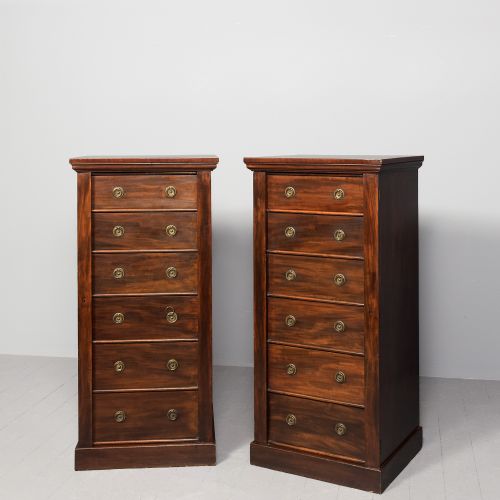
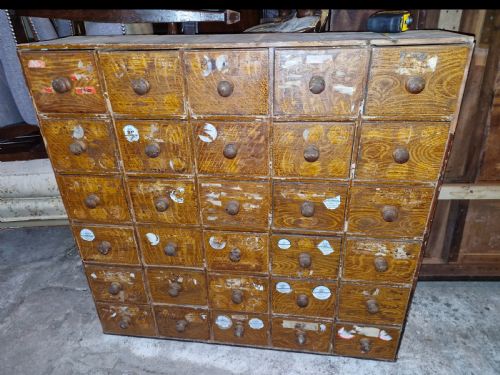
Buyers meet a wide variety of timber configurations, ranging from modest pine spice drawers and miniature apprentice chests to large mahogany Wellington chests and extensive banks of thirty-two drawers. Cabinets include campaign styles, Gothic Revival details, and utilitarian office filing units built for specific organisational tasks.
Materials and construction
Cabinetmakers constructed these pieces primarily using hardwoods such as mahogany, walnut, oak, and rosewood, alongside more utilitarian softwoods like pine, deal, and fruitwood. Veneers of burr walnut or kingwood parquetry appear on finer decorative examples.
Hardware played a central structural and aesthetic role, incorporating brass campaign mounts, shell pulls, label holders, and locking mechanisms such as the signature side-locking pilaster bar found on Wellington chests.
Some multi-drawer banks retain original railway ticket slots and faded apothecary labels listing long-forgotten contents.
Evaluating craftsmanship
Quality rests upon the precision of internal drawer construction, timber selection, and the integrity of original hardware. Well-executed pieces display tight dovetail joints, smooth drawer runners, and matched grain patterns across multi-drawer banks.
Attribution to documented makers or specialist retailers elevates a piece, as seen in signed works from workshops like Watkins & Doncaster or Brady of Edmonton, whereas utilitarian pieces rely entirely on robust structural joinery.
Luxmore's of Ilfracombe·North Eastern Railway·Watkins & Doncaster·Brady of Edmonton·D Napier & Sons
The Antique Collector Storage Chest Glossary
- Wellington chest
- A tall, slender chest of drawers featuring a hinged locking flap or pilaster on one side that secures all drawers simultaneously. This form originated in the nineteenth century and typically locks with a single key.
- Campaign style
- Furniture designed for portability, constructed with brass corners, flush recessed handles, and durable timbers. These pieces dismantle or travel easily.
- Parquetry
- Geometric mosaic woodwork formed from veneer pieces arranged in patterns. It decorates cabinet surfaces on formal examples.
Antique Collector Storage Chest: Frequently Asked Questions
What were collector chests originally used for?
These chests stored specialised items like botanical specimens, insects, coins, medals, and small curiosities. Naturalists and hobbyists utilised the shallow drawers to organise delicate items safely.
Over time, offices and pharmacies adopted multi-drawer configurations for filing tickets, documents, and medical supplies.
Are miniature chests apprentice pieces?
Many small chests served as journeyman pieces created to prove woodworking skill to a guild or master. Cabinetmakers also produced them as salesmen samples or trinket chests for domestic use.
Construction details and proportions help distinguish trade test pieces from decorative miniatures.
What timbers were commonly used?
Mahogany and walnut appear frequently in formal collector cabinets and Wellington chests. Pine and deal form the structure of utilitarian apothecary banks and filing drawers.
Exotic woods like kingwood and rosewood denote high-status decorative commissions.