



19th Century Specimen Drawers
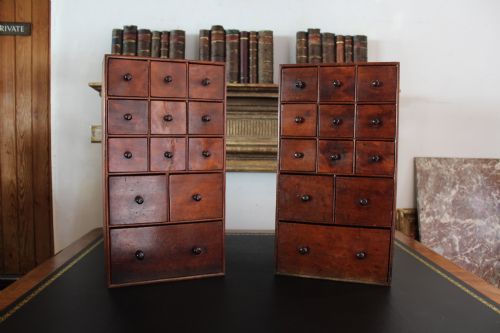
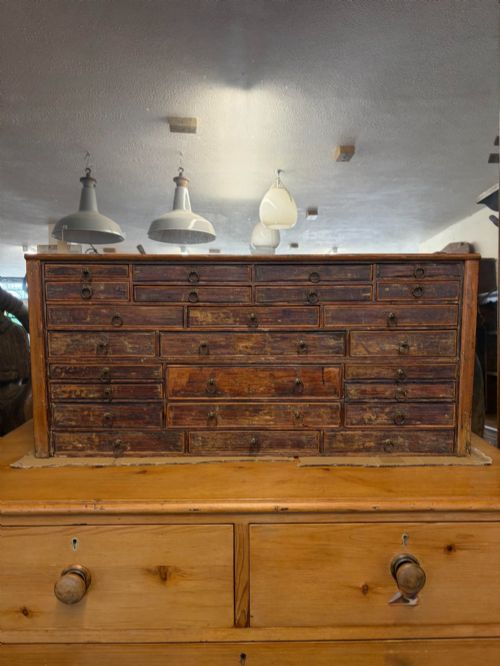
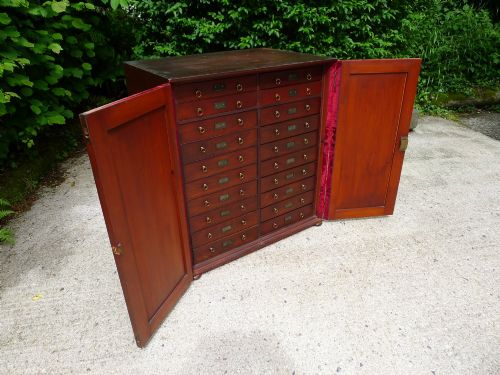
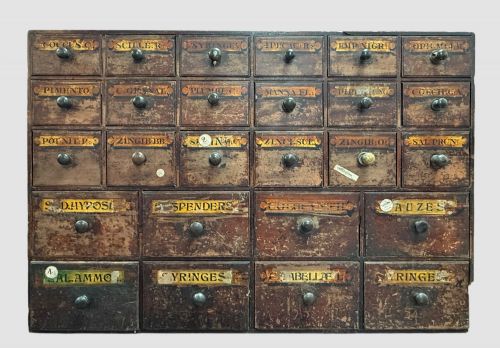
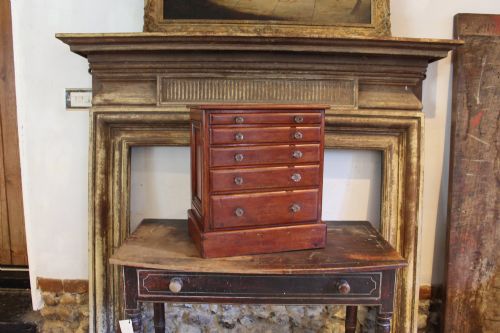
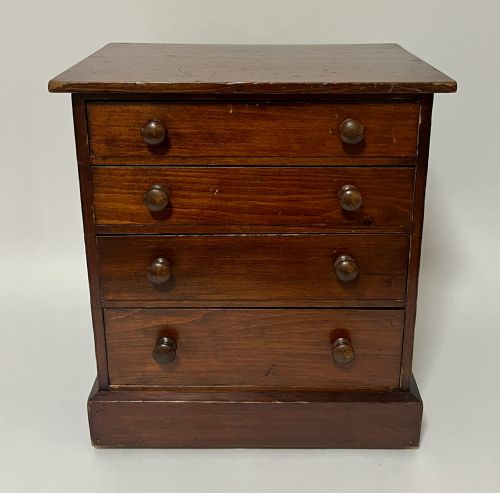
These 19th century specimen drawers are compact storage units built to organise natural history objects, miniature furniture, and medical collections.
19th Century Specimen Drawers
Collectors seeking 19th century specimen drawers encounter compact banks of drawers, table cabinets, and miniature chests designed for orderly classification. These pieces emerge predominantly from the Victorian era, spanning decades such as the eighteen-seventies, eighties, and nineties.
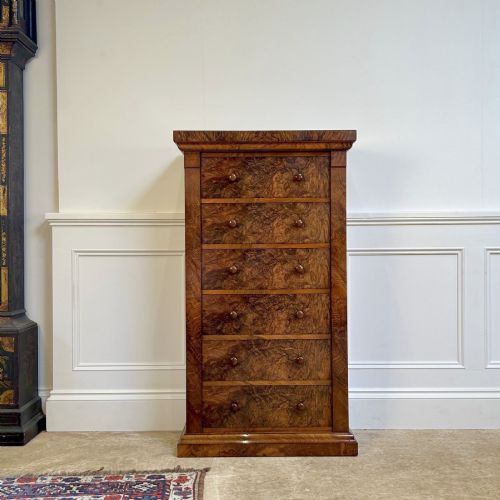
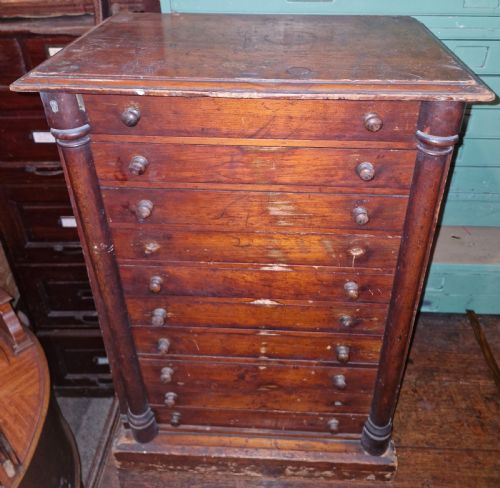
The formats vary from modest desktop cases to substantial multi-drawer storage banks. Common iterations include apothecary chests, microscope slide cabinets, and Wellington chests adapted for intimate collections.
The evidence shows British regional origins alongside colonial variations, pointing to a widespread domestic and professional demand for secure, compartmentalised storage during the period.
Materials and construction
Cabinet makers utilised dense hardwoods including mahogany, walnut, burr walnut, and oak to ensure structural rigidity across numerous thin drawer tiers. Softer timbers like deal, pine, and satin birch appear frequently for internal linings and secondary framing.
Brass fittings, such as recessed campaign handles, drop pulls, and locking mechanisms, secure the facades of these small-scale cabinets. Glass panels occasionally front specialised slide and specimen cases to protect contents from dust while permitting visibility.
The documented pieces span the nineteenth century, including specific workshop outputs and provincial apothecary storage banks.
Distinctions in craftsmanship
Superior examples demonstrate meticulous timber selection, using figured veneers like burr walnut or satin birch purposefully across facades and drawer fronts. Poorer alternatives rely on plain stained deal or heavily repaired pine without matching grain patterns.
The internal engineering of the runner system dictates usability, with finer pieces offering smooth, flush-fitting drawers that maintain alignment over time. Lesser pieces suffer from warping timber and poor tolerances between the cabinet carcase and individual drawers.
Gillows·Luxmore's of Ilfracombe
The 19th Century Specimen Drawers Glossary
- Wellington chest
- A tall, slender chest of drawers secured by a hinged locking side stile that fastens over the drawer edges. This specific form provides robust security for valuable contents.
- Bank of drawers
- A multi-tiered configuration of small drawers designed for intensive storage and categorisation. These banks often originated in commercial, apothecary, or institutional settings.
- Standish
- A portable desk accessory or small cabinet equipped to hold writing materials or small instruments. They represent a more desktop-oriented scale of compartmentalised storage.
- Deal
- A traditional British term for fir or pine timber used widely in secondary framing and carcass construction. It offers a pale, workable surface often stained to imitate richer woods.
19th Century Specimen Drawers: Frequently Asked Questions
What were 19th century specimen drawers originally used for?
These cabinets housed classified collections of natural history specimens, including geological samples, botanical pressings, insects, and eggs. Professionals also utilised them as homeopathic, apothecary, and dentist storage units.
Microbiologists and researchers additionally relied upon specialised slide cabinets to protect fragile glass microscopy preparations. Their versatile compartmentalisation suited any pursuit requiring meticulous organisation.
What timbers were commonly used?
Cabinet makers favoured durable hardwoods like mahogany, oak, and walnut for the primary exterior surfaces and drawer frames. Burr walnut and satin birch frequently provided decorative veneer accents on finer pieces.
Secondary woods such as pine, deal, and fruitwood appear in concealed areas like drawer linings and carcase backs. This combination of dense primary timber and stable secondary wood prevented structural warping.
How should I care for a specimen cabinet?
Keep these wooden cabinets away from direct sunlight and sources of artificial heat to prevent timber shrinkage and veneer cracking. Maintain a stable room temperature to protect historic joints and delicate internal drawer runners.
Clean surfaces gently with a dry, soft cloth, avoiding modern chemical polishes that can degrade nineteenth-century wax finishes. Periodically check brass hardware and locking mechanisms for smooth operation without forcing tight fits.