


Antique Cockerel Sculpture
These antique cockerel sculpture pieces bring character and presence to a room, ranging from small silver table ornaments to large garden weathervanes.
Antique Cockerel Sculpture
An antique cockerel sculpture captures the form and spirit of the bird across various decorative and functional objects. Buyers seek these pieces to add distinct avian character to desks, shelves, and architectural roofs.
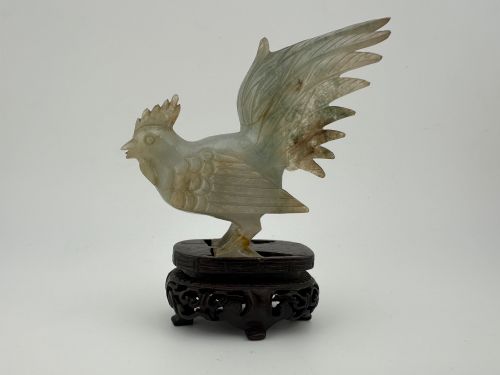
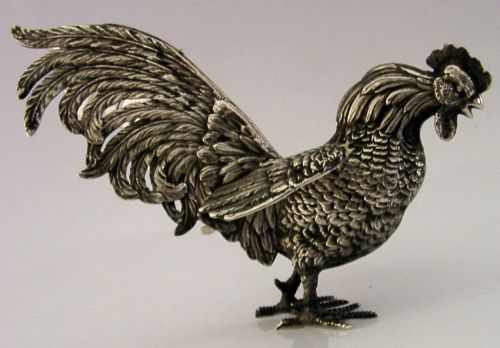
The selection ranges widely across forms and functions, including solid silver figurines, cold-painted bronzes, terracotta figures, and large metal weather vanes. English folk art and continental European works feature prominently alongside occasional Qing dynasty examples.
Smaller desk accessories and car mascots sit alongside substantial roof-mounted copper and iron weather vanes. This variety allows collectors to find either delicate table ornaments or bold architectural statements.
How they were made
Metals dominate the construction of these sculptures, utilising copper, iron, bronze, and sterling or solid silver. Artisans shaped sheet copper and iron for weathervanes, while casting methods created detailed figures and bronzes.
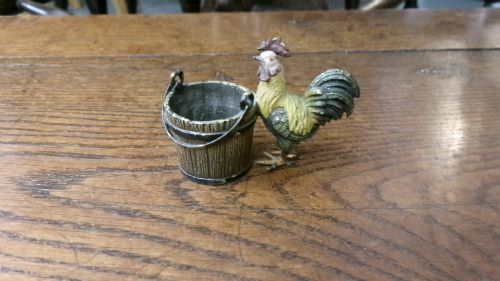
Surface treatment defines many of these works, employing cold-painting techniques on bronze, applied old paint on metal, and turquoise glazes on ceramic. These finishes bring colour and texture to the underlying materials.
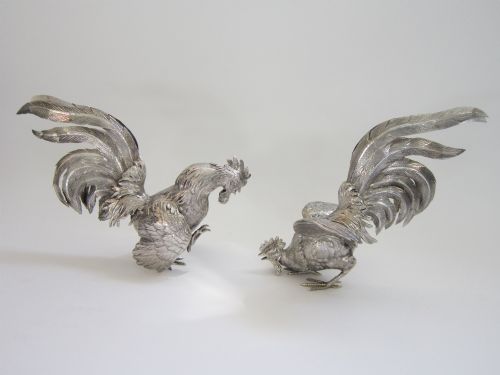
Fighting cockerels stand ready in silver and bronze, capturing avian hostility with surprising domestic elegance.
What varies in quality
Quality rests in the fidelity of the sculptural form and the preservation of original surface finishes, such as cold paint or weathered old paint. Finer castings and hand-chased details separate exceptional silver and bronze models from standard productions.
Architectural pieces derive their distinction from robust construction and pleasing patination gained through weather exposure. The balance between artistic representation and functional durability determines the standing of each individual work.
Franz Bergman·Rene Lalique
The Antique Cockerel Sculpture Glossary
- Weather Vane
- An architectural instrument placed on a roof to show the direction of the wind, often featuring a decorative bird silhouette. These objects combine practical utility with folk art craftsmanship.
- Cold-Painted Bronze
- A bronze sculpture painted with oil-based colours that are not fired in a kiln. This technique allows for high detail and varied coloration on small decorative figures.
- Car Mascot
- A decorative ornament mounted on the radiator cap of an automobile, popular during the early twentieth century. Master glassmakers and metalworkers produced these miniature sculptures for luxury vehicles.
- Folk Art
- Artistic work created within a traditional culture by self-taught or untrained makers, often utilising local materials. These pieces prioritize expressive utility and direct craftsmanship over academic convention.
- Solid Silver
- Precious metal alloy containing a high proportion of pure silver, used for substantial table ornaments and animal figurines. Hallmarks on these items often indicate the date of creation and the standard of purity.
Antique Cockerel Sculpture: Frequently Asked Questions
Where were weather vanes mounted?
Weather vanes were traditionally placed on the highest points of buildings, such as barns, stables, and country houses, to catch the wind.
Their elevated position meant they needed durable construction from materials like copper and iron to withstand the elements.
How are cold-painted bronzes cared for?
Cold-painted bronzes require gentle dusting with a soft brush and protection from direct sunlight and moisture.
Because the oil paint is unfired, liquid cleaners or abrasive cloths will damage the delicate surface colours.
What is a car mascot?
A car mascot is a sculptural ornament fitted to the radiator cap of vintage automobiles during the early twentieth century.
These pieces allowed owners to personalise their vehicles with artistic figures cast in bronze, silver, or moulded glass.
How do folk art pieces differ?
Folk art cockerels are shaped by makers working outside formal academic traditions, often using accessible metals and old paint.
This approach results in direct, expressive forms that reflect regional craft methods rather than standardised factory production.