





Antique Cobalt Bowl
When you search for an antique cobalt bowl, you are looking for rich blue decoration fired onto ceramics or paired with glass across centuries of craft.
Antique Cobalt Bowl
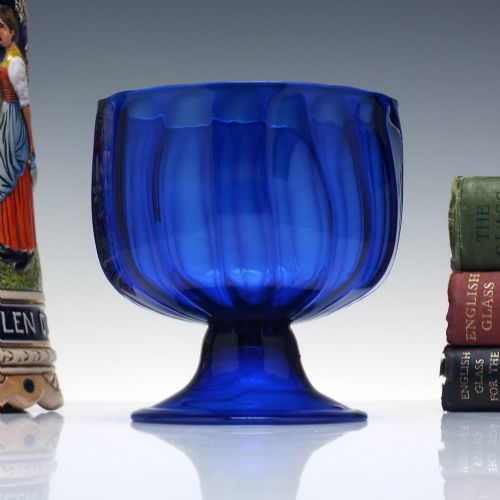
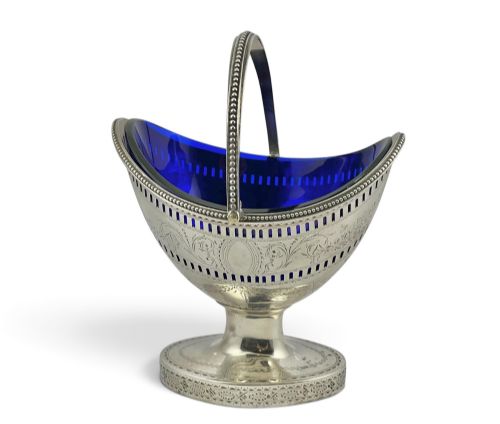
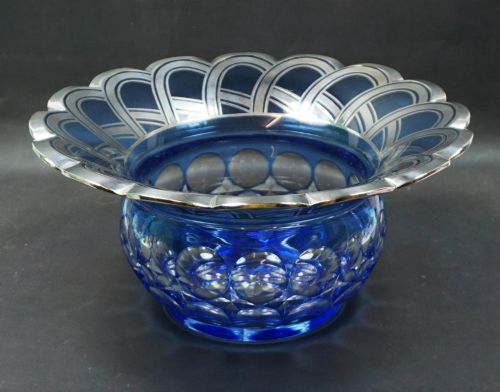
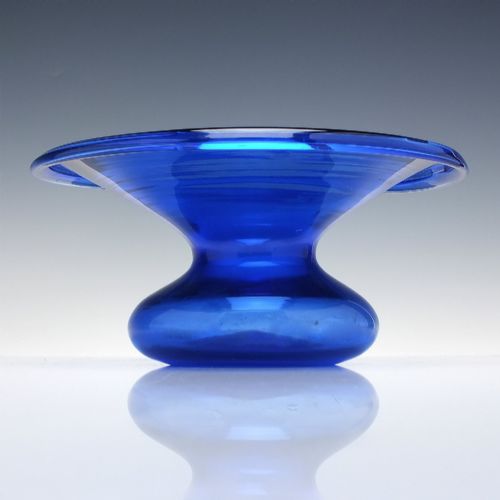
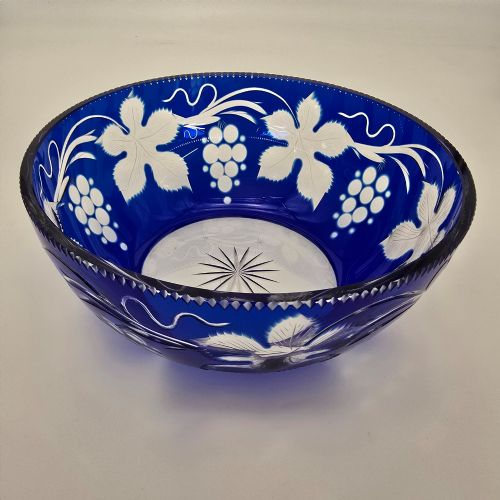
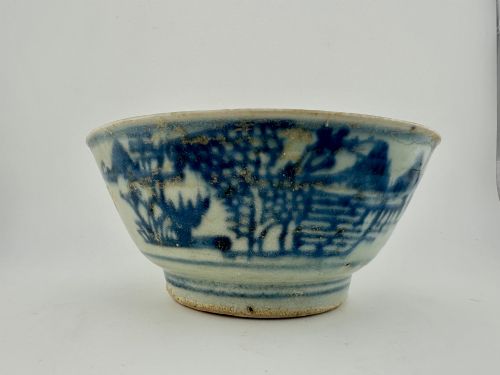
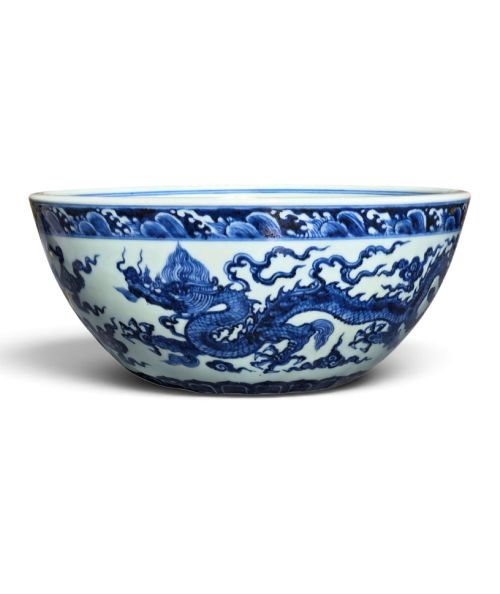
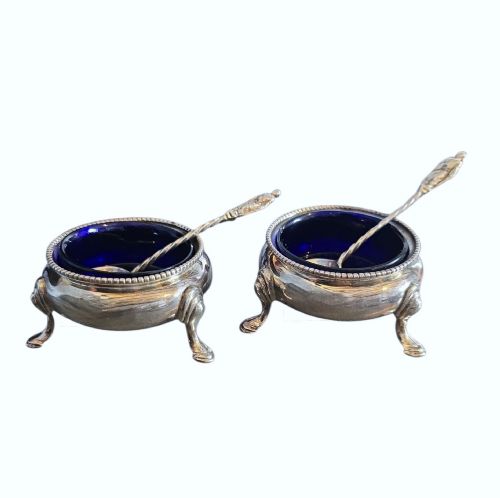
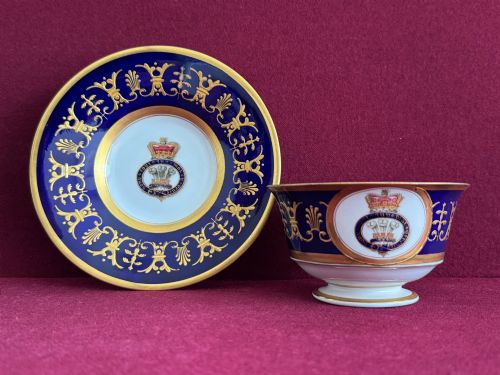
An antique cobalt bowl encompasses everything from delicate Chinese porcelain and English earthenware to Japanese Imari ware and Victorian silver frames holding blue glass liners. The forms range from small punch bowls and footed comports to large wash basin bowls and deep serving dishes originating across the eighteenth, nineteenth, and early twentieth centuries.
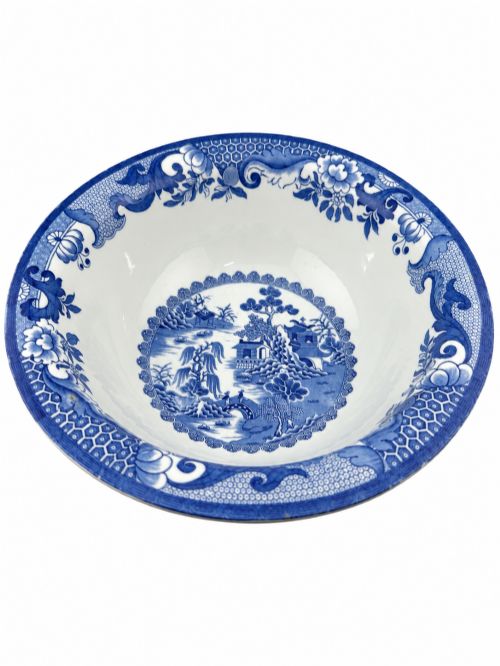
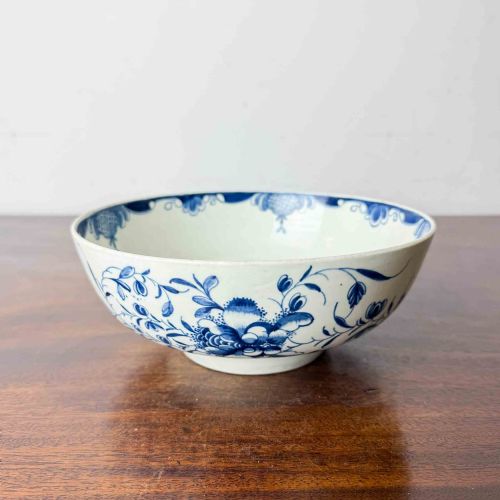
The most common examples encountered on this page are nineteenth-century transfer-printed pottery and Japanese Imari porcelain, alongside eighteenth-century blue and white Chinese pieces. Buyers often select these vessels for their striking blue pigment, which remains durable and vibrant long after the original firing.
How they were made
Potters achieved the signature deep blue colour by applying cobalt oxide beneath or over a clear glaze before firing the ceramic body at high temperatures. Ironstone, porcelain, and earthenware formed the structural bases, while silver or plated metalwork provided frames and handles for glass liners.
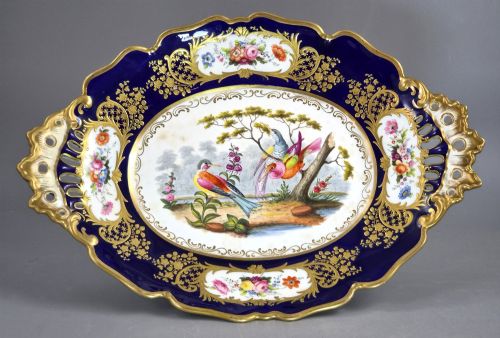
Transfer printing allowed workshops to apply intricate oriental and pastoral scenes onto pottery surfaces with consistent precision. Hand-painted interpretations, particularly on Imari and Chinese porcelain, relied on skilled brushwork combined with cobalt pigments and occasionally gold leaf highlights.
Antique Cobalt Bowl Retail Price Guide 2026
Typical asking prices for cobalt bowl among the pieces listed under this phrase on Sellingantiques today, from the lower quarter to the upper quarter. They describe what is for sale here now, not the wider market.
Materials recorded across the inventory include porcelain, ironstone, earthenware, enamel, gold leaf, and cobalt glaze.
What varies in quality
The clarity and depth of the cobalt pigment define the visual standard of a piece, distinguishing sharp, deep brushwork or transfer lines from blurred or muddy applications. High-quality examples display precise control during the high-temperature kiln firing, avoiding grey patches or unwanted run in the glaze.
Form and proportion dictate the desirability of vessels, with crisp moulding on scallop edges, balanced footrims, and intact silver mounts separating standard production items from superior works. The reputation of the manufacturing pottery or the sophistication of the hand-painted design further elevates the standing of an individual piece.
Beare Falcke·Mason·Barr and Barr·Coalport·Minton·Aldridge and Green·J. and R. Riley·J. and R. Clews·Samson Paris
The Antique Cobalt Bowl Glossary
- Cobalt Glaze
- A vitreous coating coloured with cobalt oxide that turns a deep blue during the kiln firing process. It provides both decoration and a protective seal over the ceramic body.
- Ironstone
- A heavy, durable type of earthenware patented in the nineteenth century to imitate Chinese porcelain. It proved exceptionally resilient for everyday kitchen and table vessels.
- Imari
- A Japanese style of porcelain featuring underglaze blue combined with iron red and gold details. The palette remains remarkably bright and distinctive.
- Transfer Printing
- A technique where an engraved copper plate transfers a design onto paper and then onto pottery. This method allowed intricate scenes to be reproduced consistently.
- Comport
- A raised serving dish or bowl mounted on a pedestal foot. These pieces typically stood at the centre of dining tables for fruit or sweetmeats.
Antique Cobalt Bowl: Frequently Asked Questions
How do I date a blue and white bowl?
Dating relies on examining the ceramic body, glaze characteristics, and any maker marks stamped or painted on the base. Stylistic clues such as transfer-printed patterns or footrim construction also point to specific manufacturing eras.
Earthenware pieces from the nineteenth century generally feel heavier and more porous than earlier hard-paste porcelain or ironstone equivalents. Comparing the decorative motifs to documented factory patterns helps narrow down the decade of production.
Are these bowls safe for daily use?
Most antique bowls are better suited for display, light serving, or decorative storage rather than rigorous daily dining. Historic glazes and delicate bodies can suffer from thermal shock or modern dishwasher detergents.
Silver-mounted glass liners require gentle hand washing in lukewarm water to preserve both the glass and the antique metalwork. Careful handling ensures the cobalt decoration and glaze remain free from modern chips.
What is the difference between porcelain and ironstone?
Porcelain is a vitrified ceramic made from kaolin and petuntse, fired at very high temperatures to create a hard, translucent body. It rings when tapped and absorbs no moisture.
Ironstone is a dense, opaque earthenware developed to resist chipping and heavy use while mimicking the appearance of porcelain. It is considerably heavier and lacks the translucency found in fine oriental or European porcelain bowls.
Why is cobalt blue so common in antiques?
Cobalt oxide is one of the few metallic oxides capable of withstanding extremely high kiln temperatures without burning away or changing colour. This stability made it the reliable choice for potters across centuries and continents.
The striking contrast between the deep blue pigment and a white ceramic background created an enduring aesthetic that remained popular from early Chinese dynasties through to the Victorian era.