
Antique Clothing Storage
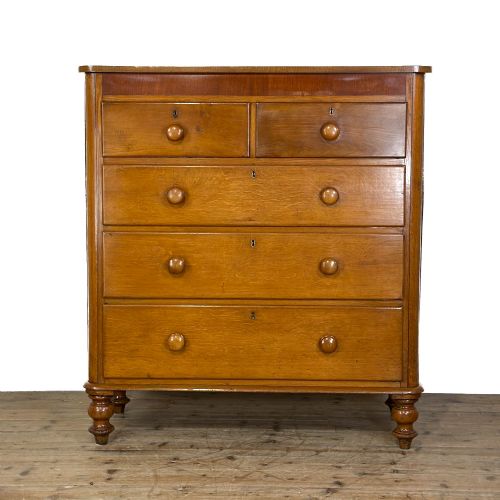
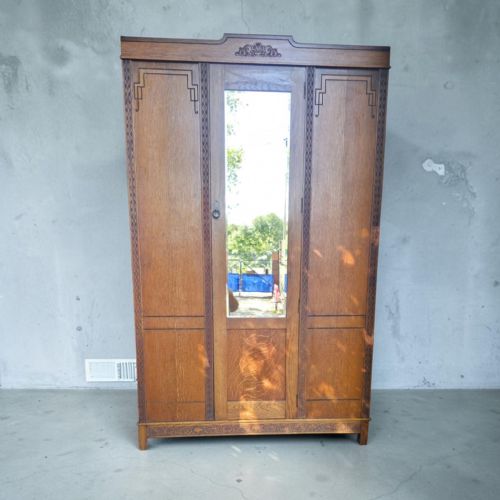
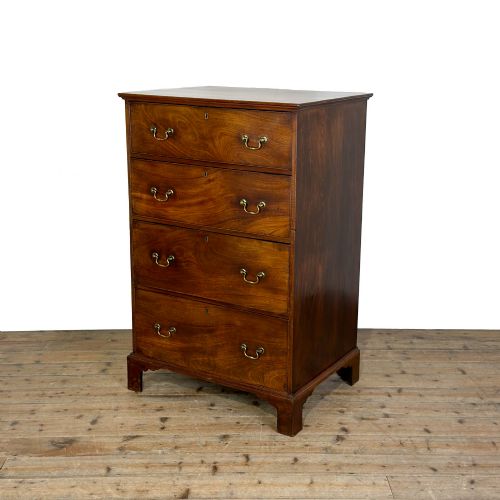
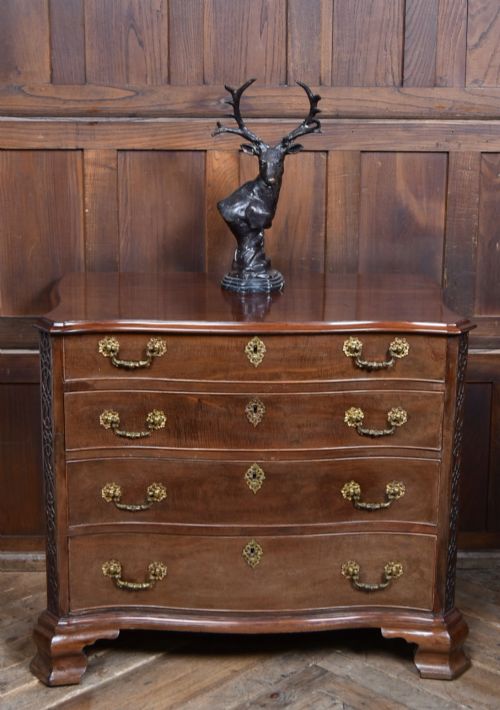
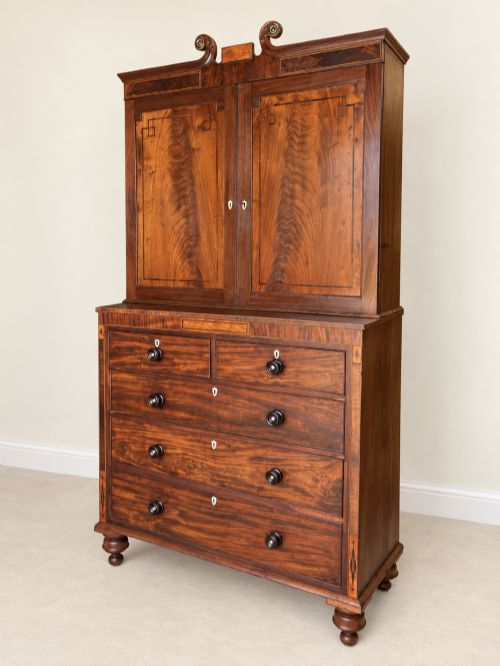
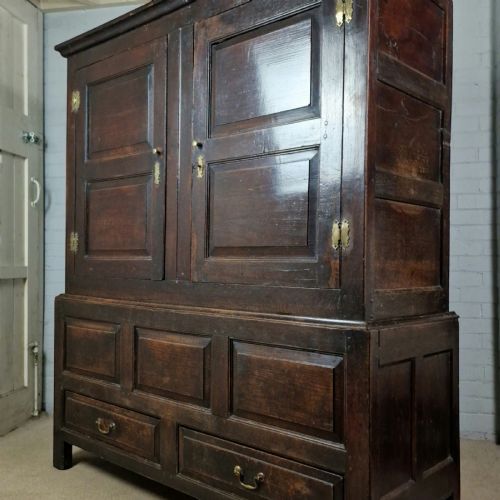
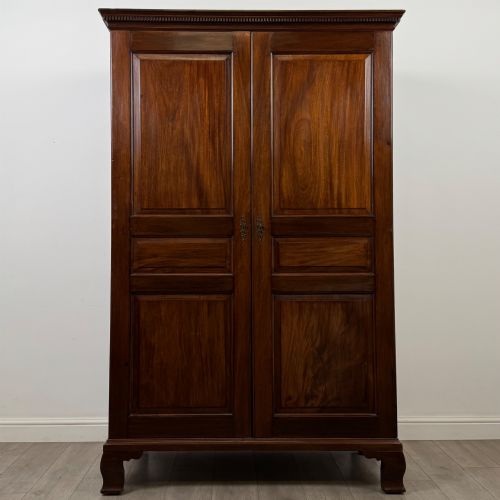
Antique clothing storage comprises substantial timber wardrobes, linen presses and cupboards built to house garments across centuries of British domestic life.
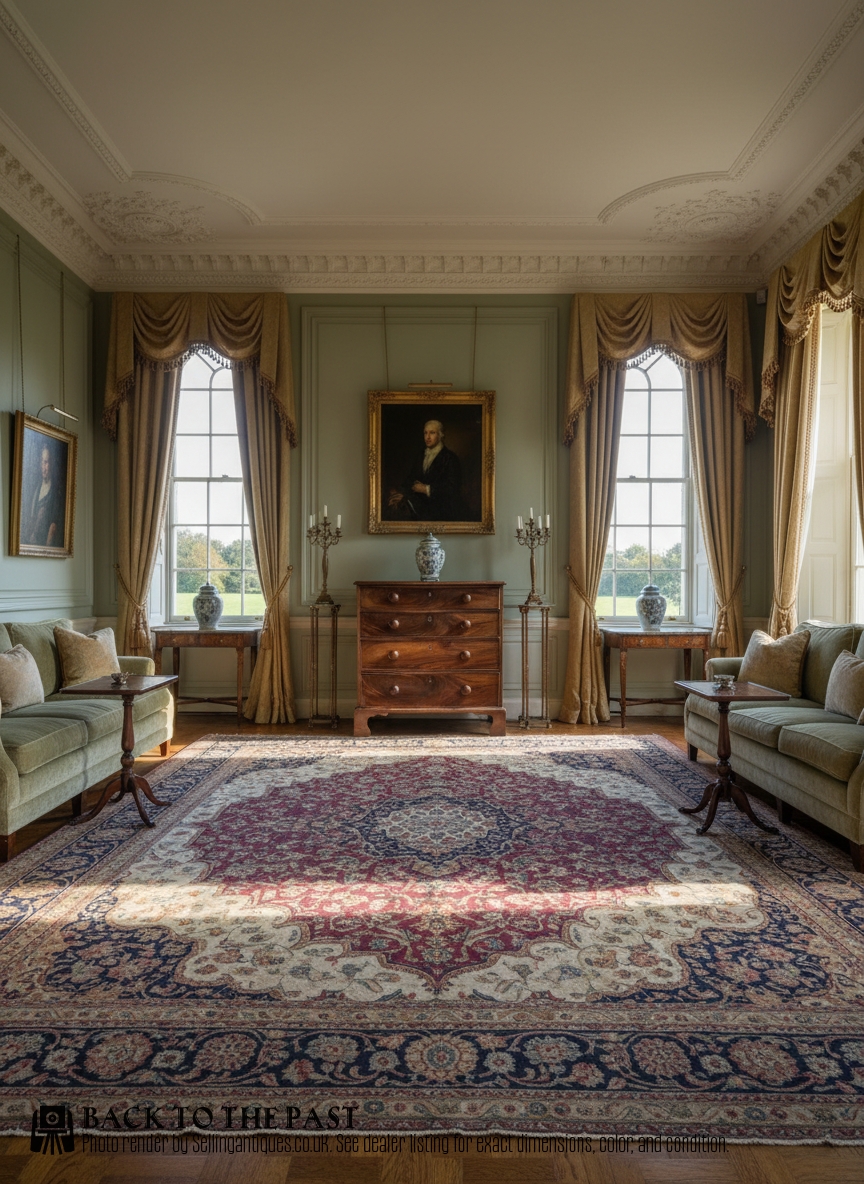
Antique Clothing Storage
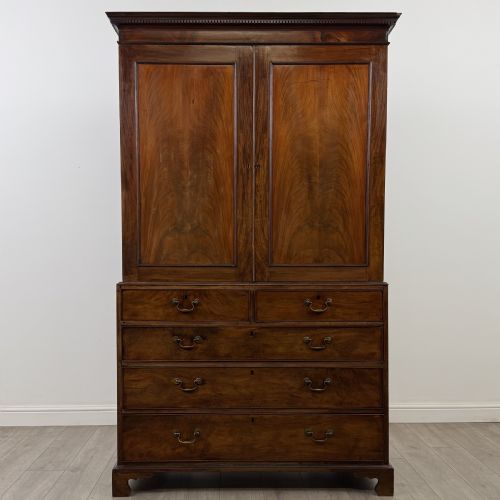
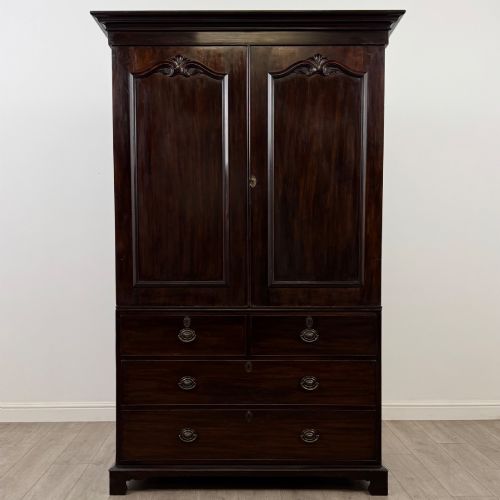
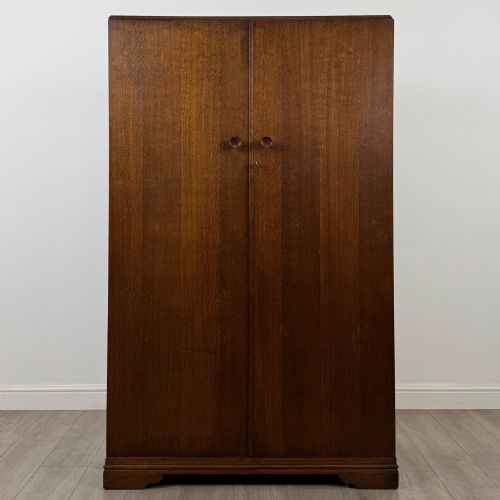
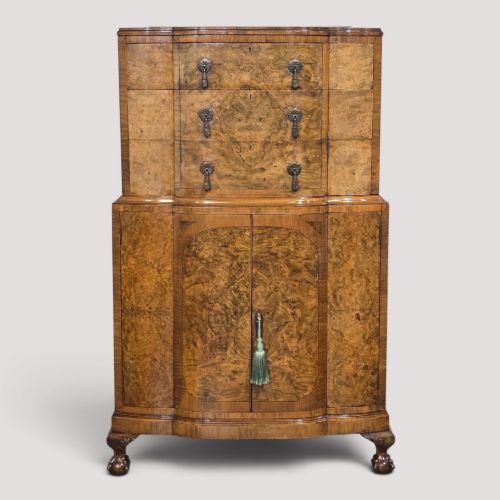
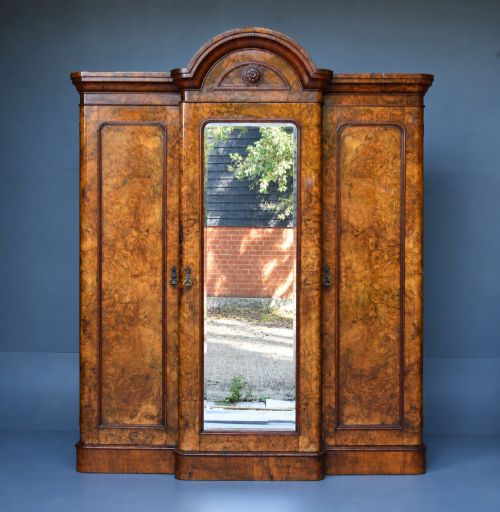
Antique clothing storage spans formal Georgian linen presses, substantial Victorian triple wardrobes and streamlined 1930s armoires designed to organise apparel.
The pieces appearing on this page originate predominantly from the Georgian, Victorian and Edwardian periods, alongside early twentieth century Art Deco examples.
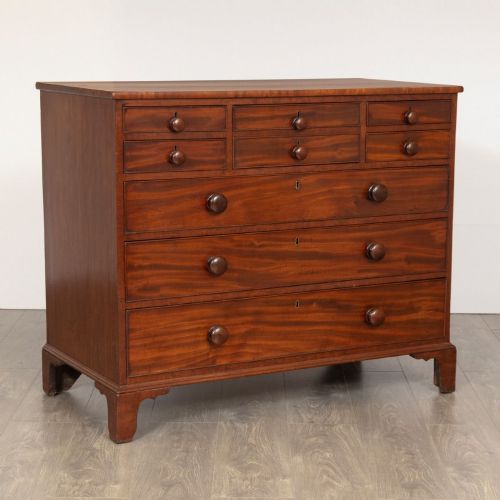
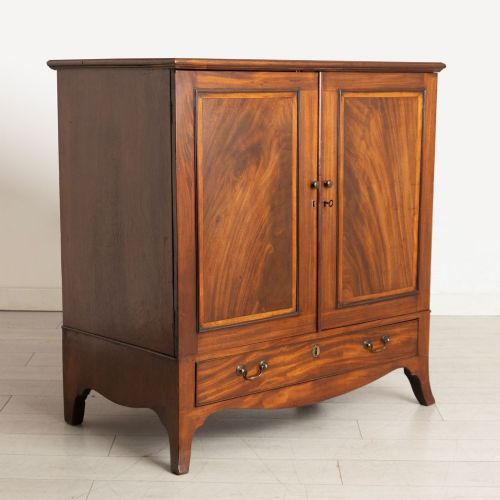
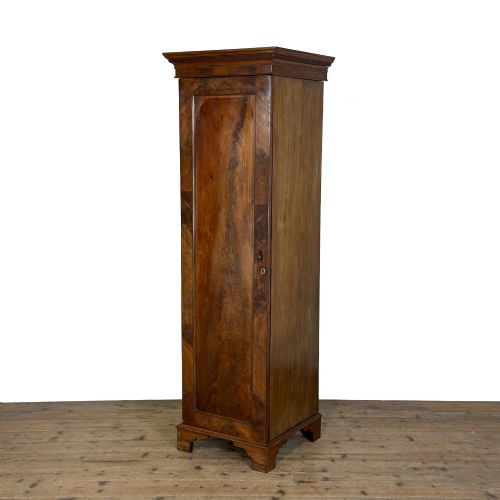
Buyers frequently encounter mahogany and oak constructions configured as hanging wardrobes, shelved cupboards or hybrid linen presses featuring lower banks of drawers.
Materials and Construction
Cabinetmakers utilised robust native and imported timbers including mahogany, oak, pine, walnut and satinwood, frequently selecting burr veneers or flame grains for principal surfaces.
Joinery methods relied upon traditional dovetailing for drawer construction and panel-in-frame assembly for large wardrobe carcasses to accommodate timber movement over time.
Brass hardware such as drop handles, escutcheons and hinges provided functional and decorative articulation across periods ranging from Regency to Art Nouveau.
Gradations of Craftsmanship
Superior examples demonstrate meticulous timber selection, where grain patterns match symmetrically across door panels and drawer fronts rather than relying on standard stock boards.
The refinement of internal fittings, such as specialised pull-out linen slides, compartmentalised drawers and fitted hanging space, distinguishes utilitarian storage from bespoke commissions.
Subtleties in architectural detailing, including hand-carved blind fretwork cornices and inlaid satinwood stringing, separate standard production pieces from high workshop output.
maples & co·Heals
The Antique Clothing Storage Glossary
- Linen press
- A dual-purpose piece featuring upper sliding trays or shelves enclosed by doors, positioned above a chest of base drawers for comprehensive garment storage.
- Compactum
- A multi-compartment wardrobe combining hanging space, linen shelves and drawers within a single unified cabinet structure.
- Blind fretwork
- Carved ornamentation applied to flat timber surfaces in geometric or Chinese Chippendale inspired repeating patterns without piercing through the background wood.
- Flame mahogany
- Timber cut from the fork of the mahogany tree where branches join the trunk, yielding a distinctive feather-like flame figure highly prized in Regency and Victorian cabinetwork.
- Knockdown wardrobe
- A large wardrobe designed with pegged or bolted joints allowing the entire carcass to be disassembled for transport and reassembly in upper chambers.
Antique Clothing Storage: Frequently Asked Questions
What is a linen press?
A linen press is a traditional storage cabinet comprising upper sliding shelves enclosed by doors, traditionally used for flat textiles, sitting above a chest of lower drawers.
Over time, many of these pieces have been converted from holding folded linen to accommodating modern hanging clothes by removing the interior slides.
How do I fit modern clothes inside?
Many period wardrobes feature adequate internal depth for standard hangers, though older Georgian and early Victorian pieces occasionally require shallow or front-to-back hanging rails.
Checking the internal depth before purchase ensures standard coat hangers fit comfortably inside without pressing against the mirrored or solid wood doors.
Can large wardrobes be dismantled?
Many substantial Victorian and Edwardian wardrobes are built as knockdown pieces, meaning the cornices, sides, bases and doors bolt or slot together without permanent glue.
This modular construction allowed large furniture to be transported up narrow staircases into upper bedrooms during the nineteenth century, a feature that remains practical today.
How do I date an antique wardrobe?
Dating relies on observing a combination of timber choice, structural hardware, construction methods and stylistic indicators such as Regency brass inlay or Art Deco geometric veneering.
Secondary timbers used inside drawers, such as oak in earlier pieces versus pine in later Victorian ones, also provide reliable clues to the period of manufacture.