



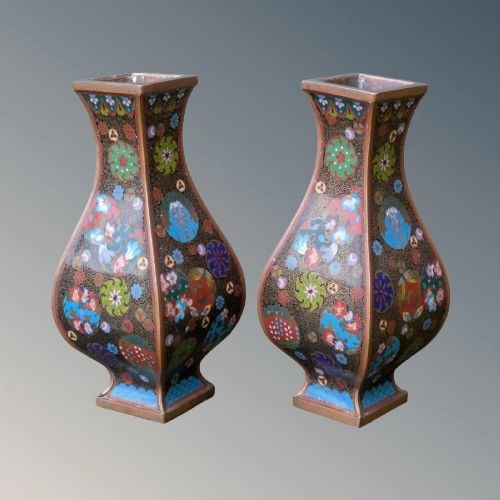


Antique Cloisonne Pot
These antique cloisonne pot examples bring dense metallic colour and intricate wirework into a room.
Antique Cloisonne Pot
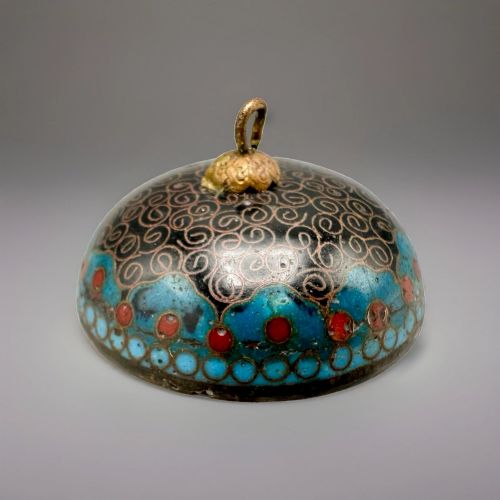
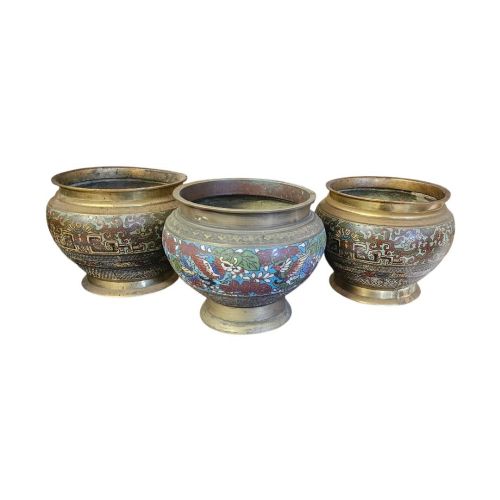
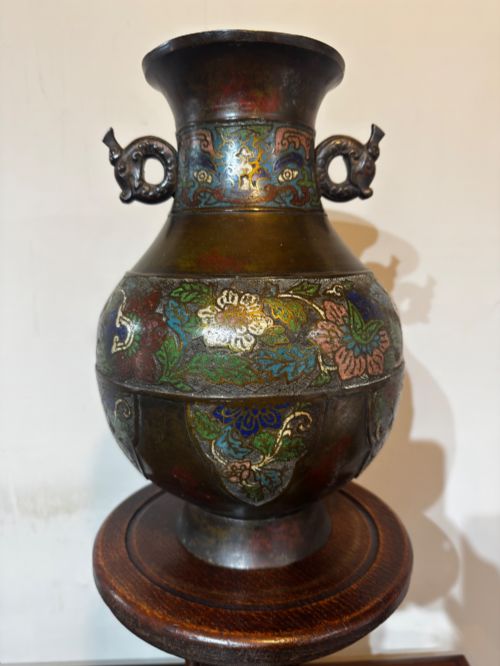
An antique cloisonne pot spans various vessel forms, including ginger jars, lidded gourd pots, and large jardinieres. These pieces originate primarily from Chinese and Japanese workshops across the nineteenth century.
The buyer most frequently meets Chinese Qing dynasty vessels and Japanese Meiji period pieces on this page. Forms range from small sake kettles to substantial decorative jars on stands.
How they were made
Artisans soldered thin metal wires onto bronze, brass, or copper bodies to form raised compartments. These wire cells were then filled with coloured enamel pastes before firing.
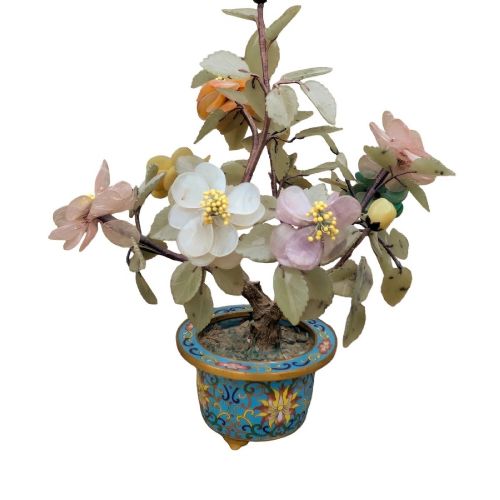
Finished vessels underwent extensive polishing to ensure the metal cloisons and hardened enamel surfaces sat flush. Hardstone elements and carved agate details occasionally complemented the primary metal structures.
Antique Cloisonne Pot Retail Price Guide 2026
Typical asking prices for cloisonne pot among the pieces listed under this phrase on Sellingantiques today, from the lower quarter to the upper quarter. They describe what is for sale here now, not the wider market.
Some vessels double as miniature botanical display units, hosting carved stone flowering bonsai trees directly inside their enamel bowls.
What varies in quality
The precision and fineness of the wirework define the underlying structural discipline of each piece. Tightly soldered compartments indicate greater control than irregular or thick wire application.
Enamel density and the polish across the metal surface distinguish standard production from superior output. Deeper colour saturation and minimal pitting elevate a vessel within its period.
The Antique Cloisonne Pot Glossary
- Cloisonne
- Enamelwork created by soldering metal wires to a base to form cells that hold coloured paste. This technique defines the surface decoration of every piece.
- Champleve
- Enamel technique where troughs or cavities are cast directly into the metal body rather than formed with soldered wires. This method appears on heavy bronze vessels.
- Koro
- Traditional three-legged incense burner featuring a decorative cover. These containers often display intricate enamel patterns across the body.
- Jardiniere
- Large ornamental pot designed to hold plants or floral arrangements. Such vessels frequently utilise heavy bronze or brass frames.
- Meiji
- Japanese historical period spanning the late nineteenth and early twentieth centuries. Pieces from this era often demonstrate refined wirework and balanced symmetry.
Antique Cloisonne Pot: Frequently Asked Questions
What is an antique cloisonne pot?
An antique cloisonne pot is a metal vessel decorated with enamelled wire cells, produced mainly in Asian workshops during the nineteenth and early twentieth centuries.
These pieces include jars, vases, and planters constructed from bronze, copper, or brass.
How were these pots used?
These vessels served diverse decorative and domestic functions, from holding plants and tea to burning incense.
Larger jardinieres accommodated interior foliage, while smaller lidded jars and kettles functioned as decorative tabletop items.
How do I date a piece?
Dating relies on stylistic markers associated with periods such as the Qing dynasty or the Japanese Meiji and Edo eras.
Materials like cast bronze, copper bodies, and specific enamel palettes also help align a vessel with its era of manufacture.
How do I care for cloisonne?
Maintenance involves gentle dusting with a soft, dry cloth to protect the polished metal and enamel surfaces.
Avoiding harsh cleaning agents prevents damage to the fine wire boundaries and the metallic base.