




Bronze Jardiniere Pot
A bronze jardiniere pot brings heft and rich patination to a room, holding plants or standing alone as a sculptural vessel.
Bronze Jardiniere Pot
A bronze jardiniere pot is a heavy vessel designed to hold growing plants, appearing on this page in forms ranging from small desk pots and cachepots to large bowls and planters.
The pieces seen here originate predominantly from Japan during the Meiji and Edo periods, alongside examples from China spanning the Qing Dynasty.
Victorian era British listings frequently incorporate imported Oriental vessels, reflecting nineteenth-century tastes for export wares.
Materials and Technique
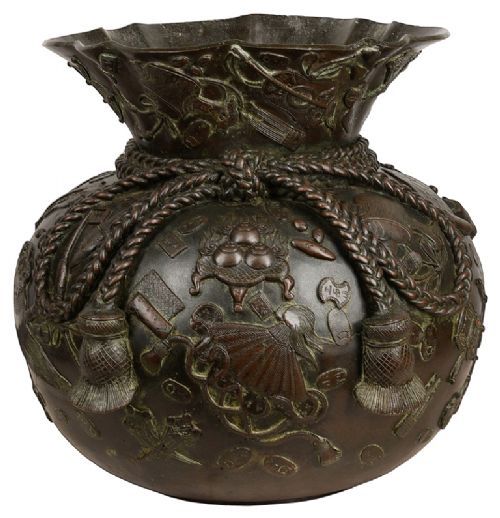
Makers utilised cast bronze, patinated bronze, and gilt bronze, often shaping the metal into deep bowls and planters.
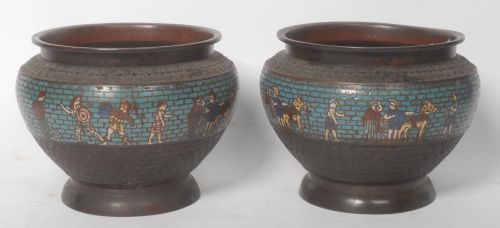
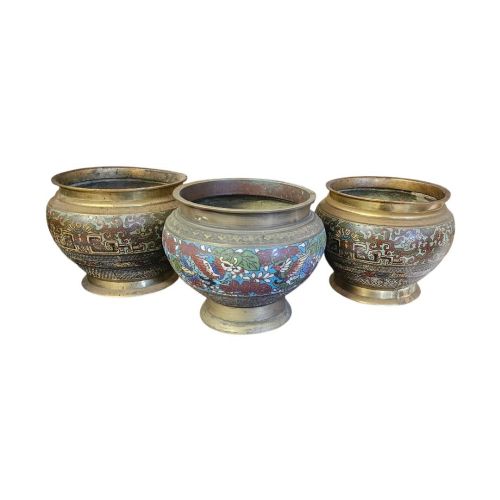
Many examples integrate cloisonne enamel and champleve enamel work, fusing glass pastes into wire cells or recessed troughs across the bronze surface.
Bronze Jardiniere Pot Retail Price Guide 2026
Typical asking prices for bronze jardiniere pot among the pieces listed under this phrase on Sellingantiques today, from the lower quarter to the upper quarter. They describe what is for sale here now, not the wider market.
The inventory includes heavy specimens weighing over two kilograms alongside smaller decorative desk pots and cachepots.
Quality and Execution
The quality of a bronze jardiniere pot rests on the crispness of the cast and the depth of the patination, distinguishing standard production from finer output.
Enamelled pieces separate into tiers based on the precision of the cloisonne or champleve work and the complexity of the integrated design.
The Bronze Jardiniere Pot Glossary
- Jardiniere
- A decorative pot or stand designed to hold a plant or flower arrangement. These vessels sit on tables or directly on the floor.
- Cachepot
- An ornamental container used to conceal an ordinary flowerpot. The term translates from French as hiding pot.
- Cloisonne
- An enamelling technique where thin metal wires form raised barriers on a metal body to contain coloured glass pastes. The piece is fired and polished smooth.
- Champleve
- A technique where troughs or cells are scooped directly into a bronze base and filled with enamel before firing. This differs from soldered wire cells.
- Meiji Period
- A period in Japanese history spanning from eighteen sixty-eight to nineteen twelve, associated with significant decorative arts production.
Bronze Jardiniere Pot: Frequently Asked Questions
How were bronze jardiniere pots used?
These vessels held potted plants or floral arrangements within nineteenth-century interiors, protecting surfaces from water.
They also functioned as decorative cachepots or standalone display pieces in reception rooms.
How do I care for a bronze jardiniere?
Dust the surface gently with a soft dry cloth to preserve the patinated finish.
Avoid using abrasive cleaning products or harsh polishes that strip the historic surface layers.
Can I plant directly into the pot?
Placing a plastic liner or smaller pot inside prevents moisture from sitting against the bronze.
Direct planting can trap dampness and cause corrosion over time.
How do I identify Meiji period pieces?
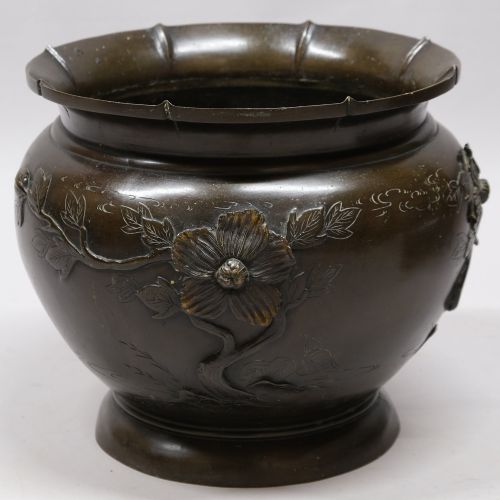
Japanese Meiji period vessels often display detailed casting, motifs of flora and fauna, and dark patination.
Many pieces reflect traditional craftsmanship developed during the late nineteenth century.