





Vintage Bronze Jardiniere
A vintage bronze jardiniere brings sculptural plant housing into a room, combining cast metalwork with decorative surface detail.
Vintage Bronze Jardiniere
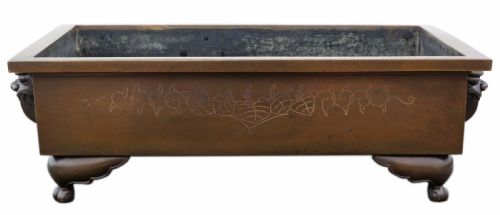
When you search for a vintage bronze jardiniere, you encounter heavy plant vessels and decorative bowls created primarily during the nineteenth and early twentieth centuries. These objects emerge from both European revivalist workshops and Asian export traditions, reflecting distinct regional tastes in domestic horticulture.
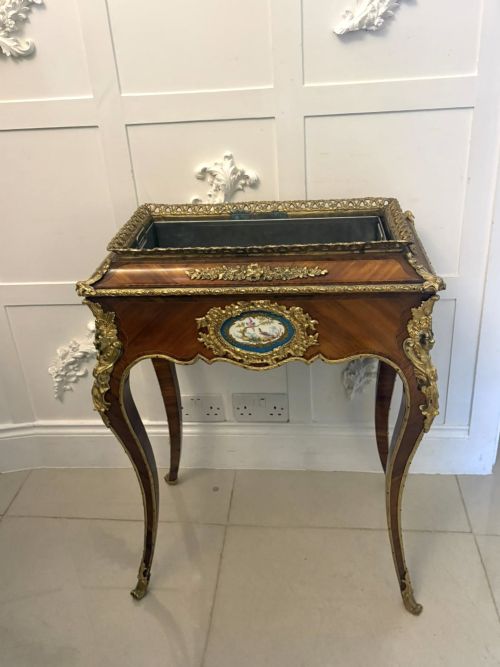
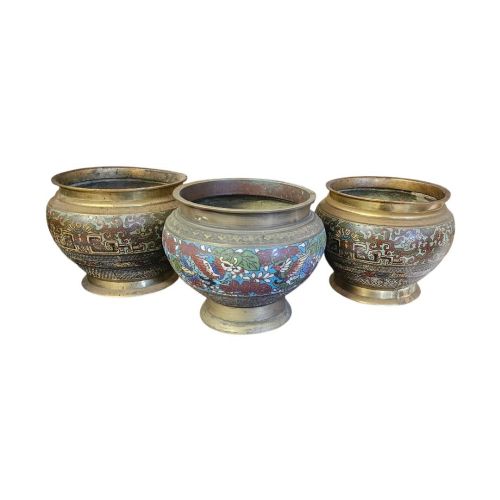
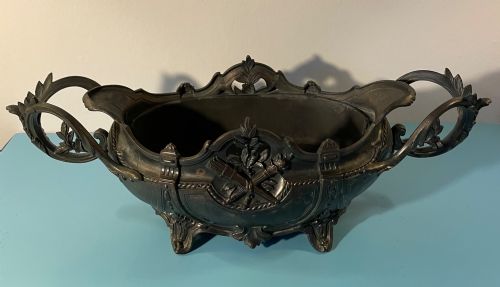
The most common examples on this page are French Louis XV style planters featuring ormolu mounts alongside British Victorian interpretations. Alongside these, substantial Chinese champleve and Japanese cloisonne enamel pieces appear frequently, demonstrating varied techniques of metal and glass decoration.
Forms range from simple circular bowls and heavy cast basins to complex stands incorporating porcelain plaques and exotic timbers like kingwood and satinwood. Buyers select these items to house indoor plants or to display as standalone decorative objects on tables and cabinets.
How they were made
The construction relies heavily on traditional foundry work, utilising bronze, brass, and spelter shaped through casting techniques. Artisans then finished these metal bodies by hand, adding chased surface details and applied mounts.
Many Eastern and European examples incorporate enamel work, specifically cloisonne and champleve, where glass pastes are fused into wire compartments or carved channels across the bronze surface. Wooden enclosures and stands often employ marquetry or veneer methods using timbers such as walnut and kingwood.
Ormolu mounts, consisting of cast and gilt bronze, are mechanically fastened or pinned to the primary body of the planter or its accompanying stand. This multi-material construction requires precise joinery between the metalwork, enamel sections, and internal liners.
Vintage Bronze Jardiniere Retail Price Guide 2026
Typical asking prices for vintage bronze jardiniere among the pieces listed under this phrase on Sellingantiques today, from the lower quarter to the upper quarter. They describe what is for sale here now, not the wider market.
Some bronze planters weigh over two kilograms, proving that nineteenth-century horticulturists took their fern displays very seriously indeed.
What varies in quality
Quality depends upon the crispness of the original cast and the depth of the subsequent hand-chasing on the bronze surface. Superior examples display sharp definition in foliage, scrolls, or figurative motifs without softening from worn moulds.
The execution of the enamel work dictates the tier of the piece, with tightly packed wires and smooth, evenly fired glass pastes distinguishing finer items. Heavier weight often indicates a more substantial bronze or brass gauge used in the body.
The integration of secondary materials such as ormolu mounts, porcelain plaques, and cabinet woodwork shows whether a piece was constructed as a unified design or assembled from disparate elements.
The Vintage Bronze Jardiniere Glossary
- Jardiniere
- A decorative pot or stand designed to hold flowers or potted plants. These vessels sit on tables or floor stands.
- Cloisonne
- An enamelwork technique where thin metal wires are soldered to a metal base to create compartments filled with coloured glass paste before firing. This method produces intricate geometric or floral patterns.
- Champleve
- An enamelling process where troughs or cells are carved directly into the surface of a thick bronze or metal object and filled with enamel. The surrounding metal remains visible as part of the design.
- Ormolu
- Gilt bronze created by applying a mercury and gold amalgam to cast bronze, then heated to drive off the mercury. The resulting finish provides a bright gold appearance on decorative mounts.
- Spelter
- A zinc-based alloy used as a less expensive substitute for bronze in decorative castings. It takes patination well but possesses a lighter weight and softer structure than true bronze.
Vintage Bronze Jardiniere: Frequently Asked Questions
What is a jardiniere used for?
A jardiniere serves as an ornamental container designed to hold potted plants or cut flowers within a domestic interior. These vessels elevate ordinary plant pots by integrating them into the decorative scheme of a room.
Historically, they protected interior surfaces from water damage while adding sculptural weight to side tables, cabinets, and pedestals.
How do I clean a bronze jardiniere?
Cleaning requires a soft, dry cloth to remove dust from the recessed areas of the casting or enamel work. Avoid harsh chemical cleaners and metal polishes that can strip the original patination from the bronze.
If the piece has an internal metal or ceramic liner, remove it for watering plants to prevent moisture from damaging the outer metal body.
How do I date a bronze jardiniere?
Dating relies on examining the casting methods, material composition, and stylistic markers such as French Louis XV revival motifs or late Qing dynasty characteristics. Heavier hand-chased metalwork and specific enamel techniques point toward nineteenth-century production.
Accompanying elements like cabinet stands, wood veneers, and fastening screws also help establish the approximate decade of manufacture.
Are these pieces waterproof?
Many vintage jardinieres lack watertight integrity due to age, shrinkage in wood components, or missing interior liners. Metal seams can also develop small gaps over decades of use.
Using a separate plastic or ceramic pot inside the jardiniere prevents water from leaking onto antique furniture surfaces.
What is the difference between bronze and spelter?
Bronze is a copper and tin alloy prized for its strength, weight, and ability to accept rich patinas during casting. Spelter uses zinc as its primary base, offering a lighter alternative used widely in nineteenth-century decorative objects.
Spelter feels lighter in the hand and is softer than bronze, making it more susceptible to bending under pressure.