

Antique Clock with Chimes
An antique clock with chimes brings character and a resonant mechanical voice to a room.
Antique Clock with Chimes
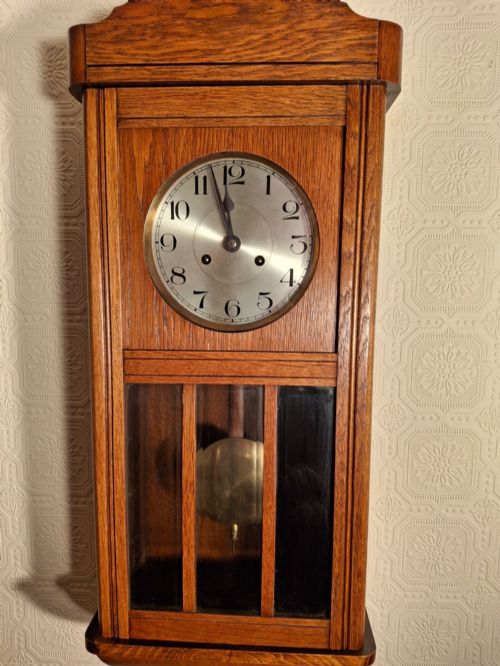
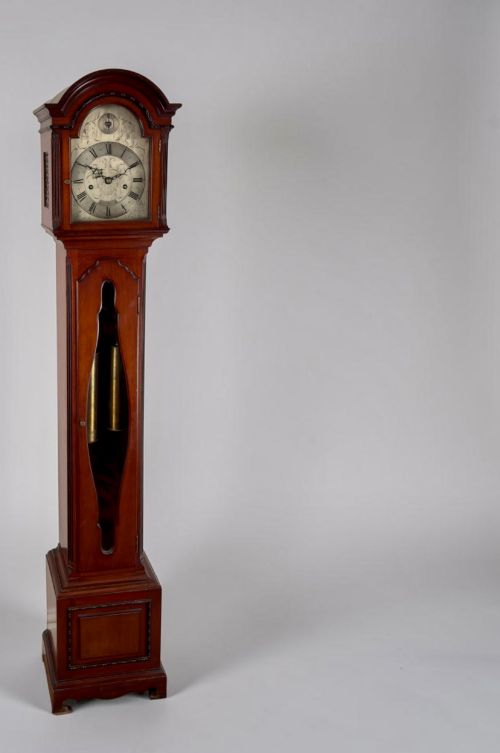
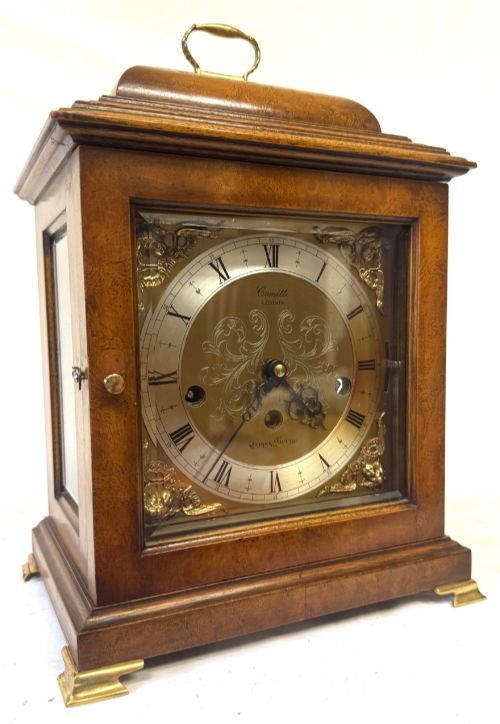
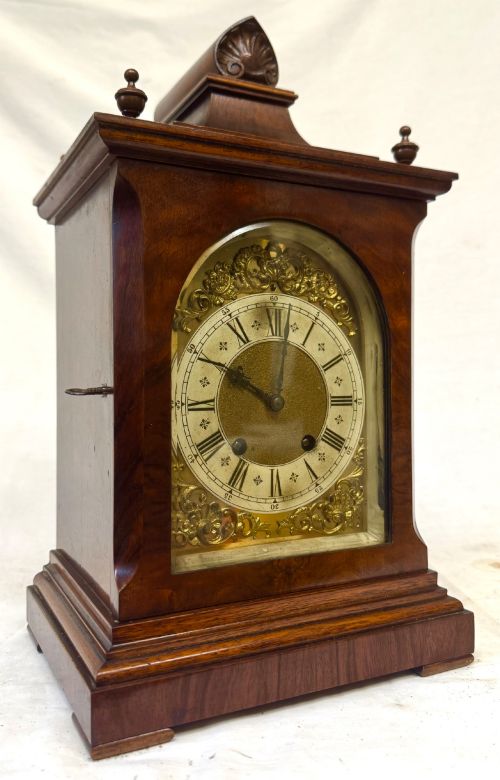
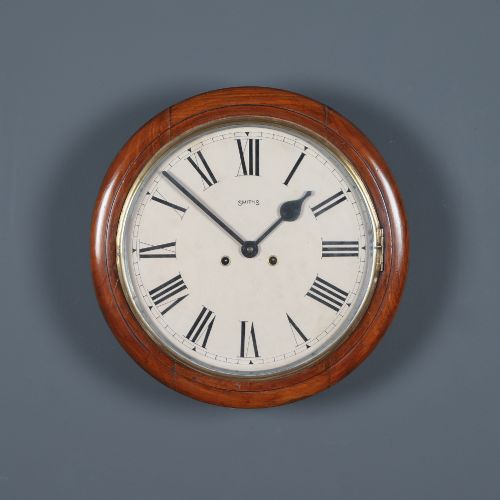
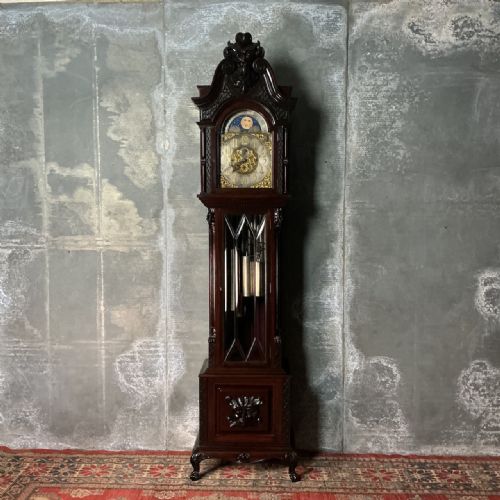
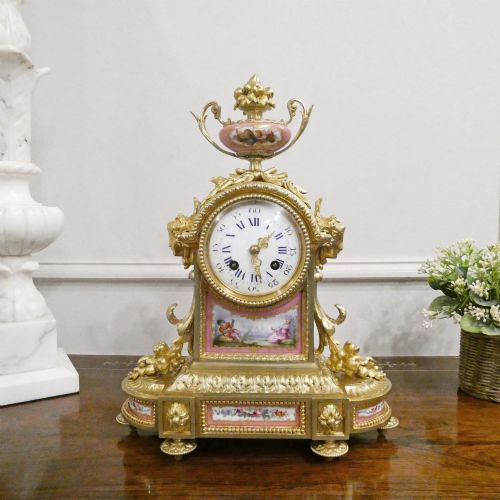
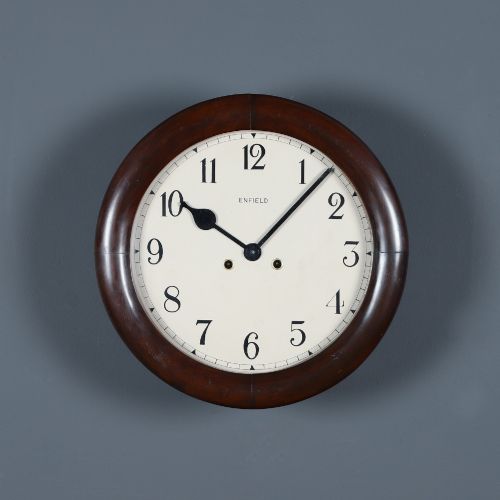
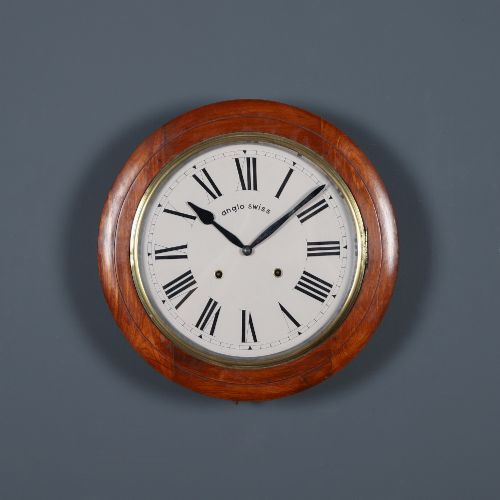
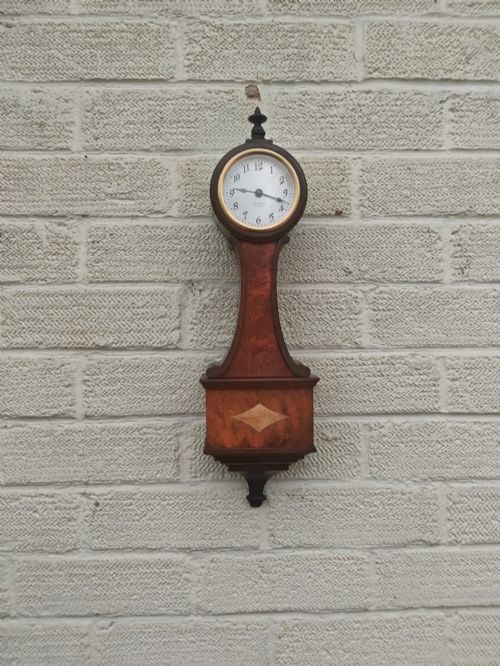
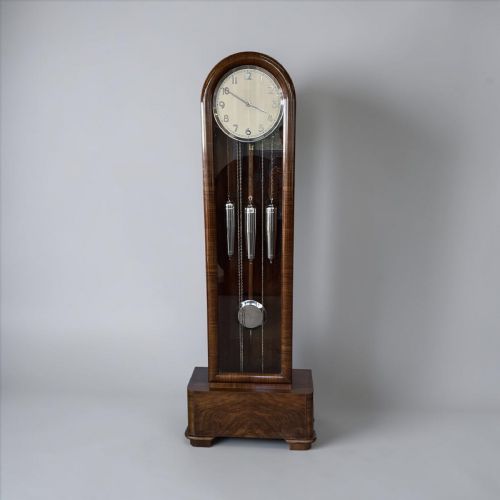
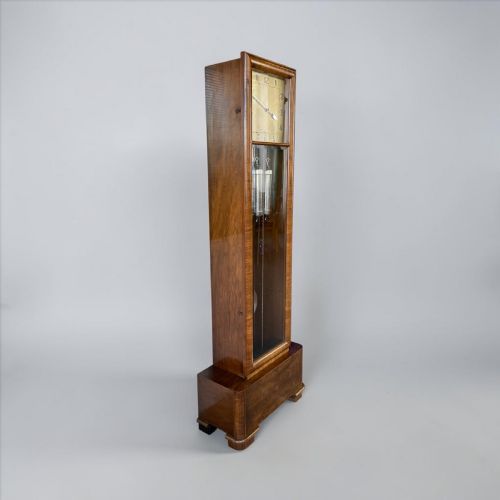
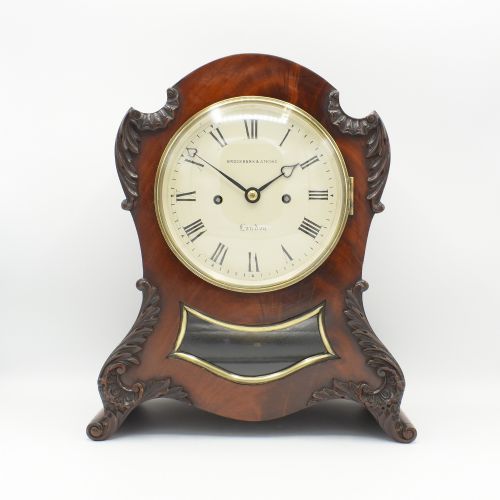
When you search for an antique clock with chimes, you encounter timepieces designed to mark the hours and quarters with bells, gongs, or tubular rods. These mechanical instruments range from compact desk and mantel designs to tall floor-standing longcase models.
The selections span the eighteenth, nineteenth, and early twentieth centuries, encompassing periods such as the Georgian, Victorian, Edwardian, and Art Nouveau eras. You will frequently find mantel clocks and bracket clocks alongside larger grandfather and grandmother styles.
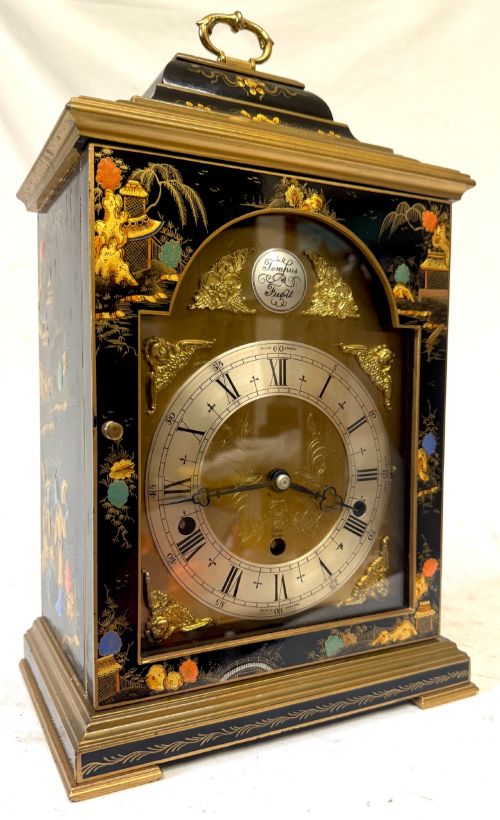
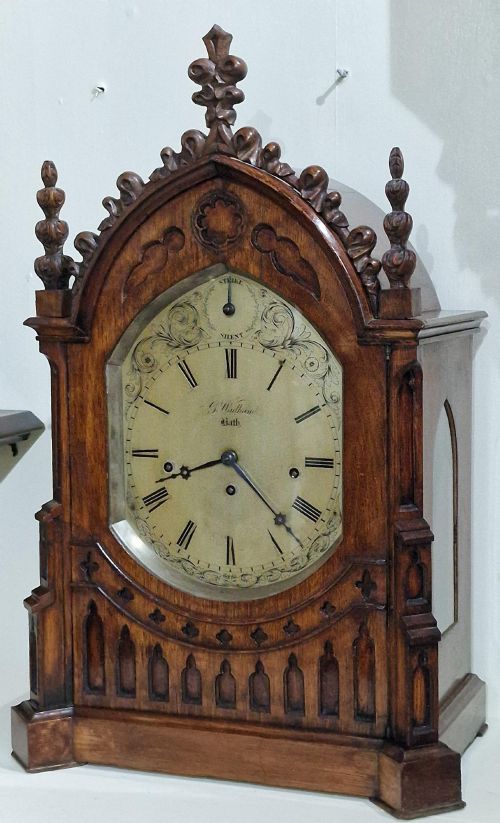
Cases utilise diverse woods including mahogany, walnut, oak, and rosewood, often complemented by brass dials, silvered chapters, and glass panels. Some examples incorporate decorative schemes like Chinoiserie lacquer or mother-of-pearl detailing.
How they were made
Clockmakers constructed movements from brass and steel, employing fusee or spring-driven mechanisms to regulate power and drive both timekeeping and chiming trains. Cases were built by cabinetmakers using solid timbers and veneers of mahogany, walnut, and oak.
Dials were cast in brass, sometimes featuring silvered chapter rings, engraved details, or enamel cartouches. Gilt brass was also utilised, particularly in carriage clocks and decorative French movements.
Listings feature movements from the eighteenth to the twentieth centuries, spanning walnut, mahogany, and oak cases.
What varies in quality
Quality depends on the precision of the movement and the integrity of the case construction, distinguishing standard production items from finer workshop pieces. Better examples feature robust movements with multiple pillars, twin fusees, or specialised chime mechanisms such as Westminster or tubular bells.
Materials and secondary ornamentation also dictate distinction, from simple timber boxes to intricately carved oak grandfather cases or delicate Chinoiserie lacquer work. The legibility and execution of the dial, whether brass, silvered, or enamel, reflect the skill of the original maker.
John Taylor London·Chater And Son London·John Ellicott·Savory Et Fils A Paris·Lenzkirch·Junghans
The Antique Clock with Chimes Glossary
- Bracket clock
- A portable table or mantel clock originally designed to sit on a wall bracket. These clocks often feature carrying handles and glazed side panels.
- Fusee
- A conical pulley used in mechanical clocks to equalize the diminishing power of a mainspring as it unwinds. This mechanism helps maintain consistent timekeeping accuracy.
- Longcase clock
- A tall pendulum clock housed in a wooden case that rests on the floor, commonly called a grandfather or grandmother clock. They frequently incorporate chiming trains and heavy lead weights.
- Westminster chime
- A four-note melody played on quarter-hours by clock chimes. The tune originates from the chiming quarters of the clock tower at the Palace of Westminster.
- Double fusee
- A clock movement driven by two separate fusee chains or cords, typically powering the timekeeping train and the striking or chiming train independently.
Antique Clock with Chimes: Frequently Asked Questions
How do I wind an antique chiming clock?
Use the appropriate key to turn each winding arbor gently until you feel resistance, taking care not to overwind the mainsprings. Different trains control the timekeeping, striking, and chiming functions and require separate winding.
Ensure you do not force the key past the stop point. If the clock has a pendulum, set it ticking evenly after winding.
What is the difference between a grandfather and a grandmother clock?
A grandfather clock is a full-sized longcase clock, typically standing over six feet tall with substantial weights and a long pendulum. A grandmother clock is a smaller, more slender version of the same form.
Grandmother clocks generally date from the twentieth century and fit more easily into smaller rooms while retaining functional mechanical chimes.
How do I keep my chiming clock accurate?
Place the clock on a stable, level surface away from direct sunlight, drafts, and rapid temperature changes. Adjust the regulating nut on the pendulum bob to make the clock run faster or slower.
Allow the movement to settle after moving it to a new location. Professional servicing every few years ensures the pivots and gears remain clean.
What do the different chime melodies mean?
Chime melodies like the Westminster sequence mark the progression of quarters before striking the full hour on a bell or gong. Other movements utilise simple hour strikes or multi-rod tubular bell systems.
The specific tune depends on the design of the chiming train and the number of hammers striking the acoustic elements.