
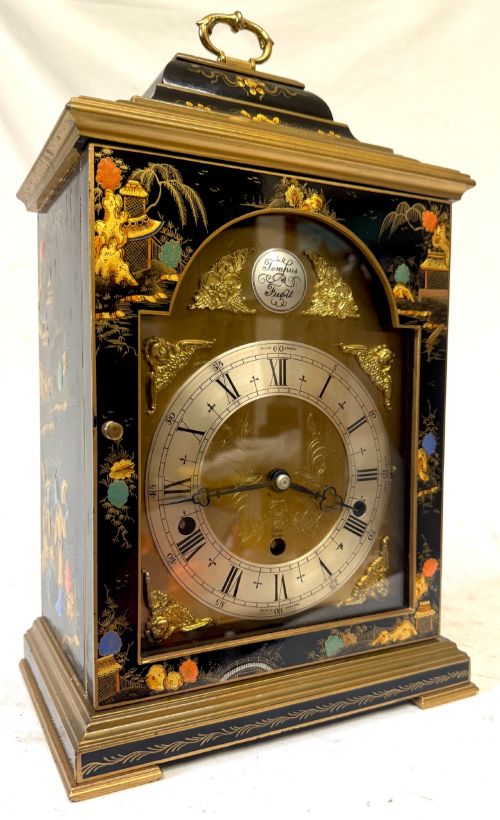
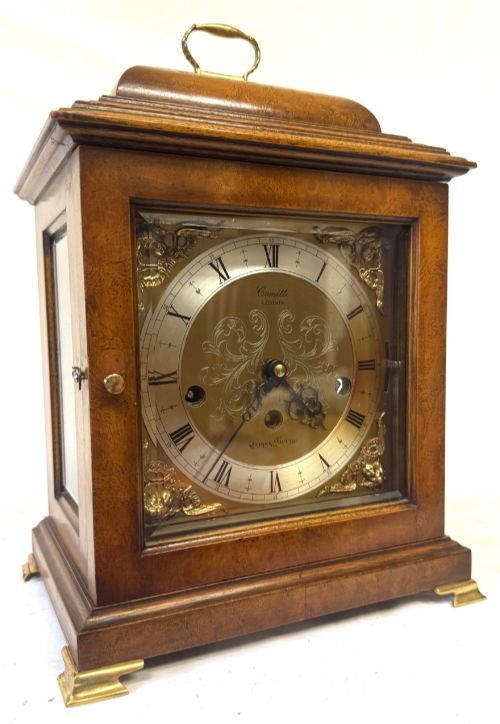
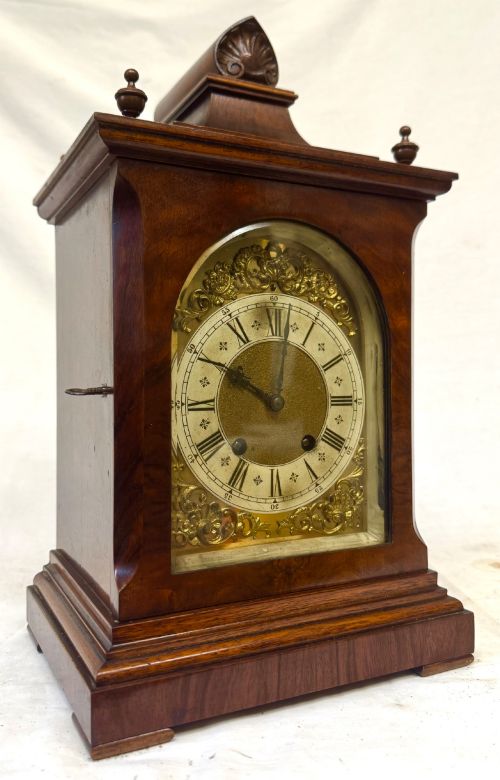
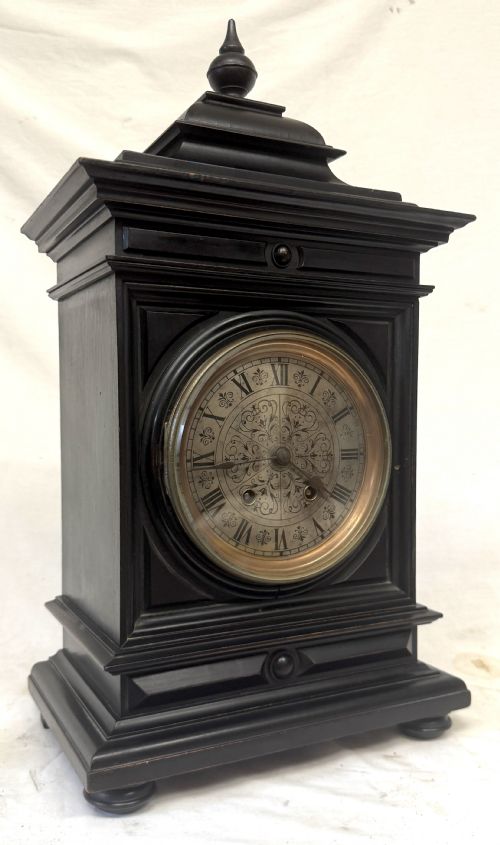
Antique Clock with Bracket
An antique clock with bracket combines architectural presence with precision engineering, offering a traditional centrepiece for a mantel or wall.
Antique Clock with Bracket
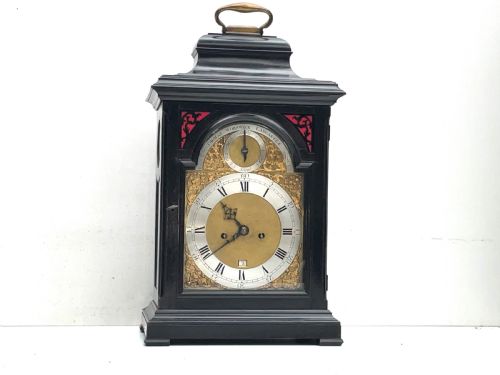
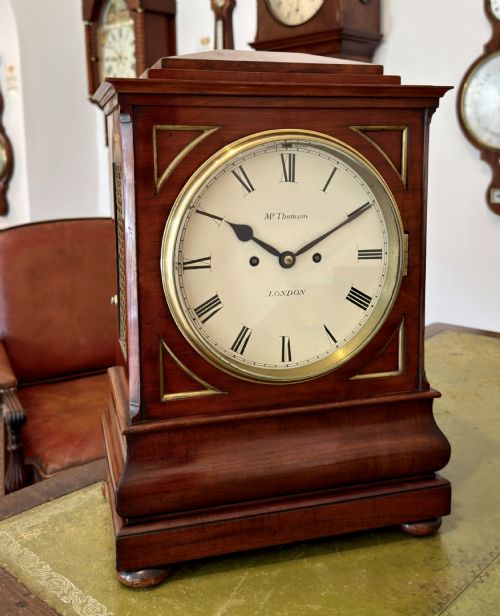
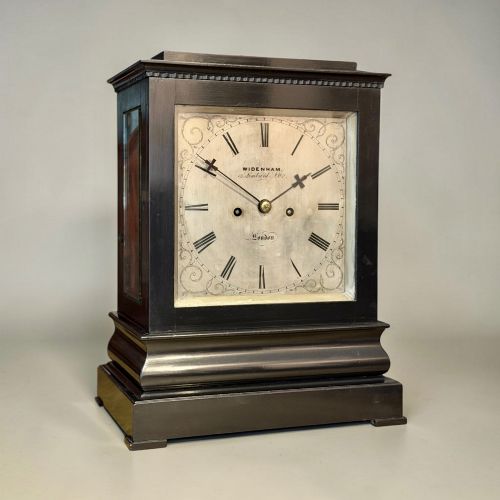
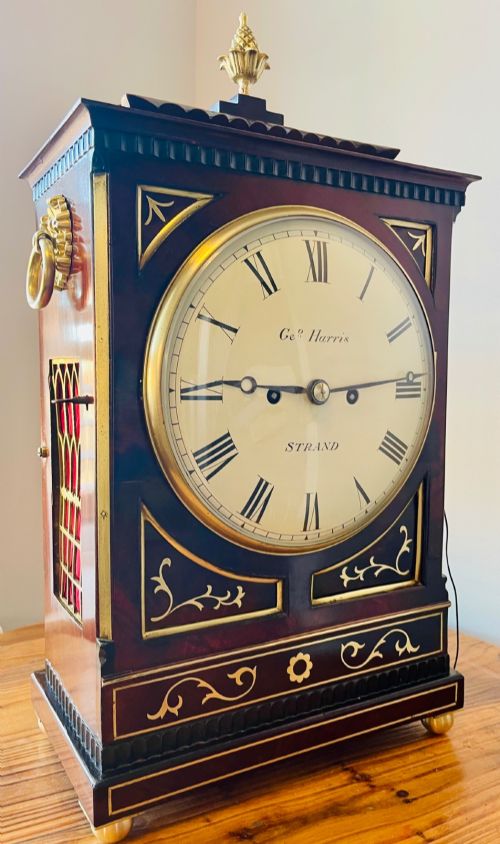
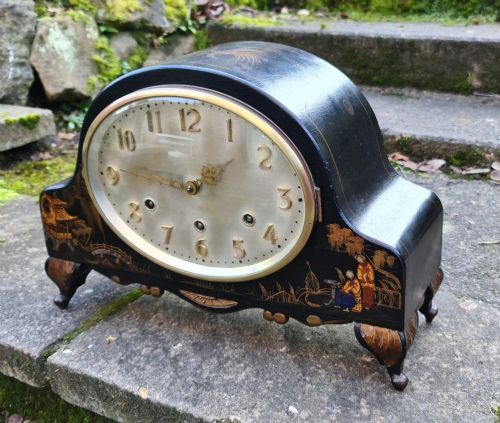
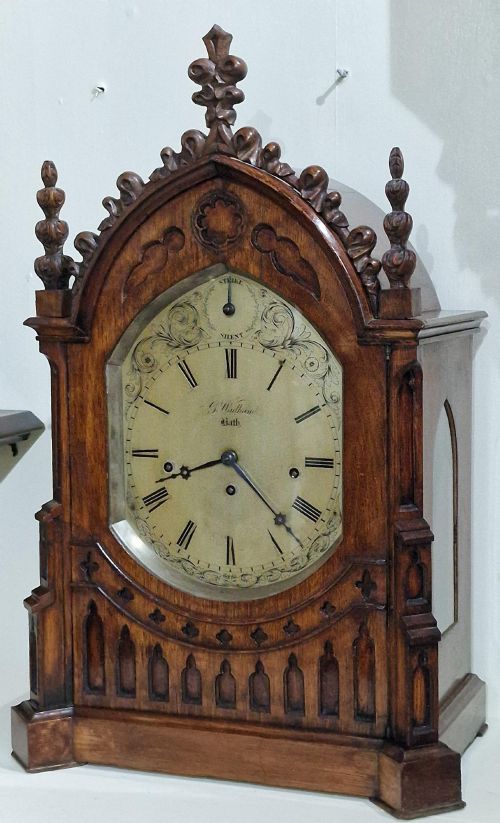
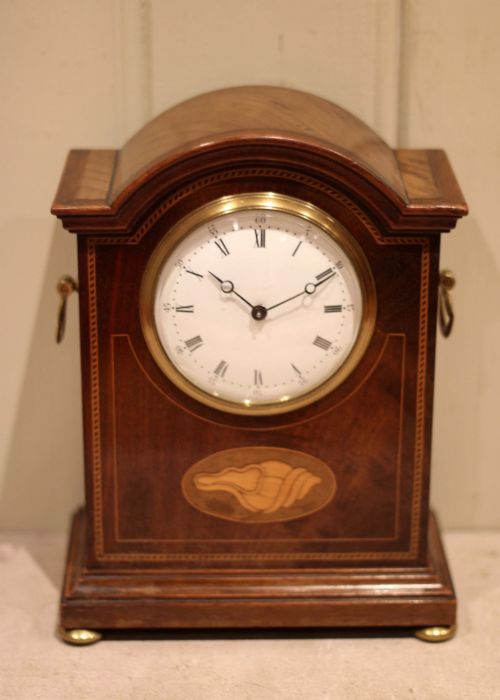
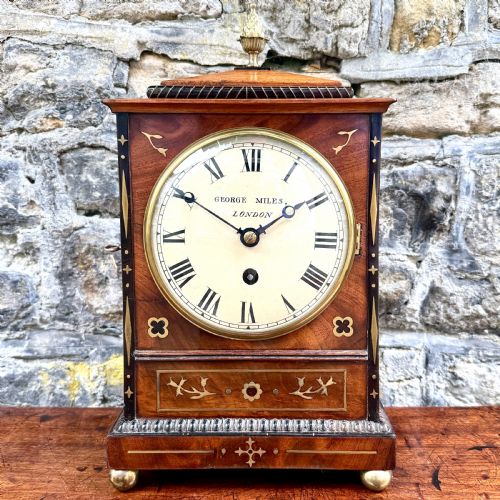
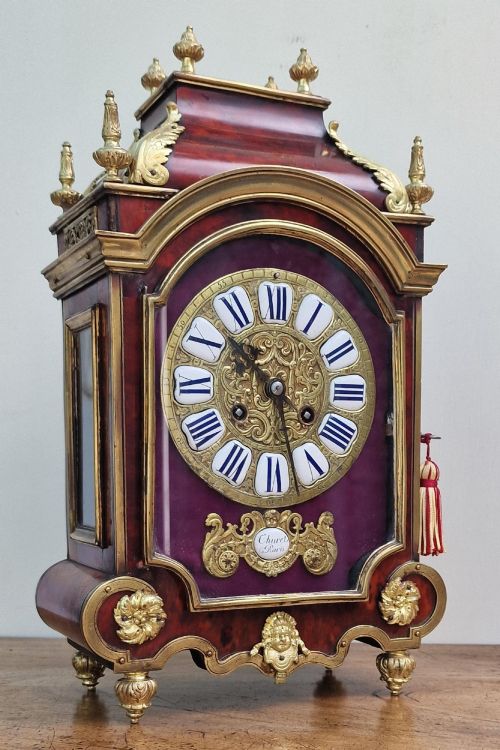
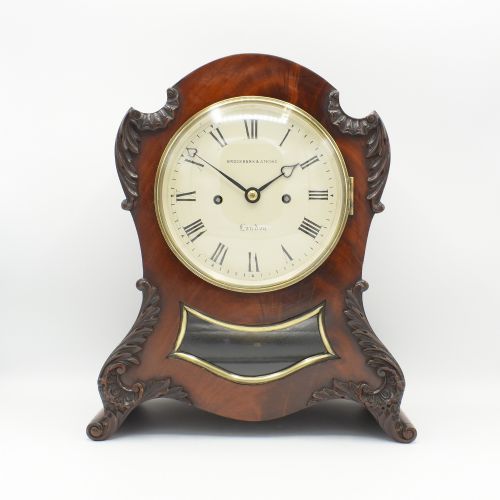
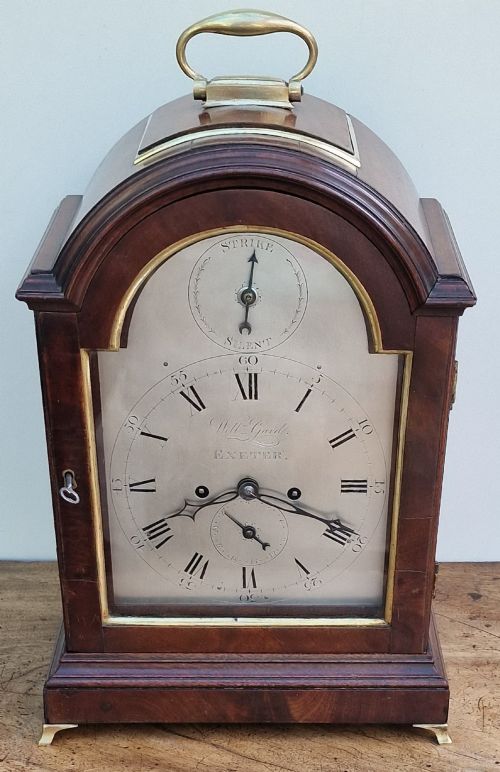
When searching for an antique clock with bracket, collectors encounter portable timepieces that span from the eighteenth century into the twentieth, often accompanied by a matching shelf for wall mounting. The selection ranges from English fusee designs housed in mahogany, oak or ebonised wood to French boulle tortoise shell and ormolu creations.
The term encompasses both true bracket clocks designed to rest on a dedicated wall bracket and mantel clocks placed upon furniture. Pieces span periods from Georgian and Regency through Victorian, Edwardian and French Rococo Revival, showing variations in size from miniature library clocks to large chiming examples.
How They Were Made
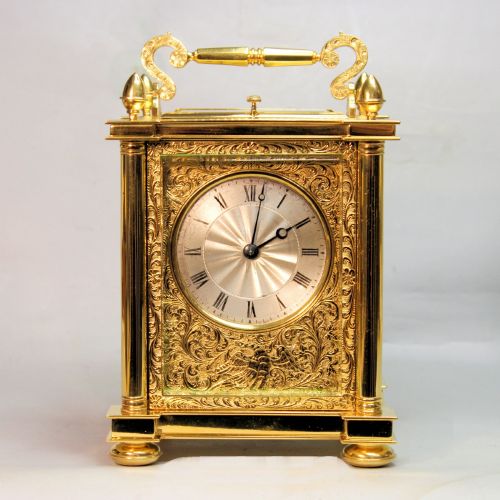
Maker's workshops utilised dense hardwoods including mahogany, walnut, rosewood and ebonised wood, frequently embellished with brass mounts, ormolu, and intricate marquetry or inlay. Cases often feature glass panels to display the dial and movement, with materials like enamel and silvered metal forming the faces.
Internal mechanics rely on fusee, verge, anchor or platform escapements, driving striking, chiming or alarm complications through intricate brass gear trains. Bell-top and architectural case structures demand precise woodworking to house heavy metallic movements securely.
Some timepieces arrived with travel credentials, including miniature library clocks built with leather cases for gentlemen on the move.
What Varies in Quality
The standard of a piece depends upon the crispness of the case carving, the preservation of original veneers such as tortoise shell or mahogany, and the complexity of the movement. Examples featuring signed dials by notable makers alongside matching original wall brackets command greater distinction.
Integrity of components marks the division between ordinary production and superior craftsmanship. Original escapements, clean silvered dials, and undamaged brass or ormolu mounts indicate a higher tier of horological heritage.
Lenzkirch·Leon Message·Jollet et Cie·John Seddon·John Evans of Handsworth·John Ellicott·Joseph Lum·James McCabe·John Grant·Charles Absolon·Lenoir Paris·A D Mougin
The Antique Clock with Bracket Glossary
- Fusee
- A conical pulley used in spring-driven clocks to equalise the torque of the mainspring as it unwinds. This mechanism helps the clock maintain consistent timekeeping throughout its running cycle.
- Escapement
- The mechanical linkage that controls the rotation of the gear train by releasing the escape wheel tooth by tooth. Common variations include verge, anchor and pinwheel mechanisms.
- Ormolu
- Gilded bronze ornamentation applied to clock cases, particularly popular in French Rococo and Empire styles. The technique involves applying finely ground gold-mercury amalgam to cast bronze.
- Boulle
- A type of marquetry using brass and tortoise shell inlaid in contrasting patterns, named after the French cabinetmaker André-Charles Boulle. It is frequently seen on French bracket clock cases.
- Silvered metal
- A metallic dial surface treated with a silver compound to create a matte, reflective finish for engraved numerals and markings.
Antique Clock with Bracket: Frequently Asked Questions
How do I mount a wall bracket?
A true bracket clock sits upon a matching wall-mounted shelf designed to bear the weight of the wooden case and heavy metallic movement. Secure the wooden bracket firmly into structural wall studs using appropriate fixings before placing the timepiece upon it.
Ensure the shelf is perfectly level to allow the pendulum and escapement to operate without interference. Many historical pieces include the original bracket intended specifically for that case.
What is a fusee movement?
A fusee is a conical pulley connected to the mainspring by a fine chain or gut line, designed to maintain even power delivery as the spring unwinds. This traditional mechanism improves timekeeping accuracy across the duration of the wind.
Clocks featuring single or twin fusee movements are typically associated with higher-grade English horology from the eighteenth and nineteenth centuries.
How do I date a bracket clock?
Dating involves examining the case style, wood types, dial materials, and the maker's signature engraved on the movement backplate. Georgian and Regency examples often feature mahogany cases with bell tops, while Victorian and Edwardian pieces show diverse stylistic revivals.
Horological records and makers' marks help narrow down the period of production, though movements were sometimes updated or repaired over long working lives.
Where should I place a bracket clock?
Position the clock away from direct sunlight, central heating vents, and damp areas to protect vulnerable wood veneers, brass, and internal steel components. A stable mantelpiece, sturdy sideboard, or dedicated wall bracket provides a secure foundation.
Keep the timepiece on a level surface so the pendulum or balance wheel beats evenly, ensuring reliable daily operation.