
Antique Clear Glass Drinking
These antique clear glass drinking vessels span from eighteenth-century balustroid wine glasses to twentieth-century cocktail shakers, offering tactile connection to historical social rituals.
Antique Clear Glass Drinking
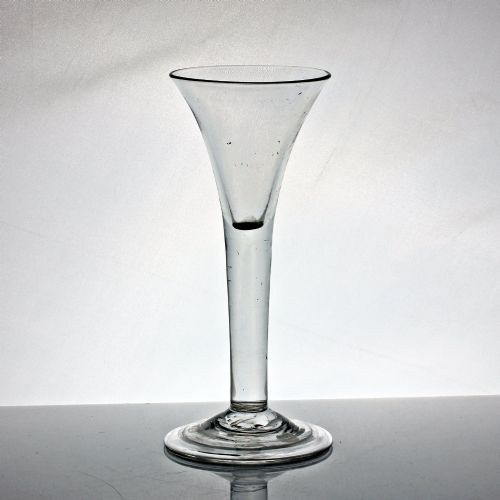
When you search for antique clear glass drinking, you encounter an array of utilitarian vessels designed for wine, ale, spirits, and water. These pieces range from delicate mid-eighteenth-century dram glasses with folded feet to substantial Victorian rummers and matching suites of twentieth-century tumblers.
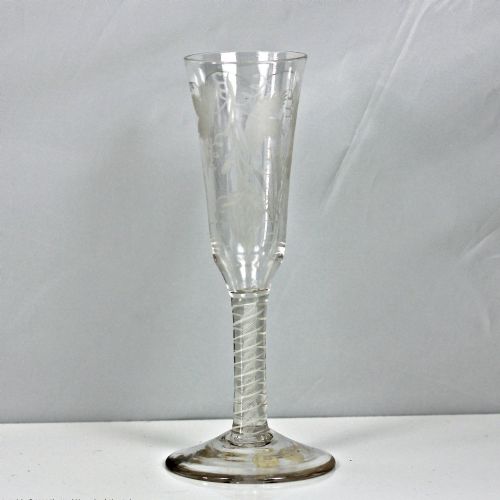
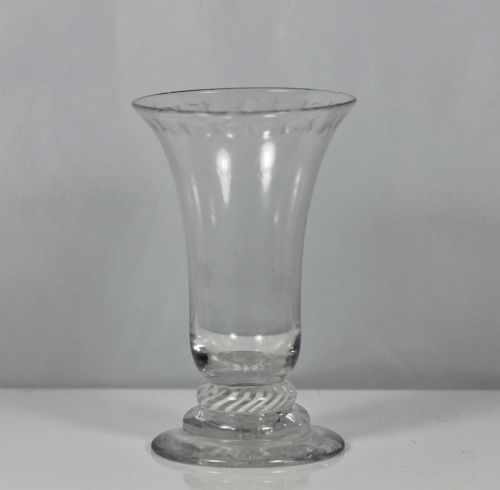
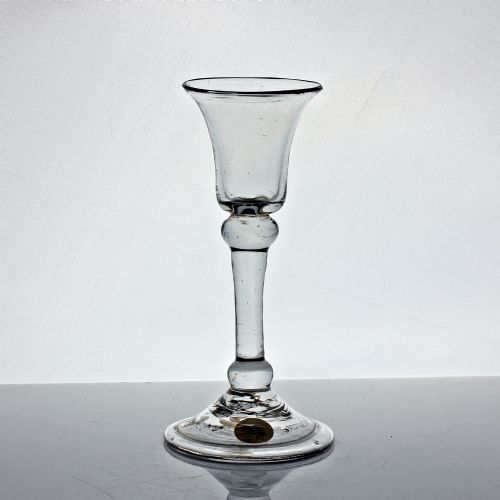
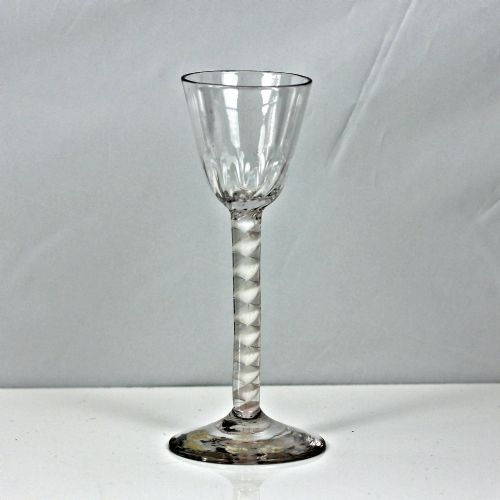
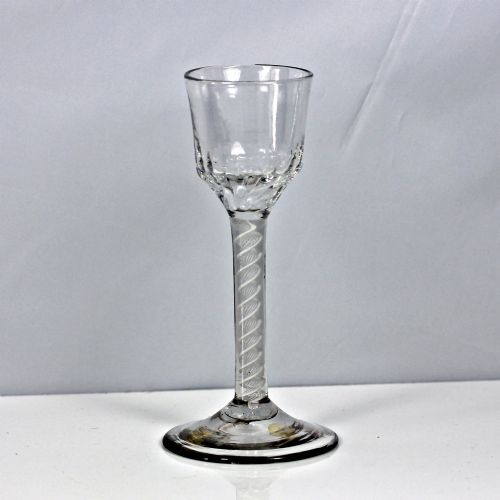
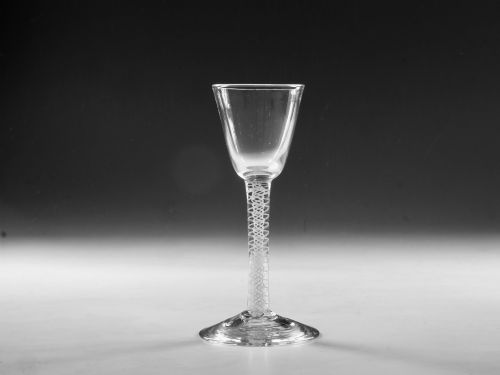
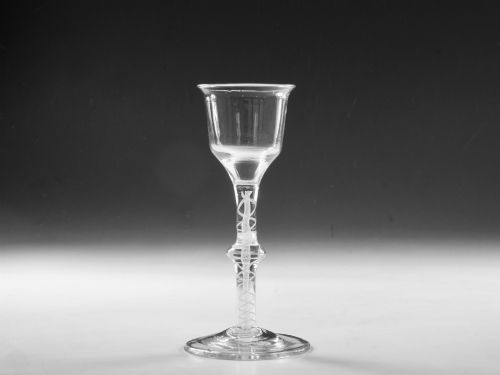
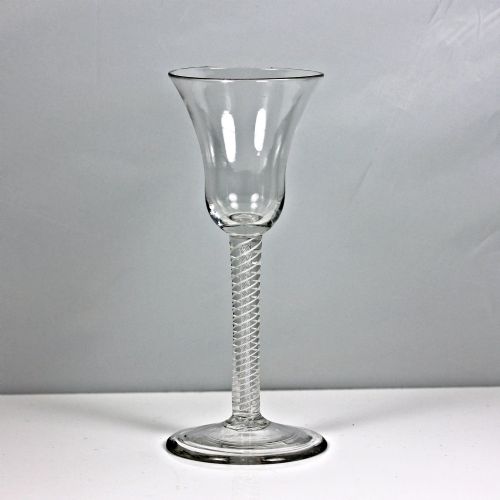
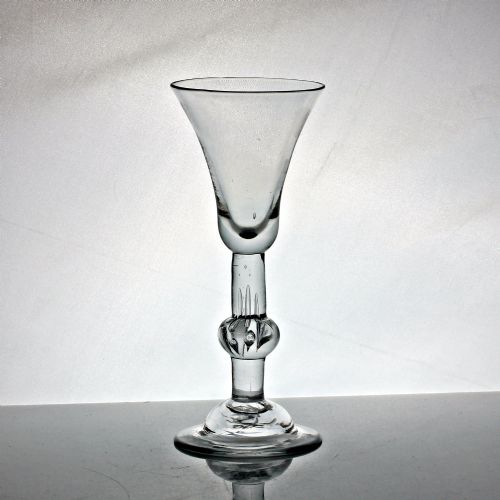
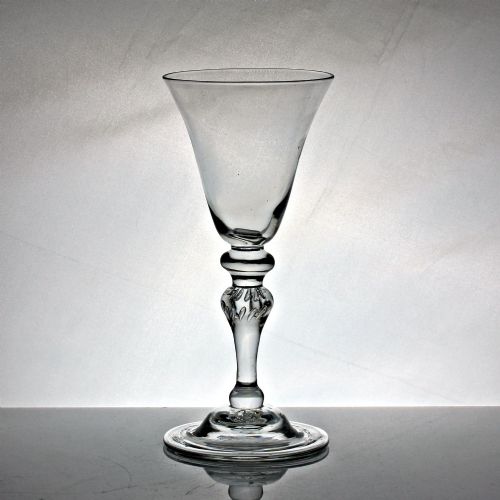
The material inventory on this page is dominated by lead glass, flint glass, and lead crystal, shaped into forms such as firing glasses, jelly glasses, goblets, and decanters. Georgian examples featuring air twist and opaque twist stems frequently appear alongside later Victorian and Edwardian services.
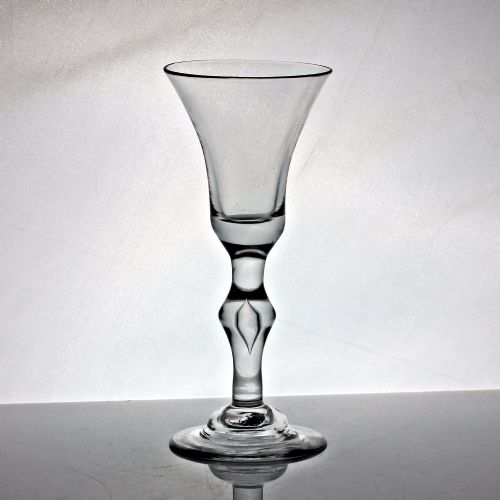
Originating predominantly from English and French workshops, these drinking vessels capture shifts in manufacturing from artisanal hand-blown stems to moulded and acid-etched crystal suites. Collectors navigate an extensive timeline that moves from the heavy baluster stems of the seventeen-forties to the sleek geometric lines of nineteen-thirty Art Deco.
Materials and methods of formation
Makers utilised lead glass and flint glass to achieve high refractive brilliance and weight, essential properties for sparkling table services. Workers manipulated molten batches by hand, blowing vessels into moulds or drawing stems out from the bowl while hot.
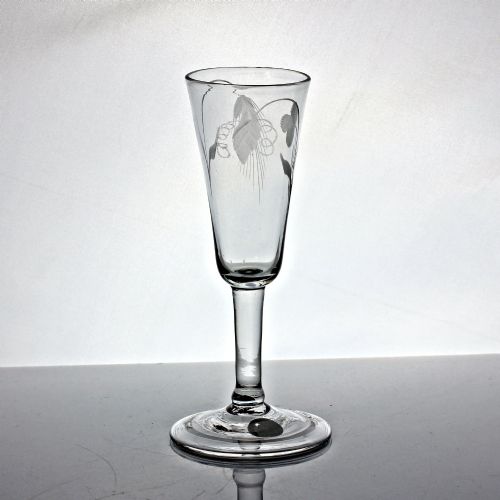
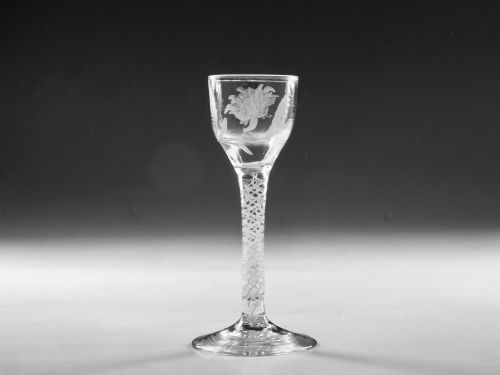
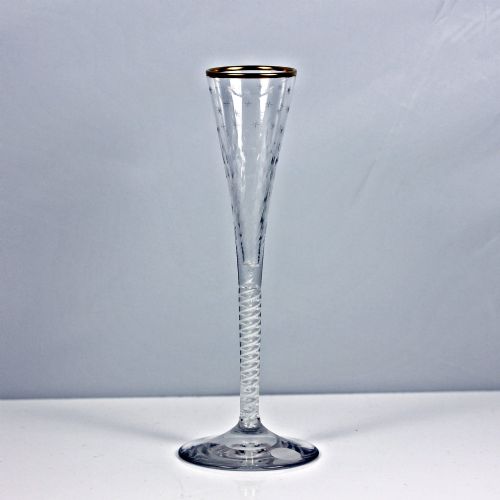
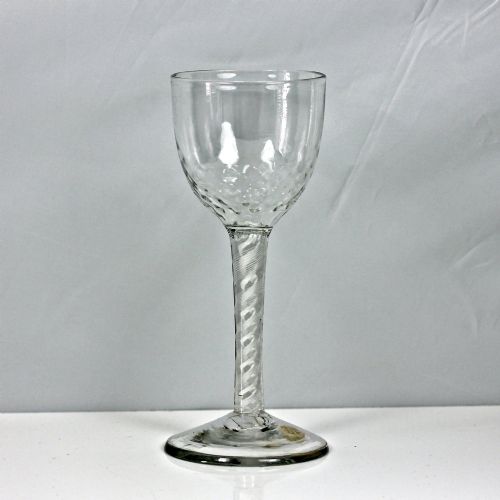
Decoration relied on skilled hand techniques including wheel engraving, acid etching, and faceted cutting. Twist stems were formed by trapping air threads or white opaque enamel rods within the molten metal before drawing and twisting the stem.
Listings feature lead crystal, flint glass, and enamel materials spanning the Georgian, Victorian, and Art Deco periods.
Distinguishing quality across periods
Superiority in these drinking vessels rests upon the clarity of the metal, the crispness of the wheel engraving, and the structural balance of the form. Earlier eighteenth-century pieces demonstrate exceptional dexterity in delicate stem drawing and thin-walled bowl blowing.
Consistency defines matched sets from the nineteenth and twentieth centuries, where uniformity in height, bowl capacity, and decorative etching marks higher-grade commercial production. Hand-finished details, such as polished pontil marks and carefully folded feet, elevate individual items above standard utilitarian output.
The Antique Clear Glass Drinking Glossary
- Lead glass
- A heavy, highly refractive type of glass containing lead oxide, which allows for deep cutting and brilliant clarity. It forms the foundation of many quality British drinking vessels from the eighteenth century onward.
- Pontil mark
- The rough scar left on the base of a blown glass vessel where the punty rod was detached. Its presence, often ground or polished smooth, helps confirm hand-blown manufacture.
- Air twist
- A decorative stem feature containing internal spiral threads of trapped air created by drawing canes of bubble-containing glass. It is a hallmark of mid-eighteenth-century English wine glass production.
- Opaque twist
- A stem enclosing white or coloured enamel glass threads twisted into intricate internal threads. These were produced extensively during the Georgian period.
- Rummer
- A capacious drinking glass popular from the late eighteenth through the nineteenth century, typically featuring a short stem and a bucket or ogee bowl used for ale, wine, or punch.
- Folded foot
- A base edge turned under while the glass is hot to create a thickened rim and greater stability. This technique is frequently observed on eighteenth-century dram and ale glasses.
Antique Clear Glass Drinking: Frequently Asked Questions
How do I date an old drinking glass?
Dating relies on observing a combination of form, stem construction, bowl shape, and base characteristics. Eighteenth-century examples often display pontil marks, folded feet, and air or opaque twist stems.
Later Victorian and twentieth-century pieces typically exhibit machine-molded uniformity, heavier lead crystal weights, or characteristic Art Deco silhouettes and acid-etched decoration.
Were these vessels used every day?
Many of these pieces served active roles in domestic dining, taverns, and social clubs, fulfilling specific functions for wine, ale, whisky, and drams. Robust forms like rummers and heavy tumblers endured frequent handling during communal gatherings.
More delicate items, such as multi-spiral air twist wine glasses, were reserved for formal dining and special toasts, reflecting the stratified social rituals of the Georgian era.
What is a firing glass?
A firing glass is a small, sturdy drinking vessel featuring an exceptionally thick, heavy foot base. The name derives from the sharp metallic sound the heavy base made when banged on a wooden table instead of being toasted.
These pieces were utilised during lodge meetings, political gatherings, and celebratory dinners throughout the eighteenth century, where collective table-bumping formed part of the ceremony.
Can I use antique glassware for drinks?
Most sturdy lead glass and crystal drinking vessels remain structurally capable of holding liquids for modern use. Owners should exercise caution with fragile eighteenth-century stems and thin-walled dram glasses.
Hand washing in lukewarm water without abrasive detergents preserves the historical glass surface and any subtle wheel engraving from unnecessary wear.