

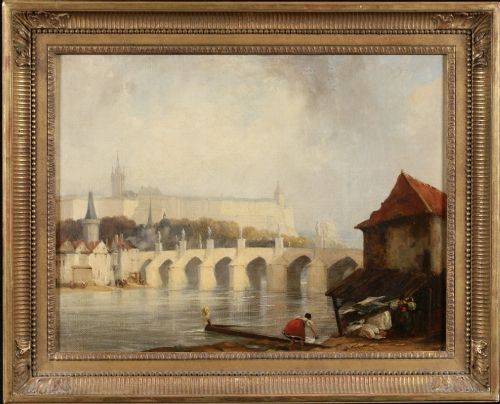


Antique City Painting
An antique city painting captures urban streets, canals, and architectural landmarks from earlier centuries on canvas, paper, or wood.
Antique City Painting
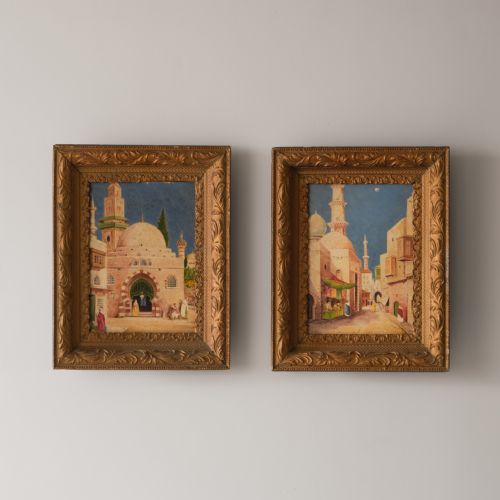
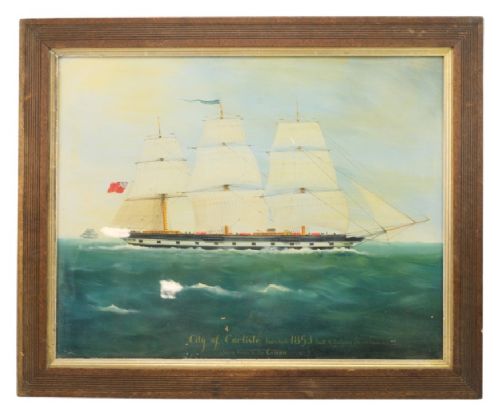
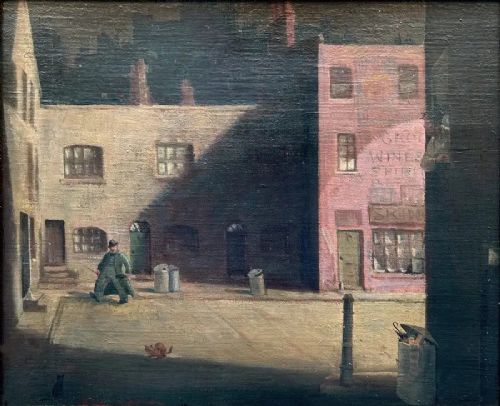
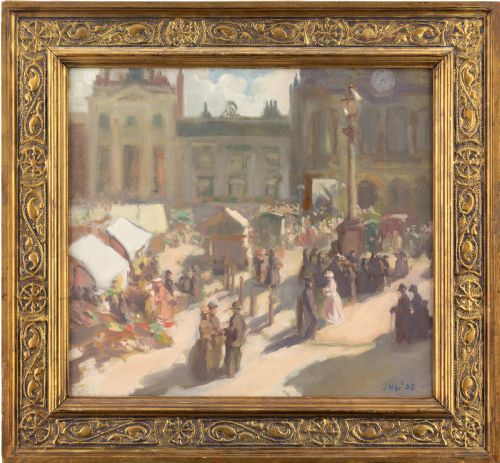
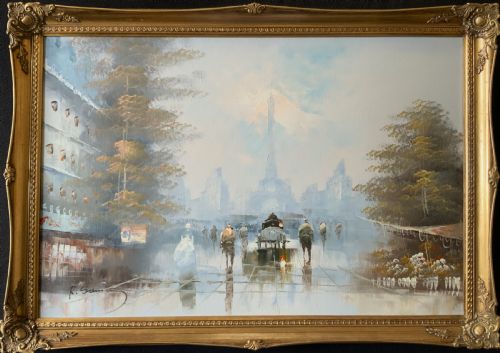
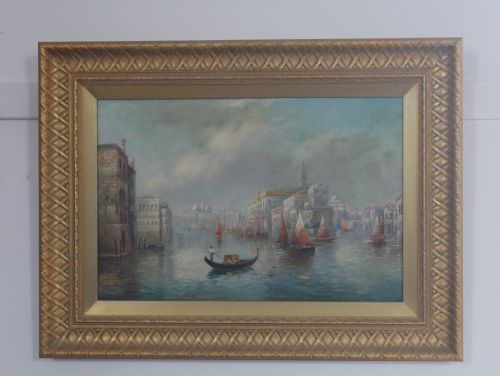
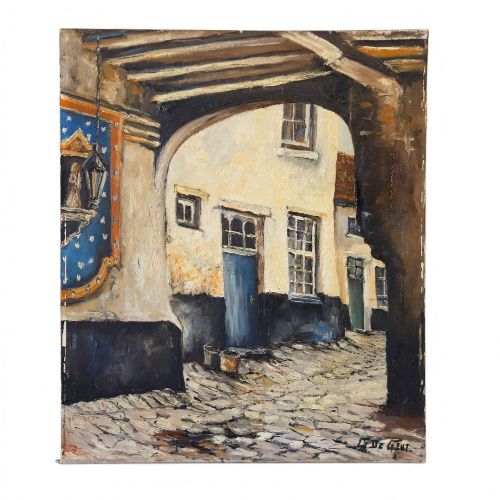
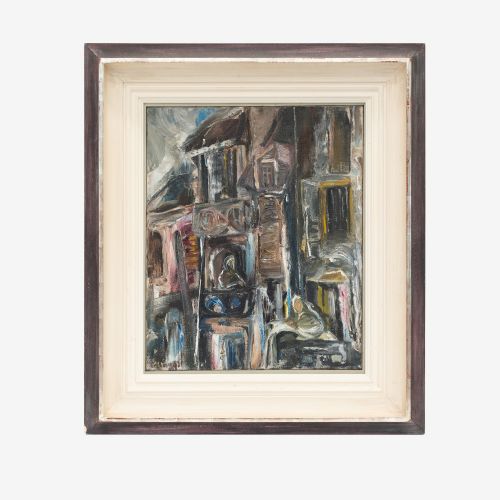
An antique city painting records urban environments, streets, and riverways across domestic and international locations. These works span the eighteenth, nineteenth, and early twentieth centuries, capturing recognisable landmarks and everyday municipal life. The selection here brings together views ranging from British market towns and London thoroughfares to continental destinations like Venice, Paris, and Prague.
Buyers encounter two primary mediums when browsing these townscapes: watercolours on paper and oil paintings on canvas or board. Smaller watercolours often record domestic street scenes, while larger oil works typically depict expansive architectural vistas, canals, and civic squares. Many retain their original frames, preserving the historical context of the period in which they were painted.
How They Were Made
Artists painted these urban views using oil paint or watercolour applied to prepared canvas, wood panels, or heavy paper. Oil on canvas allowed for rich layering and deep colour, particularly suited to grand architectural scenes and atmospheric lighting effects. Watercolour pigment mixed with water provided a fluid medium for capturing swift impressions of bustling streets and changing weather.
Framing typically involved carved wood, often highlighted with gilt or gold leaf to complement the composition. Support materials varied from stretched canvas over wooden stretchers to sturdy card and ivory sheets used for miniature topographical studies.
Keep an eye out for hidden milk maids, stray cats, and chatty surveyors bustling quietly among the historic masonry.
What Varies in Quality
Quality in an antique city painting rests upon the artist's command of perspective, draughtsmanship, and atmospheric light. Skilled painters render complex architectural masonry, reflections on water, and human figures with a convincing sense of proportion and movement. Weaker examples often rely on rigid, formulaic layouts and flat application of pigment.
The survival of the original surface condition also marks the standard of a piece. Works that retain their vibrant unblemished pigments and appropriate period framing command greater regard than those compromised by heavy restoration, fading, or surface damage.
Francisco Sancha·John Hodgson Lobley·Albert Ludovici Jnr·Victor Gabriel Gilbert·William Manners·Charles James Lauder·Hein Hoppmann·Rowland Henry Hill·Eduard Leon Cortes·Walter Meegan·Alfred Pollentine·Noel Harry Leaver·John Cawthorn·GH Thompson·Jane Vivian·Fred Lawson·Frances E Nesbitt·Tom Dudley·Matthew Hale·Walter Duncan·William Marlow·William James Boddy·Phil Smith·Thomas Matthews Rooke·Charles James Keats
The Antique City Painting Glossary
- Grisaille
- A painting executed entirely in shades of grey, neutral grey, or monochromatic tones, often used for preparatory works or architectural studies. This technique creates a sculptural effect resembling stone carvings.
- Provenance
- The documented history of ownership surrounding a work of art from its creation to the present day. Clear provenance establishes authenticity and traces the journey of a painting through collections.
- Impressionism
- An art style characterised by relatively small, thin, yet visible brush strokes and an open composition emphasising accurate depiction of light. British and European painters applied these principles to capture modern urban life.
Antique City Painting: Frequently Asked Questions
How do I date an antique city painting?
Dating relies on architectural clues, clothing styles of figures within the scene, and any signatures or inscriptions recorded on the canvas or verso. Costume changes and the presence or absence of specific civic structures help narrow down the decade of creation.
Signatures, artist records, and gallery labels provide further documentary evidence. Comparing the handling of paint and support materials with dated examples by the same school offers additional confirmation.
Where should I hang a townscape painting?
These works suit drawing rooms, studies, and hallways where adequate wall space allows for comfortable viewing of architectural details. Placing them away from direct sunlight protects watercolours and oil pigments from fading over time.
Pairing a framed urban view with traditional interior furnishings enhances its historical character. Ensuring stable room humidity prevents warping of wooden panels and degradation of paper supports.
What is the difference between oil and watercolour city views?
Oil paintings utilise suspended pigments in drying oils on canvas or wood, offering rich textures and deep tonal ranges. They were traditionally favoured for substantial compositions depicting grand public squares and busy waterways.
Watercolours employ water-soluble pigments on paper, producing luminous, transparent effects well-suited to rapid topographical recording. These works are typically mounted under glass to protect the delicate paper surface.
How do I care for a framed antique painting?
Maintenance involves dusting frames gently with a soft, dry brush and keeping the artwork away from sources of excessive heat or moisture. Glass-fronted watercolours require particular attention to prevent condensation accumulation.
Professional conservators should handle any structural repairs to canvas tears, frame separation, or surface cleaning. Regular inspection of the backing boards helps ensure dust and insects do not reach the reverse of the canvas.