
Antique Chinoiserie Light
An antique chinoiserie light brings hand-painted lacquer, porcelain, and gilt bronze together to illuminate a room with deliberate theatricality.
Antique Chinoiserie Light
An antique chinoiserie light encompasses table lamps, standard lamps, and wall sconces that interpret East Asian decorative motifs through European craftsmanship. These pieces span from the eighteenth century through the Edwardian era and into the nineteen-thirties, drawing on styles ranging from Georgian and Regency to French interpretations.
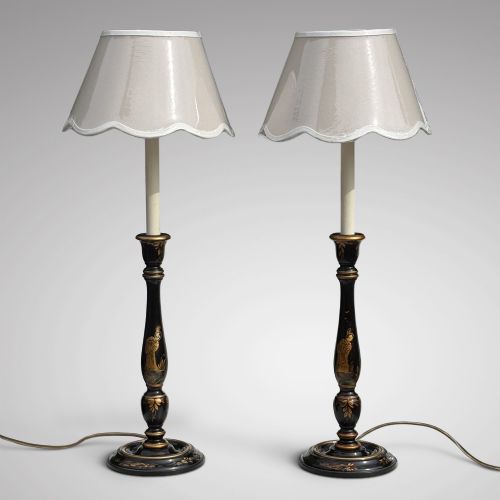
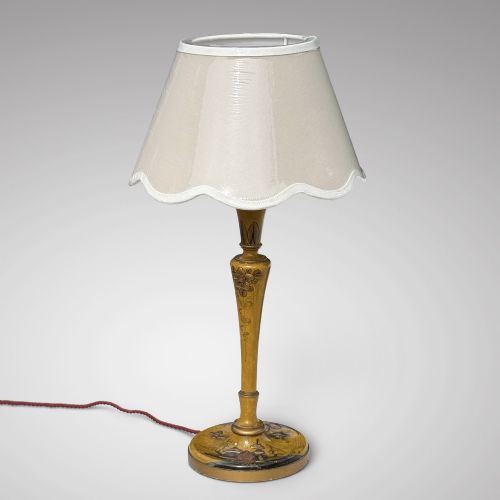
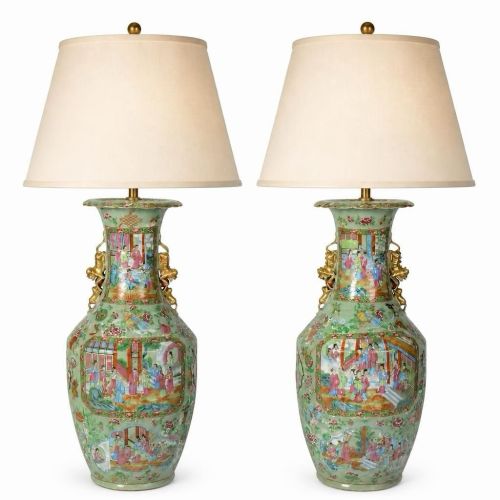
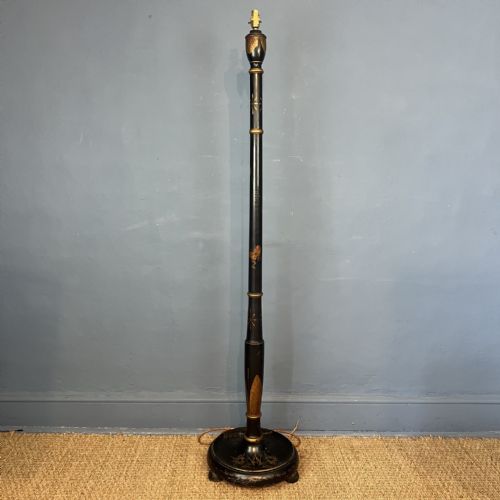
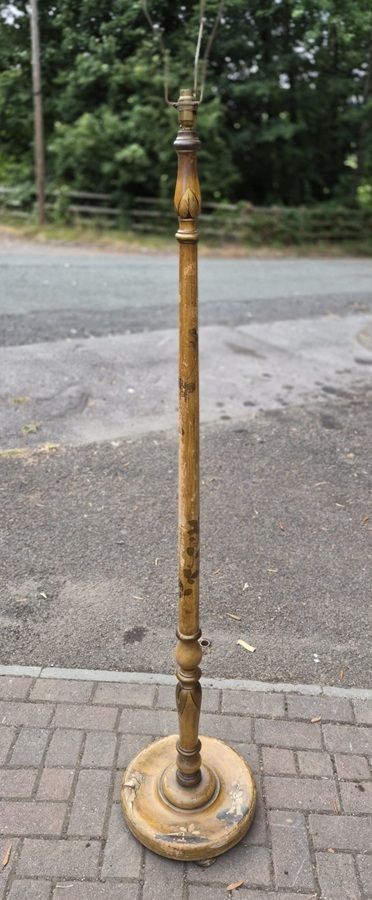
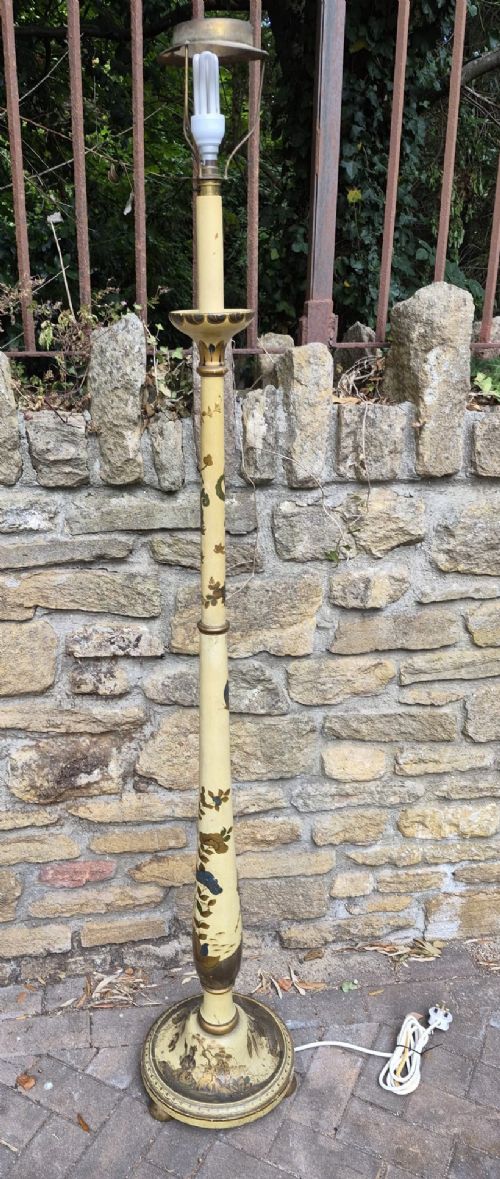
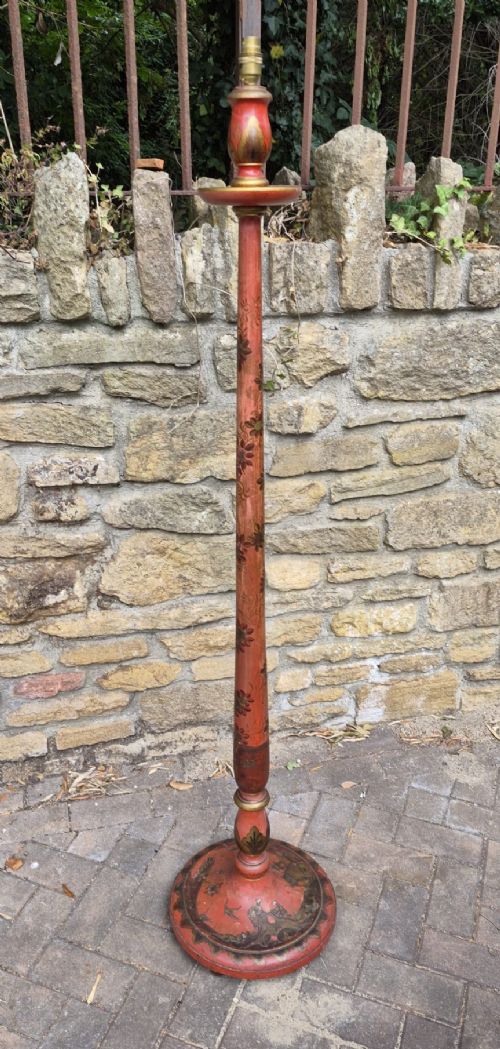
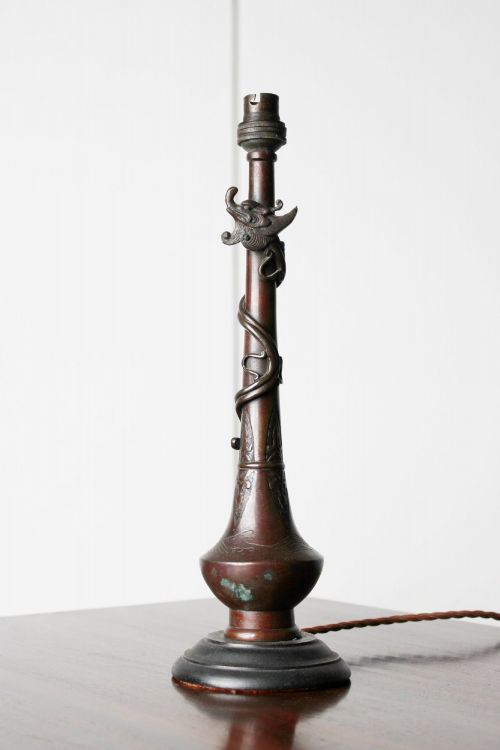
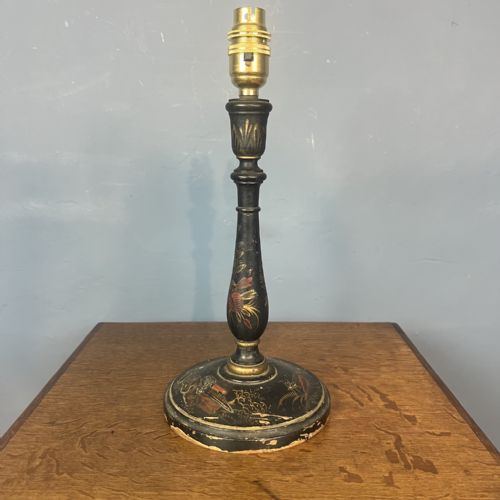
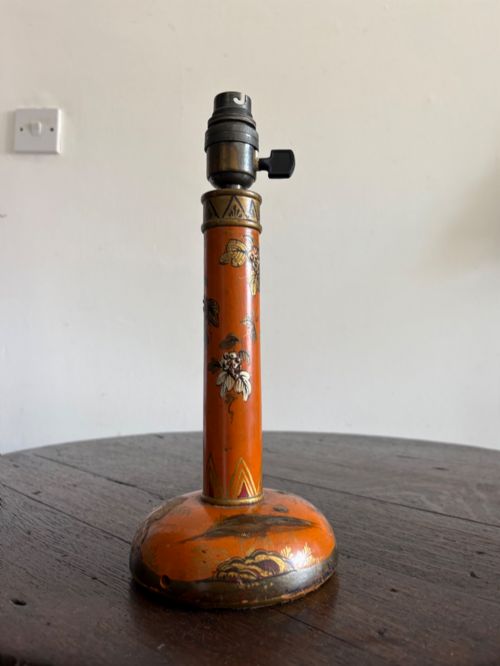
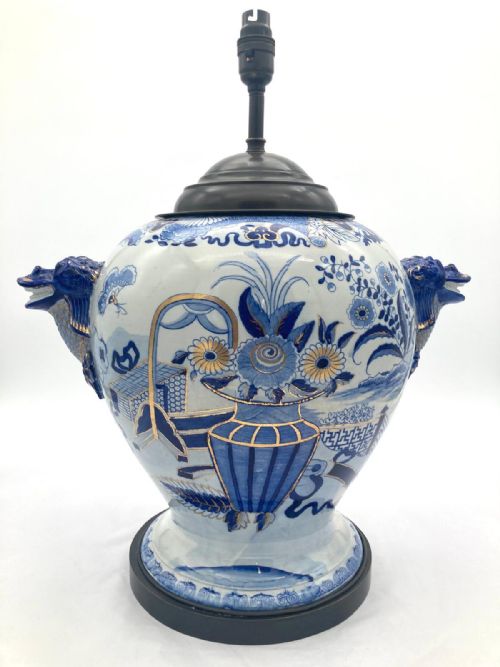
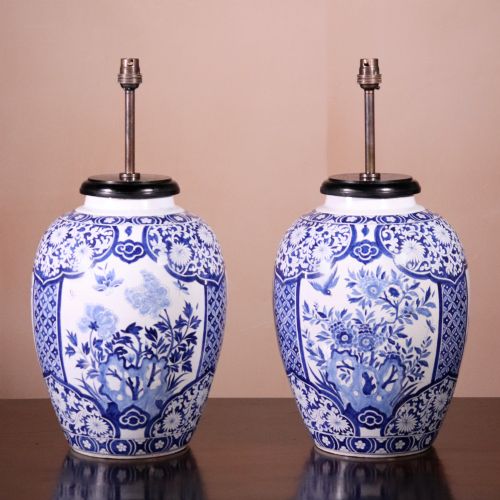
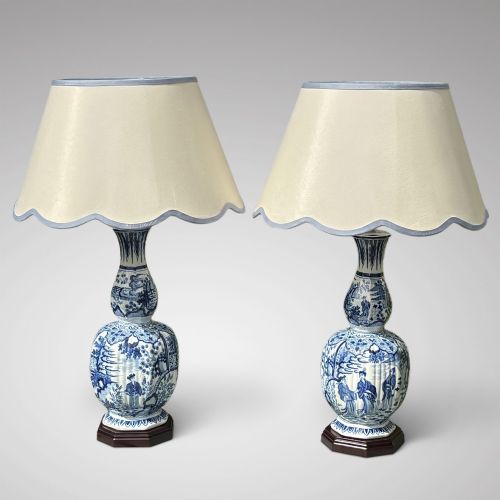
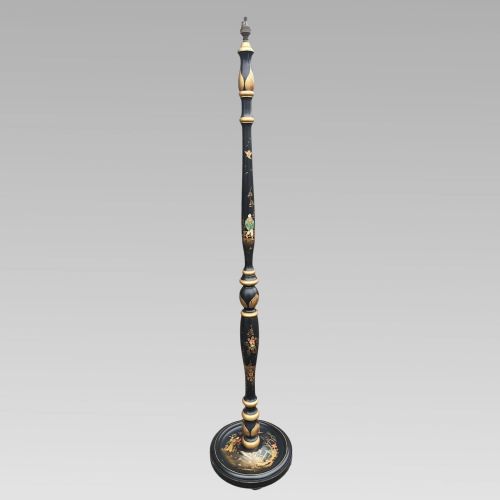
The most common examples on this page are table lamps and standard lamps finished in black, crimson, ochre, or mandarin orange lacquer. Many of these lighting fixtures began life as porcelain vases, tea canisters, or Delft jars before being converted for electrical use.
How they were made
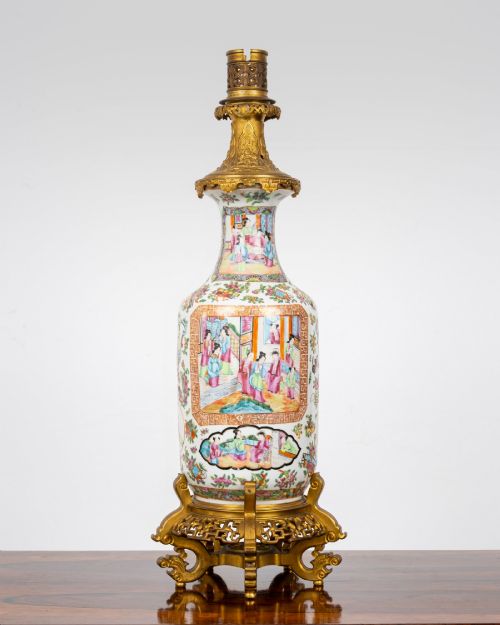
Wood and metal serve as the primary substrates for lacquer work, built up in multiple coats to create deep, reflective surfaces that accept hand-painted gilt ornamentation. Porcelain elements, including Rose Medallion and blue and white jars, frequently feature hand-applied decoration combined with cast bronze or gilt brass mounts.
Makers utilised patinated white metal, bronze, and ormolu alongside traditional timber and ceramic bodies to construct these fittings. Wiring and electrical components represent later additions to bodies originally designed for candles, oil, or gas.
Listings span from the eighteenth century to the nineteen-thirties, incorporating materials like brass, porcelain, and lacquer.
What varies in quality
The quality of an antique chinoiserie light rests in the depth of the lacquer surface and the precision of the hand-painted motifs. Superior examples display crisp detailing and well-balanced proportions between the decorative body and the supporting base.
Material integration dictates the standard of execution, particularly where porcelain bodies meet cast bronze or gilt mounts. Hand-painted work executed with fine brush control separates standard production pieces from finer studio interpretations.
Hicks and Meigh
The Antique Chinoiserie Light Glossary
- Standard lamp
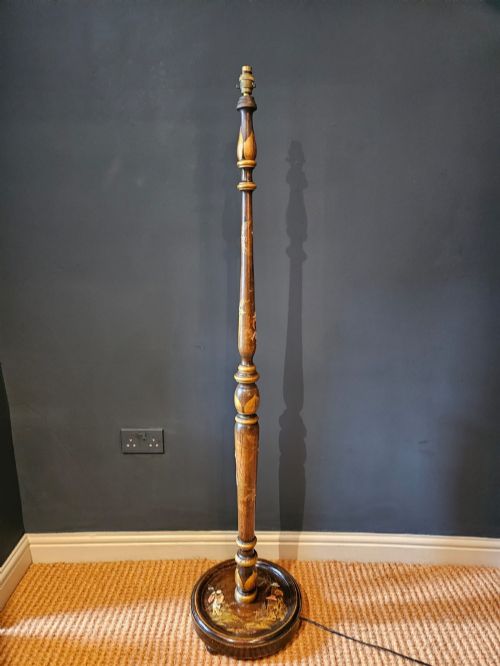
- A tall floor-standing lighting fixture designed to illuminate a room from a corner or beside seating. These pieces often feature turned wooden shafts or decorated lacquer columns.
- Ormolu
- Gilt bronze mounts applied to furniture, ceramics, and lighting fixtures. The technique involves finishing cast bronze with a finely ground gold-mercury amalgam.
- Famille rose
- A palette of Chinese porcelain enamels dominated by opaque pink or rose colours, introduced in the eighteenth century. This glaze work frequently appears on vases subsequently converted into lamps.
Antique Chinoiserie Light: Frequently Asked Questions
What is an antique chinoiserie light?
An antique chinoiserie light is a lamp, sconce, or standard light decorated with European interpretations of East Asian motifs. These pieces utilise materials such as lacquer, porcelain, and bronze.
Many examples repurpose earlier ceramic vessels, including tea canisters and vases, turning them into functional lighting while retaining their decorative value.
How do I date an Edwardian standard lamp?
Edwardian standard lamps date from the early twentieth century, specifically between nineteen hundred and nineteen ten. They often feature black or coloured lacquer finishes with hand-painted details.
Examining the wiring cavity, timber shrinkage, and base construction helps distinguish these pieces from later nineteen-thirties reproductions.
Were these always electric lamps?
Most antique chinoiserie lamps started as other objects, such as vases, jars, or oil lanterns. Conversion to electricity generally occurred during the twentieth century.
Original mounts designed for candles or oil occasionally remain visible beneath the later electrical fittings and shade carriers.
How do I clean a lacquered lamp?
Lacquered surfaces require gentle dusting with a dry, soft microfibre cloth to protect the delicate painted finish. Moisture and chemical polishes can damage the aged varnish.
Keeping these lamps away from direct sunlight preserves the rich tones of black, crimson, and ochre lacquer work.