
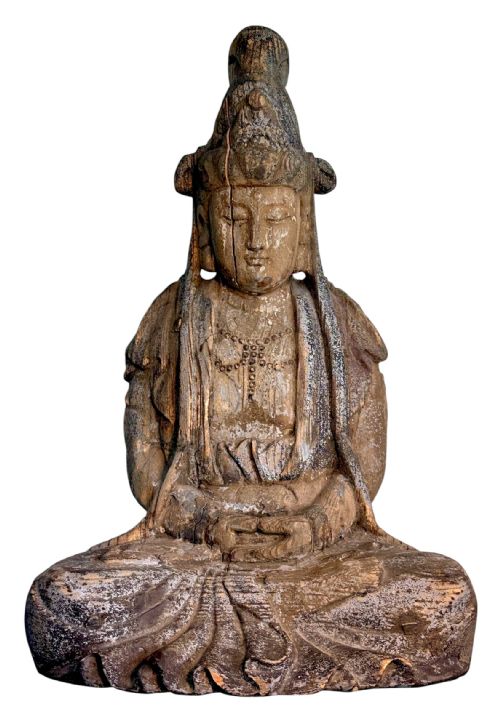


Antique Chinese Wood Figures
These antique chinese wood figures bridge centuries of craftsmanship, offering carved depictions of deities, scholars, and mythical beasts that enrich any interior.
Antique Chinese Wood Figures
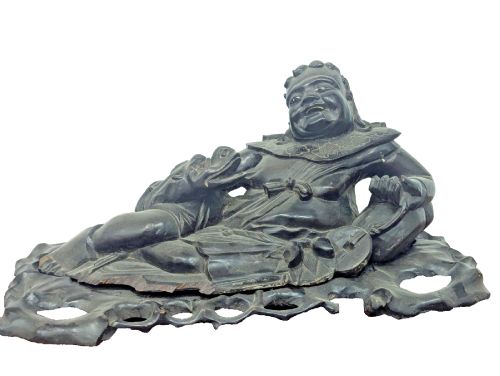
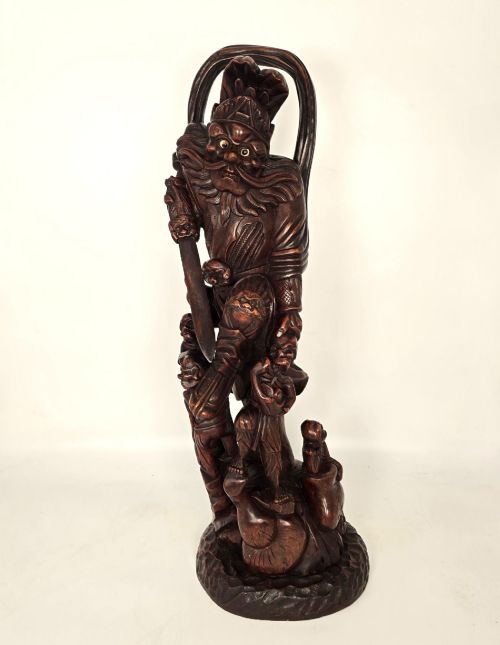
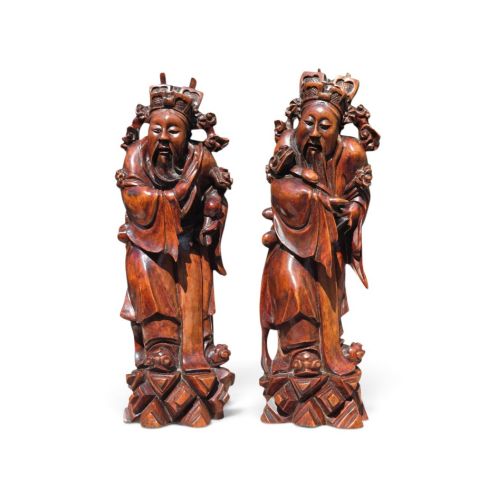
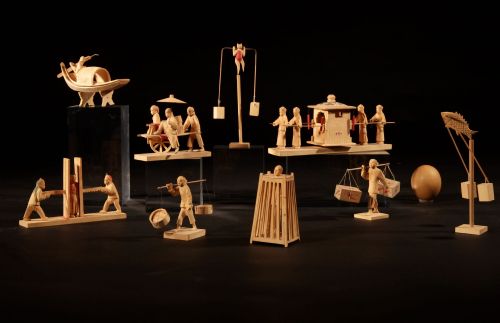
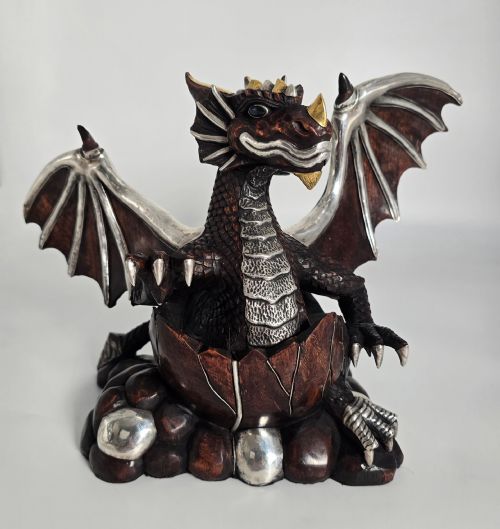
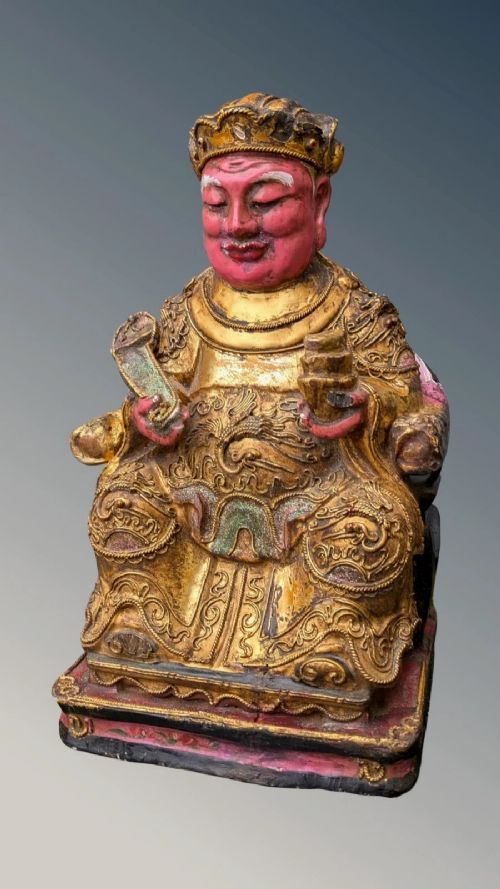
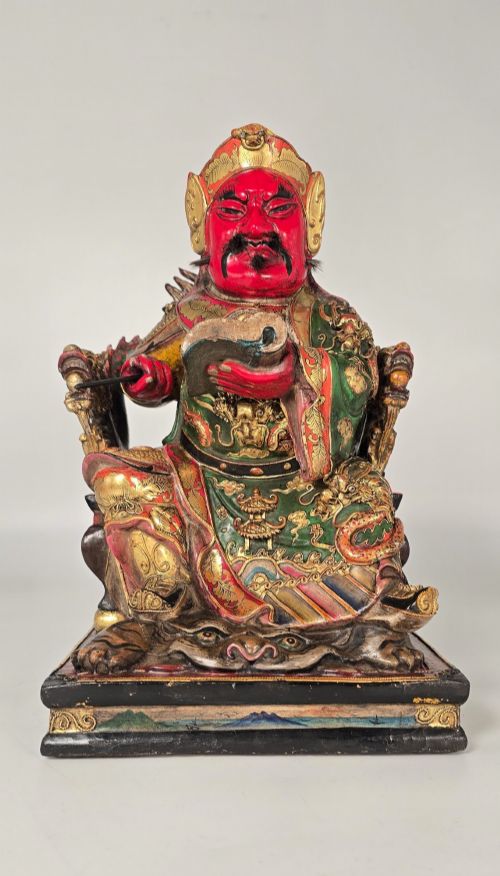
When you search for antique chinese wood figures, you encounter carved representations of Daoist immortals, Buddhist deities, animals, and scholars spanning the Qing dynasty and the early twentieth century.
The versions most commonly met on this page include hardwood sculptures, root wood carvings, and polychrome painted temple figures produced across the nineteenth century.
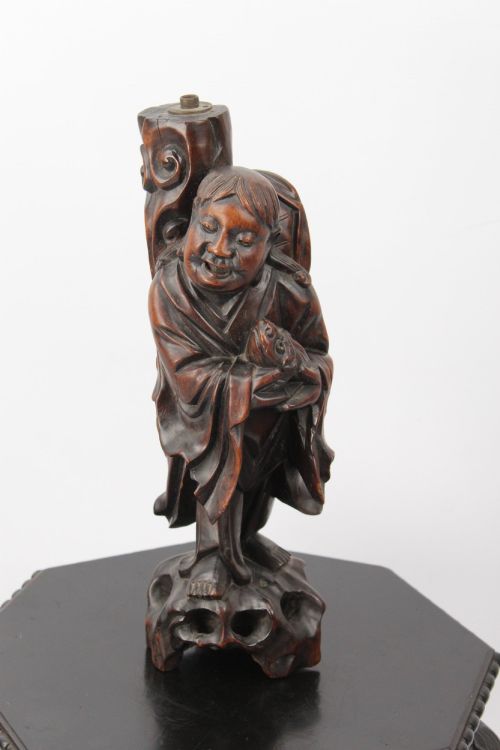
These pieces range from intimate miniature table carvings to monumental temple guardians and table lamps adapted from traditional statuary.
How They Were Made
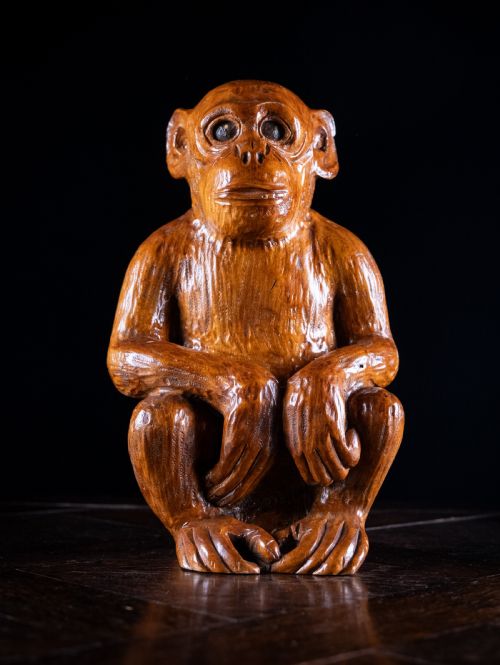
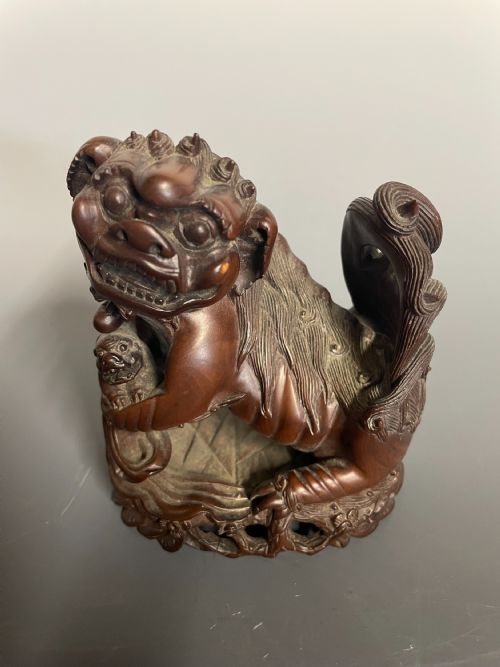
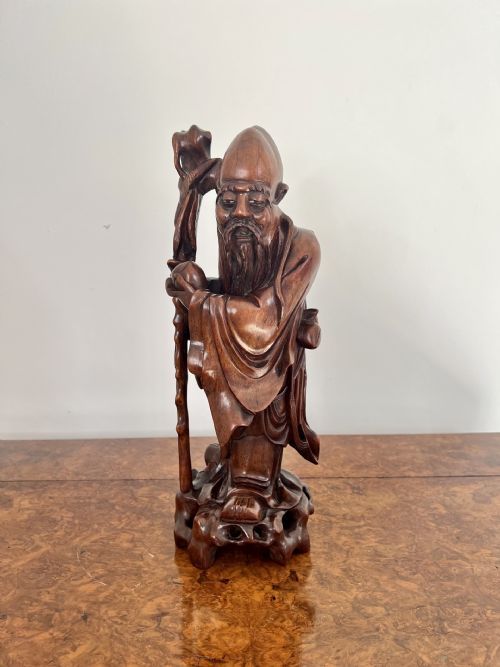
Artisans carved dense hardwoods, fragrant boxwood, and gnarled root wood to follow the natural contours of the material, particularly in depictions of scholars and animals.
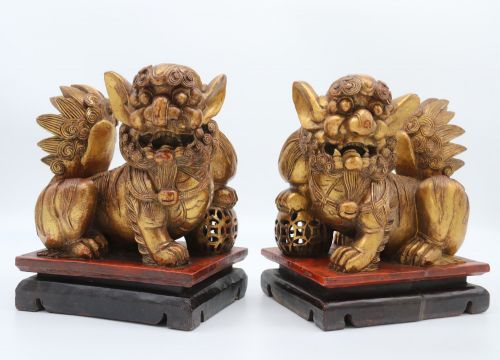
Many sculptures received layers of lacquer, gesso, and gold leaf, while others were hand-painted in polychrome pigments to define robes and facial expressions.
Listings feature materials spanning hardwood, boxwood, root wood, lacquer, gold leaf, gesso, and brass across nineteenth-century and early twentieth-century periods.
What Varies in Quality
Sculptural execution separates standard decorative carvings from exceptional works, visible in the articulation of hands, drapery folds, and facial expressions.
The preservation of original gilding, lacquer, and polychrome paint significantly influences the integrity and visual impact of each figure.
The Antique Chinese Wood Figures Glossary
- Hardwood
- Dense timber such as zitan, huanghuali, or related dense Asian species utilised for detailed carving. These timbers resist warping and hold crisp chisel work over centuries.
- Root wood
- Timber sourced from the gnarled underground growth of trees, shaped by carvers into figures and immortals. Craftsmen incorporated natural knots and twists into the anatomy of the subject.
- Gilt wood
- Wood coated with a thin layer of gold leaf or gold powder. It catches candlelight and adds ritual significance to Buddhist and Daoist figures.
- Daoist Immortal
- A mythical or historical figure who achieved legendary longevity and spiritual purity. They appear frequently in carved groupings with attributes such as peaches or staffs.
Antique Chinese Wood Figures: Frequently Asked Questions
What subjects do these figures typically represent?
These carvings most often depict Daoist immortals, Buddhist deities, scholars, and auspicious animals like Foo dogs and elephants. Each subject carries specific cultural meanings related to longevity, wisdom, and protection.
Craftsmen drew from traditional folklore and religious iconography, rendering figures with distinct attributes such as peach branches, scrolls, or attendants.
How can I distinguish root wood from standard timber carvings?
Root wood carvings utilise the natural, gnarled growth of the tree base, creating twisted forms and irregular textures that carvers integrated into the subject matter. These pieces often feature organic loops and hollows.
Standard timber carvings rely on straight-grained hardwoods like boxwood or heavier regional woods, shaped deliberately by the chisel rather than following pre-existing root contours.
Where were these wooden figures originally displayed?
Many of the larger polychrome and gilt pieces originated in temples, serving as altar guardians or focal points for ritual devotion. Smaller hardwood and root wood carvings were created for scholar's studios and domestic interiors.
Private scholars kept miniature figures on desks or shelves as objects of contemplation, reflecting refined literary tastes during the Qing dynasty.
How should I care for antique wooden sculptures at home?
These figures require stable indoor humidity and protection from direct sunlight to prevent timber splitting and paint fading. Dusting should be done gently with a dry, soft brush.
Avoid placing wooden carvings near heat sources or air conditioning vents, as rapid temperature fluctuations compromise fragile gesso, lacquer, and gold leaf surfaces.