


Antique Chinese Side Cabinet
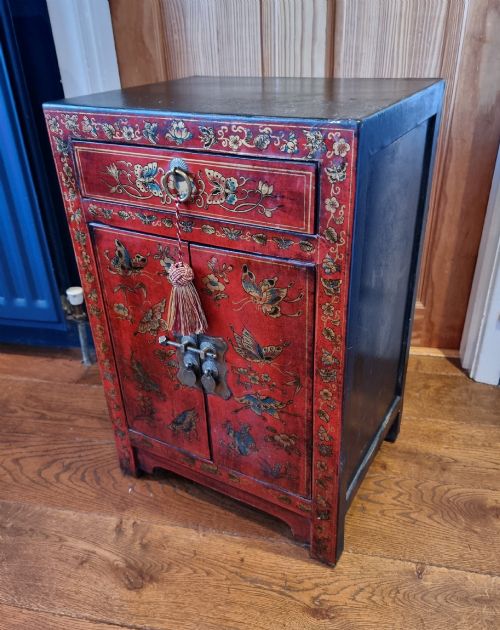
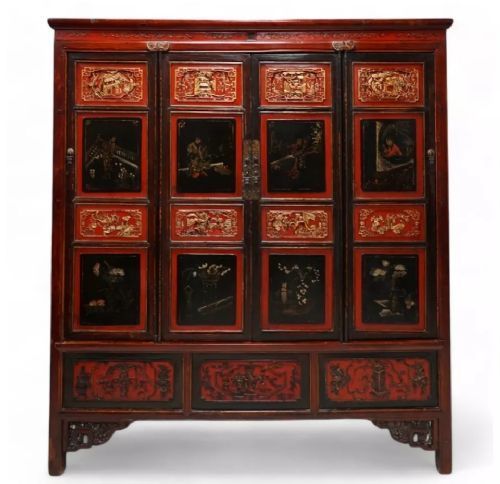
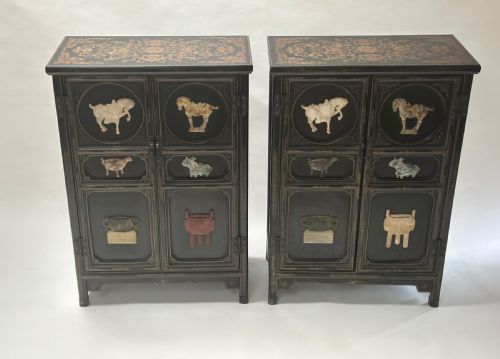
These antique chinese side cabinet pieces combine practical storage with striking painted or carved surfaces, bringing distinct character to a room.
Antique Chinese Side Cabinet
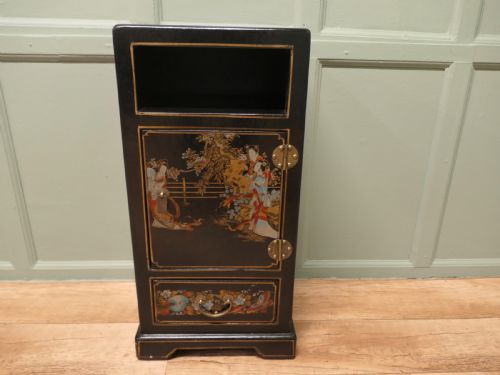
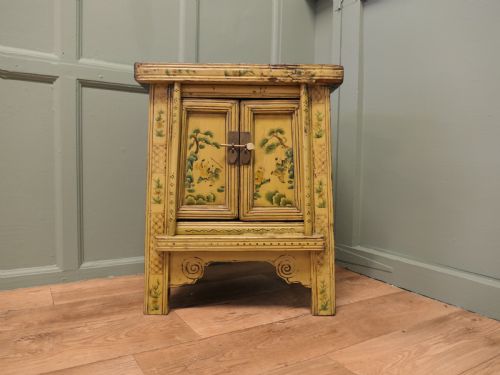
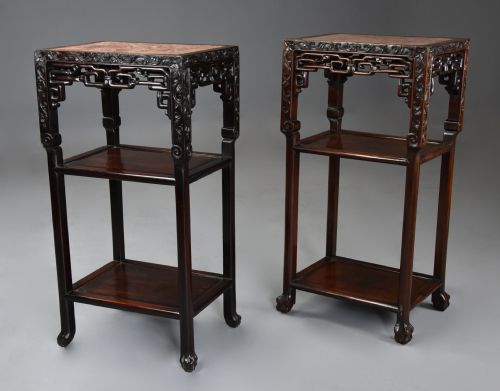
An antique chinese side cabinet serves as a versatile storage piece, drawing on traditions of craftsmanship from the nineteenth and early twentieth centuries. Buyers seeking these items will encounter various forms, including marriage cabinets, side tables, plant stands, and smaller cupboards.
The selection ranges from striking red lacquered surfaces to rich elm and hardwood timbers, often displaying influences from the Qing Dynasty alongside Chinoiserie and Chinese Export styles. Many examples originate from the nineteenth century, extending into the Edwardian era and the nineteen-thirties.
These items function effectively in modern interiors as bedside tables, lamp tables, or compact storage units. The forms vary from low dwarf cabinets to taller wedding cupboards, accommodating different spatial requirements while retaining distinct stylistic roots.
How they were made
Cabinet makers utilised dense timbers such as elm, rosewood, and general hardwood, sometimes incorporating burr elm or locust wood varieties for distinct grain patterns. These sturdy woods provided a durable structural foundation for both small tables and larger storage cupboards.
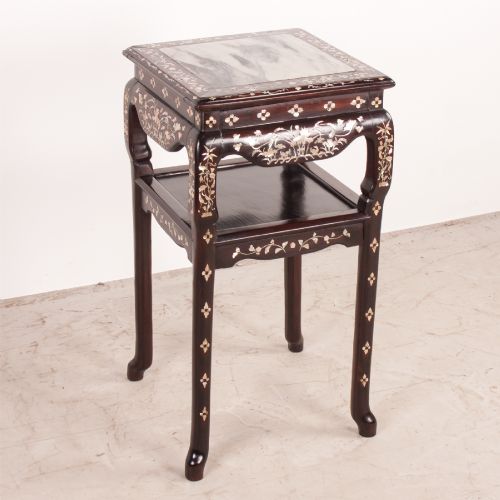
Surface decoration involved sophisticated techniques, including layers of red lacquer, intricate carving, gilding, and the application of mother of pearl inlay. Brass fittings frequently provided functional hardware and contrasting detail against the lacquered or polished wooden bodies.
Some nineteenth century elm dressers secretly doubled as small writing surfaces before finding new life as bedside tables.
What varies in quality
The sophistication of the surface ornamentation defines the upper tier of these pieces, particularly where artisans applied deep relief carving, detailed gilding, or careful mother of pearl inlay. Simpler painted finishes or plain timber surfaces represent a more restrained aesthetic.
Material selection also distinguishes the range, with dense rosewood and figured elm commanding attention alongside standard hardwoods and lacquered softwoods. The precision of the joinery and the integrity of the original hardware complete the distinction between standard provincial items and finely worked examples.
The Antique Chinese Side Cabinet Glossary
- Chinoiserie
- European artistic interpretation of Chinese decorative motifs and styles, popular in various periods. This aesthetic often manifests as painted lacquer decoration on cabinets and side tables.
- Lacquer
- A durable finish applied in multiple layers to wood and polished to a smooth sheen. Traditional examples often feature striking red coloration.
- Marriage cabinet
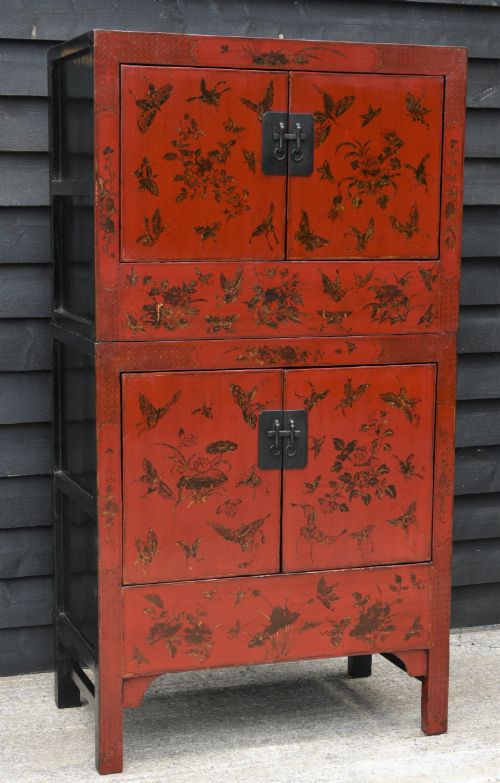
- A traditional large storage cupboard associated with wedding ceremonies and dowries. These pieces frequently display vibrant red lacquer and detailed brass hardware.
- Rosewood
- A heavy, dense tropical timber prized for its rich dark colour and fine grain. Makers utilised this material for carved dwarf cabinets and occasional tables.
- Shodana
- A term applied to certain multi-tiered display cabinets or dwarf side-cabinet forms. These pieces often feature profuse carving and complex compartmentalisation.
Antique Chinese Side Cabinet: Frequently Asked Questions
Where should I place a side cabinet?
These compact cabinets fit well in living rooms, hallways, or bedrooms as bedside storage.
Their varied heights allow them to function as lamp tables or display surfaces for decorative objects.
How do I identify a marriage cabinet?
Marriage cabinets typically feature double doors, prominent brass circular lock plates, and bright red lacquer finishes.
They were traditionally given as wedding gifts to hold linens and personal valuables.
What is elm and burr elm?
Elm is a strong domestic timber utilised extensively for traditional Chinese furniture construction.
Burr elm exhibits swirling knot patterns that provide highly decorative grain variations on cabinet doors.
Are these cabinets from the Qing Dynasty?
Several pieces originate from the later years of the Qing Dynasty during the nineteenth century.
Others date from the early twentieth century, reflecting transitional styles up to the nineteen-thirties.