




Antique Chinese Mirror
An antique chinese mirror brings architectural weight and painted narrative to a room, ranging from carved giltwood overmantels to delicate lacquer frames.
Antique Chinese Mirror
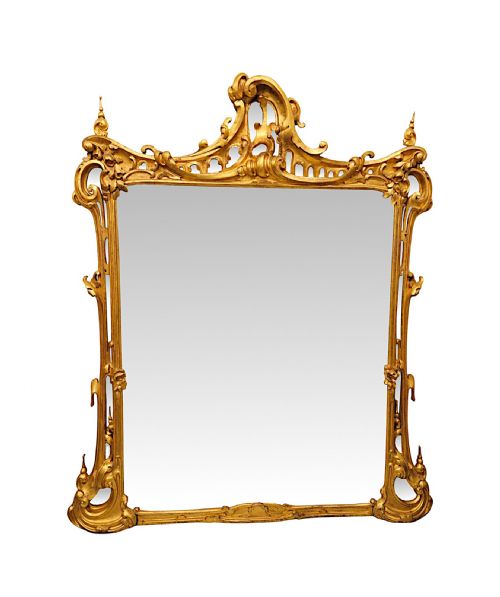
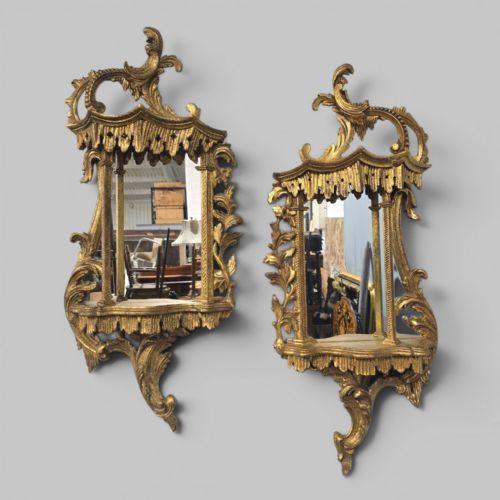
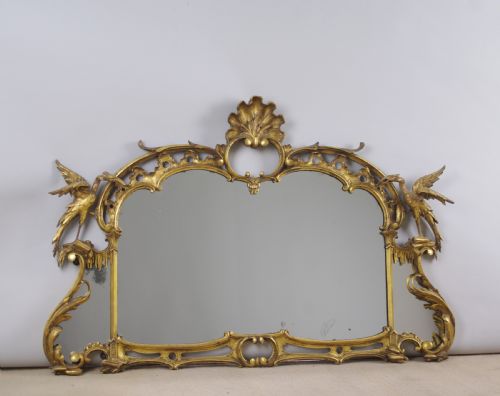
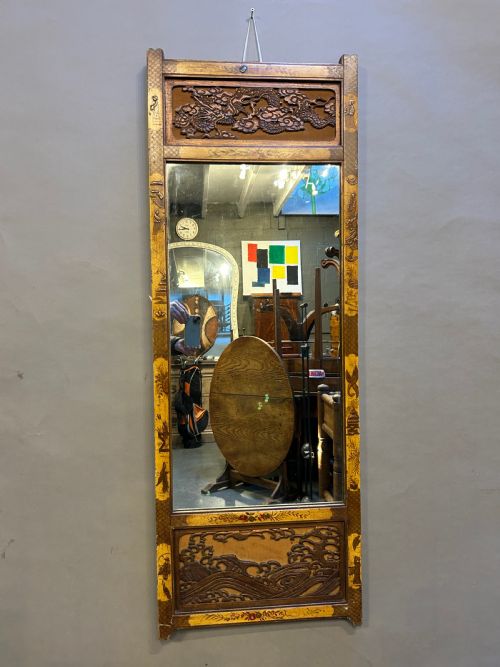
When you search for an antique chinese mirror, you encounter a distinct blend of eastern motifs and western framing traditions spanning the eighteenth, nineteenth, and early twentieth centuries. These pieces appear most frequently as wall mirrors, overmantels, and dressing mirrors framed in carved hardwoods, cherrywood, or giltwood.
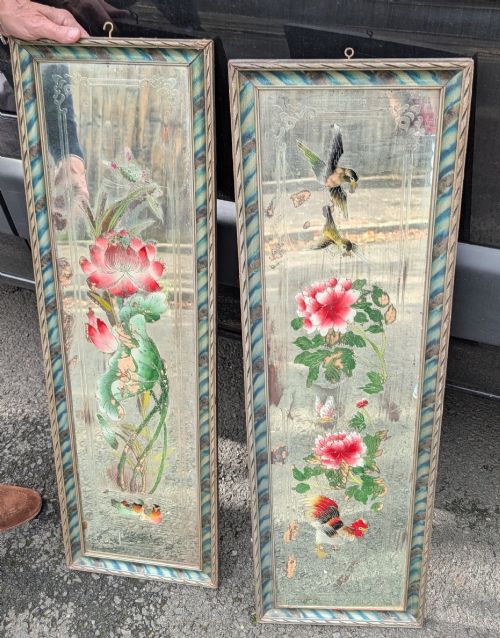
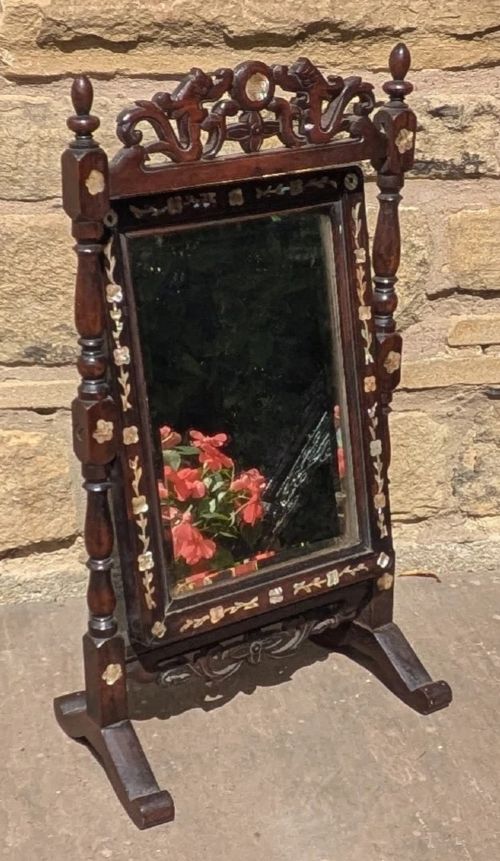
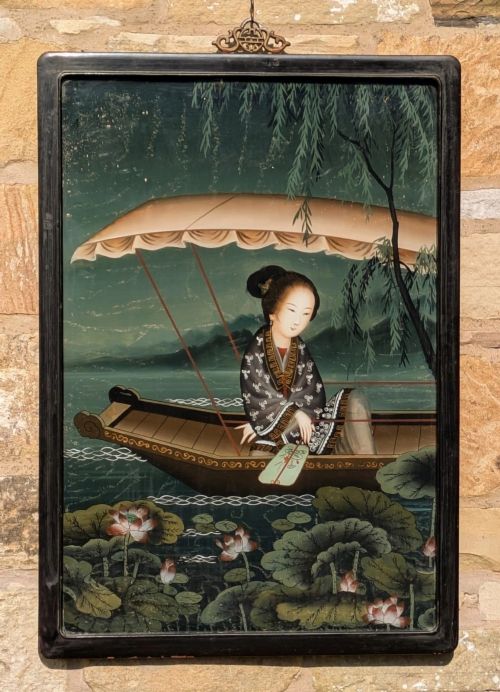
The selection includes reverse glass paintings and wall art alongside functional looking glasses, reflecting both domestic interior use and the export trade. Makers utilised styles such as Chinese Chippendale and Chinoiserie, integrating pagoda forms and inlaid mother of pearl into hardwood structures.
How they were made
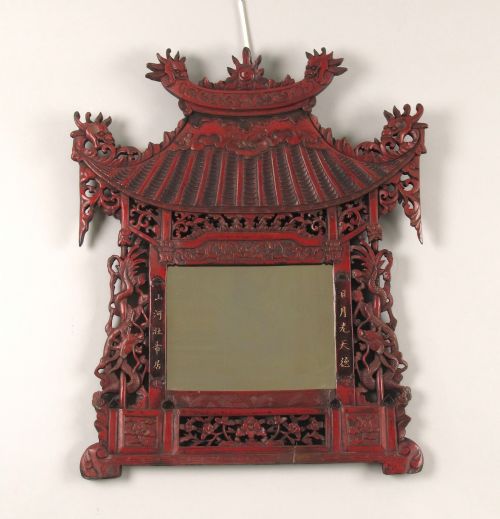
Woodworkers constructed these frames using traditional hardwoods, cherrywood, and softwood bases destined for heavy gilding, paint, or red lacquer. Carvers shaped intricate foliage and architectural pagodas, sometimes incorporating inlaid mother of pearl directly into the timber.
Reflecting surfaces rely on mirror glass and silver, while pictorial works employ reverse painting techniques directly onto glass panels. Brass fittings appear on dressing mirrors and compacts, completing the hardware required for functional pivoting and closure.
Some dressing mirrors arrived with matching silver compacts for vanity tables.
What varies in quality
The distinction between standard output and finer examples rests upon the depth and precision of the wood carving. Crisp detailing in giltwood overmantels and well-preserved red lacquer surfaces separate exceptional pieces from simpler decorative items.
The complexity of the painted narrative on reverse glass panels dictates the standing of a pictorial piece. Original mirror glass and intact mother of pearl inlay hold greater visual integrity than later replacements.
The Antique Chinese Mirror Glossary
- Chinoiserie
- European artistic interpretation of Chinese and East Asian artistic traditions, prominent in eighteenth and early twentieth-century decorative frames. This style often employs painted lacquer and motifs of pagodas.
- Chinese Chippendale
- An eighteenth-century aesthetic combining rococo framework with Chinese architectural elements such as trelliswork and fret motifs. Gilding and carved wood define this specific look.
- Reverse glass painting
- An artistic technique where the image is painted directly onto the back of a glass panel to be viewed from the front. This method creates a glossy, preserved finish.
- Overmantel mirror
- A large horizontal looking glass designed specifically to hang above a fireplace mantelpiece. These pieces often feature elaborate giltwood frames.
- Cheval mirror
- A freestanding full-length dressing mirror suspended in a frame that allows it to tilt. These incorporate heavy hardwood bases for stability.
Antique Chinese Mirror: Frequently Asked Questions
How do I date an antique chinese mirror?
Dating relies on examining the framing materials, joinery techniques, and the composition of the mirror glass itself. Eighteenth-century pieces typically show heavier export influence and distinct hand-beveled glass characteristics.
Later nineteenth and twentieth-century examples integrate specific regional styles like Chinese Chippendale revival or Edwardian Chinoiserie. Inspecting the backboards and paint layers provides further chronological context.
Where should I hang an overmantel mirror?
An overmantel mirror belongs directly above a fireplace mantelpiece, where its horizontal proportions balance the hearth below. These large giltwood or carved wooden pieces anchor the focal point of a reception room.
Ensure the wall fixings match the substantial weight of hardwood and gilt frames. Positioning them opposite a window maximises natural light reflection.
What is the difference between export and domestic styles?
Export pieces were specifically manufactured in China for the Western market, frequently merging Asian materials with European furniture forms. They display distinct trade aesthetics intended for foreign drawing rooms.
Domestic styles adhere more closely to traditional regional forms, utilising local hardwoods like cherrywood and specific lacquer finishes. Both categories reflect distinct historical production channels.
How do I care for antique giltwood frames?
Maintain giltwood frames by gently dusting with a dry, soft brush to prevent particle accumulation. Avoid liquid cleaners and modern chemicals that strip delicate gold leaf or painted surfaces.
Keep these mirrors away from direct sunlight and damp environments to protect the underlying wooden structure and mirror glass silvering.