


Antique Chinese Metalware
These antique chinese metalware pieces range from bronze censers to white metal dishes, offering solid craftsmanship for any home.
Antique Chinese Metalware
When you search for antique chinese metalware, you encounter a varied selection of vessels, vases, and decorative bowls spanning multiple centuries. The objects range from scholarly scholar's censers and ritual vessels to export white metal bowls and cloisonné vases.
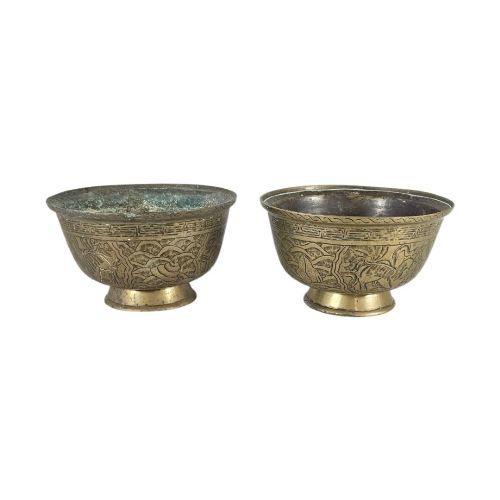
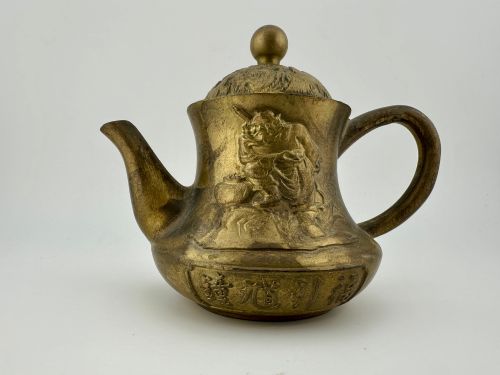
The selection on this page leans heavily toward late nineteenth-century and early twentieth-century pieces, alongside select examples from the eighteenth and sixteenth centuries. Forms include teapots, incense burners, candlesticks, and decorative plates created in brass, bronze, copper, and white metal.
Stylistic influences draw on traditional motifs, including Qing Dynasty designs, Chinese archaic style, and Chinese export work. Buyers find both matching pairs and individual statement pieces designed for display or ritual use.
How They Were Made
Metalworking techniques rely primarily on casting and shaping copper alloys, brass, bronze, and white metal into complex forms such as vases, censers, and bowls. Artisans incorporated relief panels, incised detailing, and applied elements like dragons, phoenixes, birds, and floral motifs.
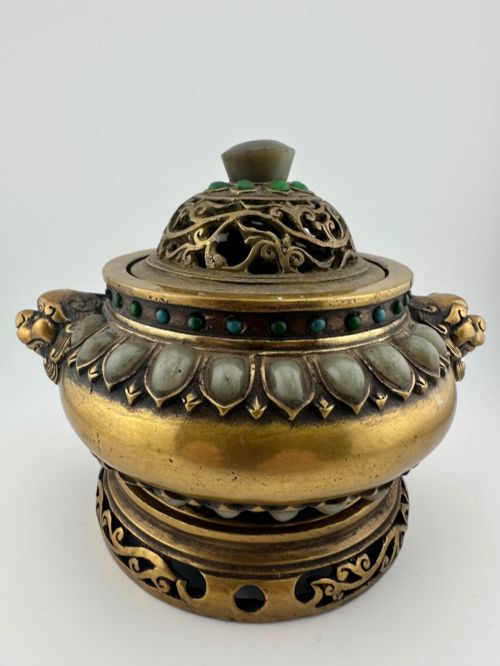
Surface decoration frequently involves champlevé or cloisonné enamel work, adding vibrant colour to bronze or brass foundations. Selected pieces also integrate hardstone and jade inlays, contrasting smooth polished stones with patinated metal surfaces.
Listings feature items spanning from the sixteenth century to the nineteen-thirties, constructed in bronze, brass, enamel, copper, and white metal.
What Varies in Quality
Quality in these metal objects depends largely on the crispness of the casting and the depth of the chased or relief decoration. Superior pieces display sharply defined motifs and balanced proportions, whether in a large heavy bronze vase or a delicate lotus dish.
The integrity of the surface finish, including the richness of the bronze patina or the precision of enamel work, distinguishes finer examples. Furthermore, integrated elements such as hardstone inlays or fitted covers demonstrate superior craftsmanship.
The Antique Chinese Metalware Glossary
- Champlevé
- An enamel technique where troughs are dug into the metal surface and filled with enamel paste before firing. This method creates colourful patterns bordered by thin metal lines.
- Paktong
- A traditional Chinese copper-nickel-zinc alloy resembling silver, utilised for utilitarian items like candlesticks. It offers a bright metallic lustre.
- Cloisonné
- Enamel work created by soldering wire compartments onto a metal base and filling them with coloured paste. The piece is then fired and polished smooth.
- Archaic Style
- A design aesthetic referencing ancient ritual bronzes from earlier Chinese dynasties. These pieces adapt ancient vessel shapes for later decorative use.
Antique Chinese Metalware: Frequently Asked Questions
What are bronze censers used for?
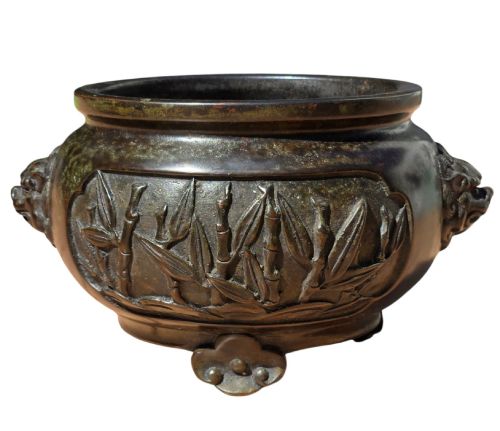
Bronze censers were traditionally utilised for burning incense during scholarly pursuits, ceremonies, or domestic rituals. They often feature fitted covers to release scented smoke gradually.
Today, these heavy vessels serve primarily as decorative objects or focal points in interior displays.
How do I identify Ming Dynasty pieces?
Ming Dynasty pieces date from the sixteenth century and are identified by specific characteristics like scholarly relief panels. These items exhibit historical manufacturing techniques distinct from later Qing production.
Consulting the specific panel details and overall patina helps distinguish these early works.
What is white metal in these antiques?
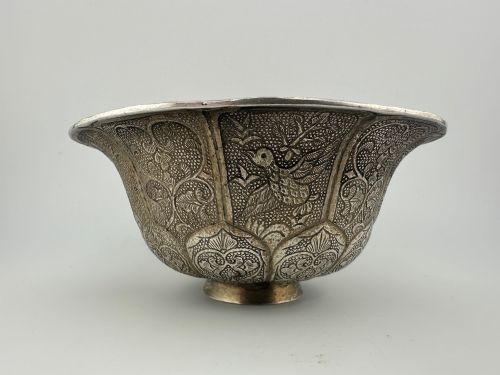
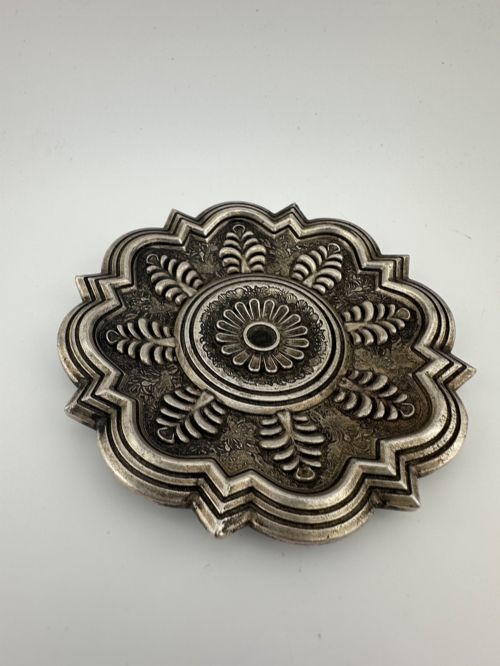
White metal refers to silver-coloured metal alloys used in export bowls and dishes. These objects often display bird and floral motifs suited for international markets.
They provide a brighter metallic alternative to traditional dark patinated bronze.
Where should I place a cloisonné vase?
Cloisonné vases work well on sturdy surfaces where their enamelled colours catch natural light. Their vibrant finishes complement both neutral and richly decorated interiors.
Ensure they sit safely away from heavy foot traffic due to their decorative enamel surfaces.