



Antique Chinese Lamp Base
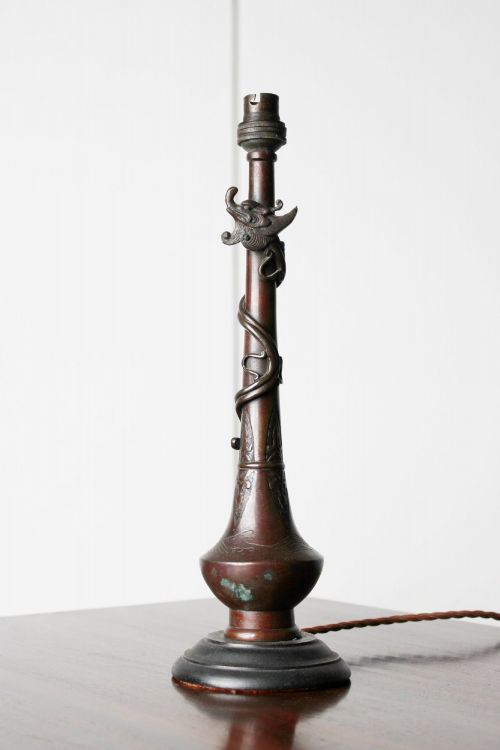
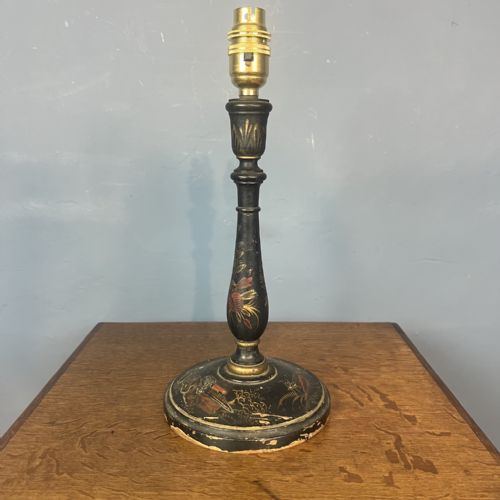
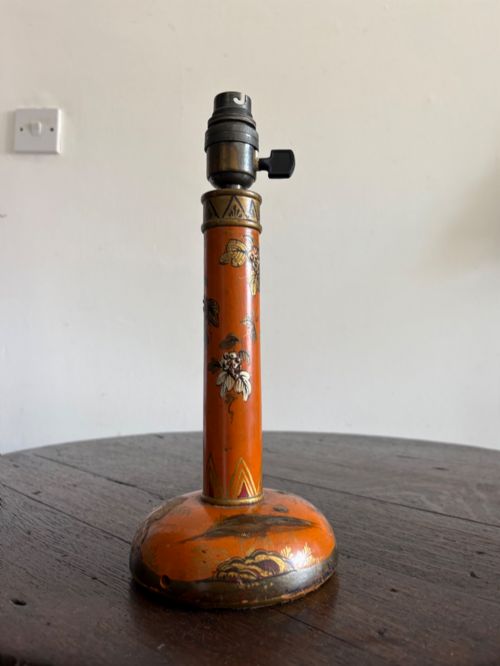
An antique chinese lamp base brings centuries of craftsmanship into a room, typically taking the form of a converted porcelain vase or carved wood body.
Antique Chinese Lamp Base
An antique chinese lamp base encompasses various converted objects, most frequently nineteenth-century porcelain vases, ginger jars, and carved root wood figures transformed into domestic lighting. Buyers navigating this selection encounter pieces spanning the nineteenth century through the Edwardian era, alongside later interpretations.
The predominant forms originate from traditional vessel shapes such as baluster vases and twin-handled urns, often paired with European metal mounts or wiring added during later adaptations. Chinoiserie interpretations from the Edwardian period also appear alongside direct imports from earlier Chinese dynasties.
Vessels finished in blue and white, celadon, and famille rose glazes dominate the ceramic offerings, reflecting the sustained European appetite for East Asian porcelain over successive design periods.
Materials and construction
Makers utilised high-fired ceramic materials including porcelain, crackleware, and celadon, applying hand-painted mineral pigments under and over the glaze before kiln firing. Bronze, ormolu, and brass mounts were frequently fitted to the upper and lower sections to stabilise the body and accommodate electrical components.
Organic materials receive dedicated treatment through carved root wood and lacquer techniques, yielding tactile surfaces that contrast with smooth glazed ceramics. Silk and fabric elements often complete the composition in associated shades, though the core structural body relies on durable fired clay, bronze, or timber.
Antique Chinese Lamp Base Retail Price Guide 2026
Typical asking prices for chinese lamp base among the pieces listed under this phrase on Sellingantiques today, from the lower quarter to the upper quarter. They describe what is for sale here now, not the wider market.
Common stylistic categories include Qing dynasty pieces, Chinoiserie interpretations, and Chinese export ceramics mounted as table lamps.
Factors of distinction
The refinement of the hand-painted brushwork on porcelain surfaces dictates much of the visual hierarchy among ceramic examples, separating standard decorative wares from finely detailed pictorial compositions. The integration of metal mounts also varies, with custom-cast ormolu fittings demonstrating greater craftsmanship than standard brass adaptations.
The integrity of the original vessel body before conversion determines the baseline merit of the piece, particularly regarding hairline fractures or losses to carved wooden elements. Original patination on bronze and wood components preserves the historical character expected by collectors.
The Antique Chinese Lamp Base Glossary
- Famille rose
- A palette of opaque enamel colours dominated by pink, introduced to Chinese porcelain during the Qing dynasty. This palette permits nuanced shading on floral and figural motifs.
- Celadon
- A green glazed ceramic finish resembling jade, achieved through iron oxide in the glaze reacting within a reduction kiln. This finish creates subtle variations in tone across the vessel.
- Cloisonné
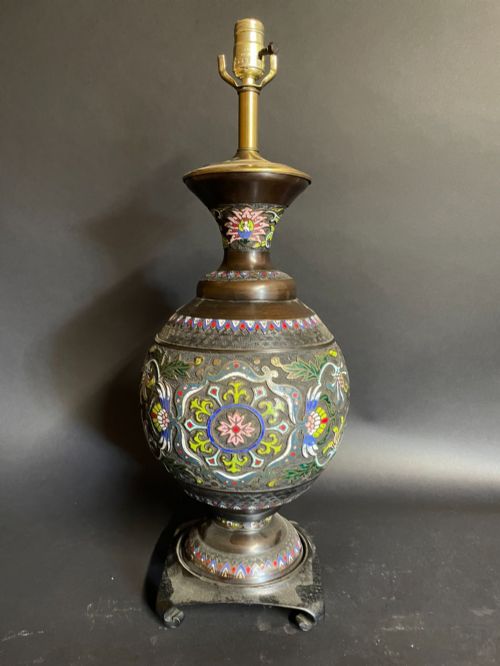
- An enamelwork technique where metal wire is soldered to a metal base to create compartments filled with coloured paste and fired. The resulting surface displays intricate geometric or floral patterns.
- Chinoiserie
- European stylistic interpretations of Chinese artistic motifs, popular during the eighteenth and Edwardian periods. This style manifests through lacquerwork, painted screens, and decorative motifs.
- Ginger jar
- A wide-mouthed storage jar originating in China, frequently converted into a table lamp base. These vessels often feature cobalt blue underglaze decoration.
Antique Chinese Lamp Base: Frequently Asked Questions
How do I date an antique chinese lamp base?
Dating relies primarily on the ceramic body style, glaze characteristics, and any accompanying metal mounts. Nineteenth-century pieces typically display specific potting traits and hand-painted pigments distinct from later twentieth-century reproductions.
Secondary clues include the wiring style, wooden base components, and European framing additions that reveal when the vessel was adapted into a lamp.
Are these lamps converted from original vases?
Many examples began as traditional vases, ginger jars, or ceremonial vessels before receiving electrical wiring and lamp fittings. This conversion process often involved drilling the base or mounting the neck with metal hardware.
Collectors value pieces where the conversion respects the original ceramic body without causing structural compromise to the antique vessel.
How do I clean a glazed lamp base?
Glazed porcelain and cloisonné surfaces require gentle dusting with a soft, dry cloth to prevent abrasion. Moisture should be kept away from any unsealed wood components or older wiring fittings.
Harsh chemical cleaning agents must be avoided to protect the integrity of antique enamel and hand-painted overglaze pigments.