

Antique Chinese Lacquered Carving
These pieces of antique chinese lacquered carving bring dense texture, vibrant red surfaces, and deep historical craft into modern spaces.
Antique Chinese Lacquered Carving
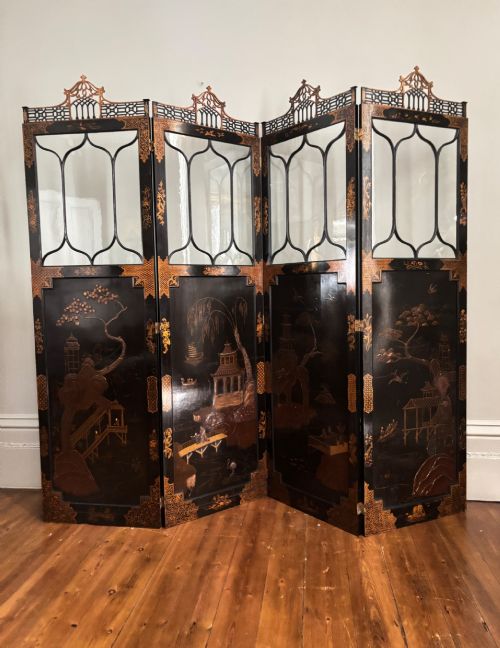
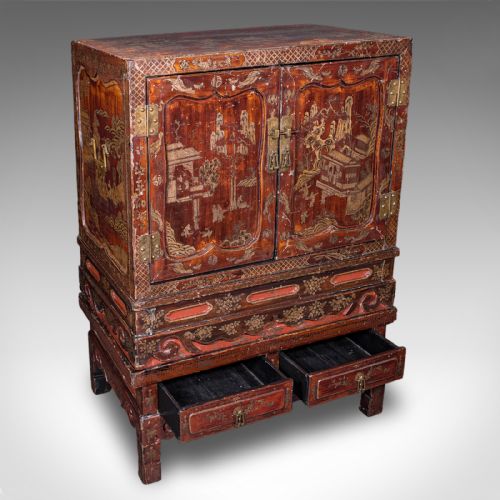
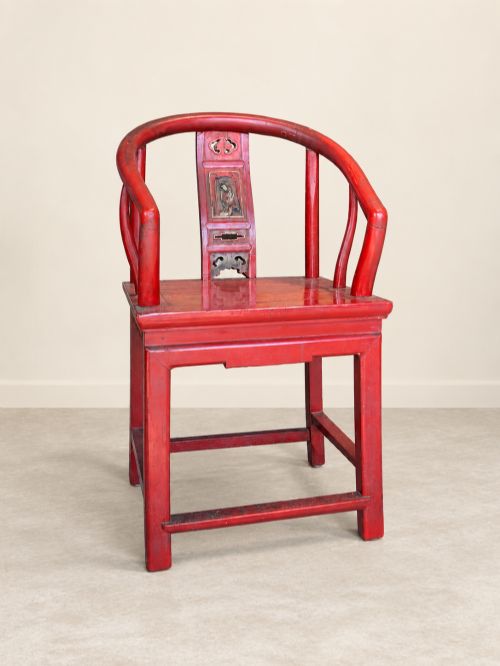
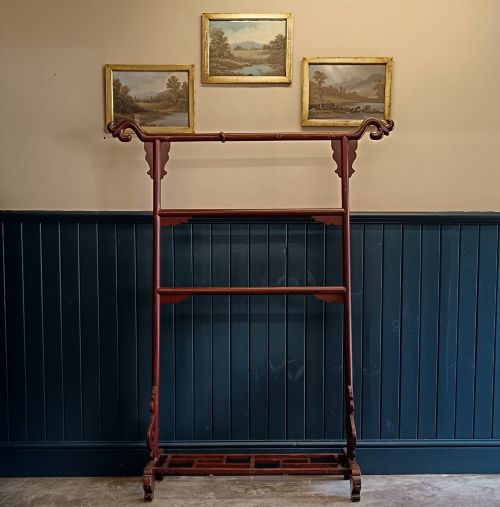
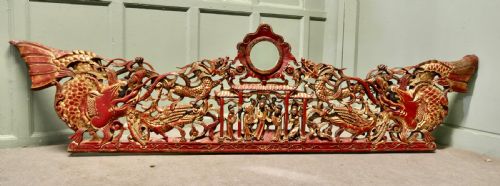
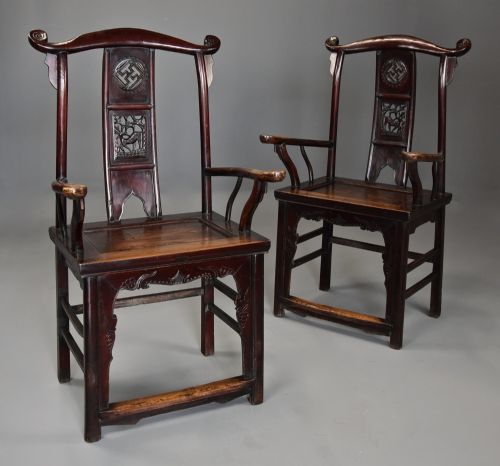
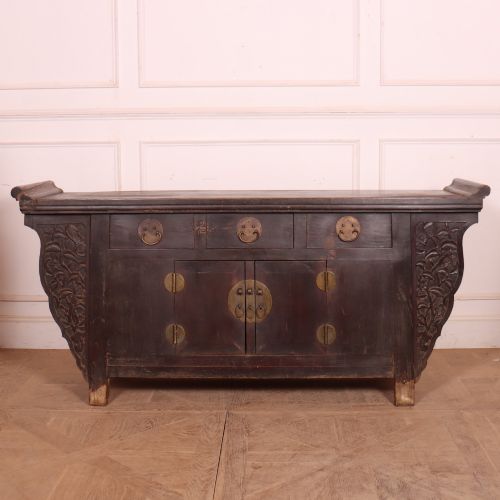
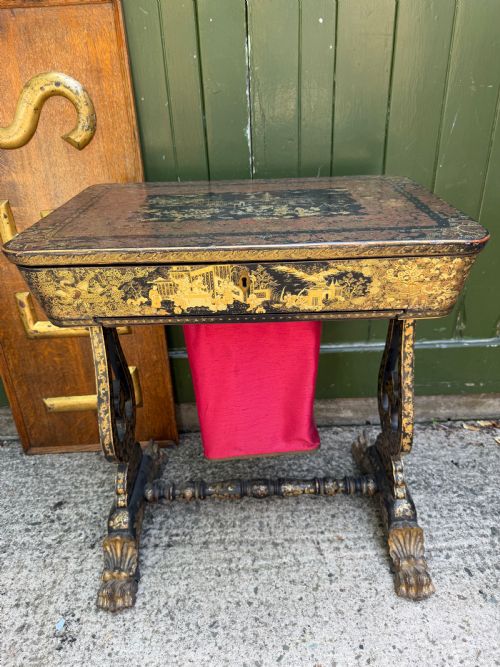
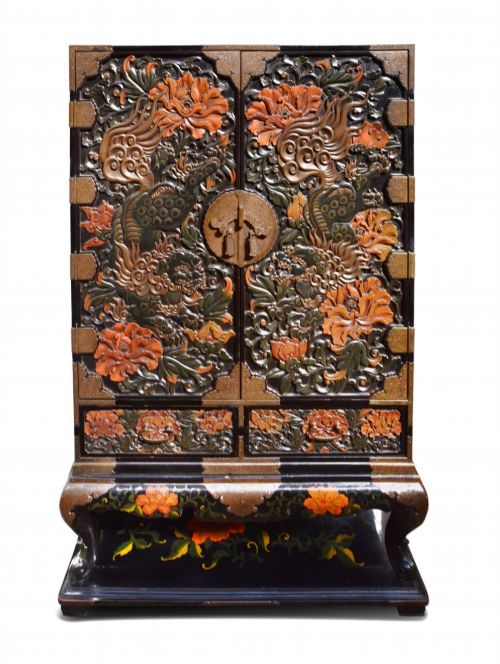
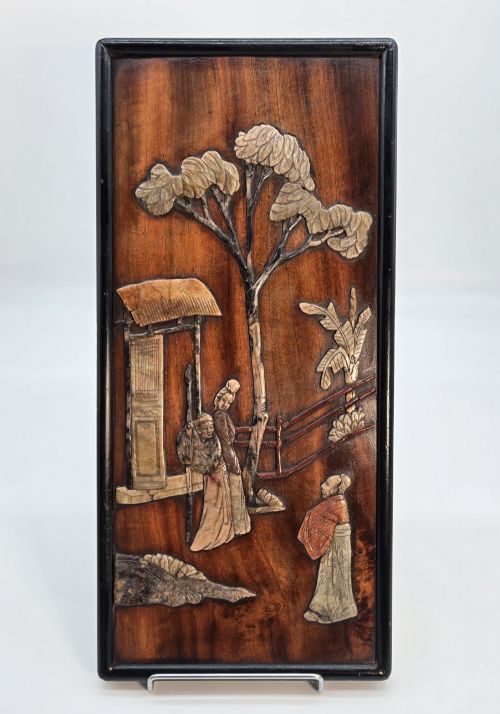
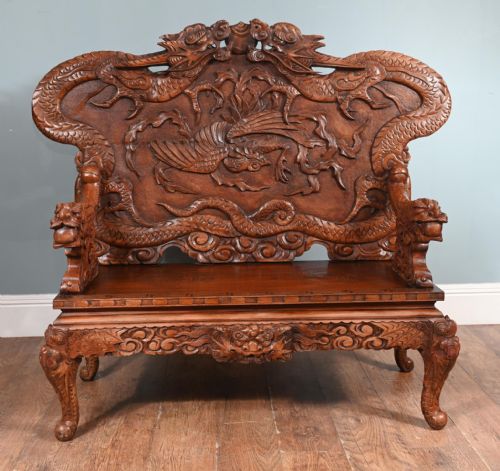
Antique chinese lacquered carving encompasses furniture and decorative objects built primarily from elm, hardwood, and rootwood, finished with layers of lacquer. The selection spans seating such as armchairs, marriage beds, cabinets, folding screens, wall mirrors, and intricately carved panels or temple pediments.
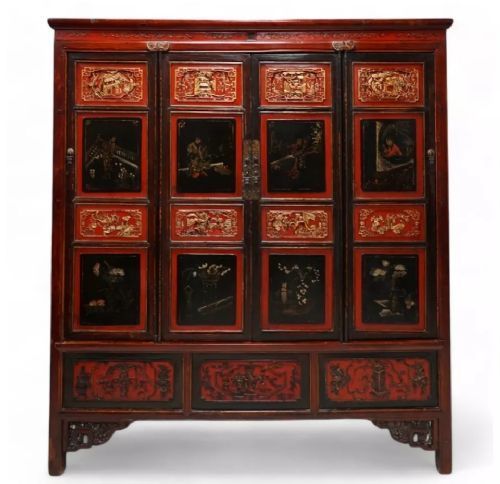
Most examples originate from the nineteenth century, with specific pieces attributed to the Qing Dynasty and later interpretations like Chinoiserie or Chinese Chippendale styles. Buyers frequently encounter red lacquer marriage cabinets, elm yokeback armchairs, and multi-fold coromandel or cinnabar screens.
Larger items serve as architectural focal points in a room, while smaller decorative boxes and vases introduce concentrated bursts of carved detail. The forms bridge functional domestic utility and elaborate sculptural artistry.
How they were made
Craftsmen built structural forms using solid woods like elm and hardwood, often integrating brass hardware and cane seating elements. Surfaces received numerous coats of lacquer, sometimes enhanced with gold leaf, polychrome pigments, or hardstone mounts.
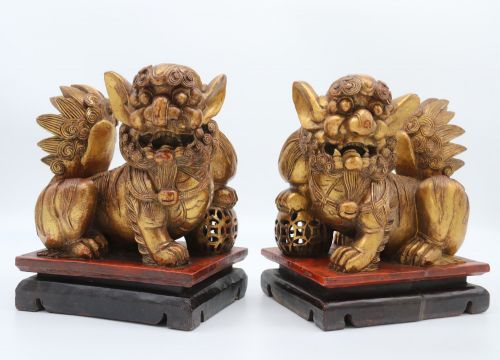
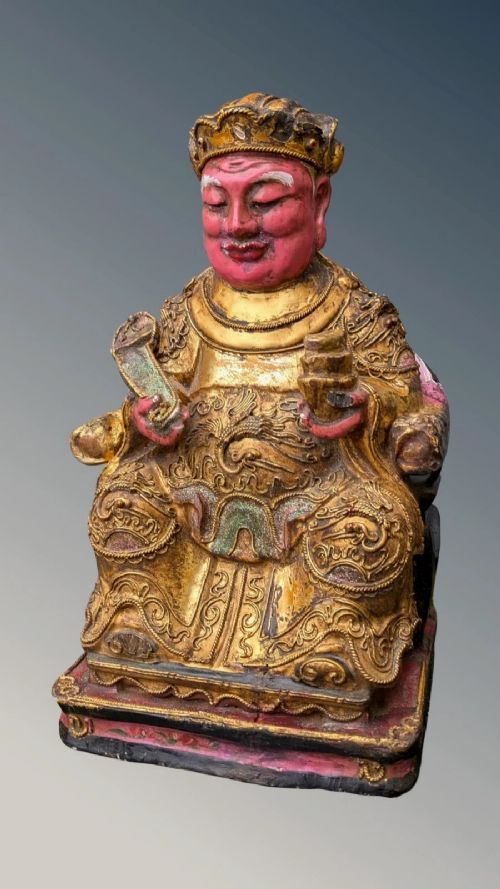
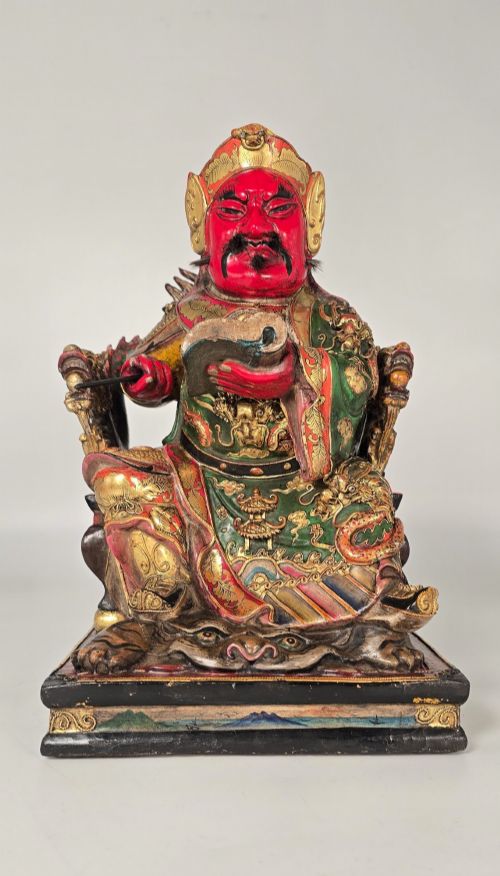
Carving was executed directly into the built-up lacquer layers or into the underlying wood substrate, creating low relief or deep dimensional motifs such as dragons, figures, and floral patterns. Guilds utilised traditional joinery alongside applied gilding and hand-painted details to finish each panel, screen, or cabinet.
Several items retain their original red lacquer applied centuries ago to bring luck and prosperity to newlyweds.
What varies in quality
The sophistication of the carving dictates the distinction between standard production and masterwork pieces. Crisp depth in cinnabar and coromandel work, alongside balanced proportions in architectural elements like temple panels and armchairs, elevates a piece.
The integrity of the original lacquer surface and the retention of gilded or polychrome details heavily influence the visual impact. Patina developed on woods like elm through active use over centuries adds depth that mechanical restoration cannot replicate.
The Antique Chinese Lacquered Carving Glossary
- Cinnabar lacquer
- A technique involving numerous layers of red lacquer carved in relief with intricate motifs. It produces a rich, tactile surface with deep red tonalities.
- Coromandel
- A type of Chinese incised lacquerware where a dark ground is carved, filled with colours, and sealed. Screens and cabinets frequently utilise this dense decorative method.
- Yokeback
- A traditional Chinese chair design featuring a curved top rail resembling a yoke. Elm versions often display retained original red lacquer and natural wood patina.
- Chinoiserie
- European decorative style reflecting Chinese artistic influences. It appears frequently in British-made cabinets and mirrors from the Victorian era onward.
- Opium bed
- A low, enclosed platform bed used for resting or smoking, constructed from hardwood or lacquered wood. These pieces often feature extensive carved panels around the frame.
Antique Chinese Lacquered Carving: Frequently Asked Questions
How were coromandel screens used?
Coromandel screens functioned as portable partitions within large rooms to divide space, block drafts, or create private areas. Their multi-fold construction allowed them to stand independently and fold flat when not in use.
In contemporary interiors, these large screens are often mounted flat against a wall as decorative art or positioned in corners to add architectural depth and rich surface texture to a room.
What is a marriage cabinet?
Marriage cabinets were traditionally given as dowry items to newlywed couples in China, providing enclosed storage for garments, valuables, and textiles. They were built sturdily from woods like elm and finished with striking red lacquer or brass mountings.
Today, these substantial cupboards serve as functional wardrobes or linen storage in bedrooms, or as striking media consoles in living spaces.
How do I care for lacquered wood?
Lacquered surfaces require stable indoor humidity and protection from direct sunlight to prevent drying, cracking, or fading of the pigments. Dusting should be done gently with a dry, soft microfibre cloth without using liquid polishes or chemical cleaners.
Maintaining moderate environmental conditions preserves the underlying wood and delicate carved layers for ongoing daily appreciation.
What distinguishes Qing period carving?
Qing period carving is characterised by deep, highly detailed relief work depicting traditional motifs such as dragons, scholars, floral scenes, and symbolic figures. The execution reflects strict adherence to historical craft traditions passed down through imperial and regional workshops.
These pieces often display a heavier build and more complex polychrome or gilded embellishments compared to later export adaptations.