


Antique Chinese Fruit Dish
These antique chinese fruit dish selections offer porcelain, silver, and cloisonne enamel forms shaped for formal dining tables.
Antique Chinese Fruit Dish
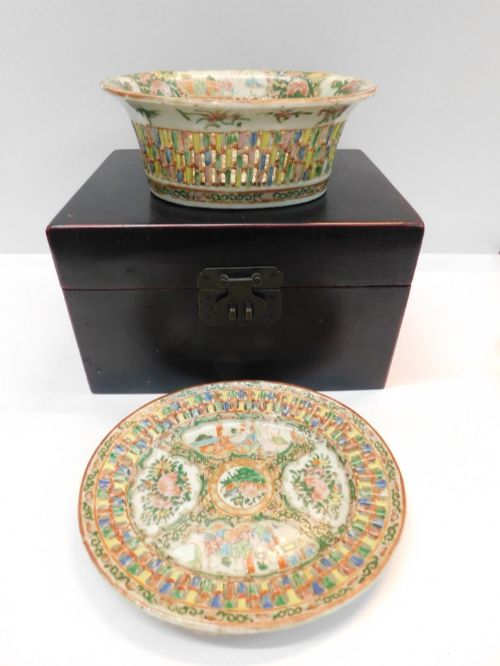
Buyers seeking an antique chinese fruit dish encounter porcelain vessels, pedestal dishes, and reticulated chestnut baskets with stands. These pieces originate primarily from the nineteenth century and the eighteenth century, encompassing Qing Dynasty and Chinese Export styles.
The selections include footed bowls, tazzas, and decorative baskets designed for presentation. European interpretations also appear through English porcelain makers utilising oriental motifs.
Forms range from simple bowls to elaborate pierced baskets accompanied by matching stands. Collectors find both traditional Chinese export wares and Edwardian British artistic responses.
Materials and construction
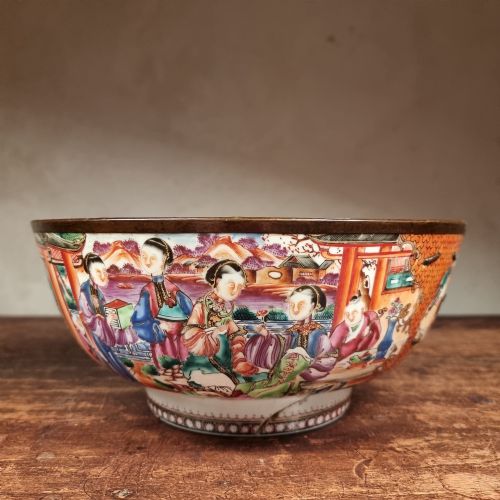
Porcelain serves as the primary medium, shaped into bowls and baskets finished with cobalt underglaze, enamel, and gilding. Artisans apply intricate hand-painted decoration including famille rose palettes and intricate pierced reticulation.
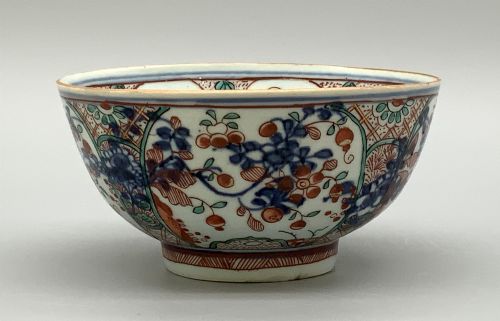
Alternative materials comprise cloisonne enamel applied to bronze or brass structures, alongside solid silver dishes. Lustre glaze finishes introduce iridescent surface effects upon ceramic bodies.
Listings feature items spanning the eighteenth century, nineteenth century, and Edwardian periods in porcelain, silver, and enamel.
Assessing craftsmanship and execution
Superior examples demonstrate meticulous control in hand-painted enamel work and precise ceramic piercing. The crispness of the reticulation and the brilliance of the gilding separate standard production from exceptional studio output.
The integration of form and decorative scheme determines the piece's success. Heavier potting and refined surface finishes denote higher workshop standards.
Daisy Makeig-Jones·Wedgwood
The Antique Chinese Fruit Dish Glossary
- Famille Rose
- A prominent palette of opaque rose-pink enamel introduced in the eighteenth century. This colouring defines much of the Qing Dynasty porcelain on display.
- Reticulation
- An openwork pattern pierced through the ceramic wall before firing. This technique creates basket-weave and geometric lattice effects on fruit dishes.
- Imari
- A style of ceramic decoration featuring underglaze blue and contrasting iron red with gold highlights. The aesthetic originates from Japanese export traditions adopted widely in China and Europe.
- Tazza
- A shallow bowl raised upon a central foot or pedestal. These serving vessels elevate fruit and sweetmeats above the dining surface.
- Cloisonne
- Enamel work created by soldering metal wires to a metal base to form compartments filled with paste and fired. This technique yields richly textured coloured surfaces.
Antique Chinese Fruit Dish: Frequently Asked Questions
How were antique fruit dishes used?
These vessels served fresh fruit, nuts, and sweetmeats during formal dining courses, often occupying the centre of the table. Their elevated stands and pierced baskets allowed air circulation around delicate produce.
Over time, they transitioned from active dining service into decorative display pieces within drawing rooms and cabinets.
What is Chinese Export porcelain?
Chinese Export porcelain refers to ceramics manufactured in China specifically for Western markets, adapting traditional shapes to European tastes. These pieces combine Eastern materials with forms demanded by Western dining customs.
Workshop production spanned multiple centuries, incorporating coats of arms, botanical illustrations, and familiar landscape scenes.
How do I care for antique porcelain?
Wash porcelain pieces by hand using warm water and a mild detergent, avoiding harsh scrubbing implements that damage enamel and gilding. Support the base and sides securely during handling.
Keep pieces away from direct sunlight and dramatic temperature fluctuations to protect fragile glazes and metallic finishes.
How are periods distinguished?
Periods are identified through a combination of paste composition, glaze characteristics, and painting styles. Eighteenth-century pieces typically feature distinct potting weights and specific enamel formulations.
Later nineteenth-century and Edwardian examples reveal shifts in decorative motifs and manufacturing techniques characteristic of their respective eras.