

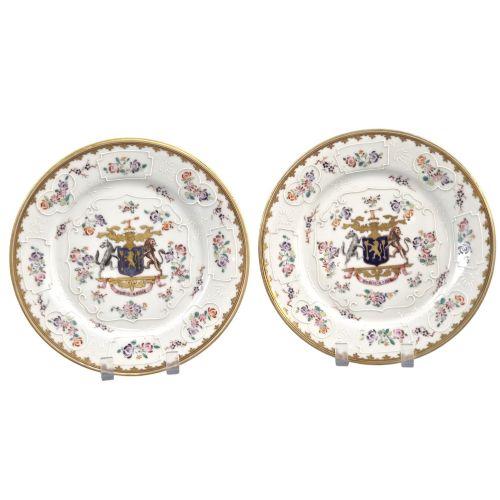


Antique Chinese Floral Plates
These antique chinese floral plates bring centuries of kiln mastery to your table, offering delicate hand-painted blossom motifs and robust porcelain bodies.
Antique Chinese Floral Plates
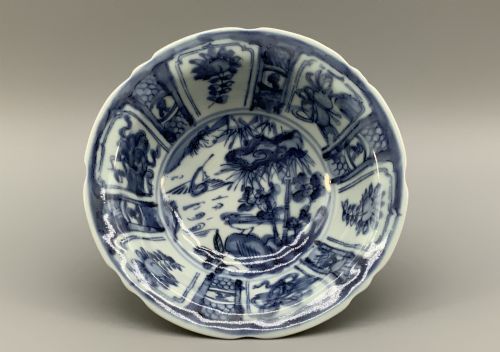
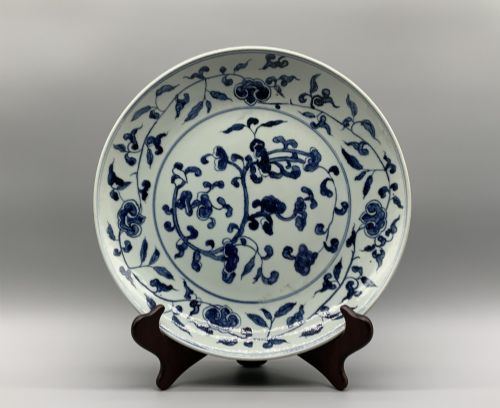
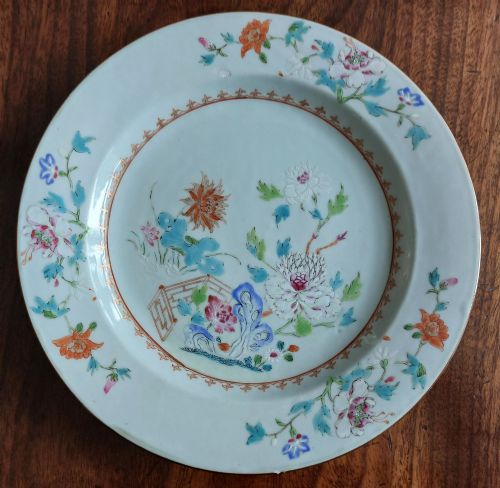
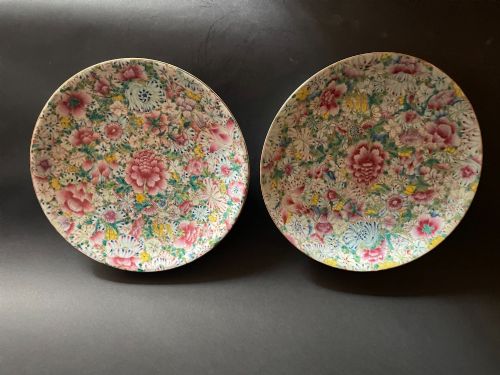
When you search for antique chinese floral plates, you encounter pieces that span centuries of ceramic production, encompassing both utilitarian vessels and fine display items. The examples available here typically include circular plates, chargers, and dishes decorated with botanical subjects.
The assortment draws heavily on pieces originating from the Qing Dynasty, particularly the Kangxi and Qianlong periods. These items range from delicate Famille Rose enamelled services to robust blue and white porcelain chargers adorned with floral scrolls.
Beyond standard plates, the selection extends to related forms such as lobed bowls, rectangular platters, and trefoil trays. Each object reflects the enduring appeal of floral ornament across different eras of Chinese ceramic history.
Materials and methods
The foundation of these works is hard-paste porcelain, fired at high temperatures to achieve a dense, vitreous body. Artisans applied cobalt blue underglaze before the final glaze firing for pieces like the Kangxi blue and white chargers.
Overglaze enamel painting defines the Famille Rose pieces, where colours including pinks, greens, and yellows sit on top of the fired glaze. Guilding with gold leaf or gilt also appears on specific export wares to accent the floral borders.
Roosters and birds frequently share the floral stage with peonies and lotus blossoms on these plates.
Assessing quality
Quality in these ceramics rests on the crispness of the potting and the precision of the hand-painted brushwork. Superior pieces display finely delineated floral details and balanced compositions without distortion in the porcelain body.
The clarity and depth of the cobalt underglaze or the vibrancy of the Famille Rose enamels distinguish finer examples from standard production. Potter's marks and reign marks, when authentic and well-executed, also elevate the standing of an item.
Edmé Samson et Cie·Minton
The Antique Chinese Floral Plates Glossary
- Famille Rose
- A palette of opaque overglaze enamels introduced in the Qing Dynasty, notable for its distinct pink or rose colour derived from colloidal gold. This palette allowed for nuanced shading in floral and figural designs.
- Kangxi Period
- A significant era of Qing Dynasty rule lasting from sixteen sixty-two to seventeen twenty-two, known for exceptional blue and white porcelain. Pieces from this time often exhibit brilliant cobalt tones and meticulous painting.
- Celadon
- A term for ceramics with a green jade-like glaze, created by iron oxide in the glaze reacting during reduction firing. Longquan celadons frequently feature moulded floral scroll motifs beneath the translucent glaze.
- Charger
- A large decorative plate or platter used historically for serving food or as a centrepiece on a dining table. In antique porcelain, these substantial pieces often feature elaborate border patterns.
- Qianlong Period
- The reign spanning seventeen thirty-six to seventeen ninety-five, characterised by technical virtuosity and rich enamel decoration. Armorial services and intricate floral plates were widely produced during this time.
Antique Chinese Floral Plates: Frequently Asked Questions
How do I date antique chinese floral plates?
Dating relies on stylistic markers, reign marks, and the specific palette of the enamels or glazes used. Comparing the potting weight and foot ring characteristics to documented examples helps narrow the period.
Changes in trade patterns and imperial patronage across the Kangxi and Qianlong reigns also provide reliable chronological anchors for authentic pieces.
Were these plates used for dining or display?
Many larger chargers and armorial plates served primarily as display pieces on sideboards or walls during feasts. Smaller plates and dishes were utilised in actual dining services, particularly within export markets.
The presence of gilt and delicate enamels on certain items suggests careful handling rather than heavy daily use.
What is Chinese export porcelain?
Chinese export porcelain refers to ceramics made specifically for the European and American markets from the Ming dynasty onwards. These pieces often combined traditional Chinese forms and motifs with shapes requested by Western buyers.
Armorial designs featuring family crests alongside floral borders are classic examples of this cross-cultural trade.
How should I display antique porcelain safely?
Support plates and chargers with stable, padded wall hangers or secure plate stands designed for heavy ceramics. Keep them away from direct sunlight and areas subject to sudden temperature fluctuations.
Avoid high-traffic zones where the pieces might be accidentally knocked or dislodged from their display position.