


Antique Chinese Figure Painting
These antique chinese figure painting works capture courtly scenes, scholars and immortals rendered on delicate pith paper or silk.
Antique Chinese Figure Painting
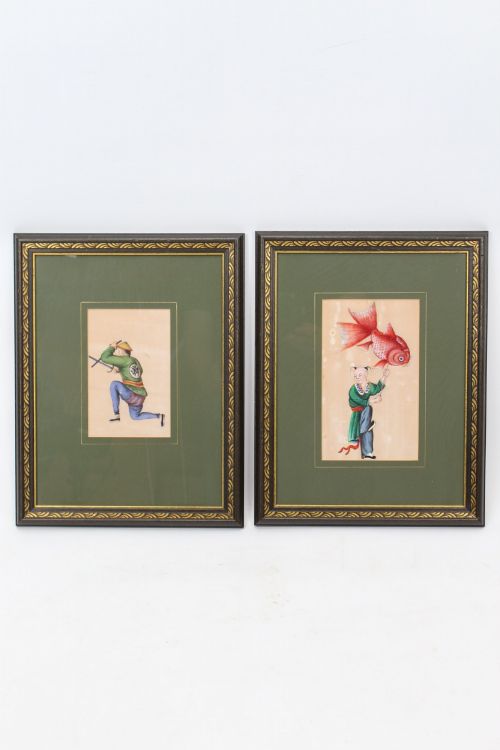
When you search for an antique chinese figure painting, you encounter delicate works executed on pith paper, silk and canvas alongside decorated vessels and ceramics depicting human forms. The nineteenth century yields the most accessible examples, particularly watercolor and ink studies showing interior scenes, weavers and historical figures.
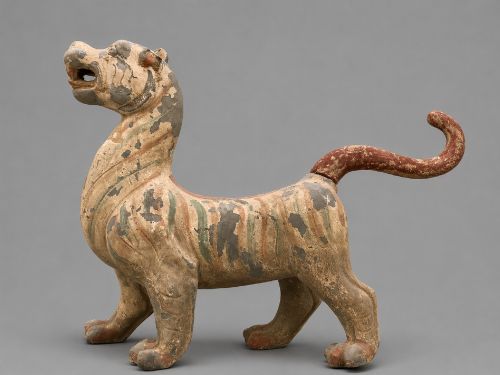
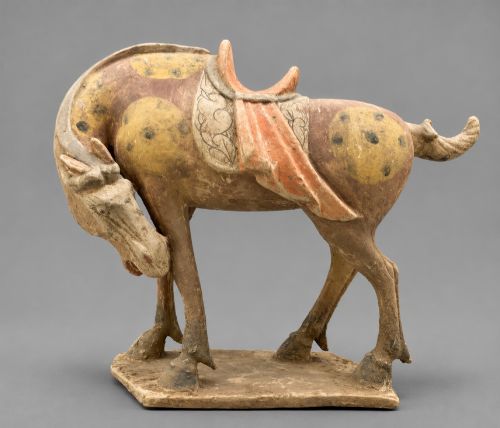
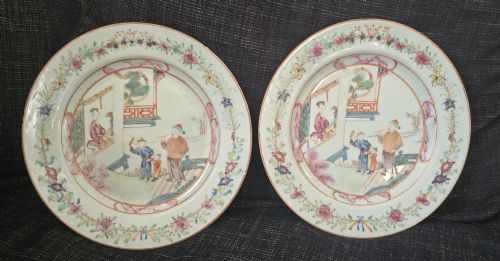
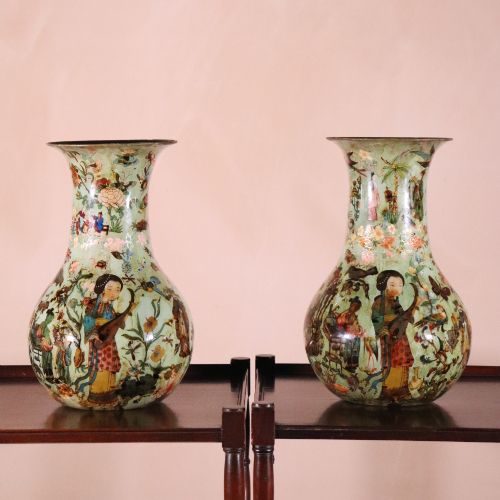
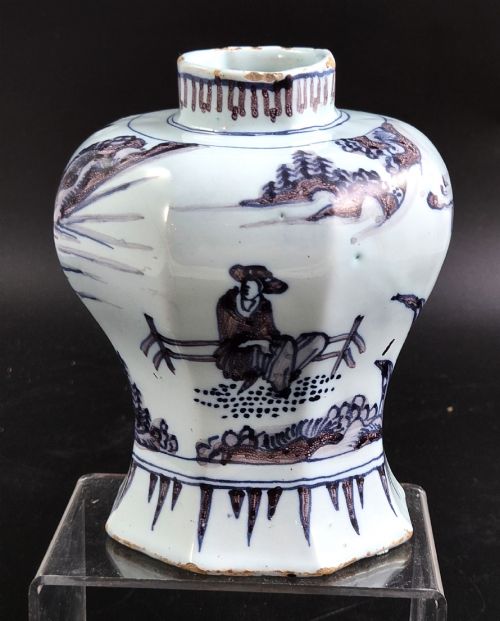
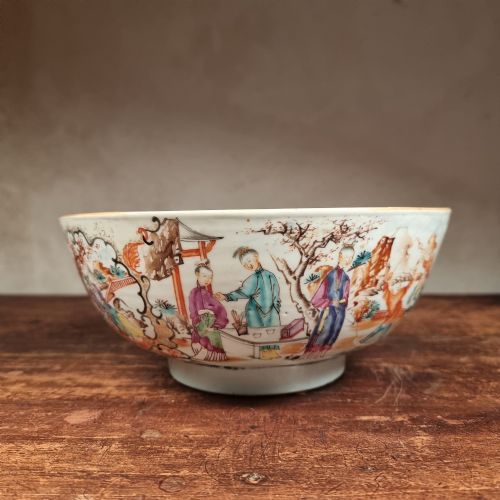
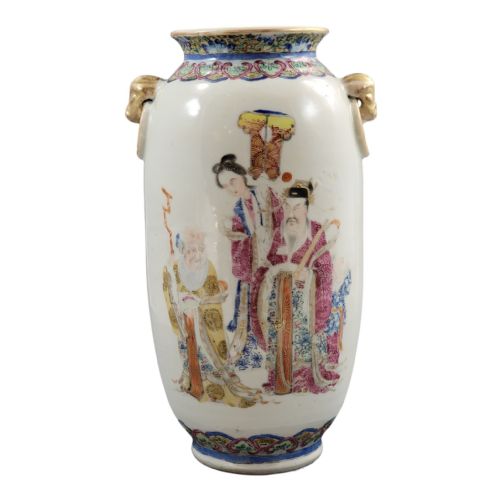
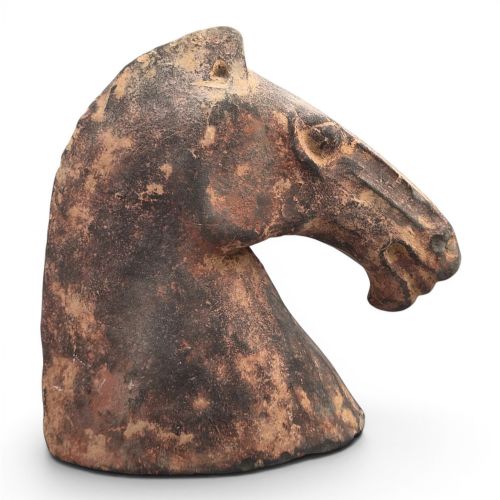
Earlier periods are represented by tomb figures and ritual ceramics from dynasties spanning the Tang and Han eras, though these shift from flat paintings into sculptural ceramics. Export art created for Western markets during the Qing dynasty frequently incorporates figure painting onto porcelain vases, punch bowls and snuff bottles.
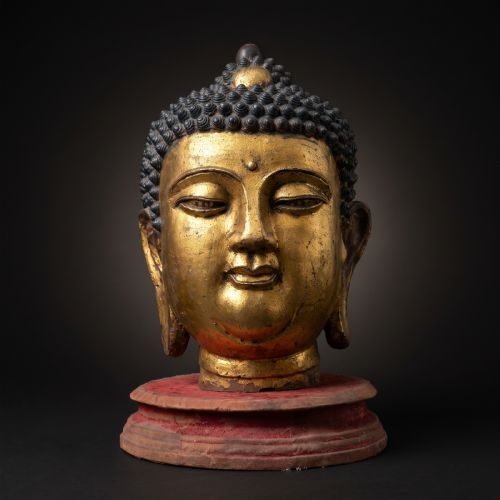
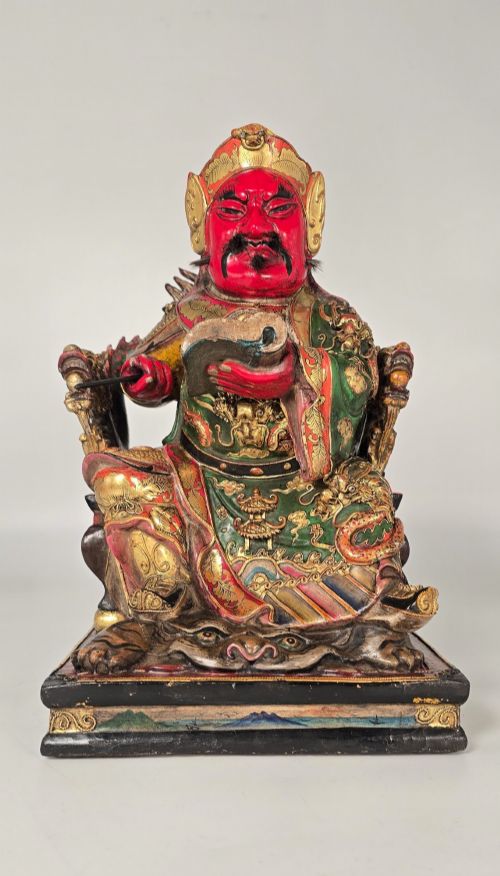
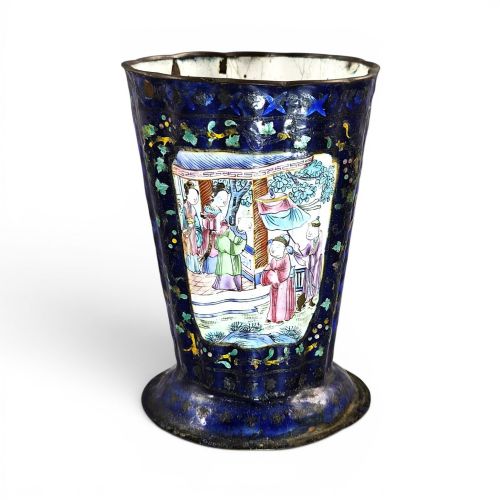
Buyers will find that flat works on paper dominate the category alongside polychrome painted wood carvings and porcelain brush pots decorated with scholar scenes. The subjects range from Daoist immortals and ancestral scrolls to everyday processions rendered in vibrant mineral pigments.
Materials and methods
Makers utilised delicate pith paper, often erroneously called rice paper, harvested from the pith of the Tetrapanax papyrifer plant and mounted onto album leaves. Artists applied vibrant watercolours and gouache directly to this spongy surface, which absorbs pigment to create a characteristic velvety depth.
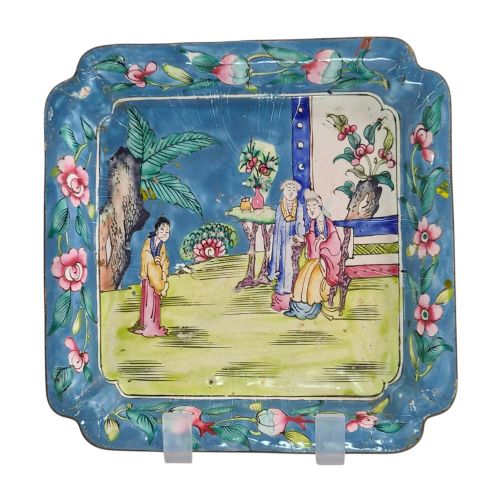
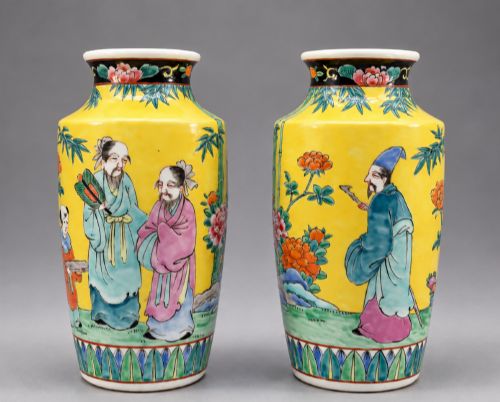
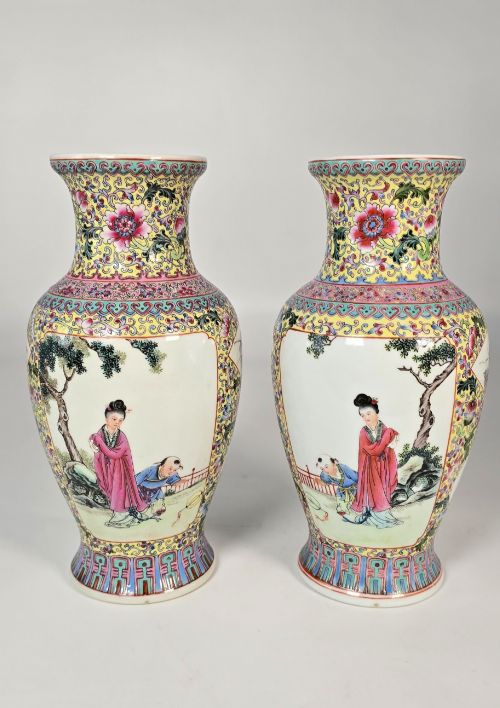
Silk and canvas served as alternative supports for ink and watercolour compositions, while porcelain pieces received hand-painted enamel decoration in the famille rose or famille verte palettes. Wood carvings and terracotta tomb figures relied on carved detail finished with polychrome pigments and gold leaf accents.
Antique Chinese Figure Painting Retail Price Guide 2026
Typical asking prices for chinese figure painting among the pieces listed under this phrase on Sellingantiques today, from the lower quarter to the upper quarter. They describe what is for sale here now, not the wider market.
Listings feature works spanning the Han Dynasty through the Republic Period, utilising porcelain, pith paper, wood and pigment.
Judging quality in figure painting
The condition of the support material heavily influences value, particularly with pith paper where cracking and surface abrasion frequently occur over time. Intact, vibrant pigments preserved within original scroll mountings or framed sets represent the zenith of the craft.
Zhu Mao Ji·Gao Hengsheng
The Antique Chinese Figure Painting Glossary
- Pith paper
- A fragile, spongy material sliced from plant pith used extensively in the nineteenth century for vibrant watercolour figure studies.
- Famille rose
- A porcelain enamel palette dominated by opaque pink or rose colours, introduced during the Qing dynasty and widely used for figural scenes.
- Mingqi
- Burial goods and tomb figures placed in tombs to accompany the deceased, including terracotta horses and attendants.
- Ancestor scroll
- A large hanging scroll depicting deceased family members in formal court attire, commissioned for veneration rites.
Antique Chinese Figure Painting: Frequently Asked Questions
What is pith paper?
Pith paper is a delicate, spongy material sliced from the stem of the Tetrapanax papyrifer shrub. It absorbs watercolours readily, giving nineteenth-century export paintings their characteristic velvety texture.
Because the material is fragile, works on pith paper require careful framing away from direct sunlight to prevent drying and flaking.
How do I care for antique watercolours?
Protect works on paper from direct sunlight and high humidity, which cause fading in natural pigments and foxing on the support. Ensure framing uses acid-free materials and UV-filtering glass.
Keep pieces away from heat sources to prevent the fragile pith or silk from becoming brittle over time.
What subjects appear in these paintings?
Common subjects include Daoist immortals such as Shoulao and Magu, scholars in contemplative gardens, and domestic interior scenes. Export artists also recorded local trades, weavers and street processions for Western buyers.
Ancestral portraits depict stern family members in formal robes, created to serve a ritual function in family shrines.
How are dynasties distinguished?
Dynastic attribution relies on stylistic markers, potting techniques, and the composition of pigment glazes on ceramics or textiles. Tang and Han pieces are typically heavy terracotta or pottery figures associated with burials.
Qing dynasty works encompass elaborate famille rose porcelains and detailed gouache paintings on pith paper, reflecting the later trade eras.