
Antique Chinese Blue White
Antique chinese blue white ceramics span centuries of porcelain production, offering collectors intricate cobalt decoration on durable bodies.
Antique Chinese Blue White
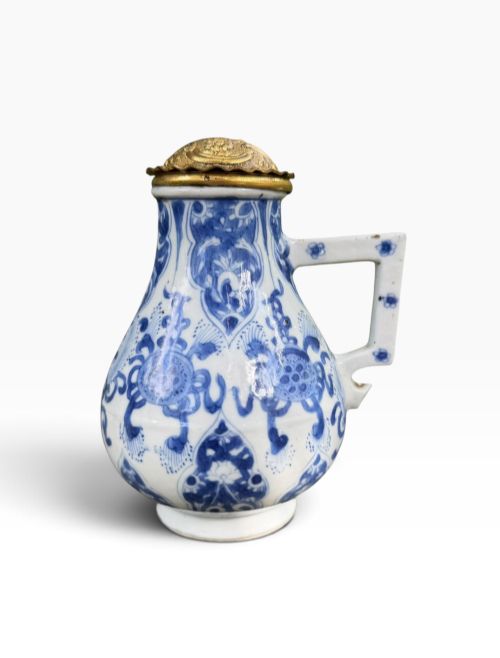
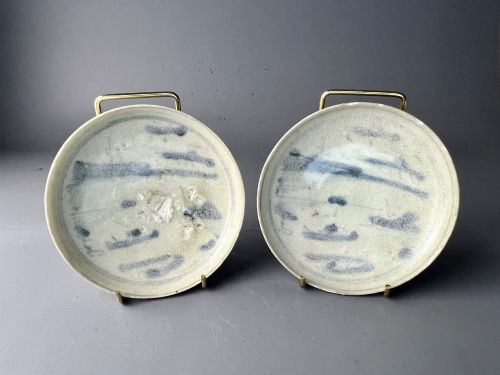
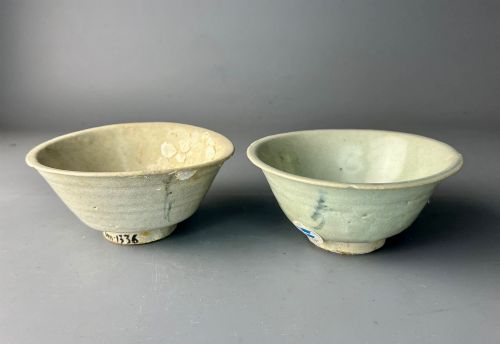
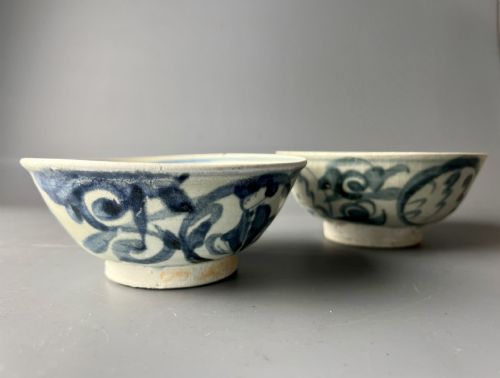
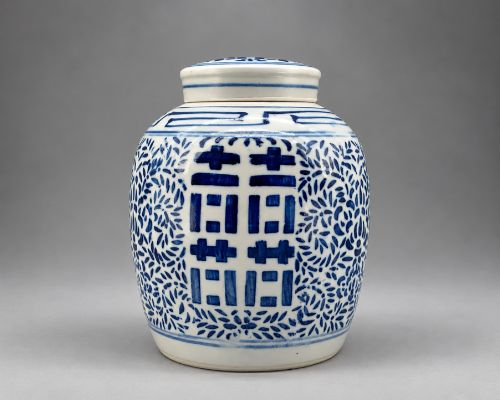
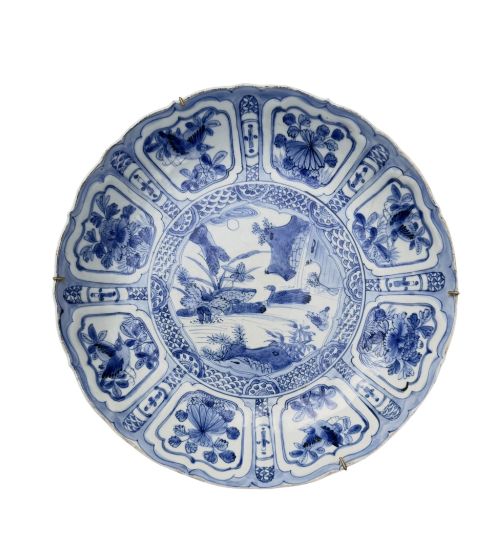
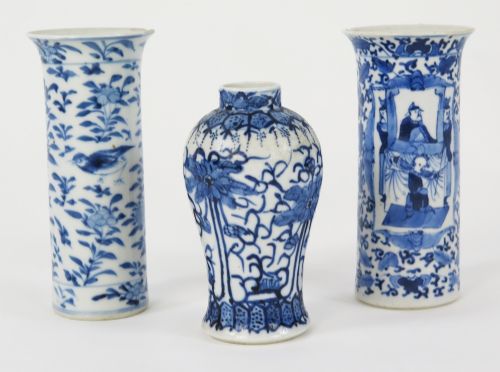
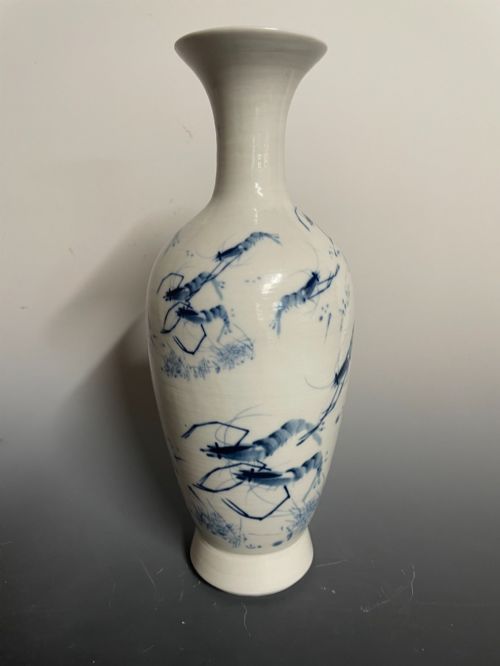
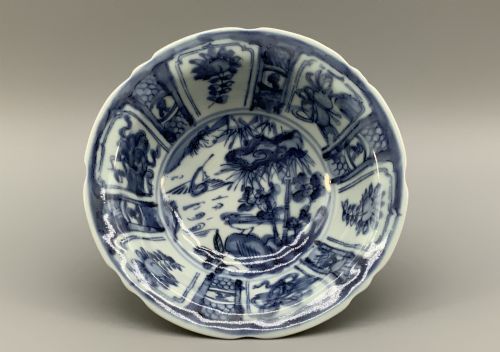
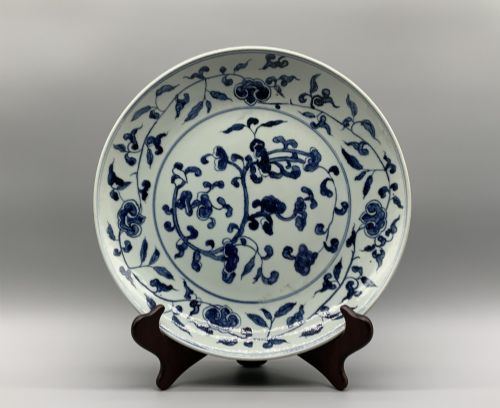
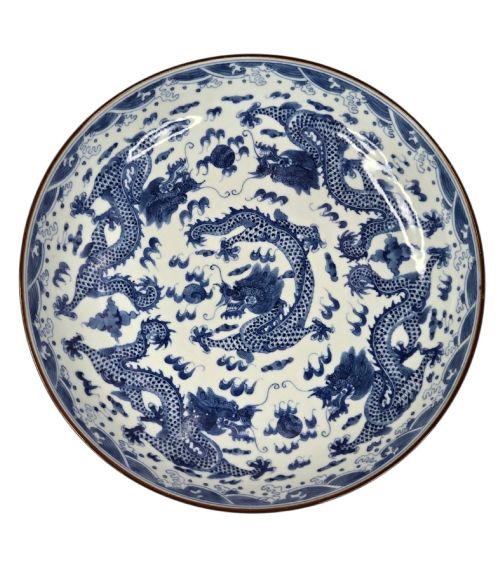
When you search for antique chinese blue white, you encounter vessels and tableware produced across the Ming, Qing, and later periods for domestic use and export. These items range from large chargers and temple jars to delicate brush pots and tea caddies.
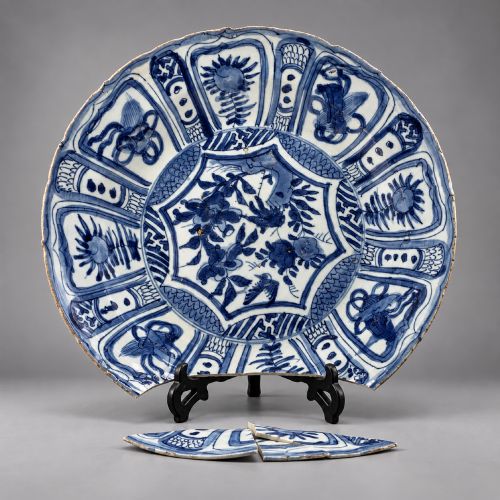
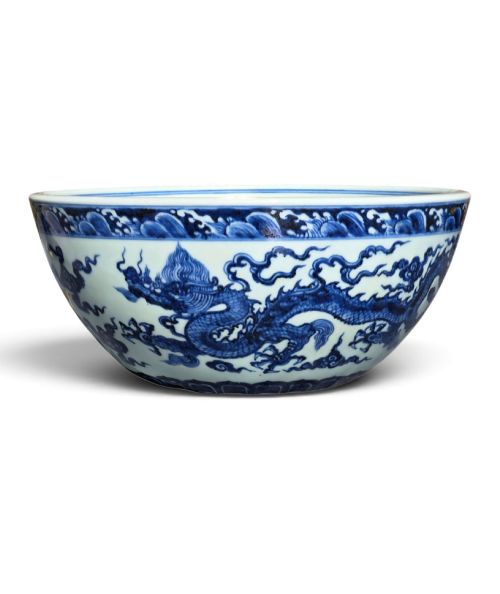
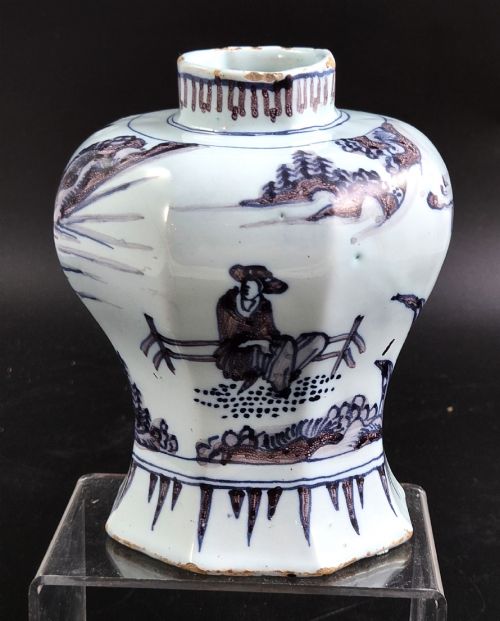
The pieces on this page primarily reflect centuries of porcelain craftsmanship, with styles varying from Kangxi period refinement to later provincial execution. Collectors frequently find chargers, bowls, and vases spanning the seventeenth through the nineteenth centuries.
How they were made
Potters shaped fine porcelain clay and ceramic bodies before applying cobalt pigment beneath a clear glaze. Firing at high temperatures fused the cobalt oxide into the glaze, producing deep blue designs against a white ground.
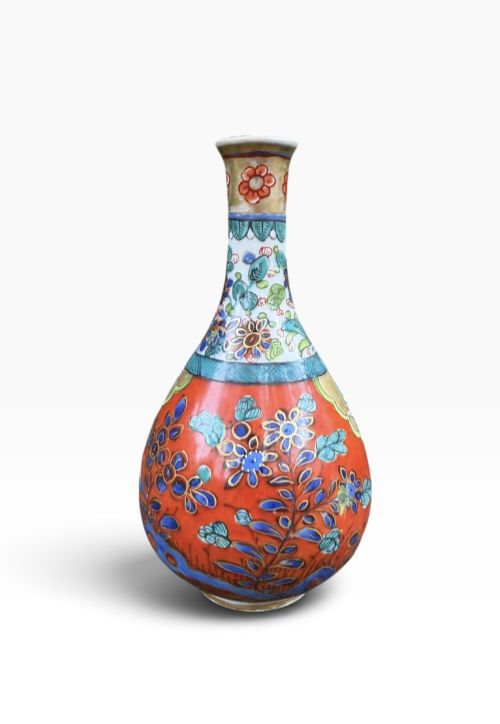
Some examples incorporate additional enamels or copper-red pigments alongside the cobalt underglaze, while others rely entirely on tonal blue washes and crisp outline painting.
Erotic snuff bottles from the Daoguang period reveal that imperial artisans possessed a delightfully cheeky sense of humour.
What varies in quality
The distinction between standard wares and exceptional pieces lies in the precision of the cobalt painting and the clarity of the porcelain body. Finer examples display controlled brushwork, vibrant pigment depth, and carefully finished foot rims.
Provincial pieces and export wares often show looser execution, iron spots in the glaze, or slight distortion from the kiln, which reflect rapid production rather than master craftsmanship.
The Antique Chinese Blue White Glossary
- Cobalt Underglaze
- Pigment applied to the unglazed ceramic body before the glaze is applied and fired. This technique protects the blue decoration beneath a glassy layer.
- Charger
- A large ceremonial plate or platter used for serving or display. These wide surfaces often feature elaborate landscape or floral designs.
- Kangxi Period
- The era from 1662 to 1722 known for brilliant cobalt blues and fine porcelain bodies. Pieces from this time are highly sought after by collectors.
- Export Porcelain
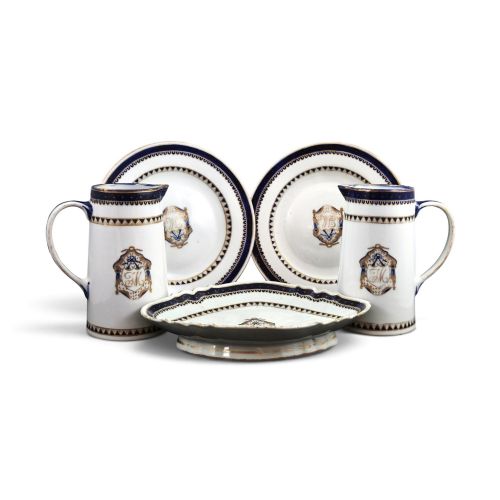
- Wares manufactured in China specifically for European and Western markets. These items frequently combine traditional Chinese forms with motifs suited to Western tastes.
- Brush Pot
- A cylindrical vessel used by scholars to hold writing brushes. Also known as a bitong, these objects are carved from porcelain or other materials.
Antique Chinese Blue White: Frequently Asked Questions
How do I date antique blue and white porcelain?
Dating relies on stylistic shifts in painting techniques, shape profiles, and baseline characteristics such as glaze texture. Reign marks can provide guidance, though many later pieces imitate earlier periods.
Examining the foot rim and the way the cobalt sits beneath the glaze also reveals the manufacturing era.
What is the difference between export and domestic wares?
Export wares were produced specifically for trade to Western markets, often featuring shapes and monograms tailored to foreign buyers. Domestic pieces adhered more strictly to traditional Chinese forms and symbolic motifs.
Both categories utilise cobalt underglaze on porcelain bodies.
How should I display large chargers safely?
Large chargers and platters require stable wall hangers designed for heavy ceramics or secure plate stands with adequate depth. Placing them away from high traffic areas prevents accidental knocks.
Direct sunlight does not harm the cobalt glaze, but stable humidity protects the ceramic body.