

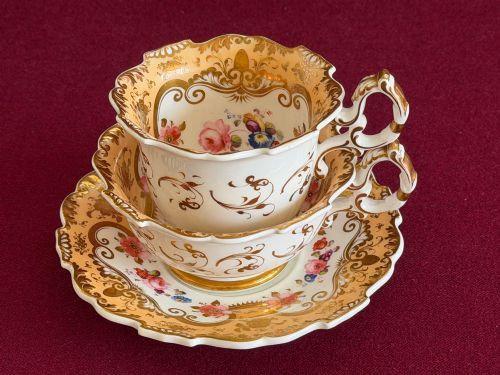
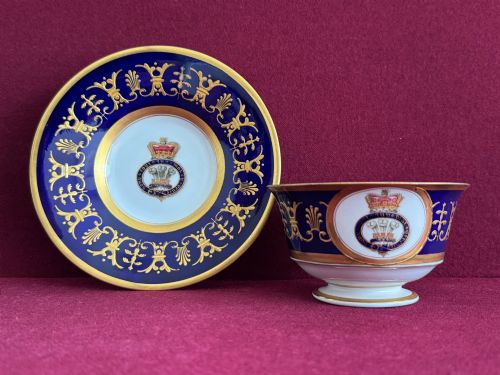
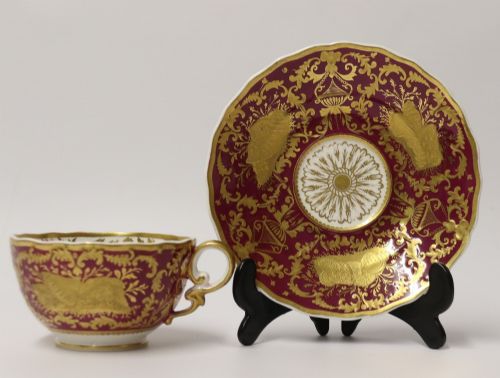
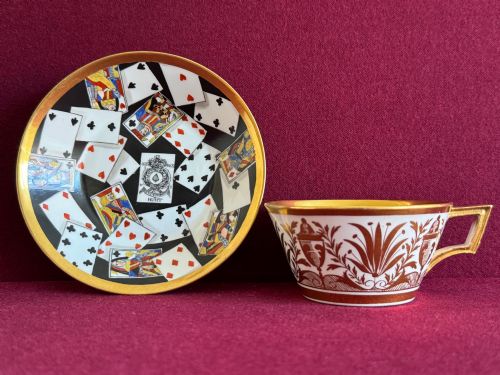

Antique China Cup Saucer
These antique china cup saucer sets bring the elegance of Georgian and Regency breakfast tables directly into modern hands.
Antique China Cup Saucer
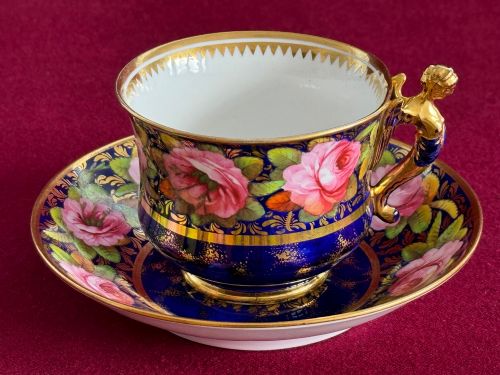
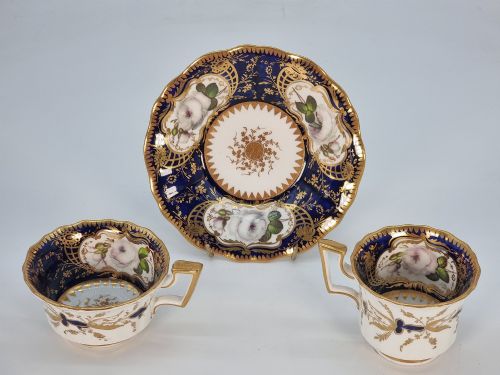
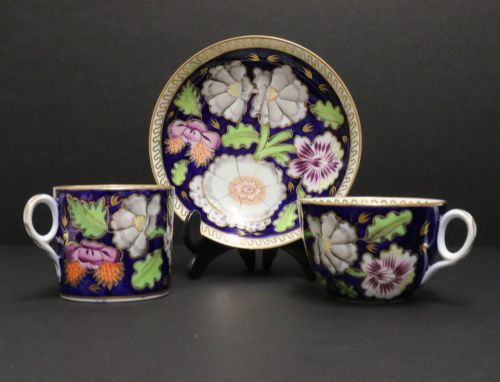
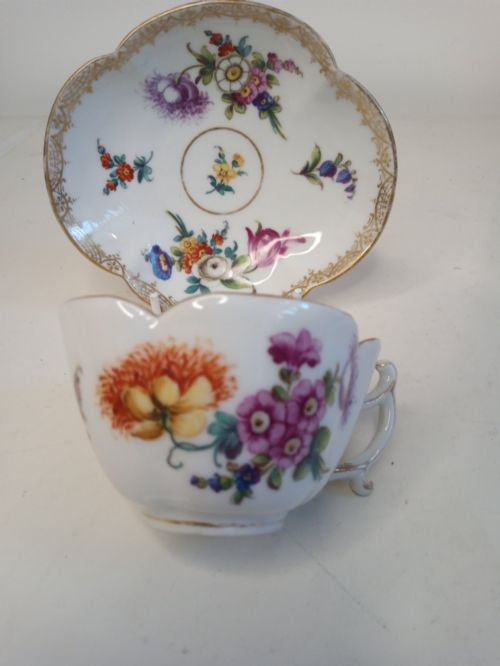
An antique china cup saucer combination represents the height of historical ceramic design, spanning periods from the 18th century through to the Edwardian era. Collectors searching for an antique china cup saucer encounter delicate porcelain vessels shaped for tea or coffee, often accompanied by matching bowls or plates forming trios and services.
The pieces on this page originate predominantly from distinguished English factories like Worcester, Coalport, and Derby, alongside Chinese Export wares destined for European markets. Forms range from handleless tea bowls of the Georgian period to heavily gilded Regency cabinet cups and later Victorian afternoon tea sets.
Materials and construction
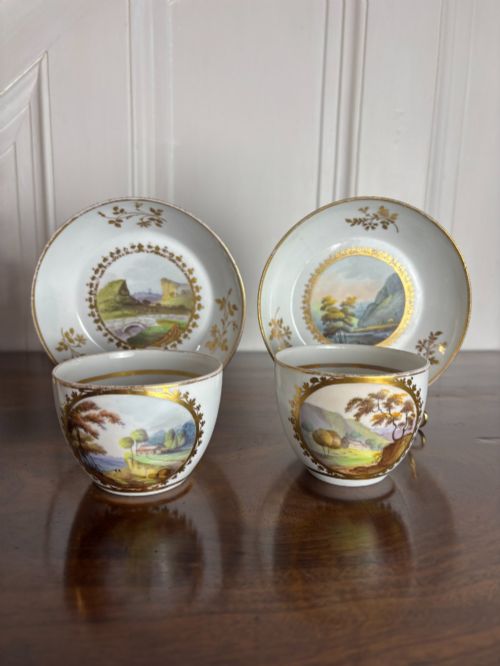
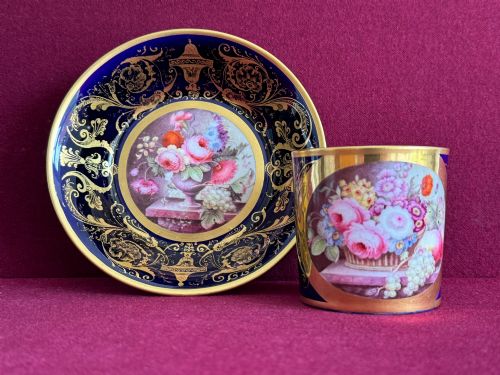
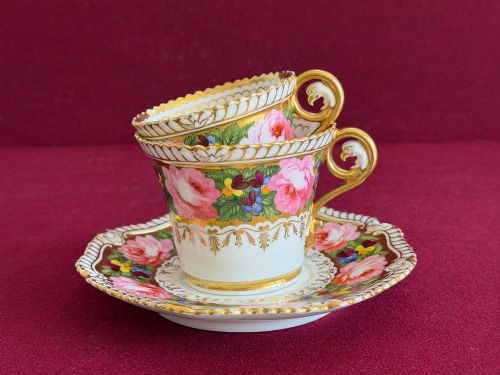
Potters utilised fine porcelain, soft-paste porcelain, and bone china as the primary bodies for these wares, shaping them either by wheel or in moulds. Artisans applied hand-painted enamels directly to the glazed surfaces, depicting landscapes, botanical studies, and exotic birds.
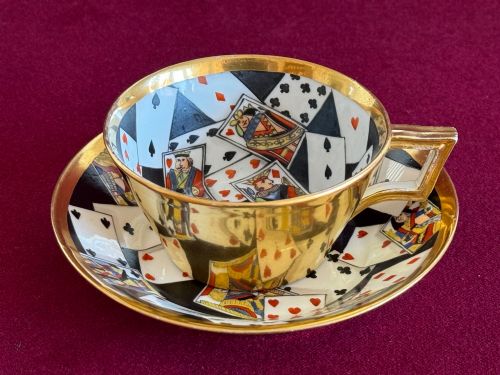
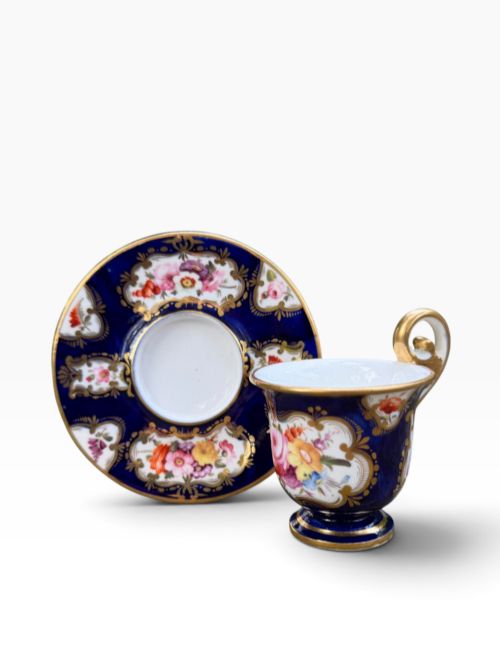
Gilding played a central role in finishing these vessels, with gold leaf and gold gilt applied by hand to rims, handles, and borders. Kiln firing fixed the pigments and metals permanently into the glaze, creating the durable yet fragile surfaces seen today.
Antique China Cup Saucer Retail Price Guide 2026
Typical asking prices for china cup saucer among the pieces listed under this phrase on Sellingantiques today, from the lower quarter to the upper quarter. They describe what is for sale here now, not the wider market.
Listings feature porcelain, bone china, and soft-paste bodies decorated with gold leaf, enamel, and hand-painted landscapes from the Georgian to Edwardian periods.
Distinctions in quality
The finest examples display meticulous hand-painted details by named or recorded decorators, whereas standard production relies on simpler transfer-printed outlines filled with flat colour. Superior pieces exhibit translucent bodies, crisp moulding without distortion from the kiln, and thick, burnished gold gilding.
Design complexity also separates standard items from exceptional ones, such as bespoke service pieces created for nobility compared to commercial domestic wares. The prestige of the original manufactory, from Flight, Barr & Barr Worcester to early Derby, elevates the standing of individual sets.
Spode·Barr and Barr·Duesbury and Kean·Minton·Coalport·H and R Daniel·Chamberlain Worcester·Newhall·Royal Worcester
The Antique China Cup Saucer Glossary
- Soft-Paste Porcelain
- An artificial porcelain composition fired at lower temperatures than true hard-paste porcelain. It produces a warm, slightly creamy body frequently found in 18th-century English wares.
- Coffee Can
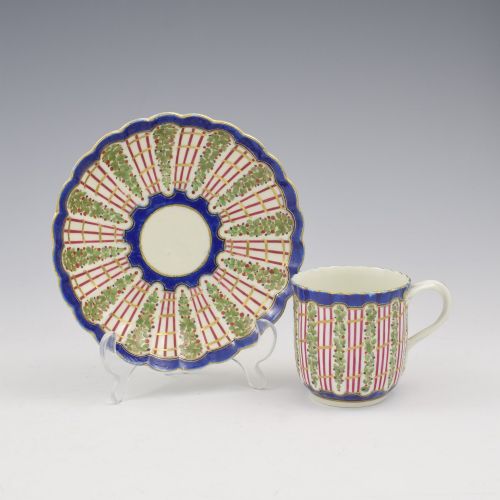
- A straight-sided cylindrical cup designed specifically for drinking strong black coffee during the 18th and early 19th centuries. They frequently accompany saucers in matched trios.
- Tea Bowl
- A small, handleless drinking vessel used before the widespread adoption of handled teacups in Europe. Drinkers held them in both hands to sip tea.
- Cabinet Cup
- A decorative cup made primarily for display in a cabinet rather than for regular use. These pieces often feature elaborate hand-painted scenes and heavy gilding.
- Trio
- A matched set consisting of a teacup, a coffee cup or tea bowl, and a saucer. They were popular components of Georgian and Regency tea services.
Antique China Cup Saucer: Frequently Asked Questions
How do I date an antique teacup?
Dating relies on identifying factory marks stamped or painted on the base, alongside stylistic clues such as handle shapes and ceramic bodies. Early pieces from the Georgian era often feature handleless tea bowls or soft-paste porcelain bodies.
Later Victorian and Edwardian items transition to harder bone china and more standardised forms. Comparing the pattern number with factory production records narrows the manufacturing decade further.
What is the difference between a teacup and a coffee can?
Teacups are typically wider and shallower, often featuring a delicate handle designed for holding with fingertips. They were shaped to allow hot tea to cool down quickly.
Coffee cans are taller, straight-sided cylindrical vessels with more robust handles. Their deep profile kept strong black coffee warm longer during breakfast or after-dinner service.
Why do some saucers not have a centre well?
Early saucers lack the recessed central well found in modern designs because they were originally used for drinking tea directly. Drinkers would pour hot tea from the bowl into the saucer to cool it before consumption.
As etiquette shifted in the 19th century, saucers evolved to hold the cup securely in place. The flat centre also accommodated the wider base of early coffee cans.