
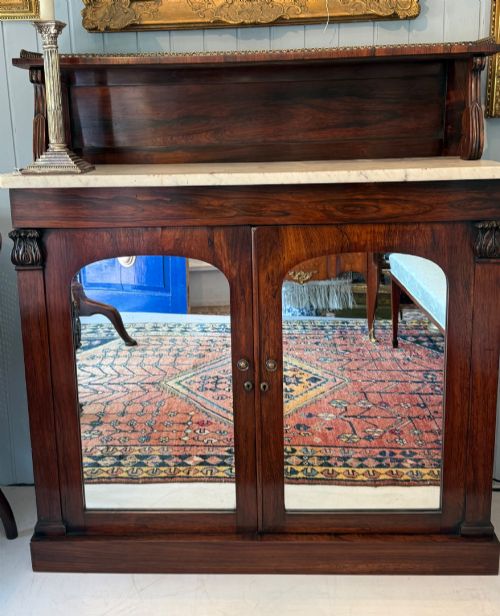
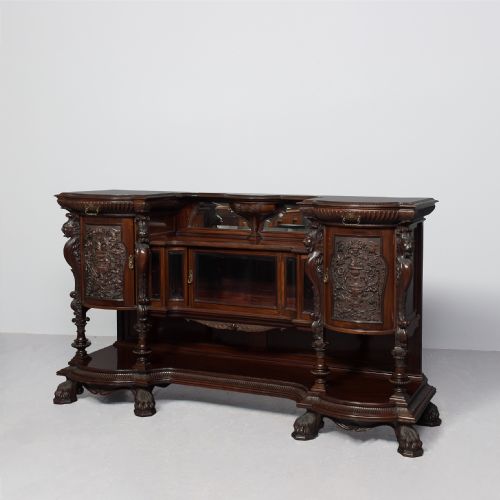
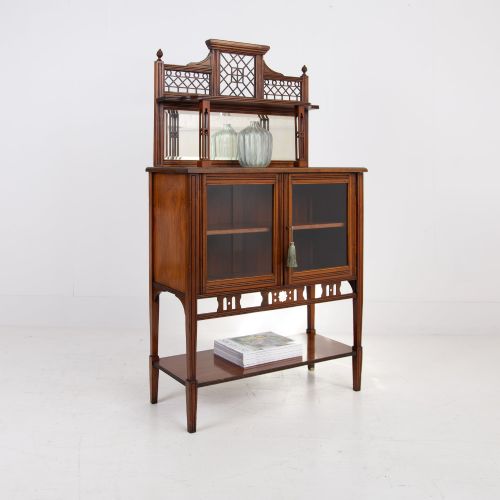
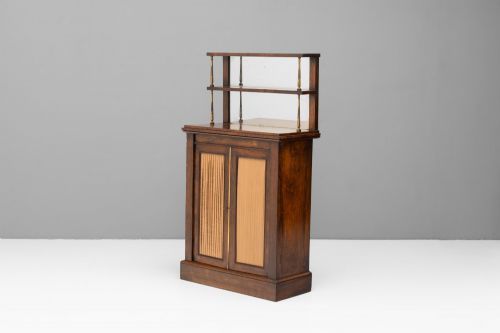

Antique Chiffonier with Mirror
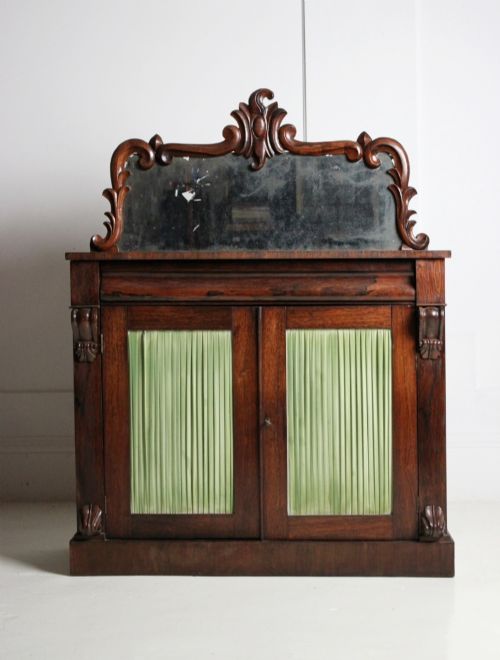
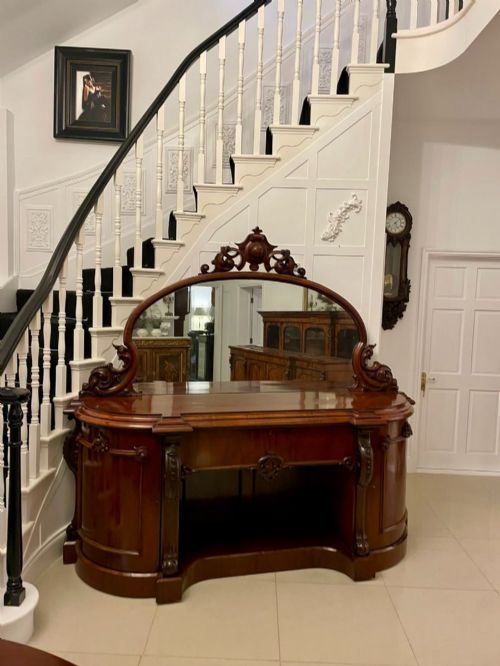
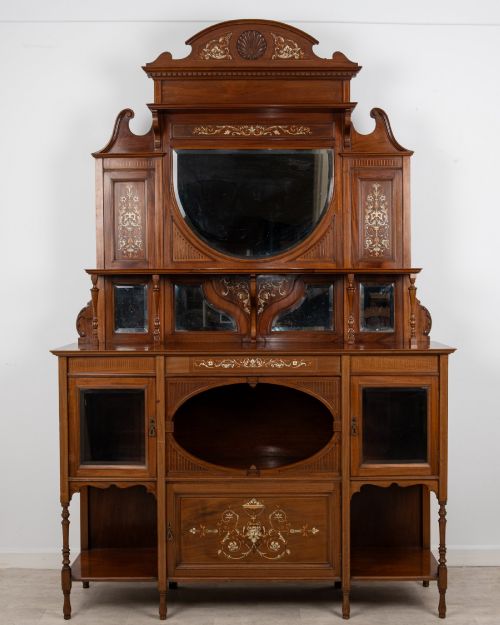
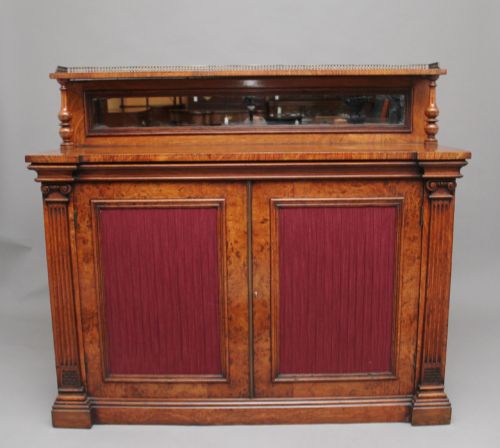
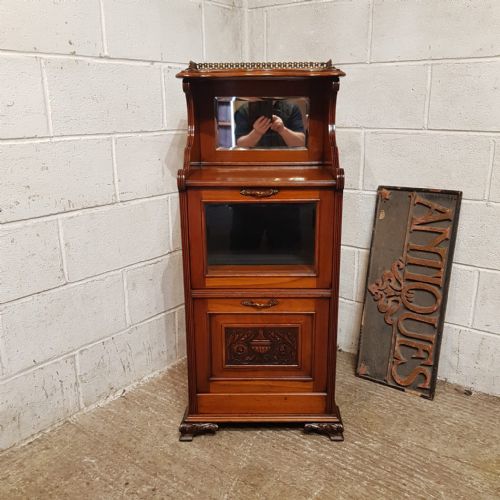
An antique chiffonier with mirror combines a low side cabinet with reflective glass, bringing practical surface space and light into a room.
Antique Chiffonier with Mirror
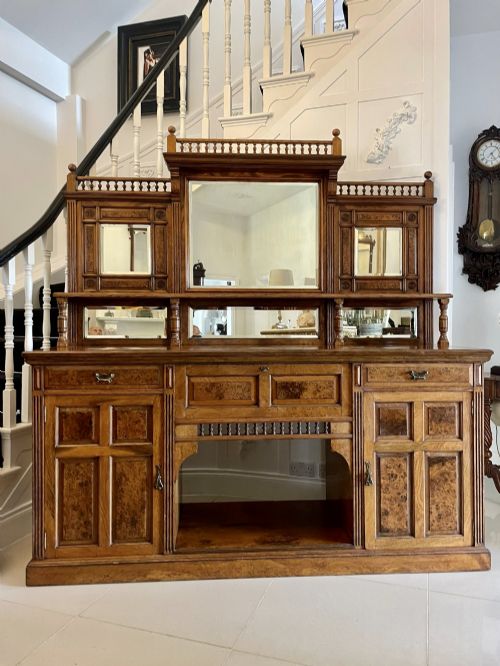
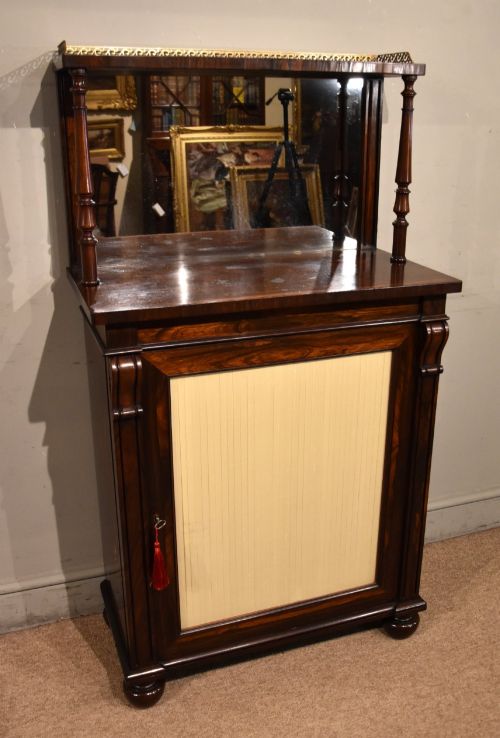
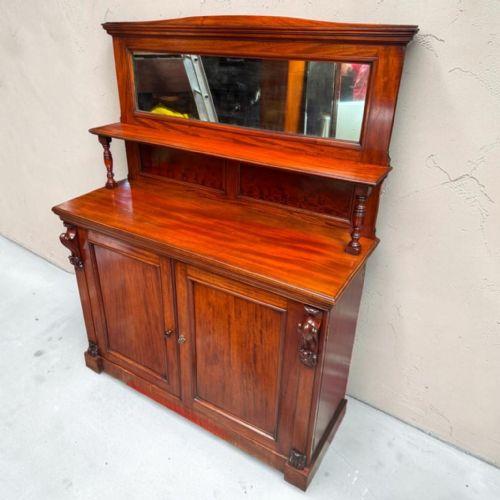
The antique chiffonier with mirror stands as a versatile low storage piece that evolved from sideboards and side cabinets during the nineteenth century. Buyers searching for this form encounter various expressions ranging from compact Regency rosewood models to substantial late Victorian carved mahogany cabinets.
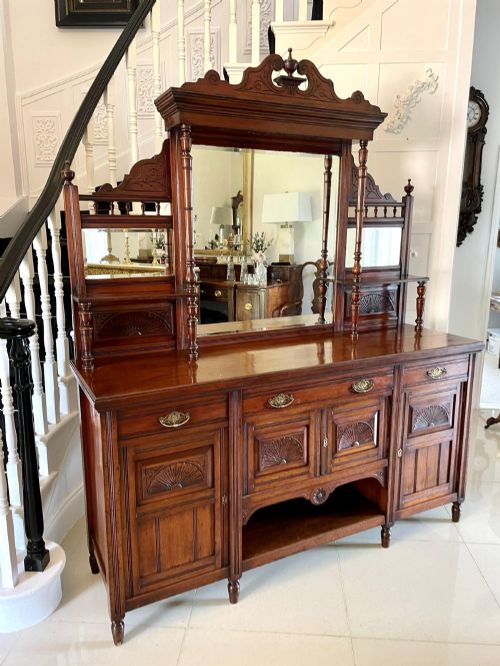
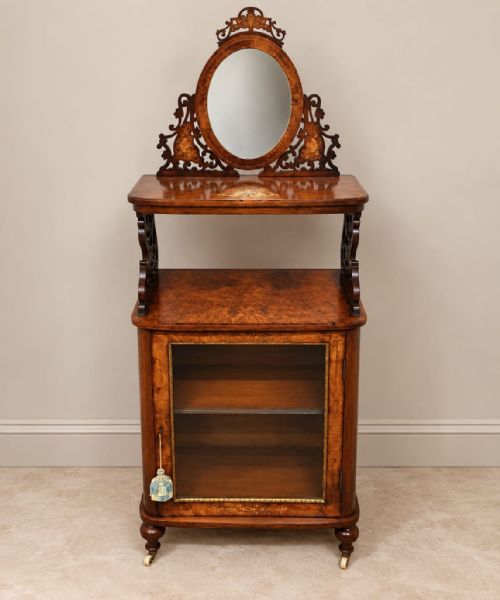
Makers produced these cabinets in forms that often incorporated raised mirror backs, glass panels, and cupboard storage beneath. The selection spans Georgian, Regency, Victorian, and Edwardian periods, utilising timbers such as mahogany, rosewood, oak, and burr walnut.
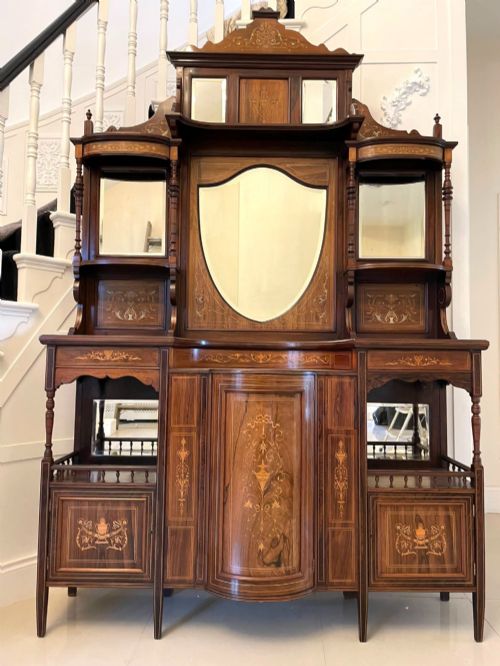
Objects catalogued under this description frequently overlap with related forms like credenzas, sideboards, and display cabinets. Pieces from the later nineteenth century often feature elaborate marquetry or mirror-back structures, while earlier examples display restrained brass inlay and figured veneers.
Materials and construction methods
Cabinet makers constructed these pieces using dense hardwoods including mahogany and rosewood, frequently selecting figured veneers for primary display surfaces. Oak and pine often served as secondary woods for internal framing and drawer construction.
Decoration relied heavily on contrasting brass inlay, intricate marquetry, and carved wooden detailing. Polished mirror glass was integrated into the superstructure, supported by timber frames that matched the main cabinet body.
Some Victorian cabinet makers secretly hid extra shelves inside cupboards just to surprise future housemaids.
What distinguishes finer examples
Quality rests in the selection of timber veneers and the precision of brass or marquetry inlay across the facade. Finer pieces display harmonious proportions between the lower cabinet and the fitted mirror superstructure.
The integrity of the original mirror glass and the crispness of carved elements distinguish superior workshop production. Interior construction details, such as solid secondary timbers and original brass hardware, further indicate a higher standard of manufacture.
The Antique Chiffonier with Mirror Glossary
- Chiffonier
- A low sideboard or cabinet, typically featuring enclosed shelving or cupboards below a surface or superstructure. It developed as a functional piece for dining rooms and parlours during the Regency and Victorian eras.
- Marquetry
- The art of applying decorative veneer pieces in wood, brass, or other materials to form geometric or floral patterns. This technique appeared frequently on late nineteenth-century side cabinets.
- Breakfront
- A cabinet design where the central section projects forward from the flanking outer sections. This architectural arrangement adds depth and visual interest to larger sideboards and chiffoniers.
- Burr walnut
- A prized timber harvested from the gnarled growths of the walnut tree, showing intricate swirling grain patterns. Cabinet makers utilised it on high-status Victorian pieces.
- Regency
- An architectural and decorative style spanning the early nineteenth century, characterised by classical restraint and brass inlay. Pieces from this period often employ dark rosewood and figured mahogany.
Antique Chiffonier with Mirror: Frequently Asked Questions
What is an antique chiffonier with mirror?
An antique chiffonier with mirror is a low storage cabinet featuring an attached mirror back, designed primarily for nineteenth-century domestic interiors. These pieces provided a surface for serving or display while the mirror reflected light and objects within the room.
They bridge the gap between sideboards and smaller display cabinets, appearing in various revival styles across the Victorian and Edwardian periods.
How do I date a chiffonier?
Dating relies on examining the timber species, construction methods, and decorative motifs such as brass inlay or carved pediments. Regency pieces often show clean classical lines with rosewood, whereas Victorian examples tend toward heavier carving or burr walnut veneers.
Edwardian and later pieces frequently reflect revival tastes like the Chippendale Revival, utilising lighter oak or mahogany constructions.
Were these cabinets used in dining rooms?
These cabinets served multiple reception rooms, functioning in dining spaces for storing plate and glassware while acting as serving surfaces. They were equally common in drawing rooms and parlours for displaying decorative objects.
The inclusion of mirror glass helped brighten smaller living spaces by reflecting natural light from windows or candles.
What woods were used?
Cabinet makers utilised dense hardwoods including mahogany, rosewood, and oak for visible exterior surfaces. Burr walnut also appeared on high-status Victorian cabinets to create dramatic figured grain patterns.
Secondary timbers like pine and oak were typically employed for internal carcases, drawer linings, and structural framing.