


Antique Chest with Slide
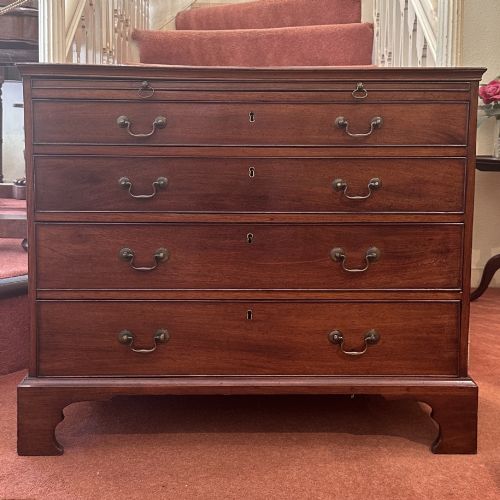
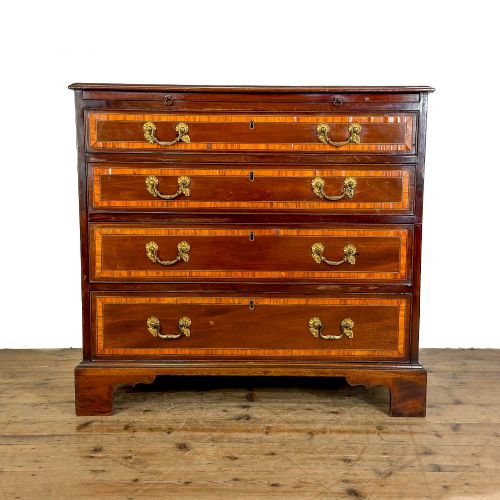
An antique chest with slide combines generous drawer storage with a pull-out shelf designed for writing or sorting clothes.
Antique Chest with Slide
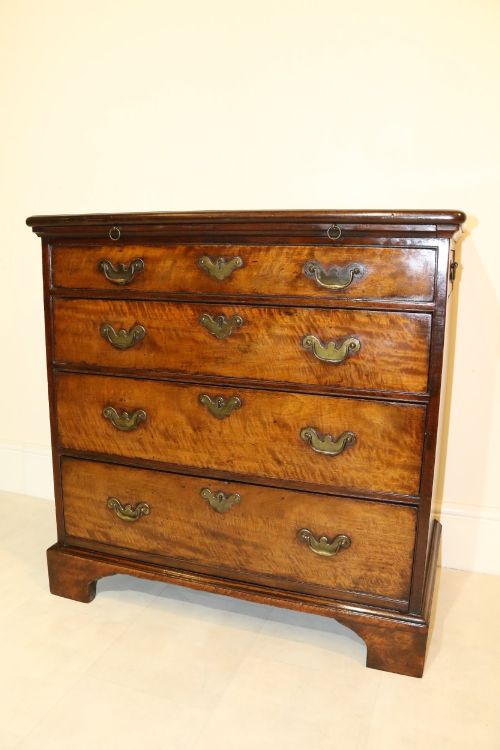
When searching for an antique chest with slide, collectors encounter case furniture primarily built during the Georgian and 18th century periods. These pieces serve as functional storage units outfitted with a horizontal pull-out board positioned above the main drawers.
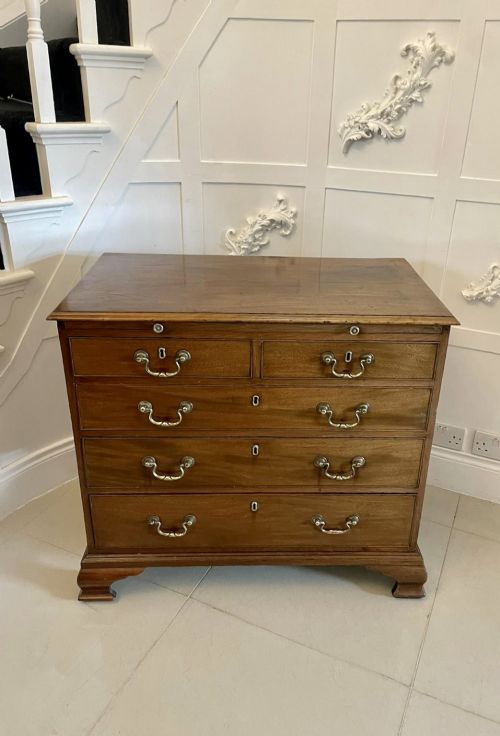
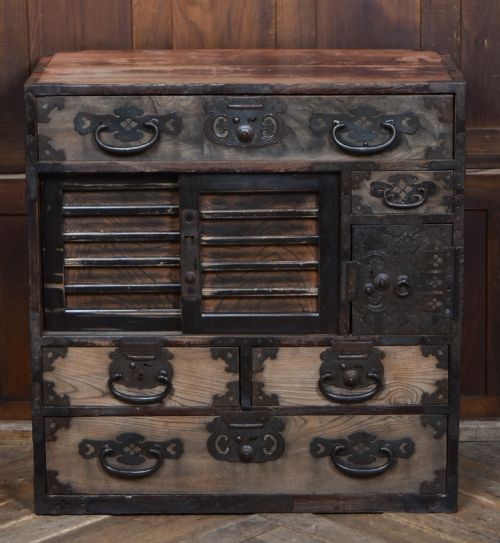
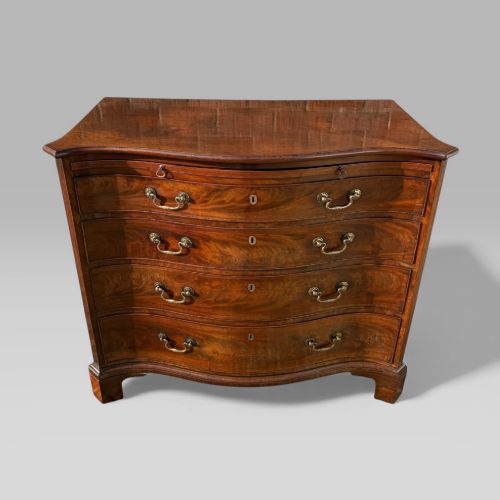
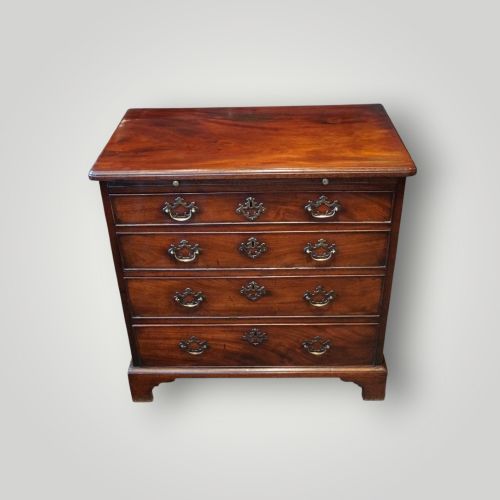
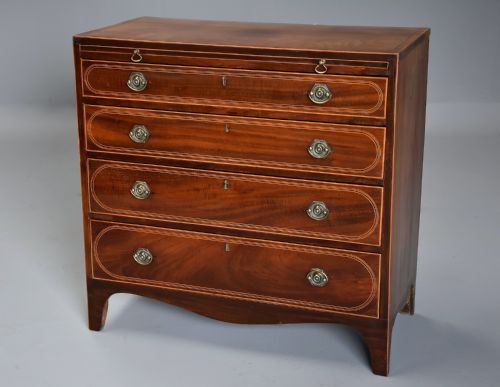
The version most commonly met on this page is the mahogany bachelor's chest or small chest of drawers featuring a fitted brushing slide. Variations also include oak, walnut, and burr walnut examples across George II, George III, and Edwardian periods.
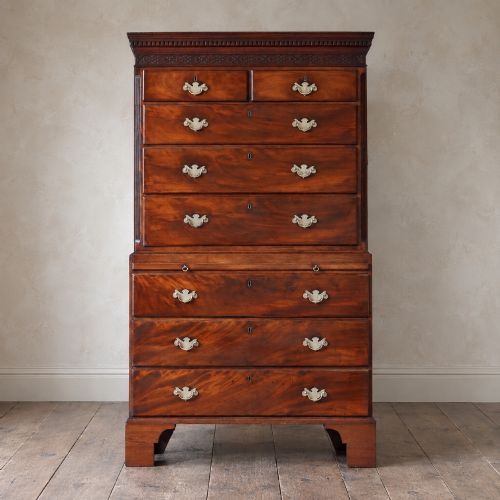
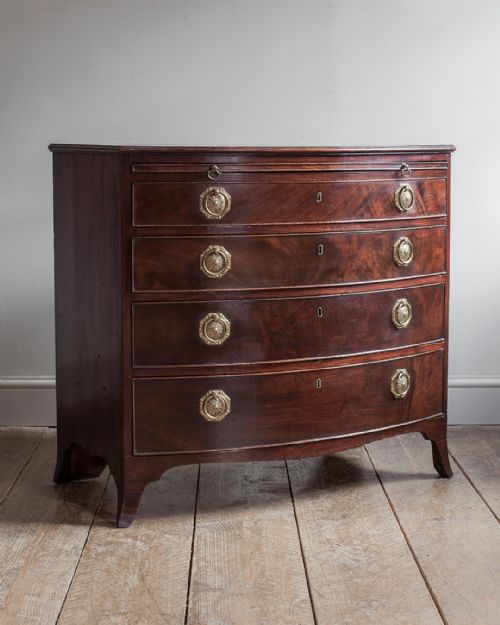
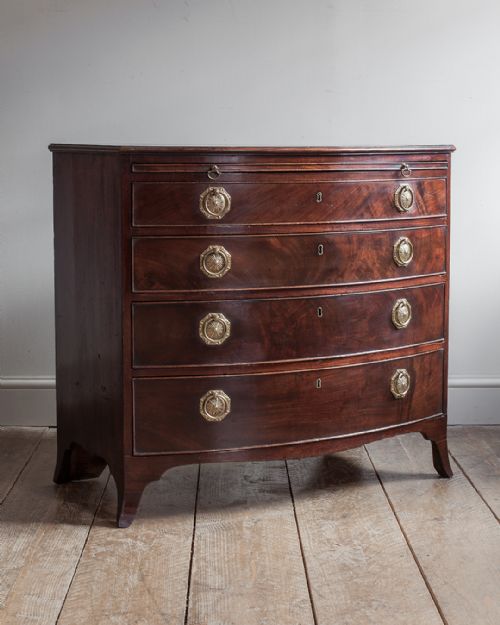
Forms range from standard chests of drawers and bowfront commodes to taller chest on chest structures and linen presses. Many incorporate fitted writing desks or internal compartments alongside the primary sliding panel.
How they were made
Cabinetmakers constructed these pieces predominantly using solid and figured mahogany, oak, and walnut, frequently applying burr walnut veneers for decorative grain patterns. Secondary timbers such as cedar appear internally within drawer linings.
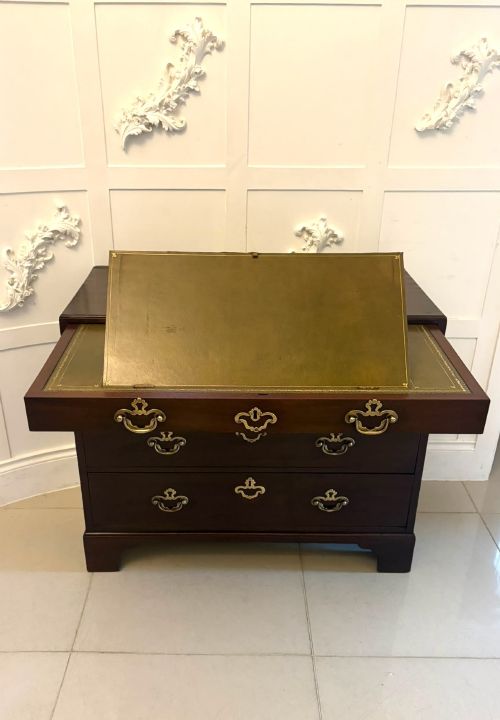
Hardware elements incorporate cast brass handles and escutcheons secured to drawer fronts. Internal surfaces often utilise green baize or leather inserts on the pull-out slide to facilitate writing or protect garments.
Antique Chest with Slide Retail Price Guide 2026
Typical asking prices for chest with slide among the pieces listed under this phrase on Sellingantiques today, from the lower quarter to the upper quarter. They describe what is for sale here now, not the wider market.
Listings feature mahogany, oak, and walnut timbers spanning the Georgian, Regency, and Edwardian eras.
What varies in quality
Proportions dictate the standing of a piece, with smaller dwarf models and balanced serpentine or bowfront designs commanding greater appreciation. The selection of timber grain, particularly figured or flame mahogany and matched burr walnut, elevates the visual depth.
Originality of surface finish and the retention of primary patination define the integrity of the construction. Smooth operation of the sliding mechanism and dovetailed drawer construction further distinguish finer workshop output.
The Antique Chest with Slide Glossary
- Brushing slide
- A pull-out shelf integrated into the upper section of a chest, historically used for brushing clothes or as a temporary writing surface.
- Bachelor's chest
- A compact form of chest of drawers featuring a sliding board, traditionally scaled for smaller domestic chambers.
- Chest on chest
- A tall storage unit comprising a larger lower chest surmounted by a slightly narrower upper chest, occasionally incorporating a slide in the waist moulding.
- Serpentine
- A front profile shaped in a gentle undulating curve, flowing outward at the centre and inward at the sides or vice versa.
- Patina
- The surface sheen and mellowing developed by wood over centuries of exposure and handling.
- Flame mahogany
- Timber cut from the fork of the mahogany tree to produce a distinctive, flickering flame-like grain pattern.
Antique Chest with Slide: Frequently Asked Questions
What was the slide used for?
The pull-out board functioned as a convenient shelf for folding garments or dusting fabrics away from the main top surface. Owners also utilised the platform for casual correspondence before dedicated writing desks became common.
Over time, many slides received baize or leather inserts to serve specifically as impromptu writing desks within bedchambers.
How do I date a chest with slide?
Dating relies on identifying timber choices, construction methods, and hardware styles associated with specific reigns such as George II or George III. Earlier 18th century examples frequently display solid walnut or early mahogany with hand-cut dovetails.
Later Edwardian and revival pieces exhibit standardised machine-cut elements and distinct secondary woods beneath the exterior veneers.
Where should I place this chest at home?
These compact chests suit entryways, living rooms, or master bedrooms where floor space is limited yet storage is required. The manageable proportions of dwarf and bachelor variants allow them to function effectively as bedside units or lamp tables.
Keeping the piece away from direct heat sources prevents timber shrinkage and protects the movement of the sliding shelf.
What is the difference between a bachelor chest and a standard chest?
A bachelor chest is generally smaller in scale and specifically incorporates the pull-out brushing slide beneath the top surface. Standard chests of drawers focus purely on vertical storage volume without necessarily including auxiliary writing or sorting platforms.
Many bachelor chests also feature specialised top drawers fitted with small compartments or writing ledges.