
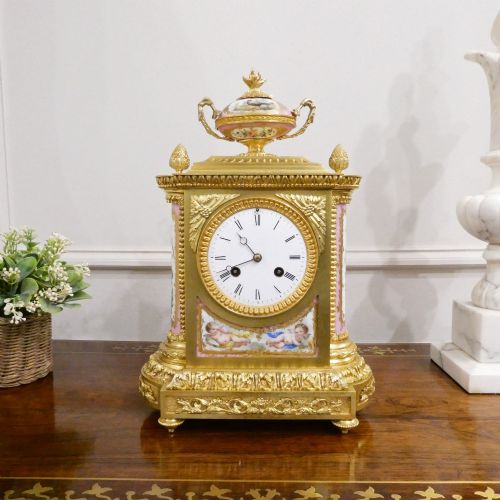


Antique Cherub Timepiece
An antique cherub timepiece brings sculptural bronze and brass figures together with precise mechanical movement, offering both decorative presence and dependable timekeeping.
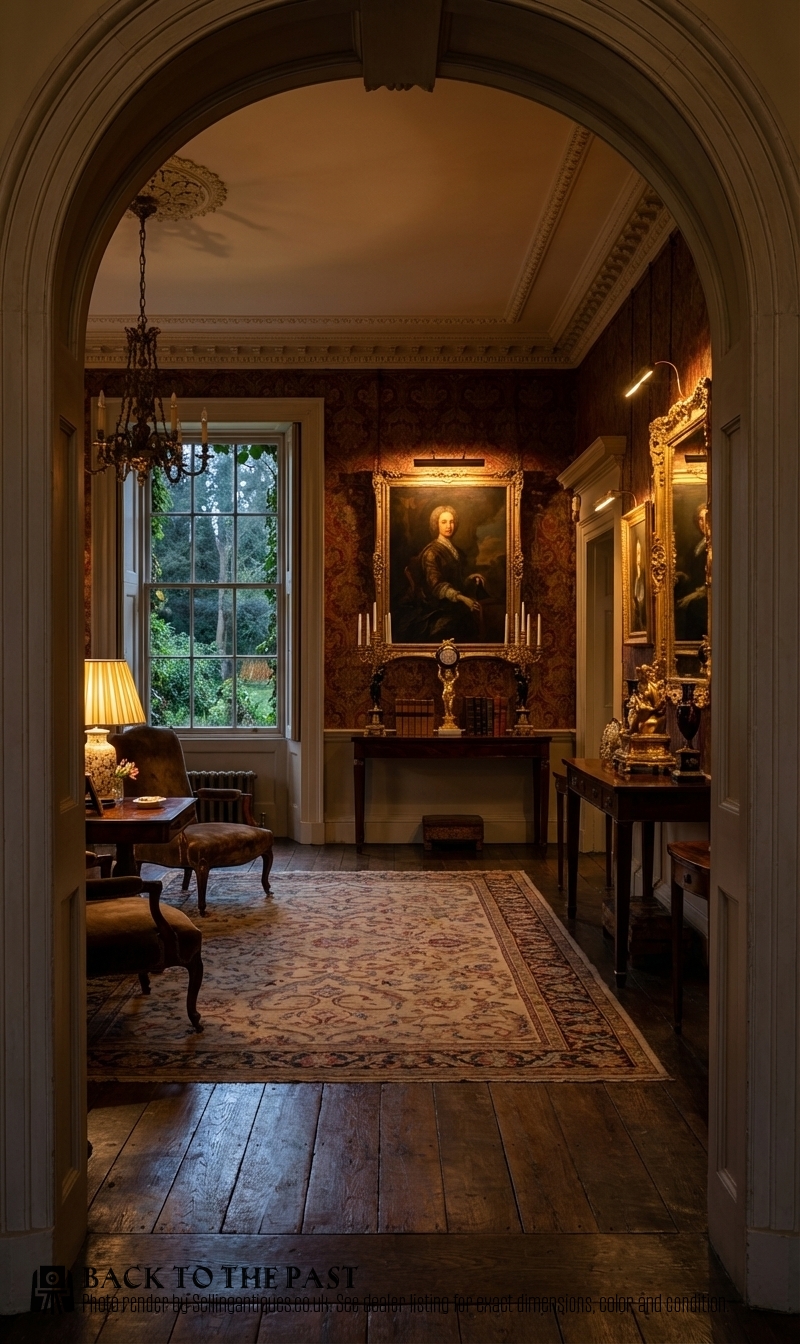
Antique Cherub Timepiece
An antique cherub timepiece presents sculpted putti or cherubic figures integrated into mantel clocks, wall clocks, and desk pieces. These horizontal and vertical designs emerge primarily from nineteenth-century workshops, drawing upon classical and revival aesthetics.
Buyers frequently encounter French mantel clocks and clock garnitures fashioned from gilt bronze, ormolu, and marble. The cherub figures often interact with floral motifs, musical instruments, or celestial elements like globes and stars.
The selection ranges from Regency brass designs to elaborate Victorian French Rococo and Empire creations. These objects served both domestic utility and high-status interior decoration in period parlours and drawing rooms.
Materials and construction methods
Makers utilised cast bronze, gilt brass, and ormolu to form the structural cases and sculptural cherub figures. These metallic elements were frequently combined with white marble bases, hand-painted porcelain panels, and occasionally champleve enamel.
Clockmakers housed mechanical movements within these heavy metal housings, employing brass gear trains and enamel dials marked with Roman or Arabic numerals. Movement production often relied on established Parisian foundries and London watchmakers using fusee or eight-day striking systems.
Object types span mantel clocks, wall clocks, desk clocks, and complete clock garniture sets with matching decorative urns.
Distinguishing craftsmanship and finish
The refinement of the cast bronze or ormolu chiding separates standard production from exceptional examples. Superior pieces display crisp hand-chiselling on the metal surfaces, defining feather details on cherub wings and crisp foliate scrolls.
The integration of the sculptural figure with the timekeeping movement dictates overall quality. In finer examples, the cherub is cast as an intentional component of the architectural composition rather than an applied afterthought.
Jean-Baptiste Delettrez·Le Roy·Leon Message·Jollet et Cie·Samuel Marti·Le Roy and Fils·John Bennett·Henry·Baetens·Dumont·Farcot·Japy Freres
The Antique Cherub Timepiece Glossary
- Ormolu
- Gilded bronze produced by applying a mercury and gold amalgam to a bronze base and heating it until the mercury vaporised. This technique creates a durable, warm golden finish characteristic of French decorative objects.
- Fusee
- A conical pulley used in clock mechanisms to maintain even tension on the chain as the mainspring unwinds. This mechanism improves the timekeeping accuracy of the clock throughout its running cycle.
- Clock garniture
- A matching set consisting of a central clock flanked by decorative side pieces such as urns or candelabra. These sets were designed to display on a mantelpiece as a cohesive decorative unit.
- Putto
- A plump, naked male child figure frequently depicted in classical and revival art. In these pieces, putti represent cherubs and often interact with symbols of music, time, or nature.
- Cartel clock
- A wall-mounted clock housed in an ornamental case made of gilt bronze, brass, or carved wood. These pieces hang directly on the wall rather than resting on a shelf or mantel.
Antique Cherub Timepiece: Frequently Asked Questions
What is a mantel clock?
A mantel clock is a portable timepiece designed to sit on the shelf above a fireplace. These domestic objects combined mechanical timekeeping with sculptural metal and marble cases.
They served as functional furniture and decorative centrepieces in nineteenth-century homes, often accompanied by matching garniture vases.
How do eight day movements work?
An eight-day movement requires winding approximately once a week using a specialised key. The internal brass gear trains control both the timekeeping escapement and the striking mechanism.
This development allowed household clocks to run reliably between manual interventions without daily winding.
Where were these clocks made?
The majority of these timepieces originated in French workshops, particularly in Paris, alongside contributions from London clockmakers. French makers specialised in gilt bronze and porcelain combinations.
English makers frequently utilised fusee movements housed in architectural or wall-mounted brass cases.
How do I care for a bronze clock?
Care involves keeping the timepiece away from direct heat sources and moisture to protect the gilt metal and enamel dials. Professional servicing of the mechanical movement is recommended periodically.
Gentle dusting with a soft, dry cloth preserves the original surface without damaging the fire-gilded finish.