

Antique Cherub Statue
An antique cherub statue brings classic winged grace to a room, cast in bronze, carved in wood or sculpted in marble.

Antique Cherub Statue
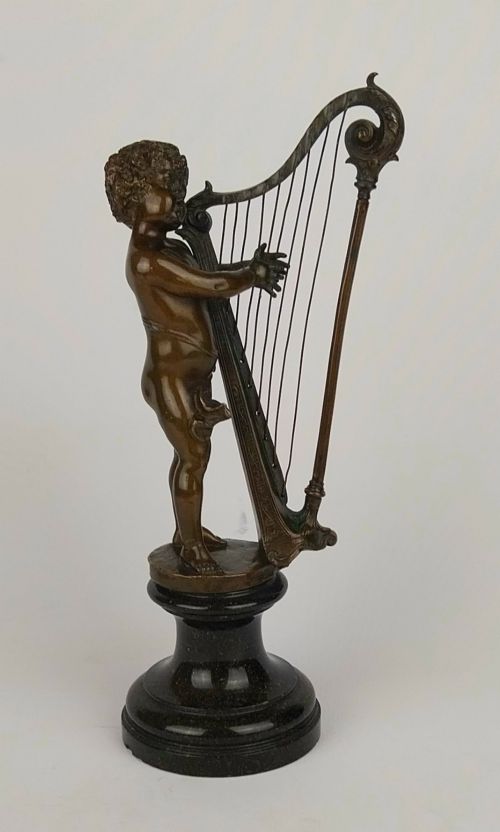
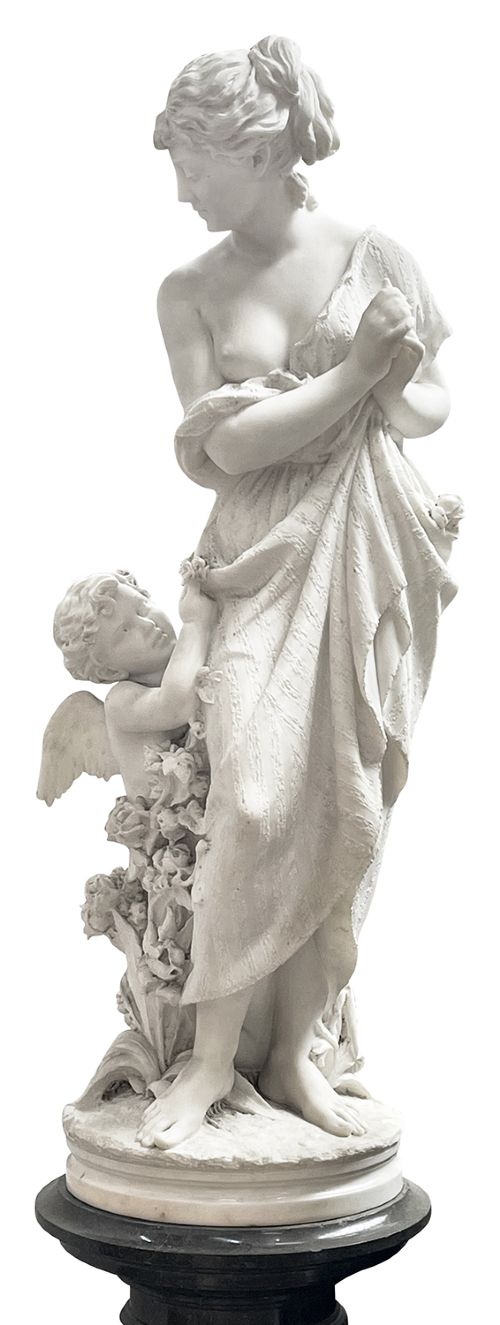
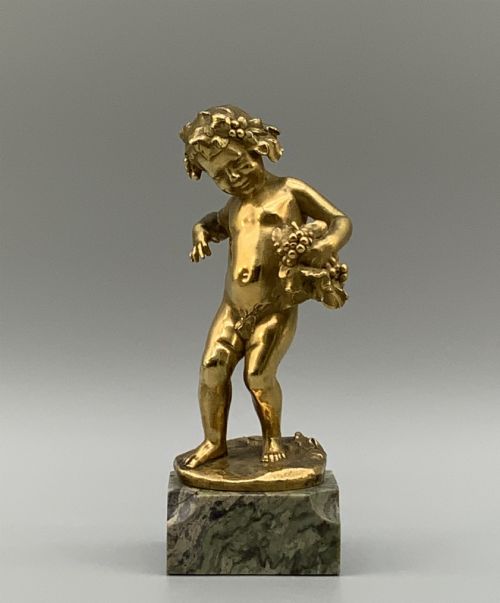
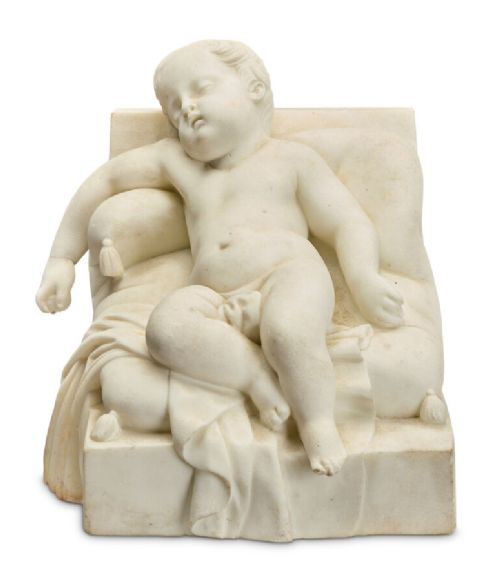
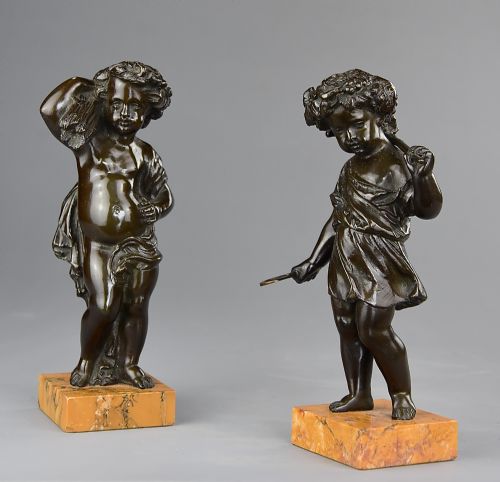
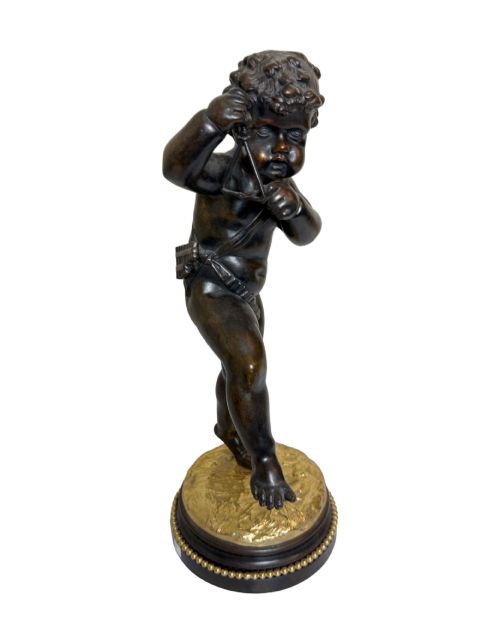
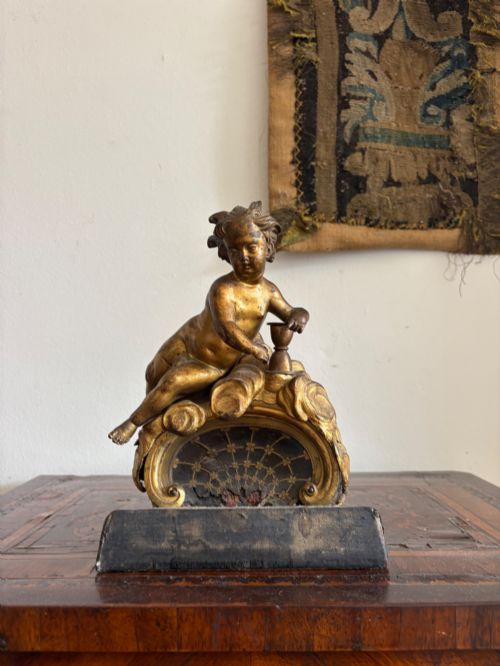
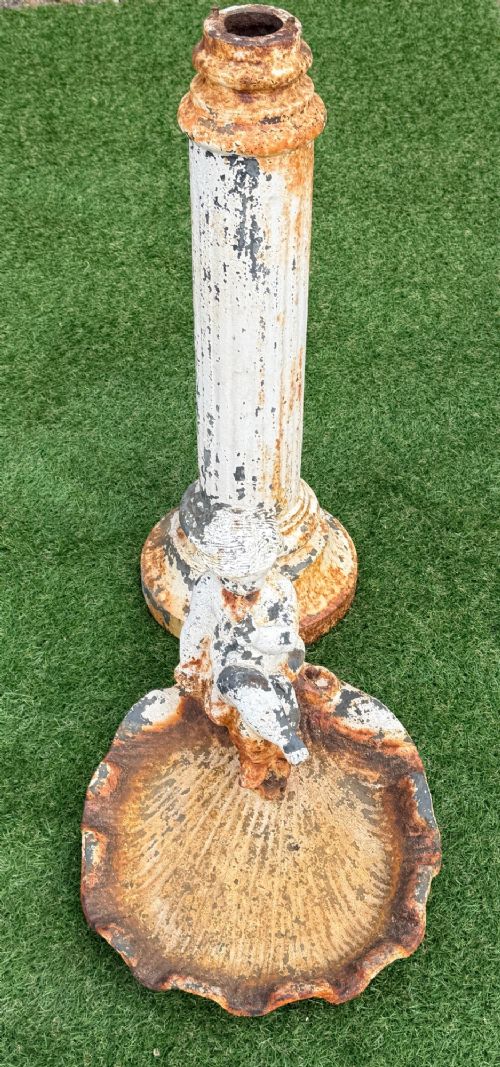
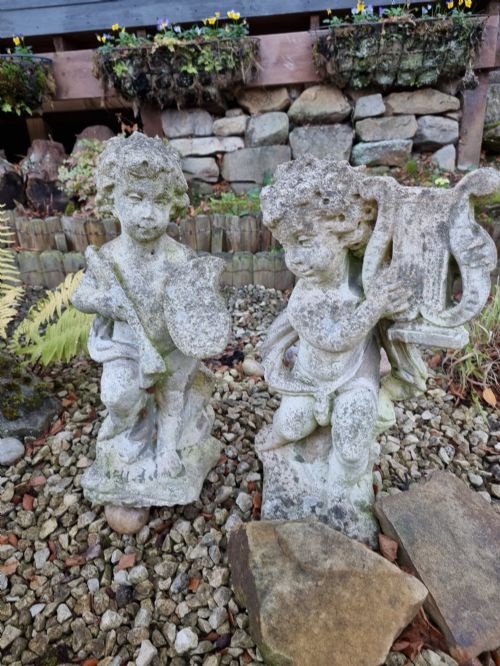
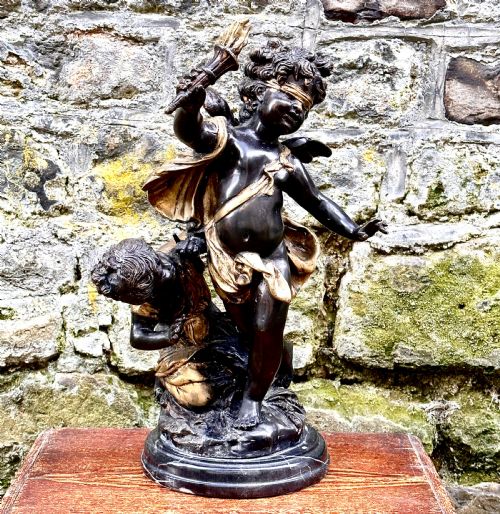
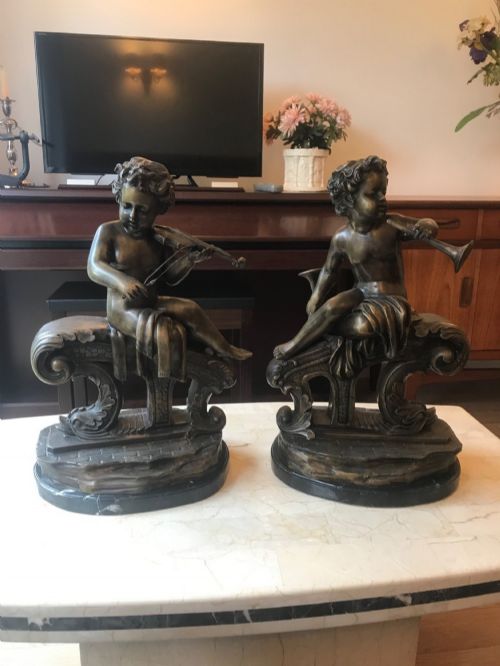
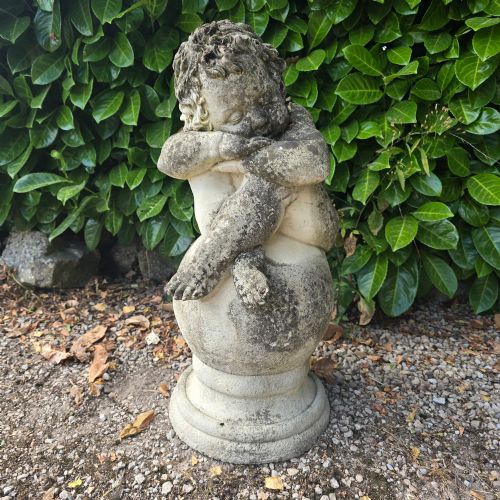
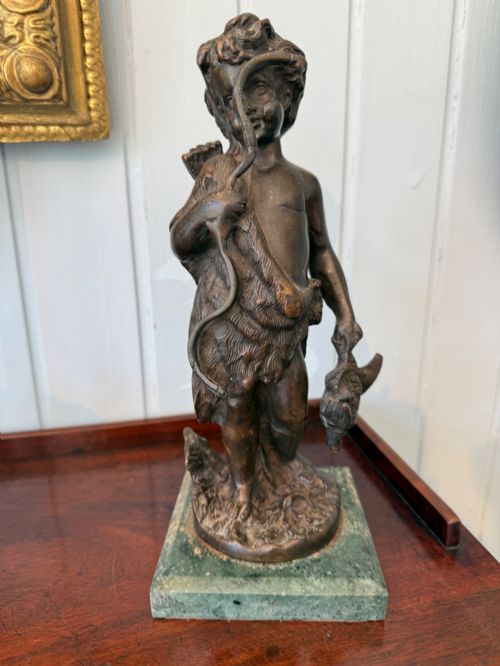
An antique cherub statue encompasses small desk figures, table lamps, architectural finials and large garden ornaments. These depictions draw on Neoclassical, Baroque and Rococo traditions, representing playful putti, winged cupids and musical angels.
The pieces on this page span the eighteenth, nineteenth and early twentieth centuries, originating from French, Italian, German and English workshops. Forms range from heavy garden stone and cast iron to delicate porcelain and gilt bronze.
How they were made
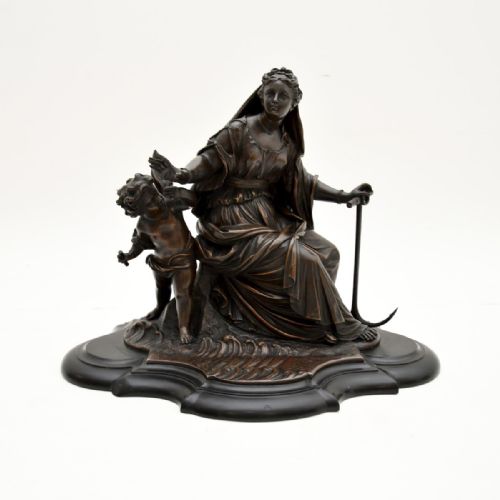
Foundry workers utilised lost-wax and sand-casting methods for bronze and brass figures, finishing the metal with rich patination, fire gilding or gold leaf. Stonework and garden statues relied on hand carving or durable cast compounds like reconstituted stone and lead.
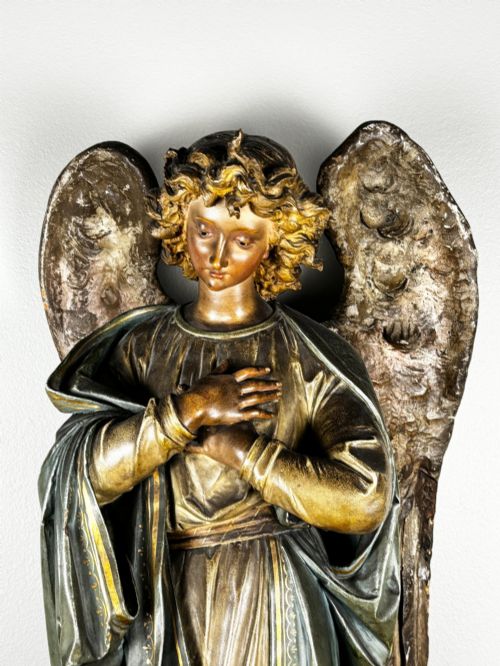
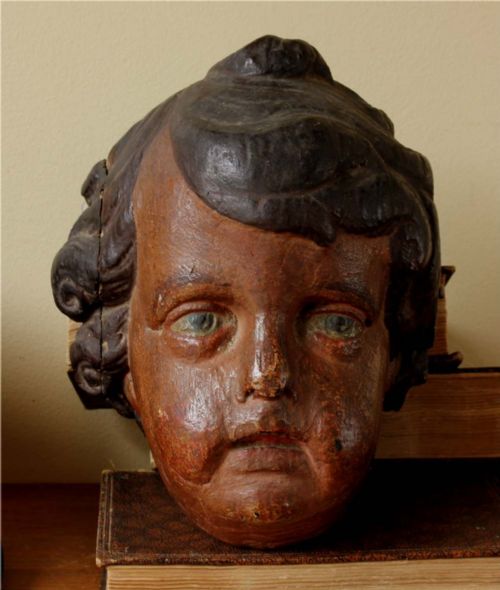
Wood carvers shaped lime and softwood figures with hand chisels, applying polychrome paint and gilding directly to the timber. Ceramic figures underwent high-temperature kiln firing, often finished with blanc de chine glazes or delicate overglaze colours.
Antique Cherub Statue Retail Price Guide 2026
Typical asking prices for cherub statue among the pieces listed under this phrase on Sellingantiques today, from the lower quarter to the upper quarter. They describe what is for sale here now, not the wider market.
Listings feature materials spanning cast bronze, carved lime wood, marble, terracotta, lead and reconstituted stone across multiple centuries.
What varies in quality
The distinction between ordinary production and superior work lies in the crispness of the chasing on bronze surfaces and the anatomical fluency of the carving. Master sculptors and established foundries achieved depth in hair, wings and drapery that lesser commercial copies miss.
Material selection dictates longevity and presence, with heavy marbles, fire-gilt bronzes and seasoned hand-carved woods sitting at the upper end of the craft. Surface treatments such as original patination or intact polychrome paint preserve the integrity of the piece over centuries.
Charles Louis Malric·Susse Freres·Claude Michael Clodion·H Schubert·Antonio Canova·Paul Scheurich·Richard Avrilli·George Kemper·Louis Auguste Moreau·Dumond
The Antique Cherub Statue Glossary
- Putto
- A plump, naked male child figure frequently found in classical art. They appear with or without wings in Renaissance and later revival styles.
- Ormolu
- Finely ground high-carat gold mercury-gilded onto a bronze object. This French technique produces a warm, durable metallic lustre.
- Grand Tour
- A cultural journey undertaken by wealthy young Europeans in the eighteenth and nineteenth centuries. Travellers collected small bronzes and marbles as souvenirs.
- Finial
- A decorative ornament fixed to the apex of a piece of furniture, clock or architectural mount. They often take the form of small winged figures.
- Blanc de chine
- A white porcelain glaze originating from Chinese kilns that European factories later imitated. It highlights the smooth contours of small figurative sculptures.
Antique Cherub Statue: Frequently Asked Questions
What is the difference between a cherub and a putto?
Art historical convention separates theological cherubim from secular putti, though nineteenth-century makers used the terms interchangeably. Putti represent mischievous mythological infants, while cherubs carry religious or celestial connotations.
Most decorative figures encountered in antiques are secular putti adapted from classical motifs for interior ornamentation or garden placement.
How do I care for a bronze cherub statue?
Bronze requires minimal maintenance beyond occasional dusting with a soft, dry cloth to prevent particulate buildup. Avoid chemical cleaners or abrasive polishes that strip away historical patination.
Applying a microcrystalline wax once a year protects outdoor or indoor metal from atmospheric moisture and oxidation.
Were these statues meant for gardens or interiors?
Antique figures served both domestic and exterior purposes depending on their material composition. Heavy lead, stone, cast iron and reconstituted stone were cast to withstand outdoor weathering in gardens.
Porcelain, ivory, carved wood and fine gilt bronze remained strictly indoors as mantel ornaments, table lamps or cabinet pieces.
How can I tell a nineteenth-century bronze from a later reproduction?
Period bronzes exhibit hand-chased surface details where the metalworker refined the raw casting using small punches and files. Base connections often utilise period fixings such as threaded hand-cut steel screws rather than modern slotted or Phillips hardware.
The weight, depth of patination and crispness of undercuts provide reliable indicators of nineteenth-century foundry work.