



Antique Cherry Side Table
An antique cherry side table brings warmth and rich grain to a room, offering practical surface space rooted in centuries of cabinetmaking.
Antique Cherry Side Table
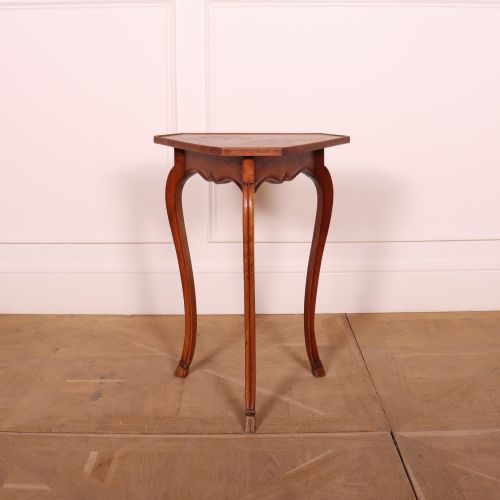
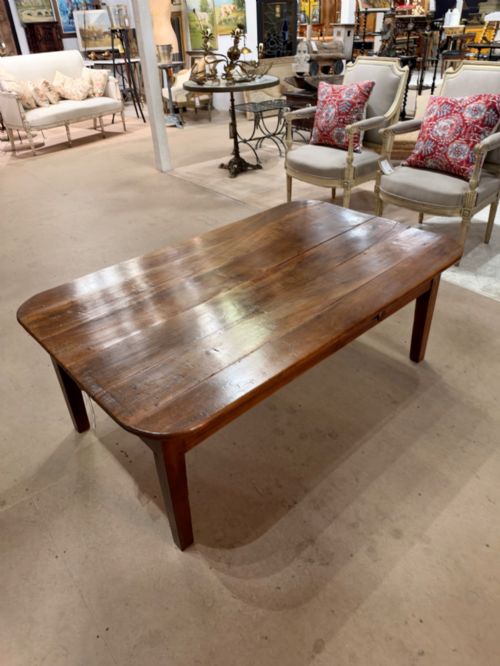
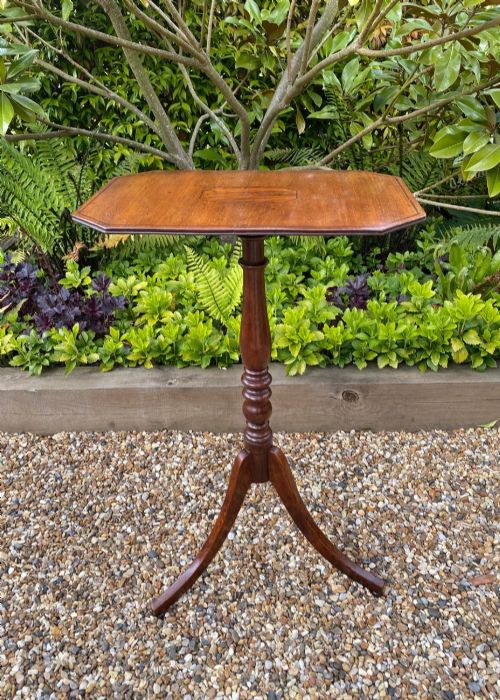
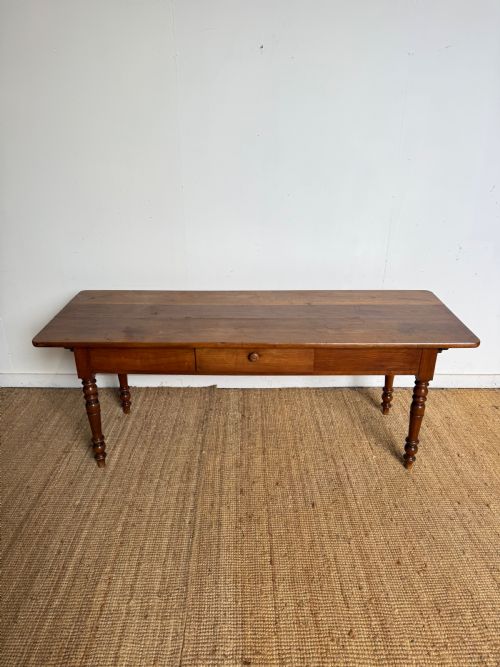
When searching for an antique cherry side table, buyers encounter a variety of forms ranging from compact bedside chevets and nightstands to occasional tables and lowboys. These pieces span multiple centuries, appearing in Georgian English designs, Colonial American craftsmanship, and French provincial styles.
The material itself defines the appearance, showcasing cherrywood alongside occasional secondary woods like maple or mahogany. Pieces frequently feature drawers, candle shelves, or stone tops depending on their regional origins.
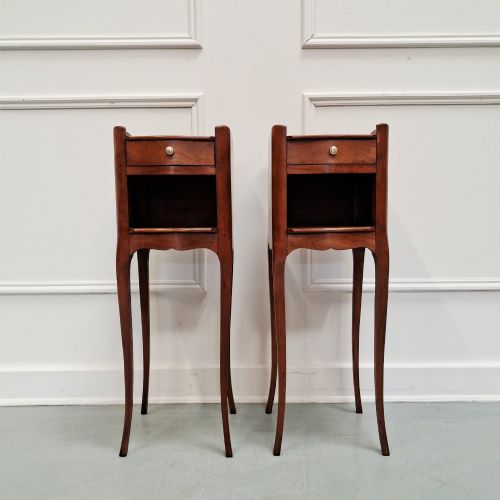
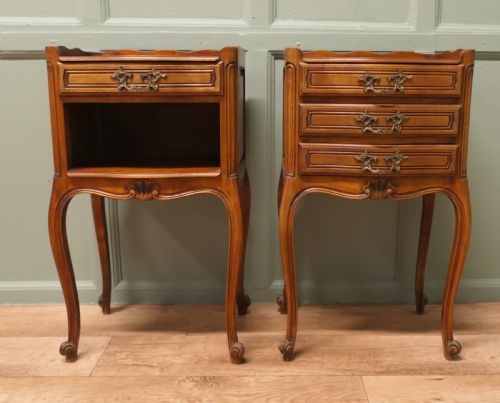
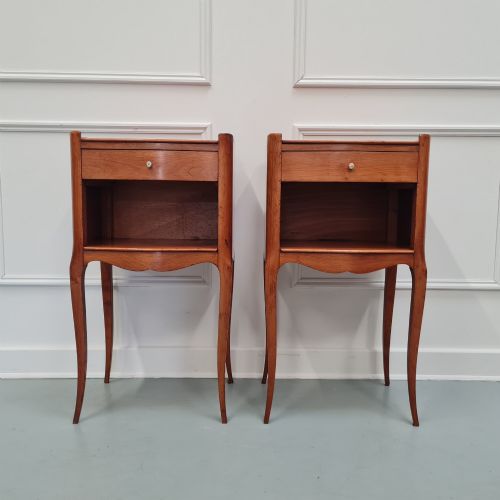
French regional examples from the nineteenth and early twentieth centuries dominate the selection, often taking the form of pairs or single bedside lockers with turned or slender legs. Alongside these, eighteenth-century lowboys and console tables provide formal alternatives for living spaces and hallways.
Materials and construction
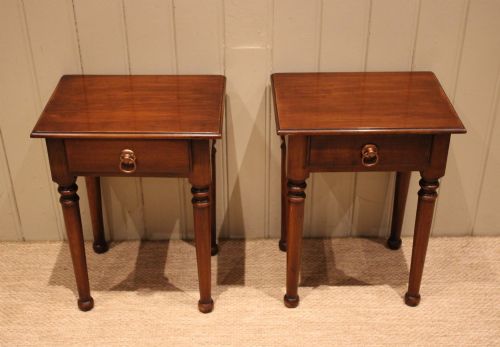
Cabinetmakers utilised solid cherry wood for its dense grain and capacity to take a deep, warm patina over time. Secondary timbers appear in internal drawer framing, while brass handles and hardware provide functional contrast to the warm timber.
Joinery methods rely on traditional hand-cut joints, turned legs, and occasionally wood inlay or stone inserts such as marble tops. Surfaces were finished to highlight the natural figure of the cherry, varying from simple waxed polishes to more formal French polished finishes.
Antique Cherry Side Table Retail Price Guide 2026
Typical asking prices for cherry side table among the pieces listed under this phrase on Sellingantiques today, from the lower quarter to the upper quarter. They describe what is for sale here now, not the wider market.
Listings feature periods spanning from the eighteenth century through to the 1930s, including Georgian and French Provincial styles.
What separates the finest examples
Quality rests in the choice of timber and the crispness of the turning on the legs. Superior pieces display carefully selected wood grain with a rich, uniform colour that develops naturally across the decades.
Proportion and restraint dictate the upper tier of pieces, where hardware is original and structural joins remain tight without excessive intervention. Regional idiosyncrasies and hand-carved details elevate provincial and Georgian examples above standard utility furniture.
The Antique Cherry Side Table Glossary
- Lowboy
- A small table with one or more drawers, originating in the eighteenth century and often used as a dressing table or side table.
- Chevet
- A small bedside table or nightstand, frequently found in French provincial furniture traditions.
- Console table
- A table designed to stand against a wall, sometimes serving as a serving table or small desk in domestic interiors.
- Occasional table
- A small, versatile table intended to be moved around a room as needed for drinks, books, or lamps.
- Wood inlay
- The technique of inserting pieces of contrasting timber into a depressed surface to form a decorative pattern.
Antique Cherry Side Table: Frequently Asked Questions
How do I clean cherry wood furniture?
Dust surfaces regularly with a soft, dry cloth to prevent the accumulation of grit.
Avoid harsh chemical cleaners and apply a quality beeswax periodically to nourish the timber and maintain its natural lustre.
Are these tables sturdy enough for daily use?
Most pieces were built by hand using traditional joinery designed for everyday domestic life.
While robust, they benefit from being placed away from direct heat sources and excessive moisture to protect the wood and finish.
How can I tell the period of a table?
Dating relies on examining the construction methods, handle types, and stylistic indicators such as leg turning or apron shapes.
Georgian and eighteenth-century examples display different proportions and joinery compared to later nineteenth-century or 1930s provincial pieces.