

Antique Ceramic Vessel Pair
These double items, sought after for symmetry and presence, span centuries of studio work.
Antique Ceramic Vessel Pair
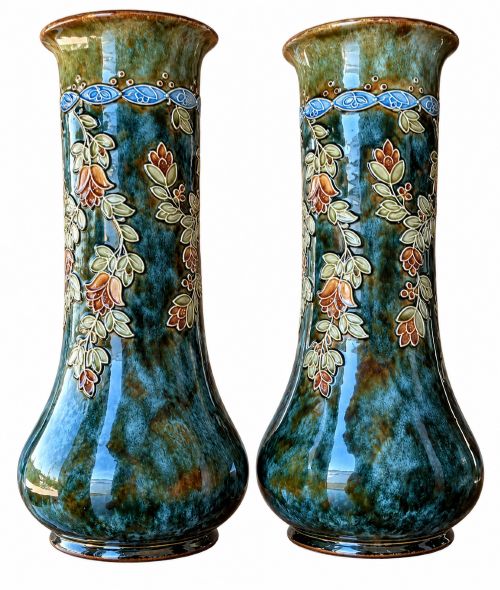
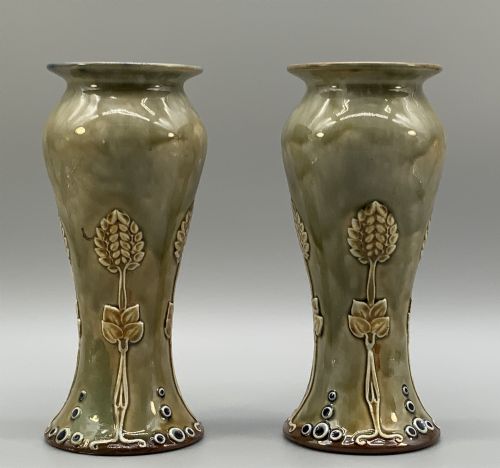
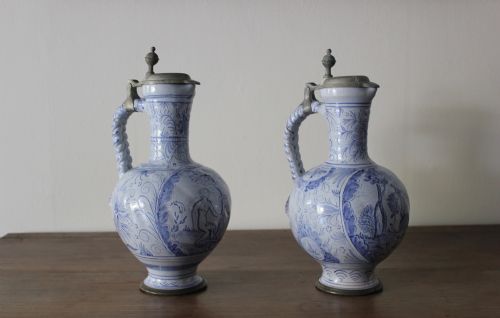
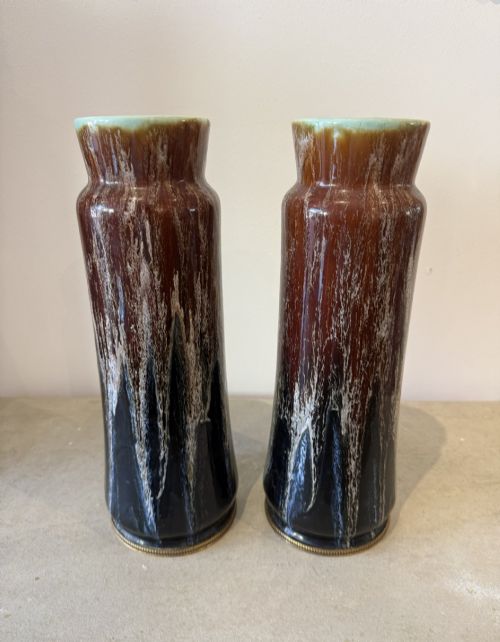
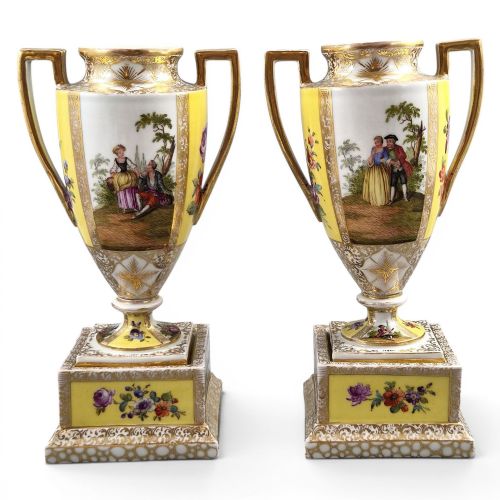
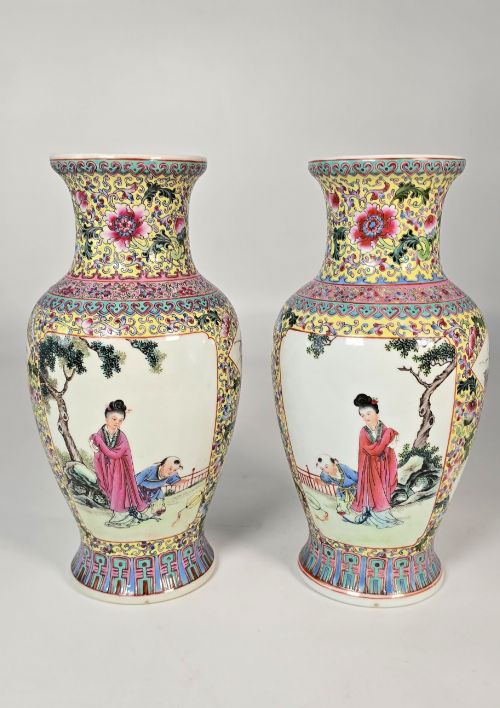
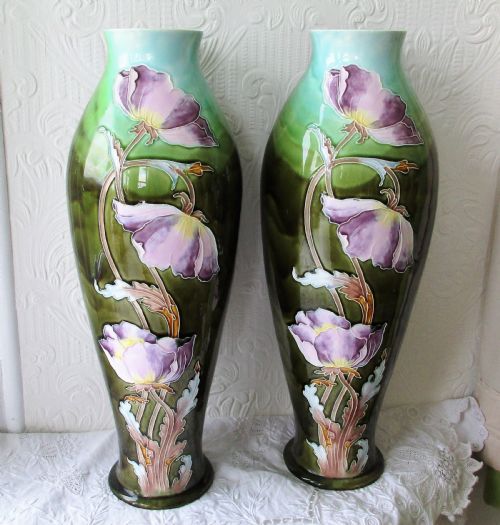
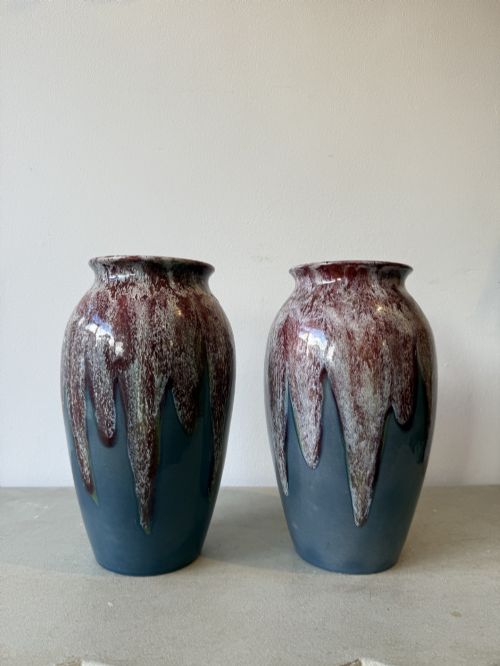
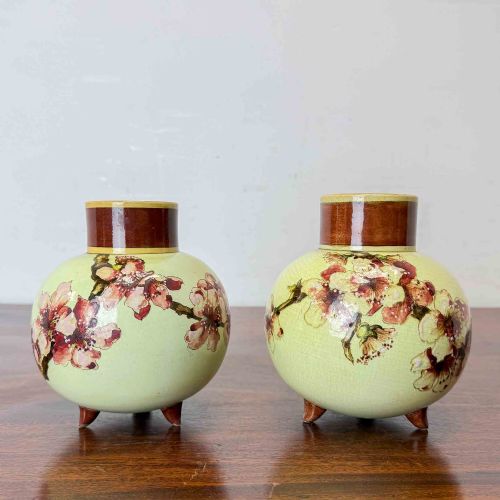
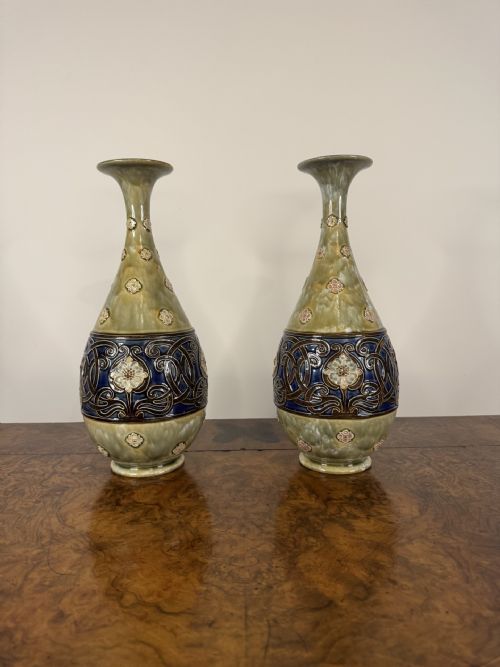
An antique ceramic vessel pair brings balanced proportion to a room, offering matching forms created together for display or utility. When you search for an antique ceramic vessel pair, you encounter balanced sets ranging from English stoneware and European porcelain to Japanese earthenware.
The selections span distinct periods, including nineteenth-century Victorian pieces, Meiji period works, and earlier dynasties. Common forms include tall baluster vases, lidded urns, apothecary jars, and decorative jardinieres designed to sit harmoniously together on a mantelpiece or console.
Materials and construction methods
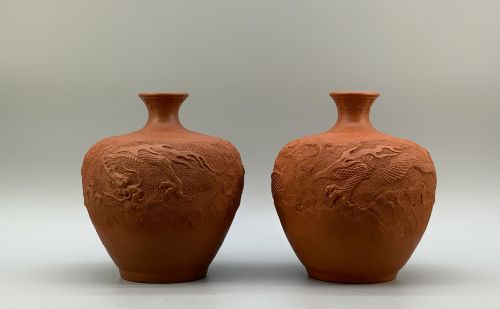
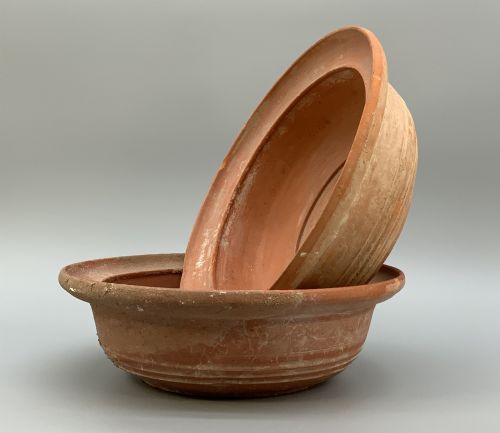
Makers shaped these items from various earthen materials such as heavy stoneware, terracotta, red clay, and fine porcelain, often finishing surfaces with rich glazes, enamel, or gold leaf. Techniques combined wheel-throwing, mould-pressing, and hand-modelling before subjecting the pieces to high-temperature kiln firing.
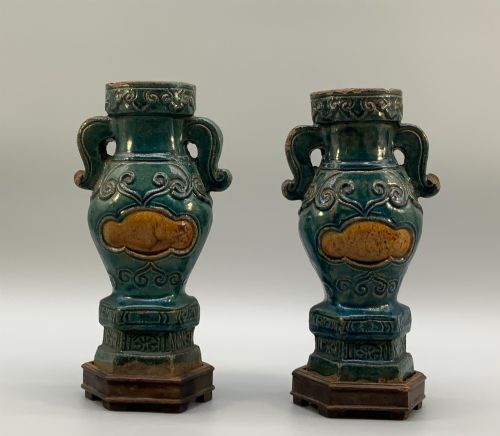
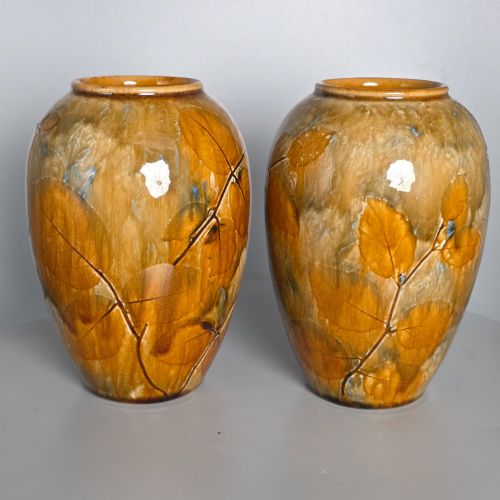
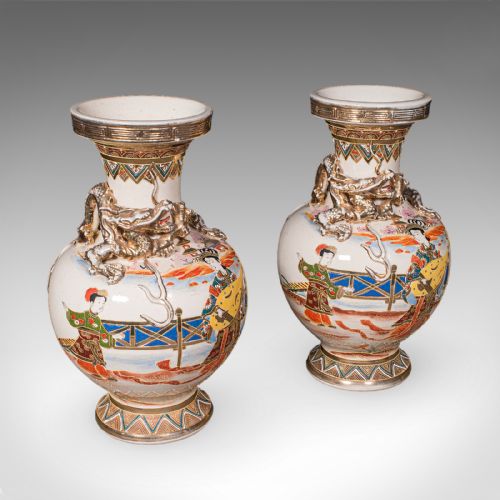
Decoration relied on meticulous hand-painting, incised patterns like Slater's patent texturing, or raised moriage relief work. Artisans applied cobalt blue, turquoise, amber, and tea dust glazes to achieve distinctive surface textures and depth.
Some dragon and phoenix motifs require close inspection to spot the hidden expressions carved into the clay.
Assessing quality in matched pairs
Superior examples display precise symmetry between both items in the set, ensuring that the profile, height, and decorative panels correspond closely. Hand-painted details on top-tier pieces exhibit confident brushwork, controlled gilding, and sharp execution without blurring or misalignment.
The choice of body material and glaze formulation also dictates standard; finer porcelain bodies and complex multi-layered glazes elevate a set above simpler earthenware production. Attribution to named artists or established potteries adds further weight to a pair's standing.
Royal Doulton·Boch Freres·Helena Wolfsohn·Sitzendorf Porcelain·Wedgwood
The Antique Ceramic Vessel Pair Glossary
- Baluster
- A tall vessel form with a rounded body that tapers toward the neck and base, resembling an architectural baluster. This shape provides stability and visual weight.
- Moriage
- A decorative technique using slip trailing to build up raised designs on ceramic surfaces, frequently accented with gilding or enamel. It is characteristic of Japanese Satsuma wares.
- Albarello
- A vertical earthenware jar originally used by apothecaries to store ointments and dry drugs. These vessels typically feature an incurved waist for easy gripping.
- Imari
- A style of Japanese porcelain decorated in underglaze blue, iron red, gold, and supplementary colours. The palette is rich and heavily patterned.
- Faience
- Tin-glazed earthenware produced in Europe, noted for its opaque white surface and painted decoration. It imitates the appearance of tin-glazed pottery.
Antique Ceramic Vessel Pair: Frequently Asked Questions
How do I match two separate antique vessels?
Matching disparate vessels requires careful attention to clay body, glaze texture, height, and decorative motifs. Even if purchased together as a matched pair, slight variations in firing often betray separate origins.
Look closely at the base markings and potting technique to determine if both pieces share the same workshop. True pairs share identical proportions and decorative hands.
What is the difference between porcelain and stoneware?
Porcelain is a fine, translucent ceramic fired at very high temperatures, resulting in a vitrified, non-porous body. Stoneware is denser, heavier, and opaque, typically fired at high heats to achieve natural water resistance without a glossy glaze.
Stoneware often displays earthier tones and textured surfaces, while porcelain lends itself to delicate forms and bright painted enamels. Both materials appear frequently in antique pairs.
How were apothecary jars used historically?
Apothecary jars held medicinal herbs, syrups, and dry drugs in pharmacies and dispensary shops. Their heavy ceramic walls protected contents from light and moisture.
Over time, these utilitarian vessels transitioned into decorative objects due to their striking painted labels and grand scale. Pairs often flanked dispensary shelves to create visual symmetry.
Where should I display large ceramic vessels?
Large ceramic vessels require sturdy furniture such as sideboards, console tables, or wide mantelpieces capable of supporting their weight. Placing a pair symmetrically frames a fireplace or anchors a central wall space.
Keep them away from high-traffic walkways where accidental bumps could cause damage. Direct sunlight can also affect certain enamel or gilt decorations over many years.