
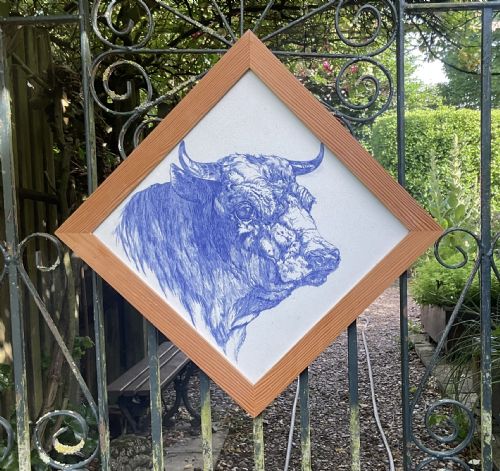


Antique Ceramic Tile
An antique ceramic tile brings hand-painted motifs and rich glazes into interior spaces, offering a tangible connection to historic domestic craft.
Antique Ceramic Tile
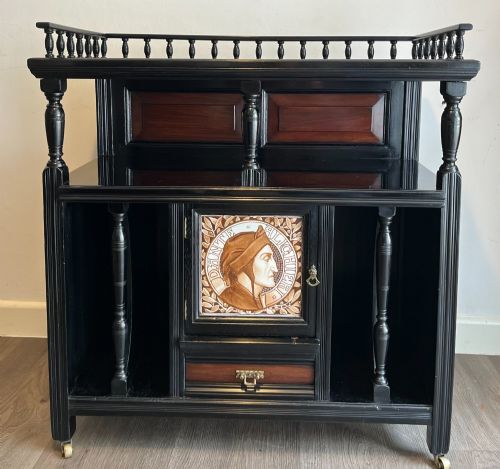
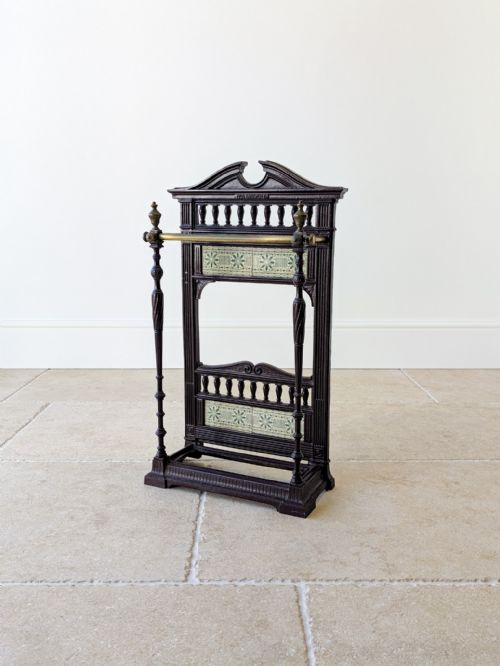
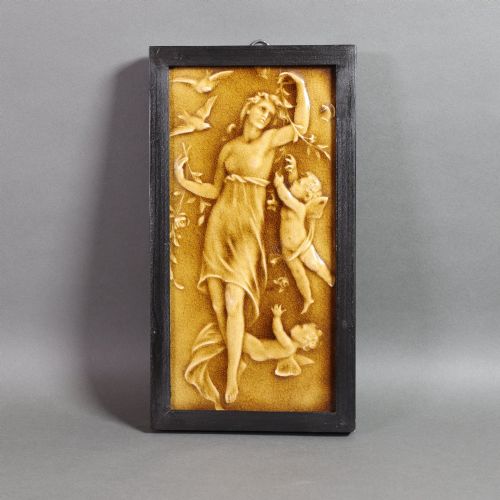
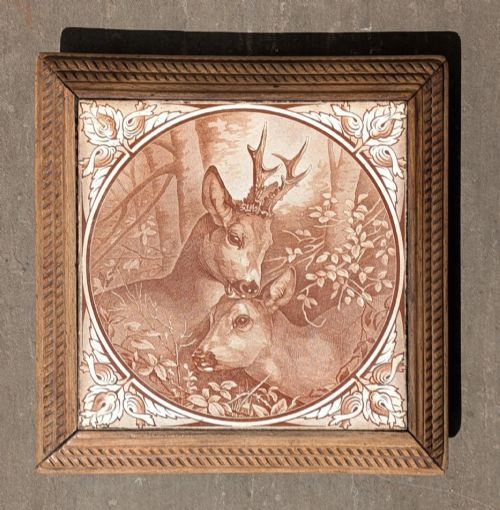
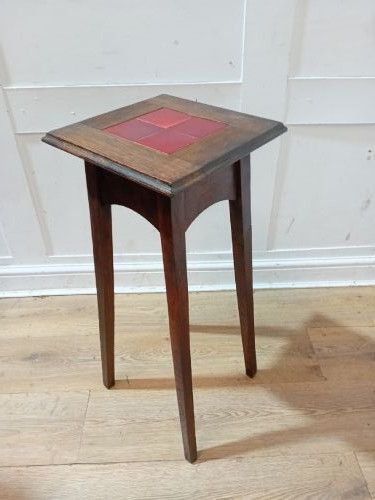
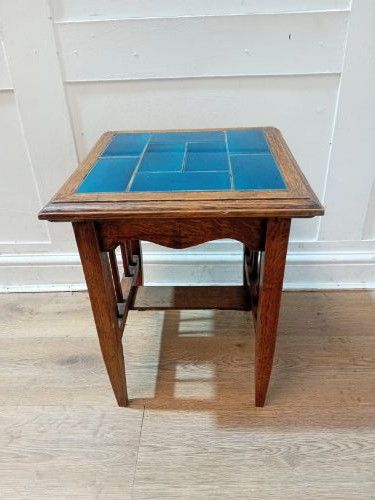
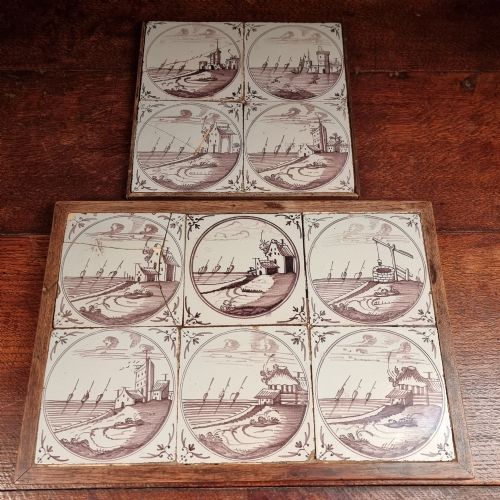
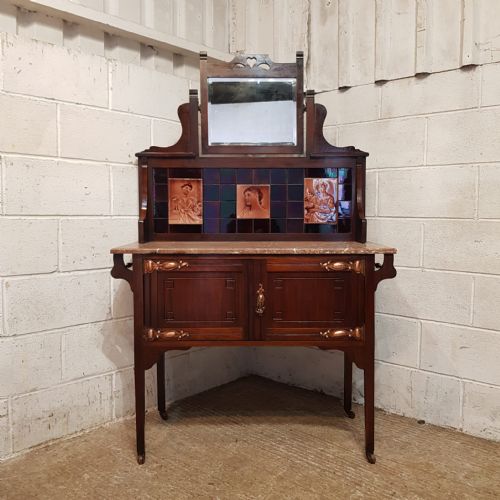
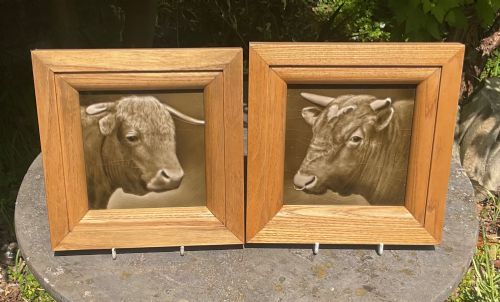
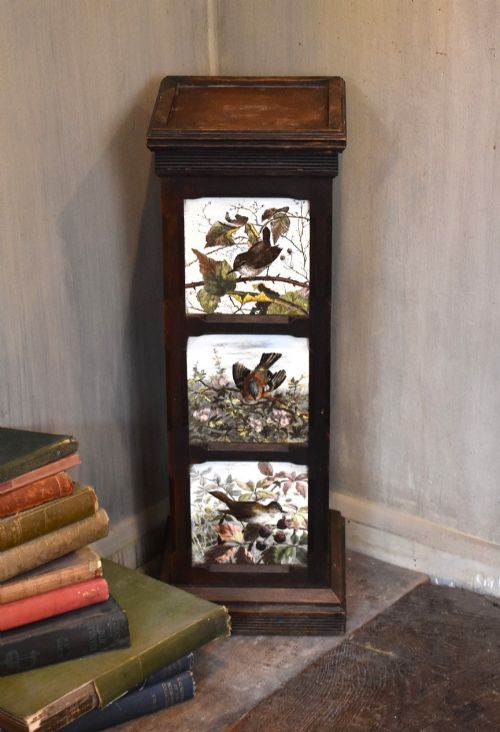
An antique ceramic tile spans centuries of domestic production, appearing as individual wall art, framed decorative plaques, or inset panels within oak and mahogany furniture like washstands, side tables, and hall chairs. The evidence records examples originating across the seventeenth, eighteenth, nineteenth, and early twentieth centuries, encompassing Victorian, Edwardian, Arts and Crafts, and Aesthetic Movement designs.
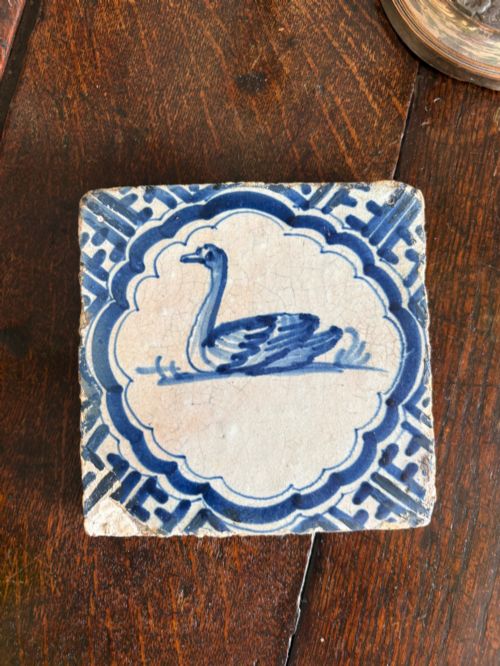
Buyers encounter Dutch Delft pieces alongside British works from makers such as Minton and Hollins or Sherwin and Cotton. These items function equally as wall hangings, table inserts, and structural ornaments within architectural settings.
How They Were Made
Maker workshops utilised earthenware, terracotta, and tin glaze, applying pigments by hand to create intricate polychrome or monochrome surfaces. Tin glaze and standard ceramic bodies provided the base for painted subjects ranging from classical motifs to narrative scenes.
Kiln firing fixed the mineral colours beneath protective glass layers, yielding durable glazes that preserved the hand-painted details across generations of domestic use.
A French feline roof tile captures domestic mischief in terracotta folk art, keeping watch from above.
What Varies in Quality
The standard of an antique ceramic tile depends upon the precision of the hand-painted brushwork and the depth of the glaze. Master painters achieved fine shading and clear outlines that elevated simple earthenware into expressive pictorial art.
Design complexity and the reputation of the workshop also define the tier of a piece, distinguishing standard utility items from exhibition-grade tiles produced by prominent potteries.
Coalbrookdale·Shapland and Petter·Sherwin and Cotton·Mintons·Minton and Hollins·KPM
The Antique Ceramic Tile Glossary
- Tin Glaze
- An opaque white enamel glaze containing tin oxide, used extensively on earthenware to provide a smooth ground for painted decoration.
- Polychrome
- Multicoloured decoration employing various mineral pigments fired onto the ceramic body to create rich, varied surface designs.
- Delft
- Tinned earthenware originating from Dutch production centres, traditionally recognised for blue and white or polychrome hand-painted motifs.
- Earthenware
- Porous ceramic pottery fired at lower temperatures, serving as the common structural body for historic decorative tiles.
Antique Ceramic Tile: Frequently Asked Questions
How do I hang an antique ceramic tile?
Many pieces come within period frames or wooden mounts designed for wall display. Secure hanging hardware must support the combined weight of the ceramic and its housing.
Unmounted examples require specialist shadow boxes or custom brackets that hold the edges safely without damaging the glaze.
Were these tiles used in furniture?
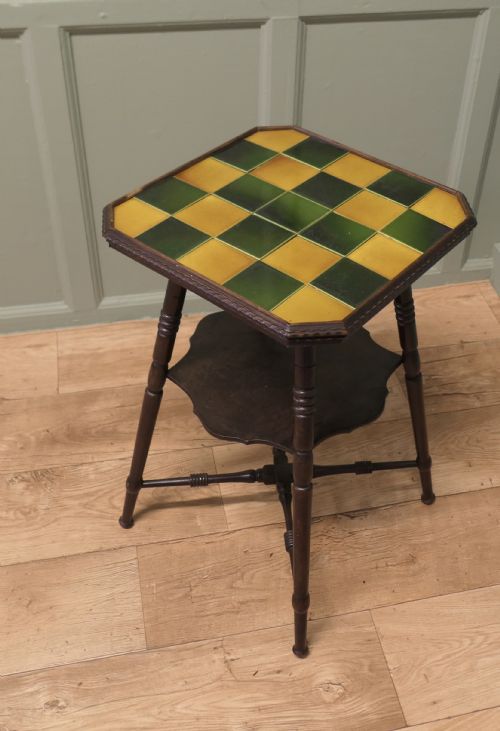
Makers frequently integrated decorative ceramics into the tops of occasional tables, jardiniere stands, and washstands. These inset panels added colour and heat resistance to wooden surfaces.
Furniture featuring original ceramic panels remains sought after by collectors of Arts and Crafts and Aesthetic Movement interiors.
How do I date an antique ceramic tile?
Dating relies upon stylistic markers, backstamps, and the composition of the ceramic body. Victorian and Edwardian works often feature factory marks on the reverse.
Earlier examples from the seventeenth and eighteenth centuries are identified through glaze characteristics, thickness, and hand-painted pigment styles.