


Victorian Arts Crafts Tile
These victorian arts crafts tile pieces unite functional furniture with striking glazed ceramics, offering a distinct aesthetic that anchors a period interior.
Victorian Arts Crafts Tile
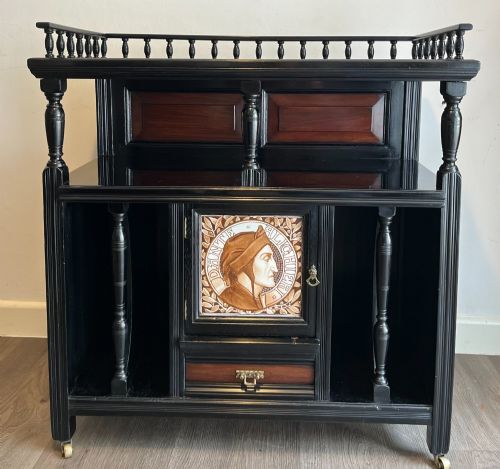
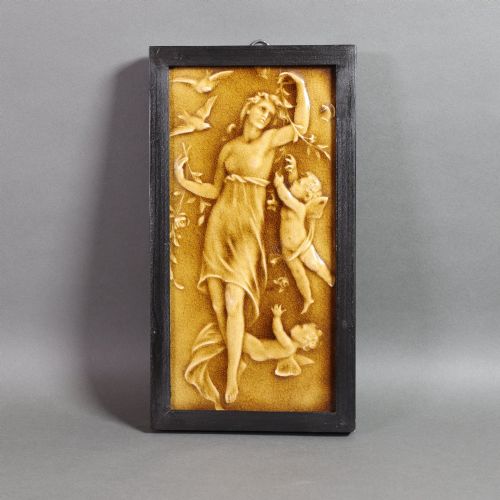
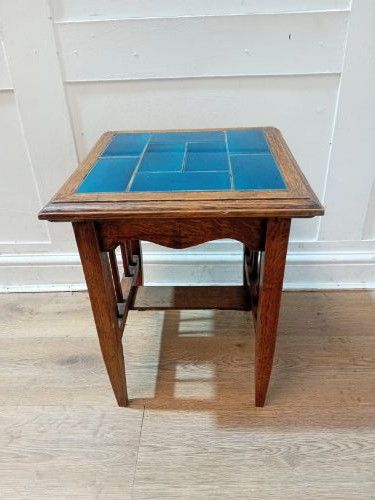
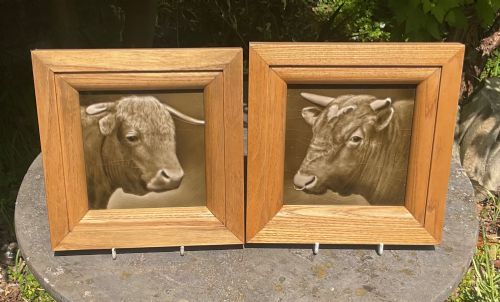
Victorian arts crafts tile examples bring together utilitarian forms and decorative ceramic work, frequently appearing as inset panels on washstands, hall stands, cabinets, and side tables. Buyers seeking these items encounter a range of domestic furniture and wall plaques that integrate glazed earthenware directly into the wooden structure.
The objects stem from the nineteenth century, spanning periods noted as Victorian, late Victorian, and specific decades around eighteen eighty to nineteen hundred. Oak and mahogany serve as the primary woods for the furniture pieces, while ceramic tiles provide colour and figurative or floral motifs.
Most pieces combine the structural traditions of the period with the decorative principles of the Arts and Crafts and Aesthetic movements. These items function as both practical household furniture and vehicles for artistic ceramic production.
Materials and Construction
Makers utilised solid timbers such as oak and mahogany to build the frames of washstands, hall stands, and side tables, alongside brass fittings and marble tops. These materials provided the structural integrity required for daily domestic use in hallway and bathroom settings.
Ceramic tiles, earthenware, and specialised glazes form the visual centrepiece of these works, set directly into wood cabinetry or framed as wall plaques. The integration of glazed tiles required precise joinery to accommodate the weight and dimensions of the ceramic elements.
A tiled hall stand recording the days of the week offers an orderly Victorian greeting for every muddy umbrella.
Distinctions in Quality
Quality rests upon the execution of the woodwork and the artistic merit of the ceramic tile. Pieces displaying named ceramic designers or specific aesthetic styles exhibit superior design cohesion compared to standard utilitarian furniture.
The integration of the tile into the surrounding oak or mahogany frame reveals the skill of the maker. Tighter joinery, well-finished brass hardware, and superior glaze depth elevate certain examples above simpler production items.
John Moyr Smith·Christopher Dresser·Ellen E Houghton·Sherwin and Cotton·William de Morgan·Minton
The Victorian Arts Crafts Tile Glossary
- Earthenware
- Porous pottery fired at lower temperatures, commonly utilised for decorative tiles and glazed panels. This material forms the base for many nineteenth-century architectural and furniture ceramics.
- Aesthetic Movement
- A late nineteenth-century design current emphasising visual beauty over narrative or moral function. It influenced furniture and tile decoration through stylised natural forms.
- Hall Stand
- A piece of hallway furniture designed for coats, hats, and umbrellas, frequently incorporating mirrors and inset ceramic tiles. These items served both practical and decorative purposes in Victorian homes.
- Washstand
- A bedroom or bathroom cabinet fitted with a marble or wooden top designed to hold a basin and pitcher. Many Victorian iterations incorporated tiled splashbacks to protect the wall from water.
- Glaze
- A vitreous layer fused to a ceramic body by firing, providing colour, pattern, and a sealed surface. Coloured glazes define the artistic output of prominent tile makers from this era.
Victorian Arts Crafts Tile: Frequently Asked Questions
What furniture features victorian arts crafts tile?
These tiles appear primarily inset into hall stands, washstands, side tables, and small cabinets. They also occur separately as framed wall plaques.
Furniture makers utilised the glazed ceramics to add colour and artistic interest to functional wooden pieces placed in hallways, bedrooms, and living spaces.
How do I care for tiled furniture?
Keep the wood conditioned with appropriate furniture wax and clean the glazed ceramic tiles with a soft, damp cloth. Avoid harsh chemical cleaners that might damage the historic glaze or dry out the timber.
Protect the surface from excessive moisture, particularly around washstands, to preserve both the wood and the tile grout.
Are these pieces suitable for daily use?
Most items remain structurally sound for contemporary domestic use, provided they are treated with care. Hall stands and side tables function well in modern hallways and living rooms.
Consider the weight and historical nature of the items when deciding on placement, ensuring they are not subjected to heavy strain or damp environments.
How are periods identified?
Periods are determined through construction methods, timber choice, design motifs, and maker marks or tile signatures. Pieces from this era often reflect the specific stylistic shifts of the late nineteenth century.
Comparing the joinery style and ceramic technique helps place an object within the broader Arts and Crafts or Aesthetic movements.