




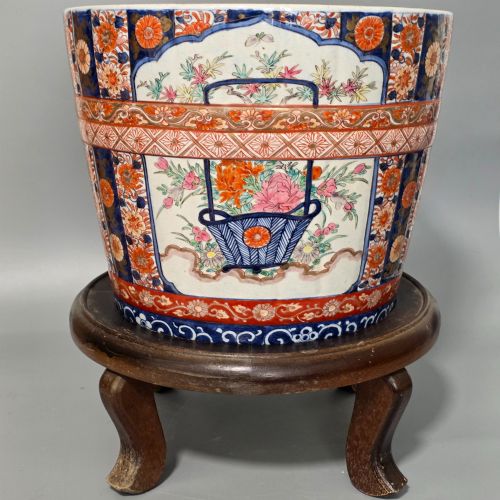


Antique Ceramic Orange Pot
An antique ceramic orange pot brings historical horticulture and vibrant glaze directly into domestic interiors.
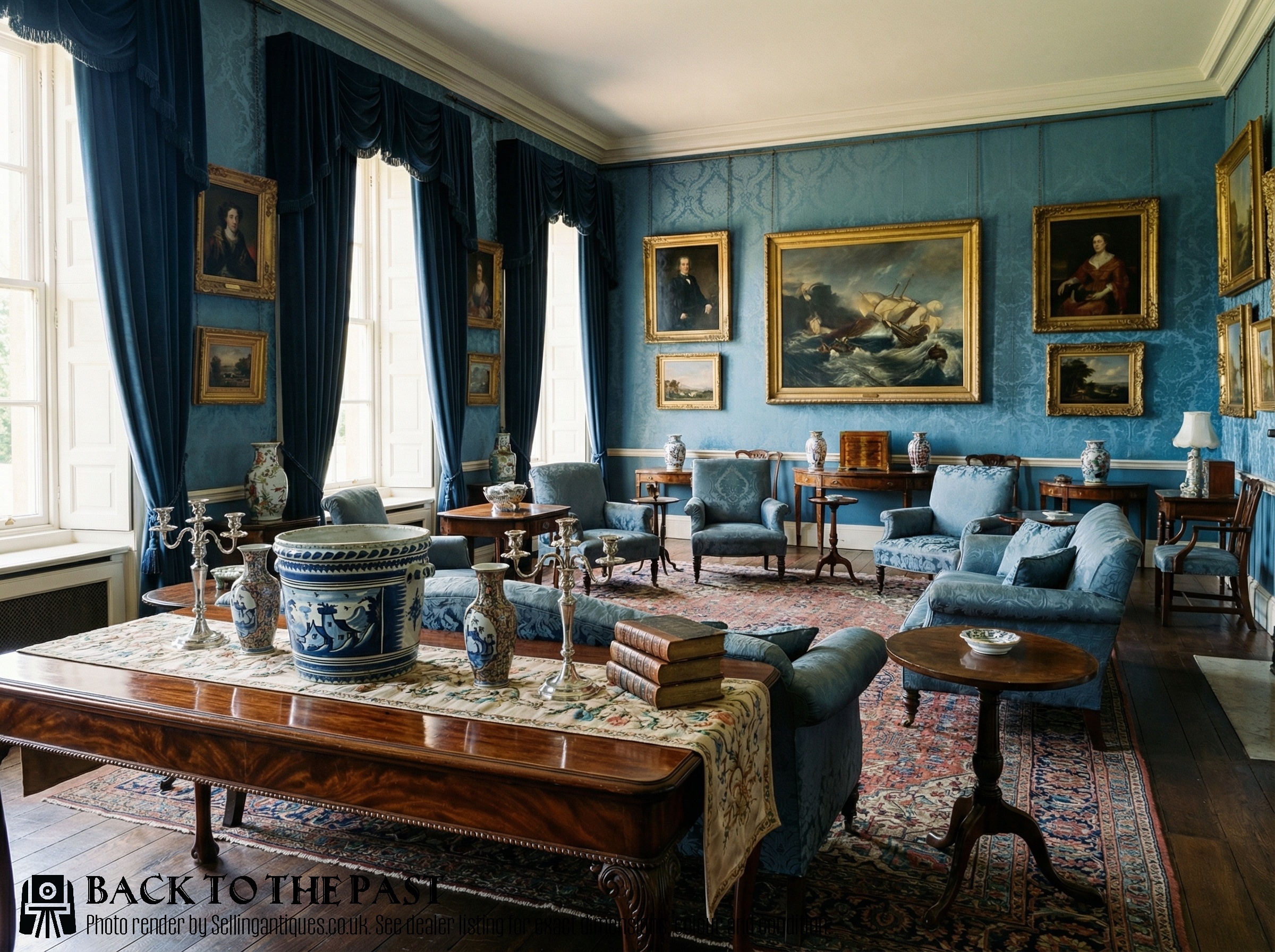
Antique Ceramic Orange Pot
When searching for an antique ceramic orange pot, buyers encounter vessels designed to house citrus trees or hold specific contents like Nevers faience pot a orange examples. These items span periods from the seventeenth century through the Georgian era and into the twentieth century, reflecting diverse domestic and garden uses.
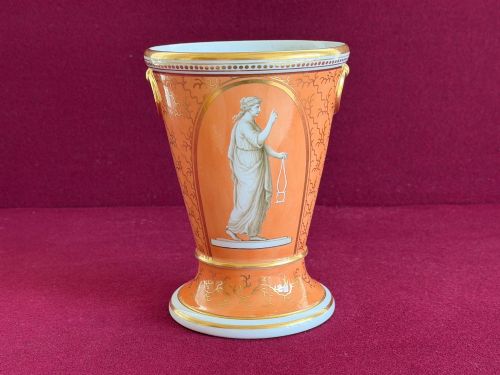
The pieces on this page include earthenware, terracotta, and porcelain forms such as jardinieres, planters, and specialised vessels. Origin points range widely across English factories, French workshops, and Japanese export kilns.
Most examples meet on this page as decorative planters or jardiniere forms produced in the nineteenth century or earlier. Buyers find both European earthenware and Asian export wares among the selection.
Materials and construction methods
Potters utilised clay, terracotta, and porcelain, shaping bodies by hand or on the wheel before applying glaze and enamel finishes. Gold leaf details appear on select porcelain pieces from major English factories.
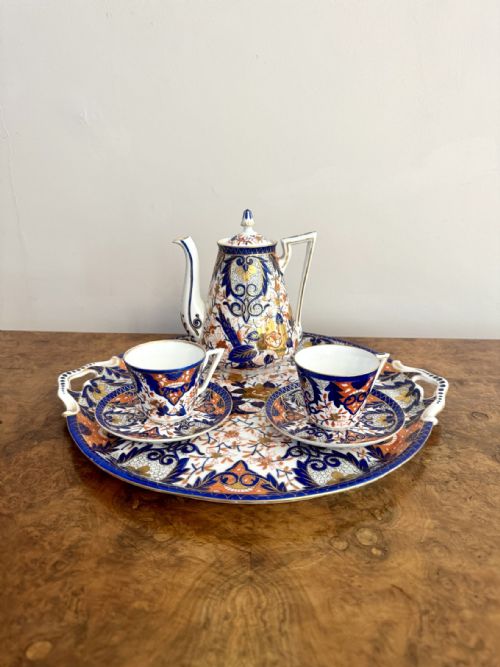
Firing techniques varied from low-temperature earthenware kilns to high-firing porcelain production. Artisans added hand-painted decoration, slipware trails, and intricate Imari patterns prior to the final glaze firing.
An orange pot once sheltered actual citrus trees from an uncharitable European frost long before becoming a quiet mantelpiece resident.
Assessing quality in ceramic vessels
Quality rests upon the crispness of hand-painted details and the control shown during the glazing and firing process. Superior examples display precise brushwork, balanced forms, and well-preserved enamel or gold leaf ornamentation.
The reputation of the maker and the sophistication of the decorative scheme distinguish finer pieces from standard utilitarian wares. Age and origin also influence the standing of an item within its specific period.
Flight And Barr·Barr Flight And Barr·Clarice Cliff·Royal Winton
The Antique Ceramic Orange Pot Glossary
- Jardiniere
- A large ornamental pot or stand designed to hold growing plants or flowers. These vessels often feature decorative glazed surfaces suited for indoor display.
- Imari
- A style of Japanese export porcelain characterised by underglaze blue and overglaze red, gold, and green colours. European potteries frequently produced their own versions of this aesthetic.
- Faience
- Tinned-glazed earthenware associated with European traditions, particularly French production. This technique creates an opaque white background for painted designs.
- Terracotta
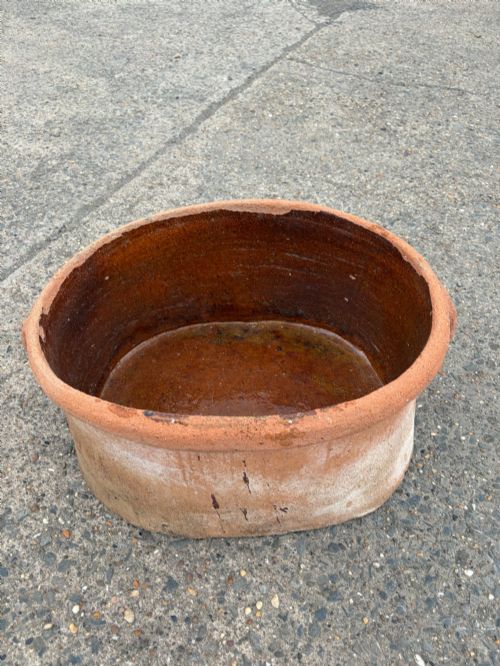
- Unglazed or glazed fired clay of a brownish-red colour. It served widely for garden pots, planters, and larger domestic vessels.
- Slipware
- Pottery decorated with a liquid clay mixture applied before firing. This method creates raised patterns or contrasting surface lines.
Antique Ceramic Orange Pot: Frequently Asked Questions
How were these pots used historically?
Historically, large pots housed citrus trees that owners moved indoors during winter. Smaller vessels served decorative functions within period rooms or contained specialised items.
Their robust construction allowed them to handle soil and moisture in garden or orangery settings. Over time, many transitioned into pure decorative objects for homes.
How do I care for antique pottery?
Care involves gentle dusting with a soft, dry cloth to protect fragile glazes and hand-painted surfaces. Avoid using harsh chemical cleaners or submerging porous earthenware in water.
When using them for plants, place a separate liner inside to protect the historic ceramic body from moisture damage. Keep them away from areas prone to sudden temperature fluctuations.
How can I tell different periods apart?
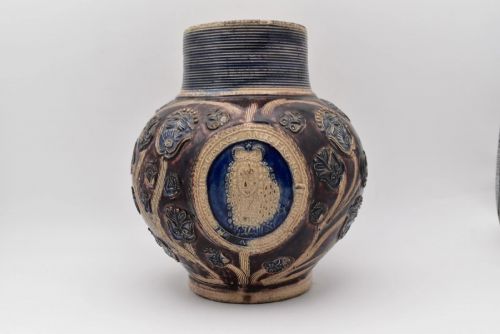
Distinguishing periods relies on observing clay types, glaze characteristics, and decorative styles. Seventeenth and eighteenth-century pieces often display heavier earthenware bodies, slipware, or early export patterns.
Nineteenth-century items frequently show refined porcelain manufacturing or mass-produced transfer printing. Twentieth-century examples from the Art Deco period introduce distinct geometric forms and vibrant hand-painted palettes.