





Antique Ceramic Musicians
These antique ceramic musicians range from eighteenth-century porcelain figures to Victorian Staffordshire pieces, bringing historic players and singers directly to your shelf.
Antique Ceramic Musicians
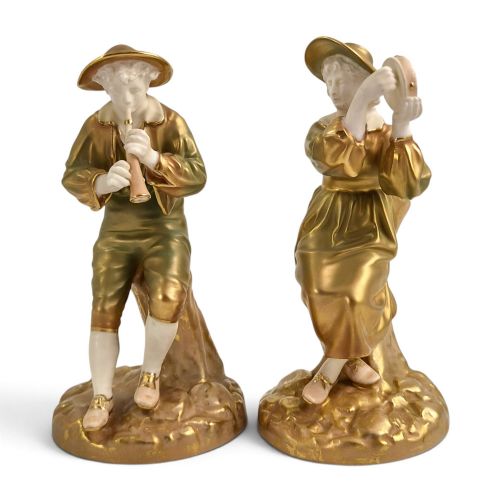
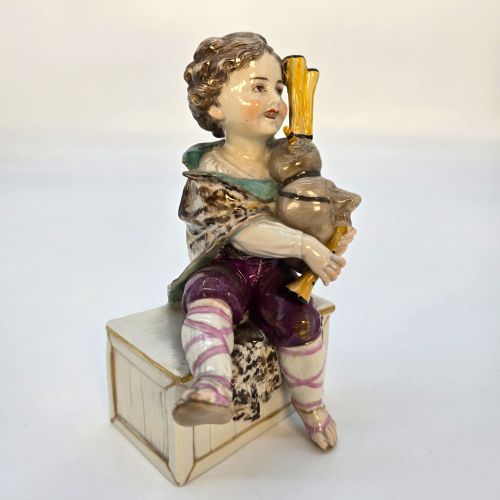
Antique ceramic musicians comprise porcelain figures, earthenware groups, and decorative candlesticks depicting players of instruments such as bagpipes, hurdy-gurdies, drums, and mandolins. These pieces capture performers in eighteenth-century rococo attire, nineteenth-century orientalist styles, and traditional regional dress.
The most common versions met on this page include eighteenth-century English porcelain figures from factories like Derby and Bow, alongside nineteenth-century German and French porcelain groups. Staffordshire earthenware musicians and Victorian tiles also appear frequently across the selection.
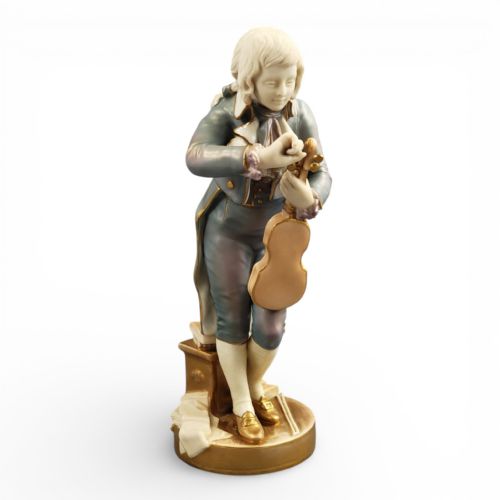
Makers span major European porcelain manufactories such as Meissen, Volkstedt, Fürstenberg, and Royal Worcester, producing both solo figurines and matched pairs. Dating stretches from Georgian models with bocage backgrounds to later Victorian and Edwardian interpretations.
How they were made
Figures were shaped using soft-paste or hard-paste porcelain, earthenware, and bisque, often finished with detailed lead glazes, enamel colours, and touches of gold leaf. Potters utilised intricate press-moulding techniques, particularly for complex forms featuring leafy bocage backgrounds or paired instrumentalists.
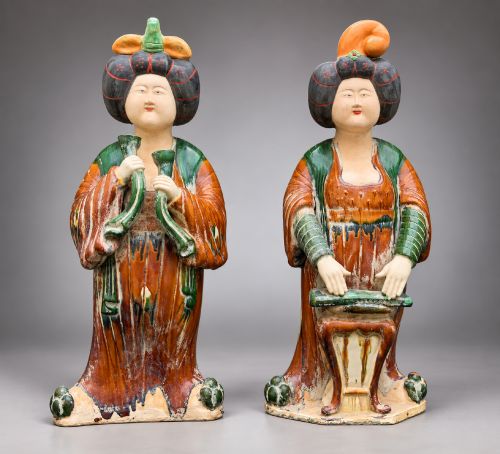
Surface decoration relied on hand-painting with rich enamels to render garments, facial expressions, and instrument details precisely. Some larger Chinese-style pottery items employed traditional sancai glazing methods on earthenware bodies.
Antique Ceramic Musicians Retail Price Guide 2026
Typical asking prices for ceramic musicians among the pieces listed under this phrase on Sellingantiques today, from the lower quarter to the upper quarter. They describe what is for sale here now, not the wider market.
Listings feature porcelain, earthenware, and bisque materials across periods spanning from Georgian and Victorian eras to Tang Dynasty style pieces.
What varies in quality
Quality also rests in the precision of the enamel painting and the crispness of the glaze application. Pieces from established factories with clear paste bodies and careful hand-finishing stand apart from simpler earthenware productions.
Volkstedt Rudolstadt Factory·Meissen Porcelain·Derby Porcelain·Royal Worcester·Samson Paris·Eichwald Royal Dux·Fürstenberg Porcelain·Bow Porcelain·Sherwin And Cotton
The Antique Ceramic Musicians Glossary
- Bocage
- Background foliage made of applied ceramic leaves and flowers surrounding a figure. This technique is typical of eighteenth-century English porcelain groups.
- Bisque
- Unglazed porcelain fired to a matte, tactile finish. It reveals fine sculptural details without the shine of a glossy glaze.
- Soft-paste porcelain
- An artificial ceramic body developed in Europe before the discovery of true hard-paste porcelain. It has a warm, slightly translucent appearance under glaze.
- Enamel
- Vitreous coloured decoration applied over or under the glaze. Artisans painted these pigments onto the fired ceramic before a final low-temperature fixing.
- Lead glaze
- A glossy coating containing lead oxide applied to earthenware bodies. It produces a smooth, glassy finish that deepens the colour of the clay beneath.
Antique Ceramic Musicians: Frequently Asked Questions
What instruments do the figures hold?
The ceramic musicians hold a variety of traditional instruments, including bagpipes, hurdy-gurdies, mandolins, drums, and flutes. These reflect both pastoral fantasies and actual historical performance practices.
English and continental porcelain factories frequently paired figures together, such as mandolin and bagpipe players, to create balanced decorative table centrepieces.
How do I care for antique ceramic figures?
Keep porcelain and earthenware figures out of direct sunlight to prevent enamel colours from fading over time. Dust them gently with a soft, dry brush rather than using water or liquid cleaners.
Avoid placing delicate pieces near heat sources or in areas subject to vibrations, particularly fragile items featuring intricate bocage or thin porcelain fingers.
How do I identify a period?
Dating relies on factory marks, paste composition, and stylistic clues such as rococo scrolls or Victorian dress. Early pieces often feature patch-marks or anchor daggers on unglazed bases.
Comparing modelling styles and glaze types against known factory archives helps separate eighteenth-century originals from nineteenth-century revival pieces.
Where were these figures displayed?
Georgian and Victorian households displayed these ceramic figures on mantelpieces, side tables, and within dedicated cabinet collections. Pairs of candlestick figures often illuminated formal dining tables or drawing rooms.
Smaller figurines served as decorative ornaments designed to showcase the owner's taste and appreciation for pastoral music themes.