



Antique Ceramic Mantel Dogs
Antique ceramic mantel dogs bring Victorian hearths into focus, offering matched pairs of spaniels, greyhounds and poodles shaped to sit watching over rooms.
Antique Ceramic Mantel Dogs
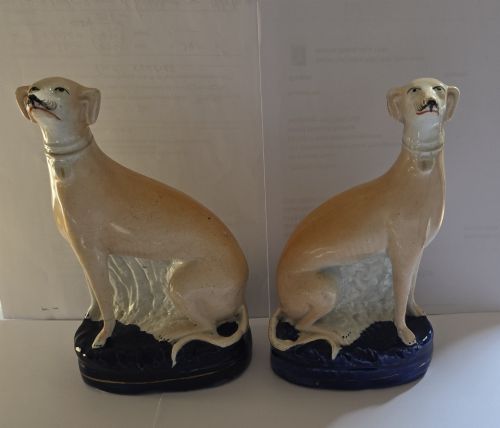
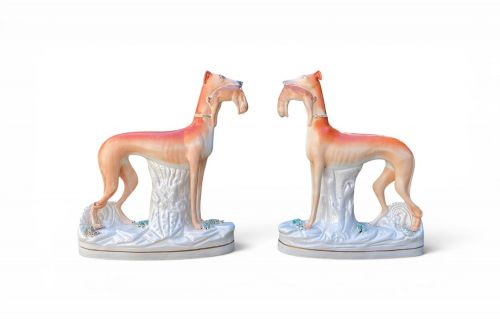
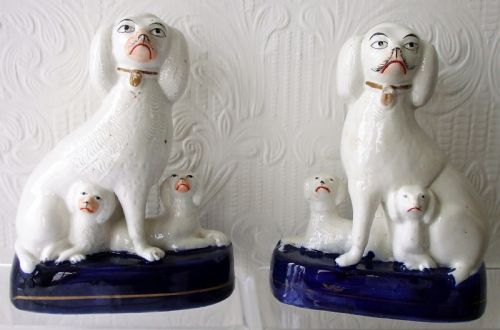
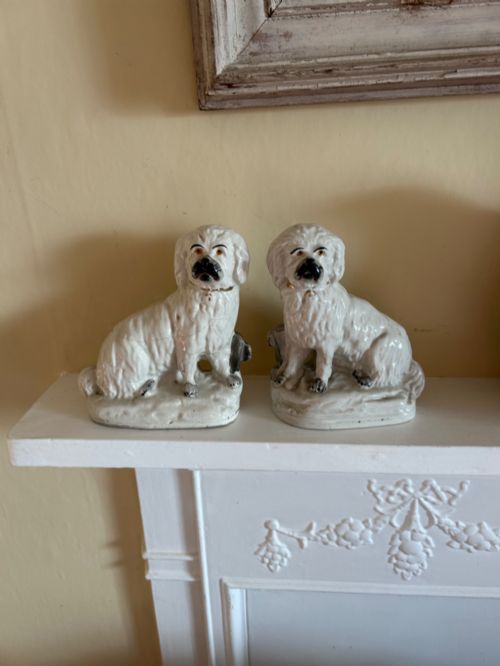
When you search for antique ceramic mantel dogs, you encounter sculptural pottery figures produced in pairs during the nineteenth century. These ornaments typically depict seated breeds such as spaniels, greyhounds, poodles, whippets, pugs and maltese terriers.
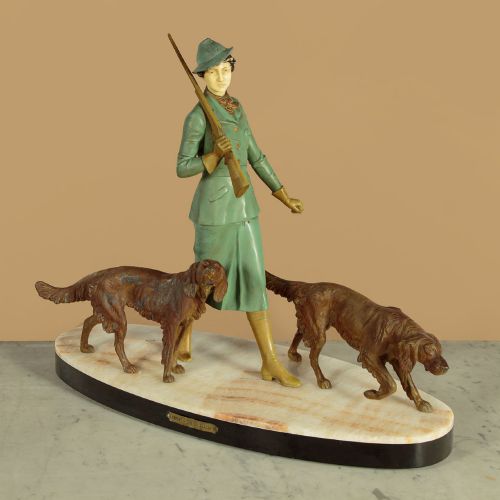
The pieces on this page span the Victorian era, with dates stretching from the mid nineteenth century into 1900. Alongside standard mantel pairs, the selection includes spill vases, clock groups and figures featuring dogs with puppies.
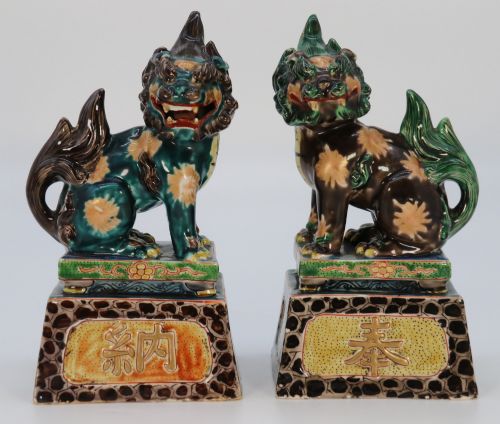
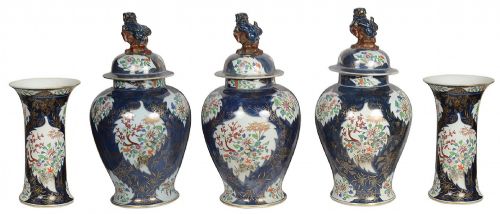
Staffordshire potteries dominate the selection, though variations include continental porcelain pieces and ironstone garnitures. Most items take the form of decorative figurines modelled as matching pairs designed to face one another upon a shelf.
How they were made
Potters shaped these figures using earthenware, ceramic and porcelain bodies, frequently applying lead glaze to seal the surface. Many examples incorporate copper lustre, enamel colours and gold leaf highlights applied over the glaze.
Antique Ceramic Mantel Dogs Retail Price Guide 2026
Typical asking prices for ceramic mantel dogs among the pieces listed under this phrase on Sellingantiques today, from the lower quarter to the upper quarter. They describe what is for sale here now, not the wider market.
Many spaniels wear painted gold chains around their necks, acting as permanent porcelain jewellery for the hearth.
What varies in quality
Matched pairs that retain their original companion piece and show minimal wear to the surface glaze demonstrate higher desirability. The richness of the copper lustre or the precision of the gilding further separates the better examples from simpler production.
Thomas Parr·Royal Doulton·Mason·Beswick
The Antique Ceramic Mantel Dogs Glossary
- Earthenware
- A porous pottery body fired at lower temperatures, commonly used for nineteenth-century Staffordshire figures. It requires a glaze to become impervious to liquids.
- Spill vase
- A hollow cylindrical holder incorporated into a ceramic figure, designed to hold wooden spills for lighting fires or pipes. These often stand beside the modelled dog.
- Garniture
- A set of matching vases or ornamental objects intended for display together on a mantelpiece or shelf. Such sets occasionally incorporate decorative animal figures.
- Copper lustre
- A metallic glaze technique producing a reflective, coppery sheen across the surface of the pottery. It appears frequently on Victorian spaniels and related figures.
- Comforter spaniel
- A colloquial term for the seated Staffordshire spaniels traditionally kept on Victorian hearths. These dogs were modelled as watchful pairs guarding the fireplace.
Antique Ceramic Mantel Dogs: Frequently Asked Questions
What are antique ceramic mantel dogs?
They are ceramic pottery figures modelled as dogs, most commonly produced in matched pairs during the Victorian period. Potters designed them to sit at either end of a fireplace mantel.
The figures represent various breeds, including spaniels, greyhounds and poodles, often finished with painted markings and gilt highlights.
How were mantel dogs used?
Victorian households placed these ceramic pairs on mantelpieces above fireplaces as decorative ornaments. Some variants included built-in spill vases used to hold wooden matches.
They served as domestic decoration, bringing representations of popular pets into the parlour without the demands of live animals.
How do I date Staffordshire dog figures?
Dating relies on stylistic clues, manufacturing methods, and glaze characteristics seen across nineteenth-century examples. Mid-century pieces often feature simpler modelling and rich copper lustre.
Later Victorian versions from the late nineteenth century show different enamel palettes and finer details. Comparing the base construction and glaze helps narrow the decade of production.
What breeds are represented?
Spaniels represent the most common breed found in these nineteenth-century pairings, particularly the seated comforter variety. Greyhounds, poodles, whippets, pugs and maltese terriers also appear.
Some groups incorporate additional elements such as puppies, hares or human figures alongside the dogs.