



Antique Ceramic Jars
These antique ceramic jars encompass centuries of global kiln tradition, from Dutch Delftware to Japanese Imari.
Antique Ceramic Jars
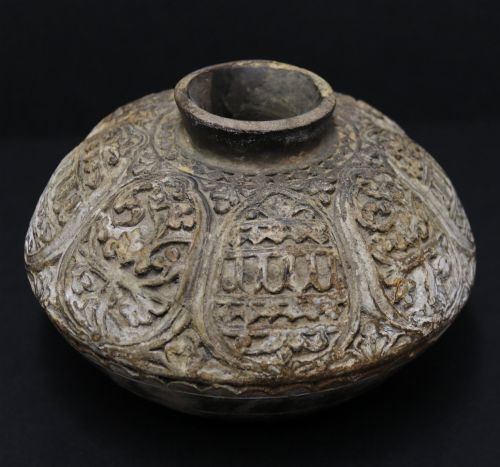
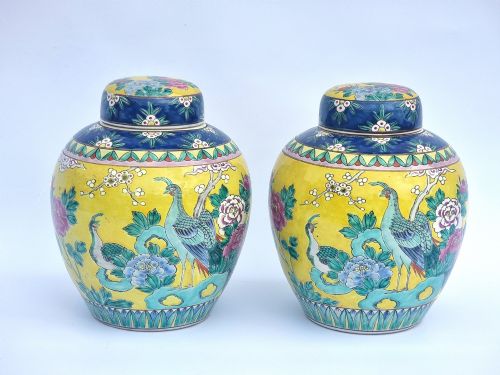
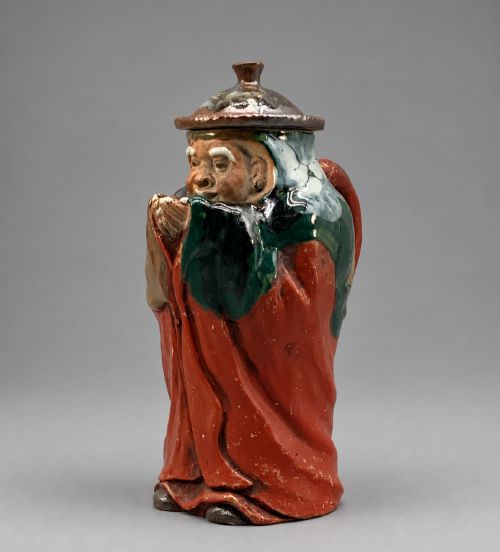
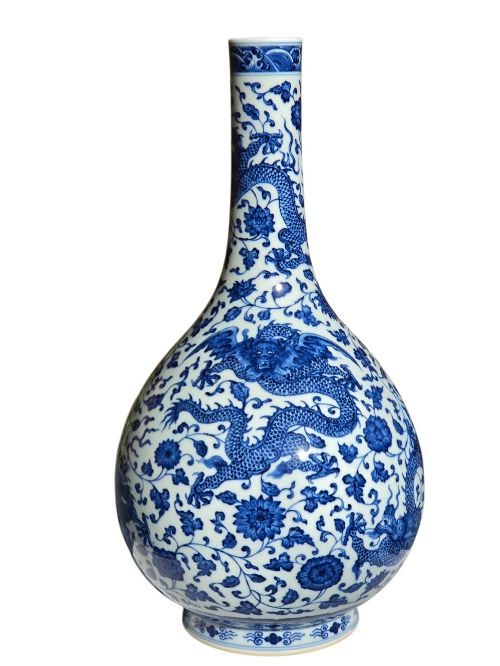
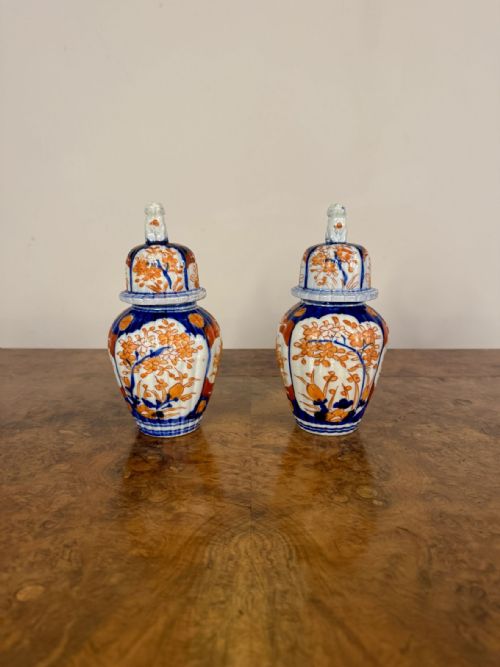
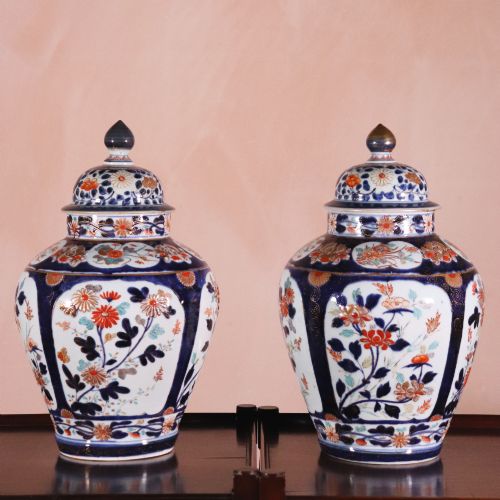
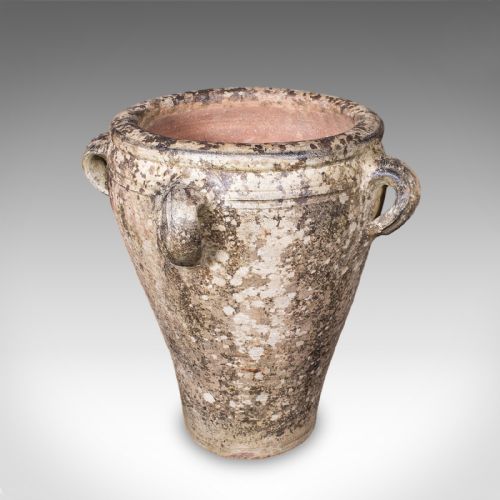
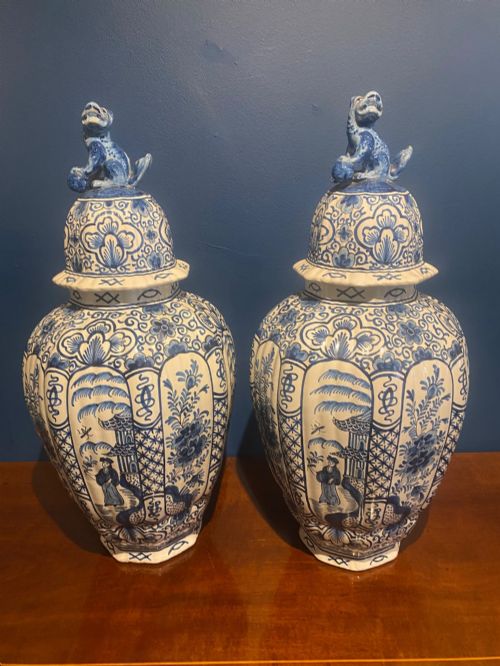
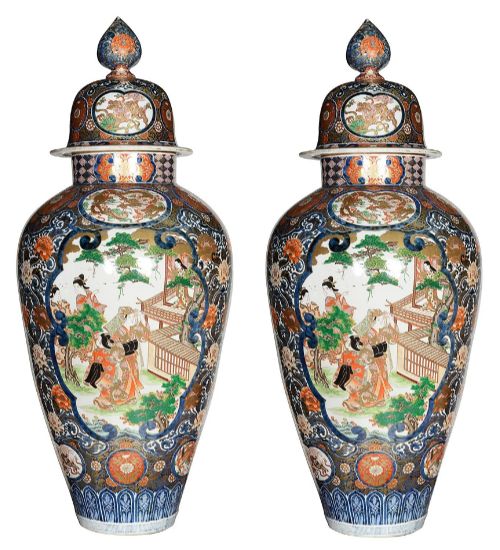
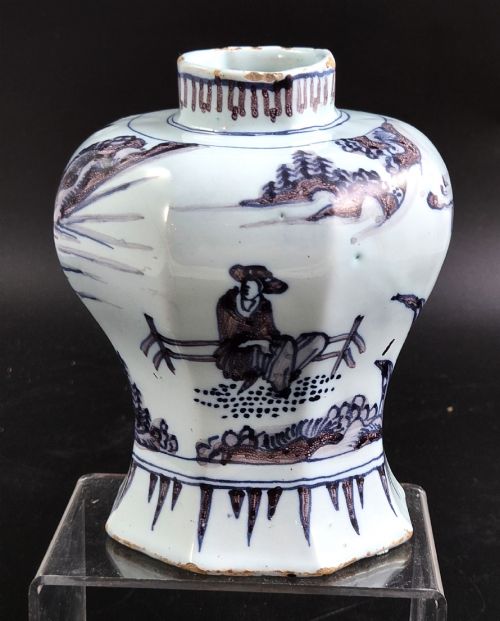
When searching for antique ceramic jars, collectors encounter a diverse group of vessels designed for storage, display, and apothecary use. The selections range from utilitarian earthenware pots and French confit jars to decorative Chinese porcelain and Japanese Imari lidded urns.
The pieces meeting buyers here include utilitarian vessels from the seventeenth and eighteenth centuries alongside ornate nineteenth-century decorative containers. Domestic tea canisters, apothecary jars, and large floor vases appear frequently across the periods represented.
How they were made
Potters shaped these vessels using earthenware, stoneware, and fine porcelain bodies, applying tin glazes, cobalt blue, and enamel pigments. Kiln workers fired pieces across varying temperatures to achieve vitrified surfaces or porous terracotta finishes.
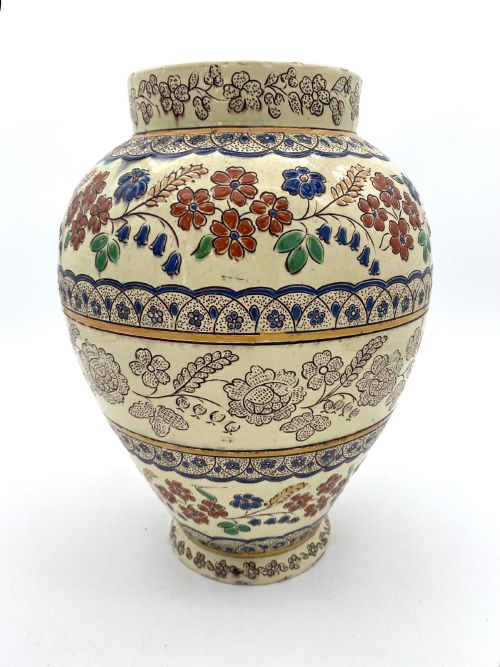
Decoration techniques include hand-painted underglaze cobalt, polychrome enamel work, gilding, and moulded reliefs. Artisans across Europe and Asia utilised local clays and specialised mineral oxides to create distinctive surface textures and colour depths.
Antique Ceramic Jars Retail Price Guide 2026
Typical asking prices for ceramic jars among the pieces listed under this phrase on Sellingantiques today, from the lower quarter to the upper quarter. They describe what is for sale here now, not the wider market.
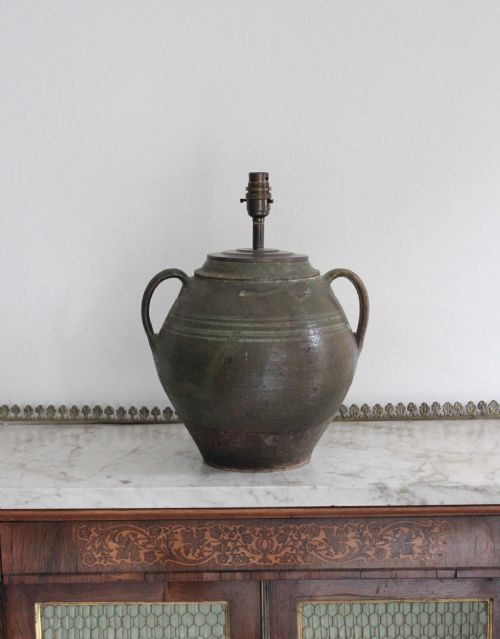
A rustic French confit pot once destined for duck fat now holds dried lavender with effortless charm.
What varies in quality
Quality separates through the crispness of the hand-painting, the stability of the glaze during firing, and the symmetry of the thrown form. Superior examples display confident brushwork and precise control over kiln temperatures, avoiding muddy colours or warped walls.
The refinement of the raw ceramic paste and the complexity of the decorative programme distinguish standard utilitarian vessels from master workshop output. Preservation of original lids and covers also dictates the integrity of surviving lidded containers.
Edme Samson·John Dwight Fulham Pottery·Leeds Pottery·Doulton Lambeth·Fourmaintraux Courquin Sceaux·Sitzendorf
The Antique Ceramic Jars Glossary
- Baluster
- A vase form with a rounded body that tapers toward the base and swells outward near the centre, resembling an architectural baluster. This silhouette appears frequently in seventeenth-century Dutch and Chinese export vessels.
- Tin-Glazed Earthenware
- Pottery coated with a white glaze containing tin oxide, providing an opaque surface for painted decoration. This technique underpins Dutch Delftware and French faience production.
- Famille Rose
- A palette of opaque enamel colours dominated by pink or rose hues, introduced to Chinese porcelain during the Qing dynasty. The style was widely copied by European factories.
- Confit Pot
- A utilitarian French earthenware vessel, typically glazed on the interior and upper exterior, used historically for storing preserved meats. They are valued today for their robust forms and earthy glazes.
- Imari
- Japanese porcelain decorated in underglaze blue, iron red, and gilt, produced primarily for export. The style gained immense popularity in European interiors during the seventeenth and eighteenth centuries.
Antique Ceramic Jars: Frequently Asked Questions
How do I identify a true antique ceramic jar?
Examine the base for signs of age, including wear patterns, kiln scars, and the characteristics of the clay body. Historical potting techniques leave subtle irregularities that modern reproductions struggle to replicate accurately.
Compare the glaze consistency and pigment styles against known examples from specific periods like the eighteenth or nineteenth century. Maker marks and origin characteristics further clarify the age and authenticity of the piece.
Were apothecary jars used for medicine?
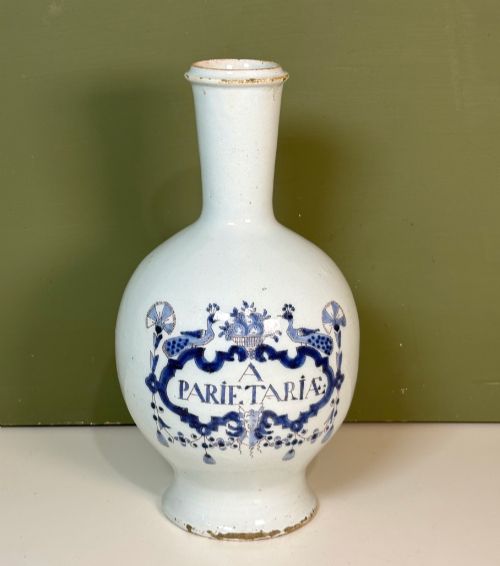
Apothecary jars served as storage containers for dried herbs, medicinal compounds, and syrups in historical pharmacies and dispensaries. Their clear labelling and sealed lids protected contents from moisture and degradation.
Over time, these large jars transitioned from working medical containers into decorative display pieces for domestic interiors. Their bold inscriptions and vibrant glazes make them striking focal points in modern rooms.
How should I clean antique ceramics?
Dust antique ceramic jars gently with a soft, dry brush to remove surface particles without disturbing fragile glazes or gilt decoration. Avoid harsh chemical cleaners, abrasive scrubbing pads, and soaking.
If washing is necessary, use lukewarm water with mild soap and dry immediately with a lint-free cloth. Unglazed terracotta and porous earthenware require particular care to prevent moisture absorption.
Can I display antique jars in bright sunlight?
Direct sunlight can cause overglaze enamels and delicate pigments to fade significantly over extended periods. Position ceramic pieces away from windows or use UV-filtering glass if natural light is unavoidable.
Rotating display positions helps ensure even exposure across collections housed in brightly lit rooms. Stable indoor humidity also protects fragile earthenware bodies from thermal shock.