


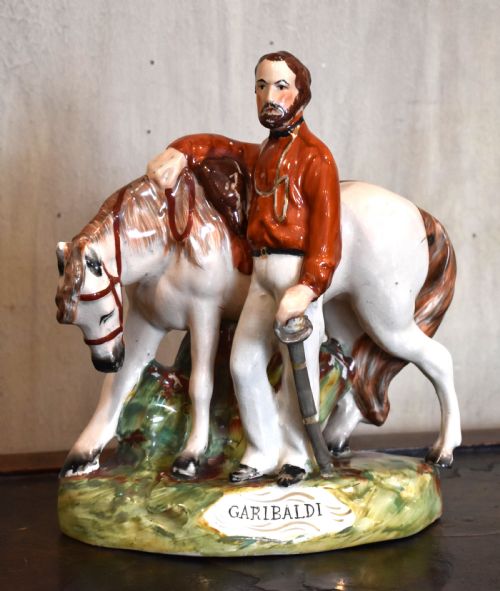

Antique Ceramic Horse Ornament
An antique ceramic horse ornament brings domestic folklore and distant dynasties to a mantelpiece through glazed earthenware and porcelain.
Antique Ceramic Horse Ornament
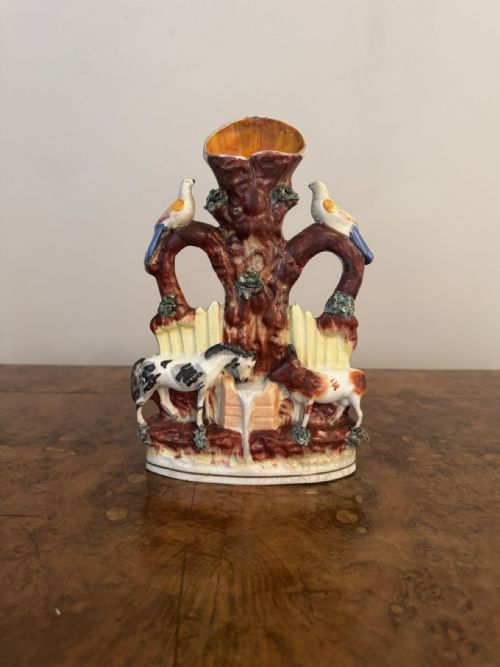
Every antique ceramic horse ornament represents a distinct tradition, spanning Victorian Staffordshire potteries and ancient Chinese kilns. Buyers searching this phrase encounter both British flatback figures depicting historical figures on horseback and earlier terracotta or glazed sculptures.
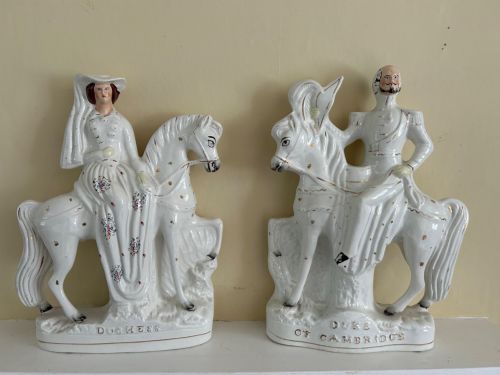
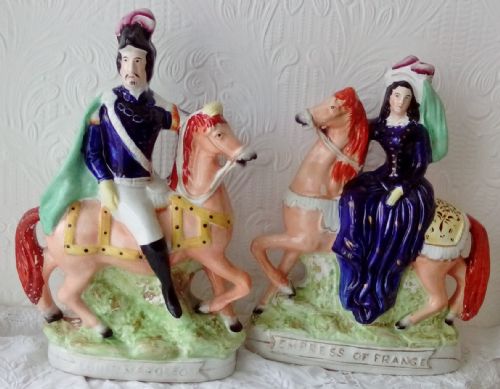
The most common examples on this page are Victorian Staffordshire earthenware figures, often modelled as equestrian riders, royal children, or Scottish Highlanders. These utilitarian pieces were designed for cottage mantelpieces rather than grand display cabinets.
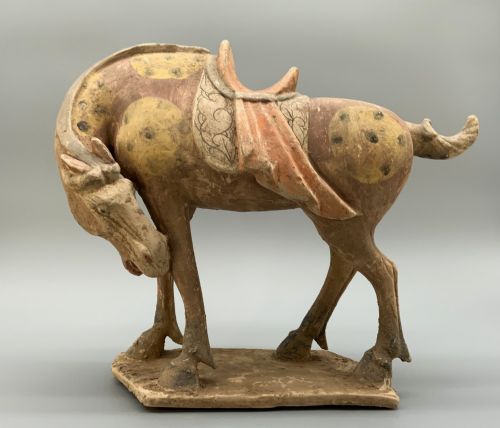
Alongside British earthenware, the selection includes pieces inspired by the Tang Dynasty and Japanese porcelain from the Edo and Meiji periods. These varied origins mean a collection might bridge rustic folk art and imperial court sculpture.
Materials and construction
Potters relied primarily on earthenware, terracotta, and clay to shape these animal figures before applying lead glaze or enamel. The body fabric dictates the weight and density of each sculpture.
Glazing techniques range from the rich Sancai tri-colour palette seen on Tang style horses to the simpler lead glazes of nineteenth-century British potteries. Enamel pigments added surface detail after an initial firing.
Highwayman Tom King shares shelf space with royal children and leopard hunters.
Judging the work
The application of glaze and enamel colour dictates visual depth. Consistent firing temperatures and careful hand-painting prevent running colours and muddy surfaces.
The Antique Ceramic Horse Ornament Glossary
- Flatback
- A figure moulded with a finished front and a plain, unglazed or hollow back designed to stand against a wall. This technique saved time and material for nineteenth-century potters.
- Earthenware
- A porous pottery body fired at lower temperatures than stoneware or porcelain. It requires a glaze to become impermeable to liquids.
- Sancai
- A traditional Chinese three-colour glaze scheme utilising straw, green, and amber tones. It is strongly associated with Tang Dynasty pottery.
- Recumbent
- Lying down or resting, used to describe animal figures modelled in a horizontal posture rather than standing. This form often appears in Japanese porcelain horse figures.
Antique Ceramic Horse Ornament: Frequently Asked Questions
What periods do these horse ornaments come from?
The pieces span from pre-sixteenth century Chinese objects to nineteenth-century Victorian Staffordshire productions and twentieth-century revivals.
Victorian examples dominate the domestic offerings, while Asian pieces represent earlier dynastic traditions or Japanese kiln work.
Where were Staffordshire figures displayed?
Staffordshire figures were made for the mantelpieces of nineteenth-century homes, intended to be viewed primarily from the front.
Because the backs were often flat and unadorned, they sat neatly against cottage walls and shelf backs.
How do I care for antique ceramic figures?
Keep ceramic horses away from direct sunlight and areas subject to sudden temperature shifts to protect the glaze and body.
Dust them gently with a dry, soft brush rather than using water or cleaning solutions that might damage older enamel.
Are all the figures British?
While Staffordshire pottery forms the majority of the selection, the category includes Chinese Tang Dynasty style works and Japanese porcelain.
Geographic origins range widely across Europe and Asia depending on the specific aesthetic of the piece.