


Antique Ceramic Head
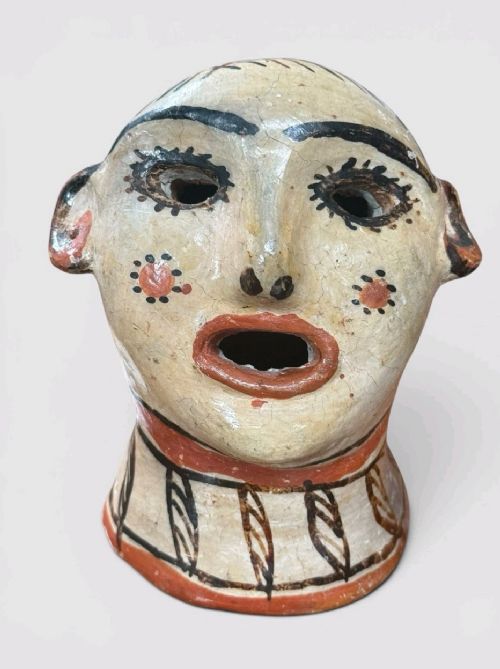
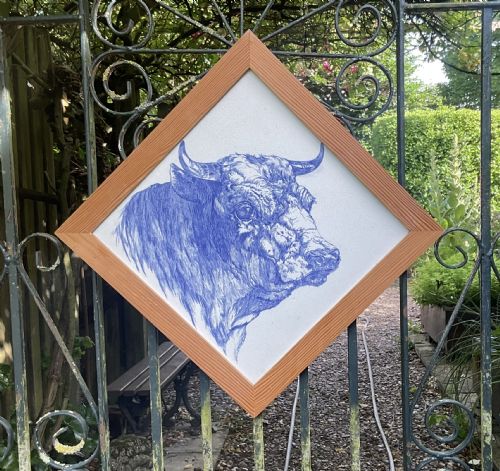
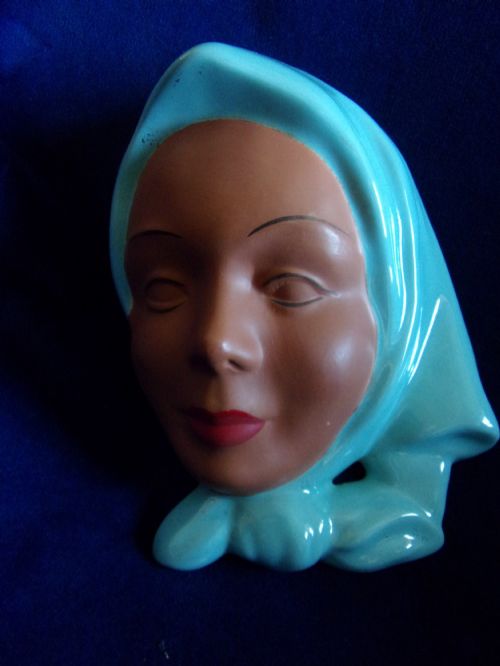
An antique ceramic head captures human and animal likenesses across centuries of sculptural form, offering expressive character to interiors.
Antique Ceramic Head
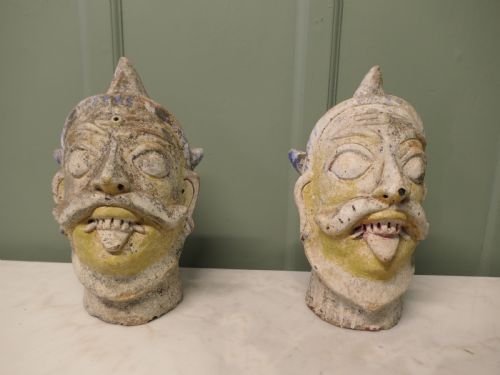
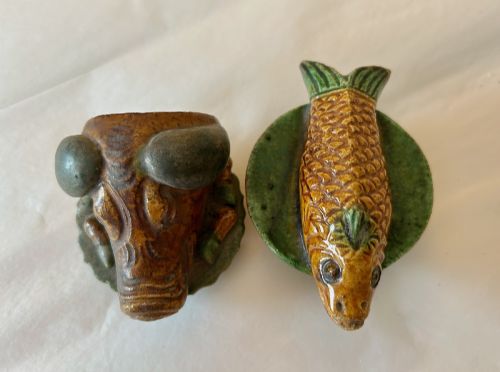
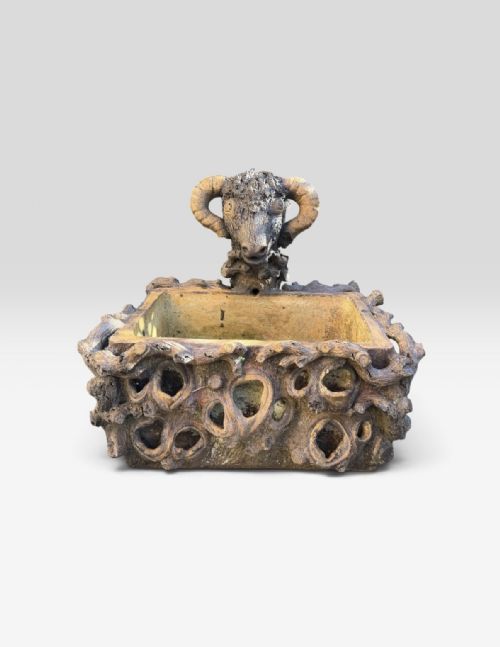
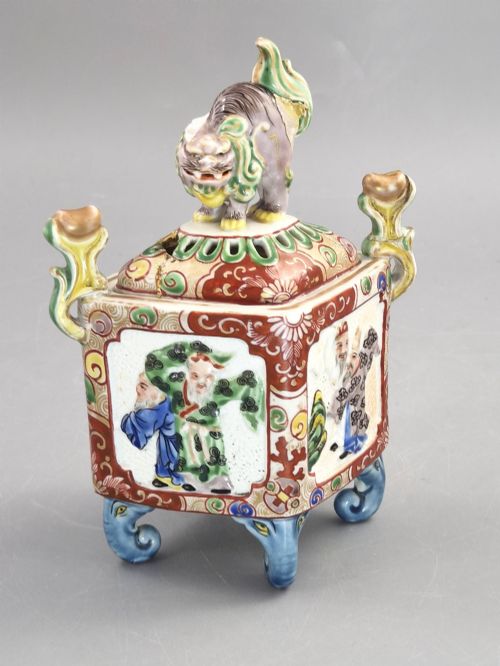
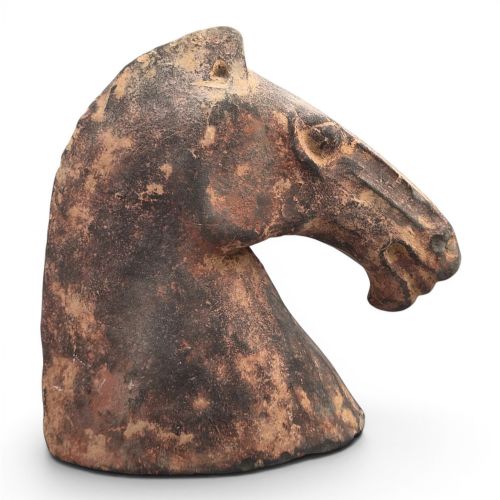
An antique ceramic head encompasses sculptural busts, portrait figures, animal representations, and vessel components modelled from clay, earthenware, terracotta, and porcelain. The selection spans utilitarian vessels with figurative spouts, architectural elements, and independent portrait busts created across multiple stylistic periods.
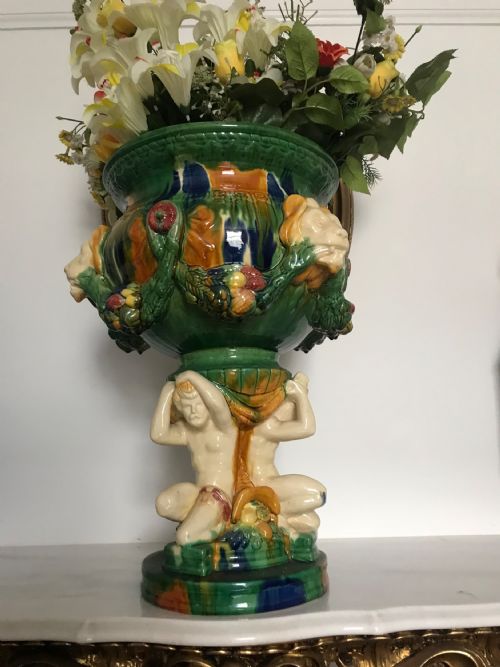
Makers utilised diverse regional traditions, ranging from English Staffordshire potteries and European porcelain manufactories to Asian kilns and continental terracotta studios. Pieces vary from domestic Staffordshire figures and Toby jugs to monumental Majolica garden ornaments and classical portrait busts.
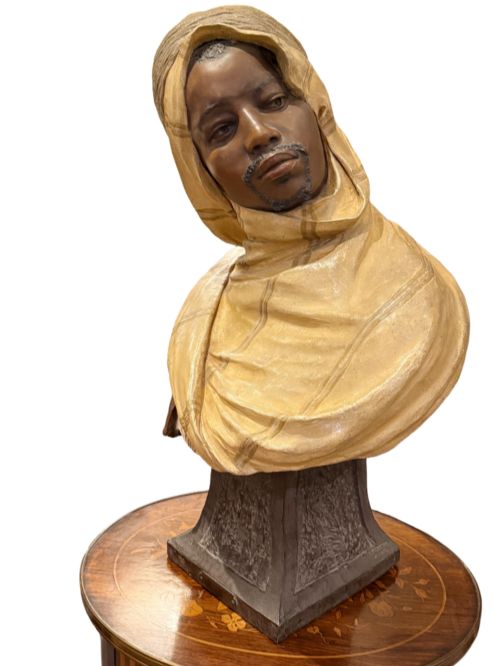
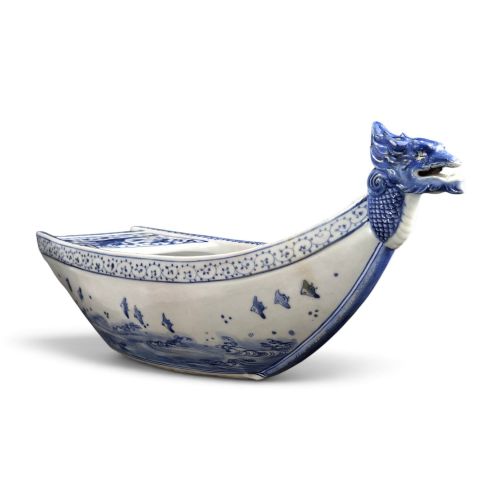
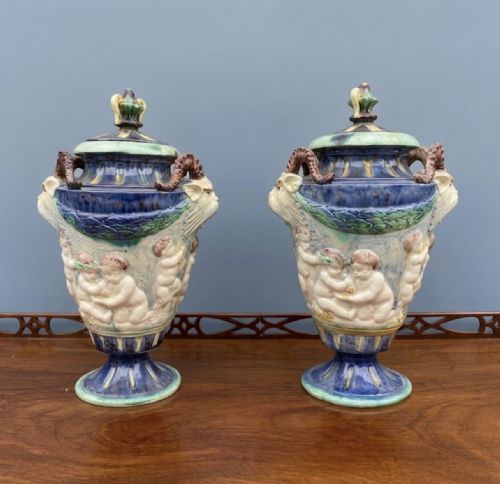
Buyers encounter distinct categories including portrait sculptures by named modellers, mythical creature adornments on vases, and functional items featuring animal head decoration. These sculptural elements reflect the aesthetic priorities of their respective eras, from Georgian earthenware to Art Deco ceramic figures.
Materials and production methods
Modelling relies on earthenware, terracotta, and hard-paste porcelain, shaped either by hand, press-moulding, or slip-casting. Potters applied enamels, underglaze blue, salt glaze, and coloured lead glazes before firing the ceramic bodies in kilns.
Finishing techniques involved meticulous hand-painting, polychrome pigments, and occasionally applied gold leaf or bronze patination over terracotta. Complex forms such as lidded vases and figural bases required multi-part moulds and precise thermal control during firing.
Antique Ceramic Head Retail Price Guide 2026
Typical asking prices for ceramic head among the pieces listed under this phrase on Sellingantiques today, from the lower quarter to the upper quarter. They describe what is for sale here now, not the wider market.
Nodding pagodas from Meissen introduce a delightful kinetic element, designed to bob their ceramic heads continuously upon the mantelpiece.
Evaluating sculptural quality
Glaze application and enamel painting determine visual impact, with top-tier works exhibiting controlled brushwork, vibrant polychrome depth, and clean firing results. The integration of sculptural heads into functional vessels, such as spouts or handles, displays the maker's balance between utility and decorative form.
Goldscheider·Mintons·Edme Samson Of Paris·Royal Worcester·Meissen
The Antique Ceramic Head Glossary
- Terracotta
- Fired unglazed clay of a brownish-red colour. This porous material served widely for portrait busts and architectural ornaments.
- Majolica
- Opaque tin-glazed earthenware decorated with brightly coloured metallic oxide glazes. It gained popularity for large decorative planters and figural bases during the nineteenth century.
- Stirrup cup
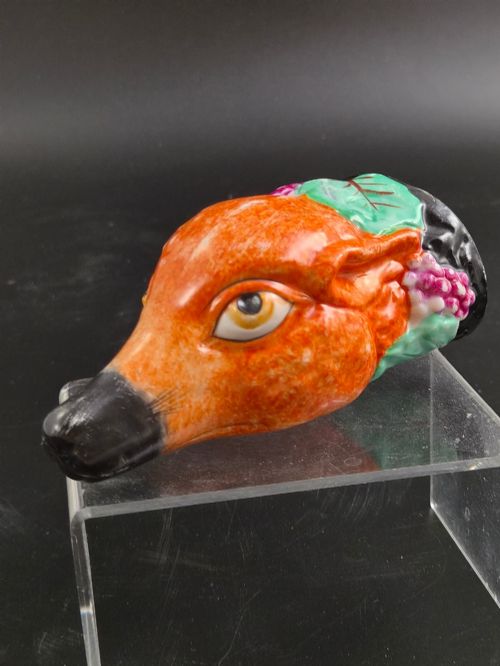
- A ceramic drinking vessel modelled in the shape of an animal head. Riders traditionally drank from these cups before setting off on a hunt.
- Garlic-head vase
- A vessel featuring a constricted neck expanding into a bulbous mouth resembling a clove of garlic. This form originated in Chinese ceramic traditions.
Antique Ceramic Head: Frequently Asked Questions
What is an antique ceramic head?
An antique ceramic head refers to sculptural busts, animal representations, and figurative vessel elements produced in clay, terracotta, or porcelain.
These pieces range from portrait studies of historical figures and classical subjects to decorative animal motifs integrated into vases and jugs.
How were these ceramic sculptures used?
Many served purely decorative purposes as mantelpiece ornaments, portrait busts, or architectural finials in domestic and public spaces.
Others fulfilled functional roles as drinking vessels, teapots, tureen covers, and garden planters where sculptural heads formed handles, spouts, or structural supports.
How can I distinguish period styles?
Period identification relies on examining the specific clay body, glaze characteristics, and stylistic conventions associated with manufacturing eras such as Georgian, Victorian, or Art Deco.
Comparing the modelling technique and colour palette against documented examples from specific potteries helps confirm the approximate date of creation.