


Antique Ceramic Collectables
These antique ceramic collectables span centuries of studio craft, porcelain figures and glazed vessels from notable kilns.
Antique Ceramic Collectables
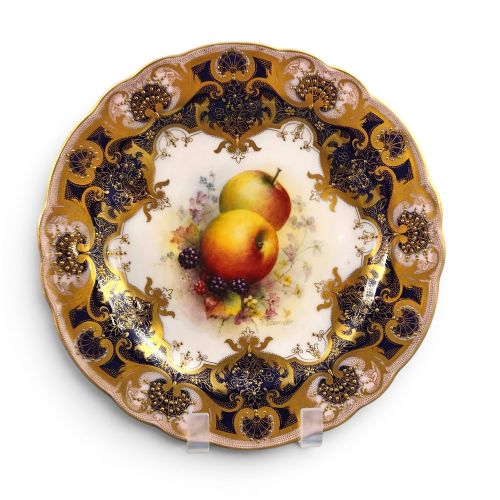
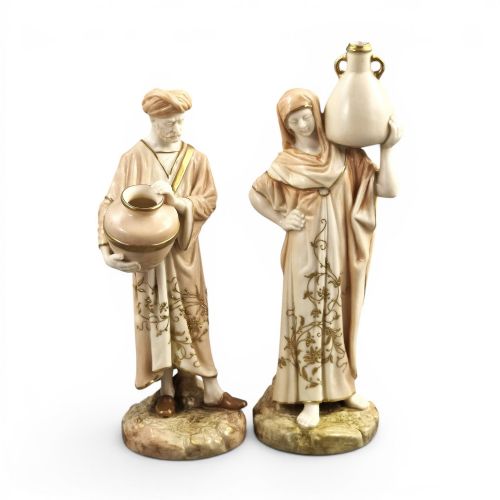
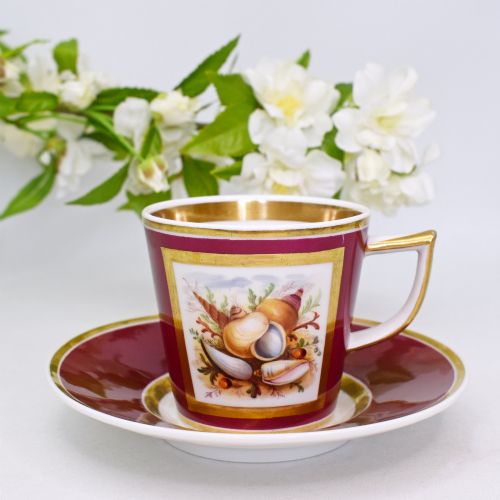
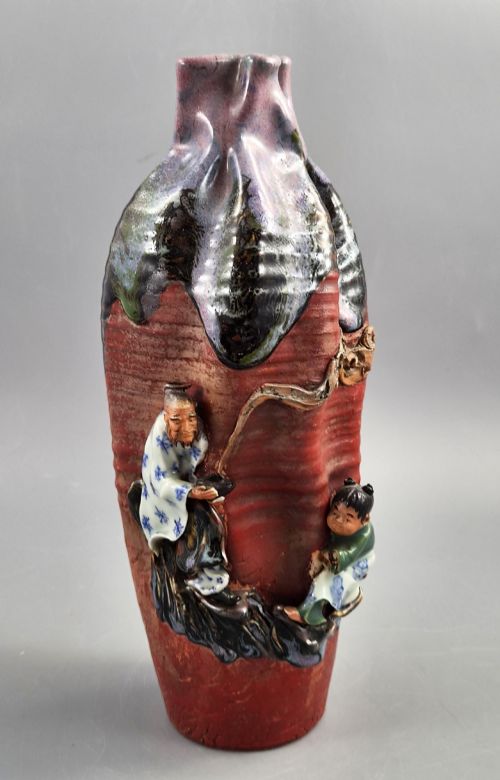
When browsing antique ceramic collectables, you encounter a diverse range of objects spanning the eighteenth, nineteenth and twentieth centuries. The selection encompasses functional vessels alongside decorative figures, plates, dishes and table lamps. Pieces originate from major European porcelain factories as well as regional English potteries.
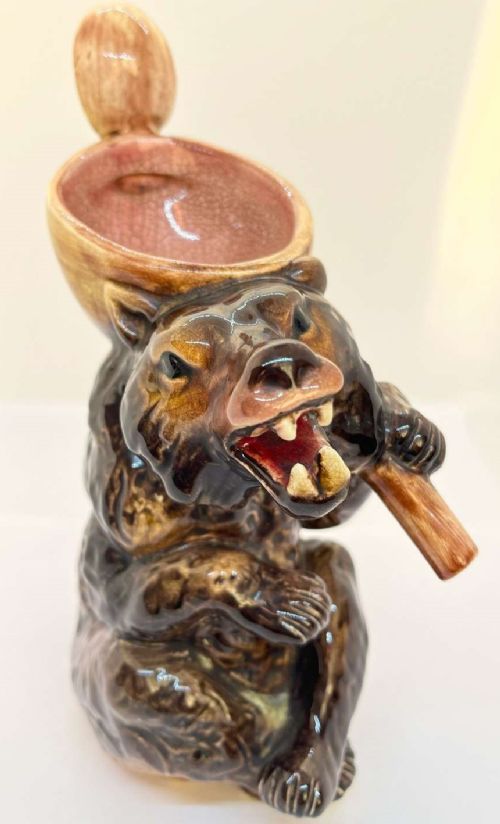
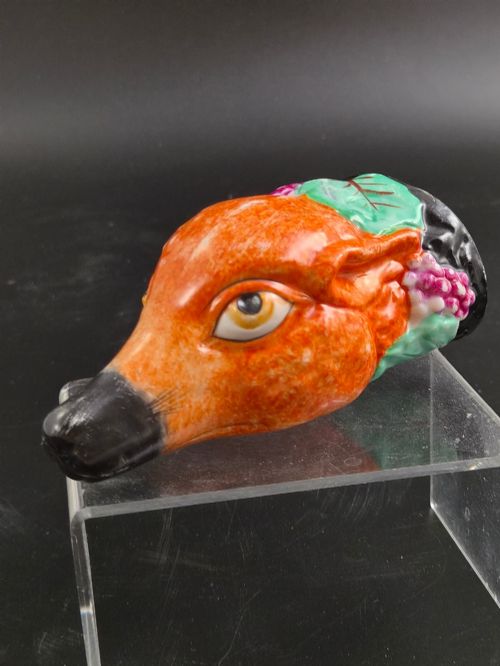
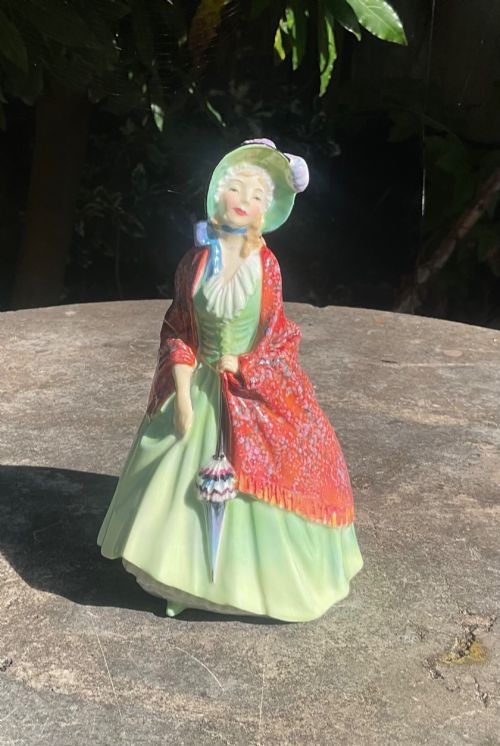
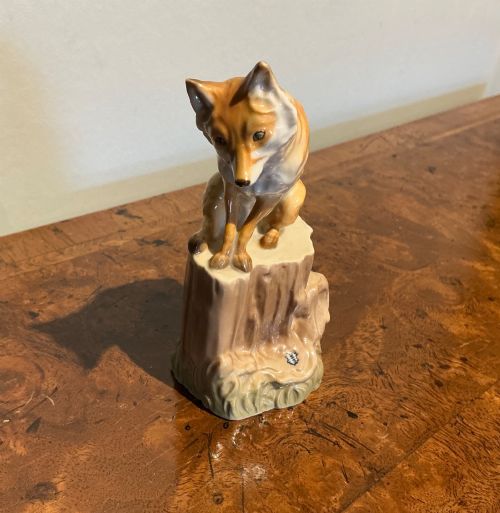
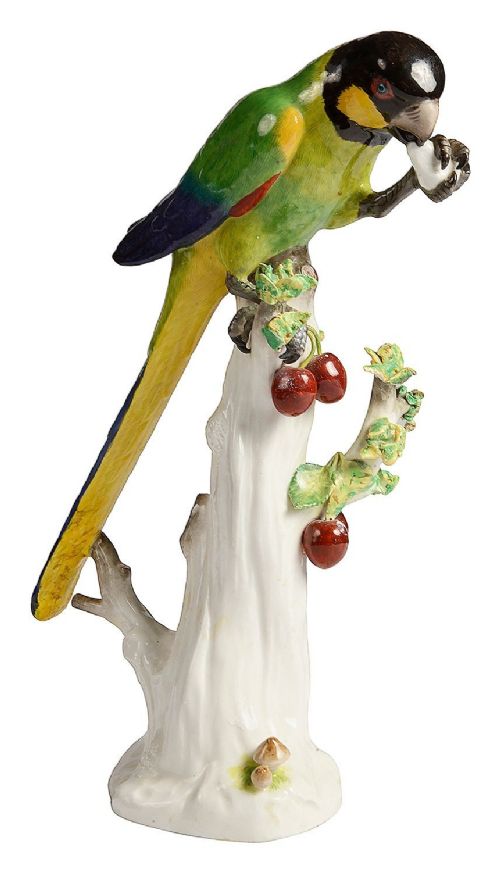
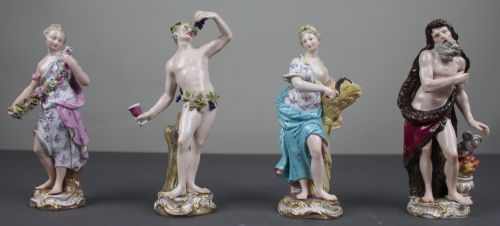
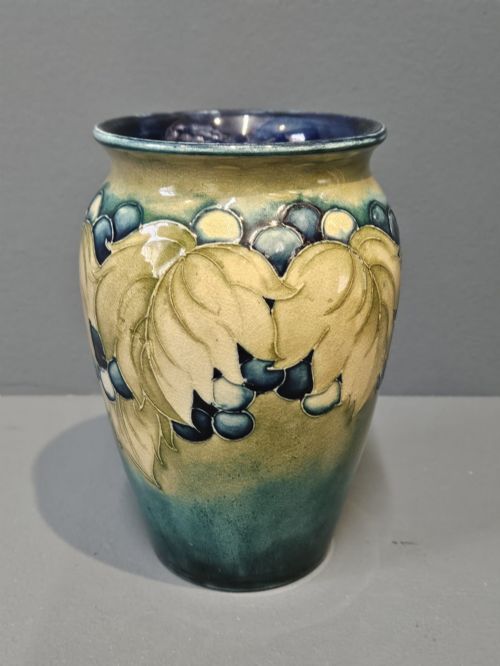
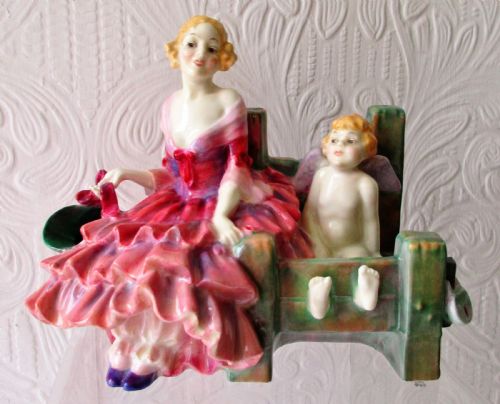
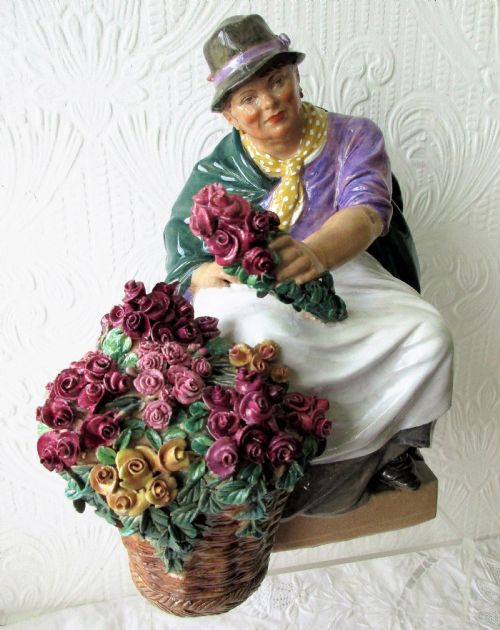
Figurines and animals form a substantial part of the range, depicting human characters, birds, leopards and wild boars. Vases, bowls and flagons provide functional utility with distinct decorative glazes. These items reflect the shifting domestic tastes and manufacturing capabilities of their respective eras.
Materials and methods
Makers utilised body materials including porcelain, bone china, earthenware and pearlware, shaping them by hand or moulding. Surface enrichment relied on painted glazes, enamel, gold leaf and lustre techniques to achieve varied colour depth. Kiln firing temperatures determined the vitrification of the clay bodies and the permanence of the pigments.
Specialised decorative effects such as jasperware, flambé glazes and blush ivory required precise chemical control during firing. Hand-painted details by named artists added individual artistic expression to factory-produced blanks. Potters also employed salt-glazing and brown glazes for robust utilitarian wares.
Listings feature items spanning the Georgian, Victorian, Edwardian and mid-twentieth-century periods, utilising porcelain, earthenware and bone china.
Distinguishing quality in ceramics
Superior quality rests in the crispness of the moulding and the delicacy of the hand-painted brushwork. Factory output varied from standard commercial production to exhibition pieces painted by designated artists. The definition of facial expressions on figures and the evenness of lustrous glazes mark the higher tier of workmanship.
The survival of original gilding and enamel colours without excessive fading indicates careful preservation and superior initial chemistry. Marks denoting specific factory periods or designer signatures add documented authority to individual pieces. The complexity of the ceramic body, such as intricate porcelain lacework or layered lustre, separates standard wares from exceptional examples.
Royal Doulton·Meissen·Wedgwood·Moorcroft·Royal Worcester·Charles Vyse·Derby·Longton Hall
The Antique Ceramic Collectables Glossary
- Pearlware
- A fine-grained earthenware developed by Josiah Wedgwood that featured a bluish-white glaze to emulate porcelain. It became popular during the late eighteenth and early nineteenth centuries.
- Majolica
- A type of earthenware coated with an opaque tin-lead glaze and brightly coloured enamel decoration. Victorian manufacturers used this technique to produce robust and vivid animal figures and jugs.
- Bone china
- A porcelain variety incorporating animal bone ash into the clay body. This composition increases strength and allows for thin-walled, translucent vessel construction.
- Lustre
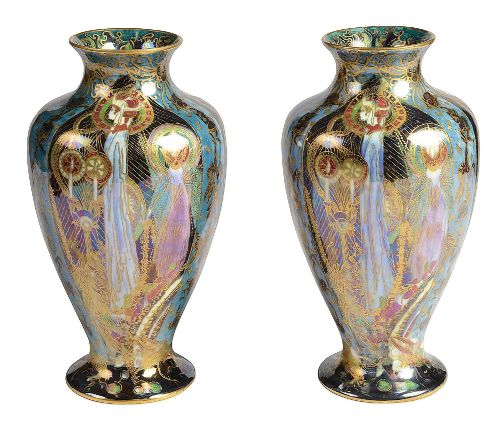
- A metallic glaze surface treatment that creates an iridescent sheen upon firing. Wedgwood Fairyland Lustre pieces demonstrate complex applications of this technique.
- Jasperware
- A fine stoneware developed by Josiah Wedgwood noted for its matte surface and contrasting relief ornaments. It was frequently produced in blue, green or lavender bodies.
Antique Ceramic Collectables: Frequently Asked Questions
What is ceramic collectables?
Ceramic collectables encompass a wide variety of fired clay objects, including porcelain figures, earthenware jugs, decorative plates and studio pottery. These pieces represent centuries of manufacturing skill and artistic design across European kilns.
Collectors prize them for their historical context, maker marks, regional styles and the distinct hand-craftsmanship evident in their glazes and painting.
How do I care for antique pottery?
Keep antique ceramics away from direct sunlight to prevent enamel fading and protect delicate gold leaf and lustre surfaces. Display them on stable shelves away from high traffic areas to avoid accidental knocks.
Clean pieces gently with a dry, soft cloth, and avoid submerging fragile earthenware or items with repaired sections in water.
How do I identify factory marks?
Factory marks are typically stamped, impressed or painted on the underside of the ceramic base. These symbols, ciphers and numbers often indicate the specific operating period, pattern number or decorating artist.
Reference guides dedicated to specific potteries, such as Royal Worcester or Meissen, help match these marks to accurate production dates.