
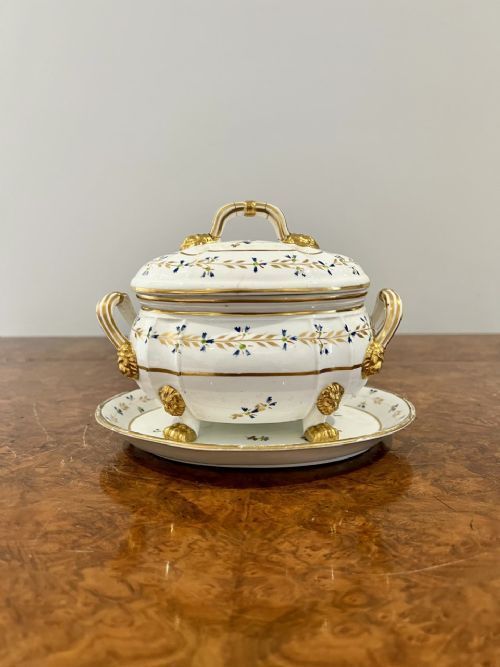


Antique Ceramic Bowl Stand
An antique ceramic bowl stand holds decorative vessels and planters securely, offering a practical foundation that elevates domestic displays.
Antique Ceramic Bowl Stand
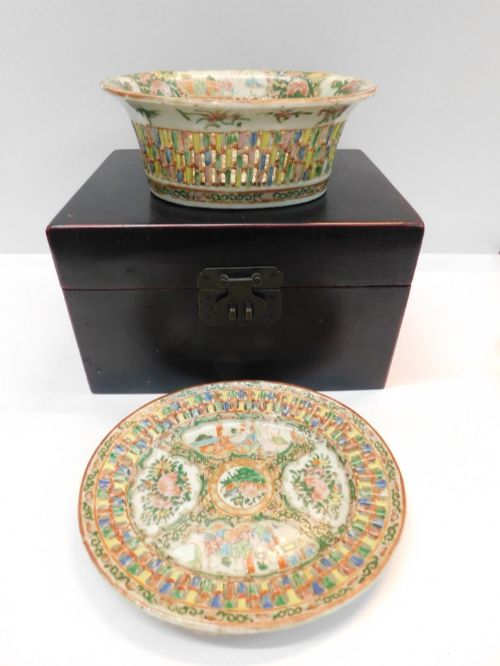
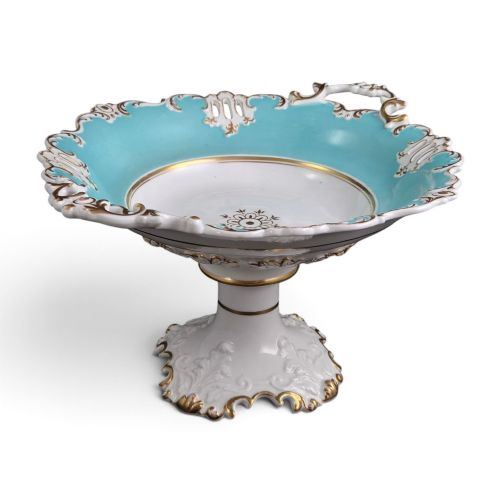
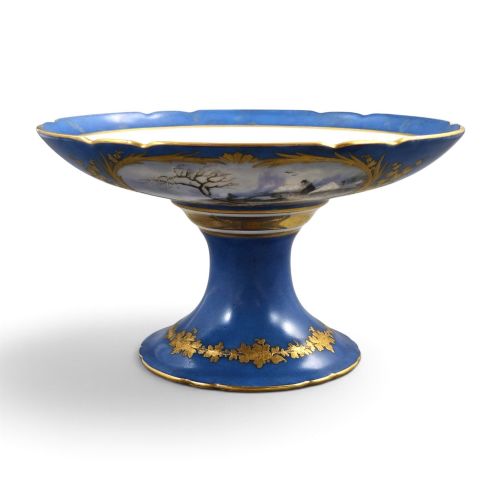
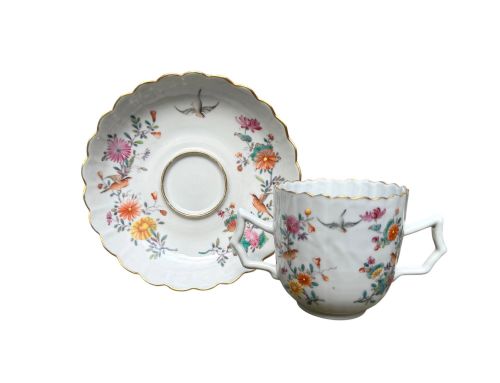
An antique ceramic bowl stand encompasses varied utilitarian and decorative pieces designed to support vessels, tureens, comports, and planters. These items emerge predominantly across the nineteenth century, spanning Victorian, Edwardian, and Regency periods alongside Chinese export wares.
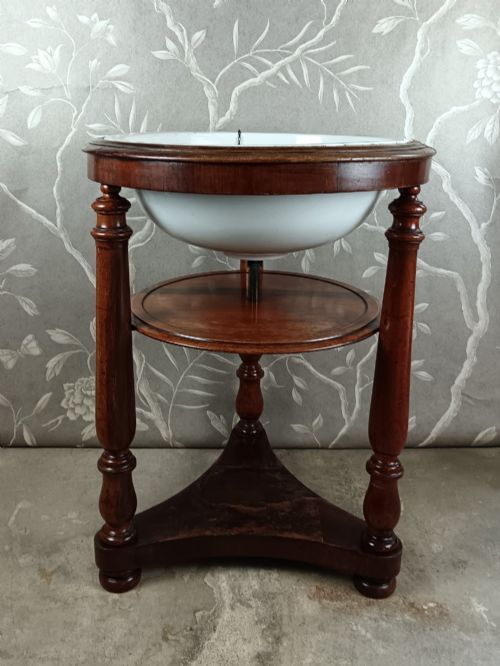
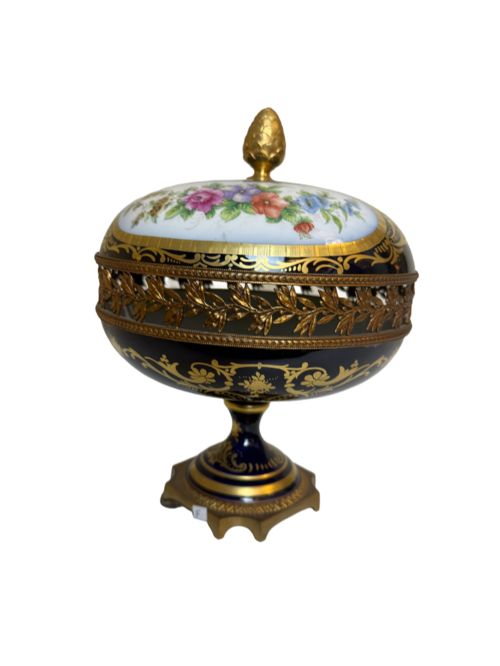
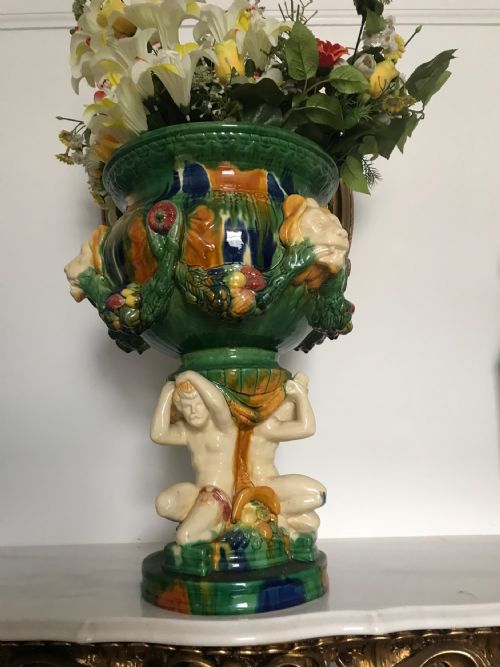
Buyers encounter everything from matching porcelain chestnut baskets with trays to majolica planter bases and wooden washstands housing ceramic basins. The selection bridges formal dining table garnitures and robust household furniture.
Materials and construction
Makers utilised porcelain, earthenware, and ironstone, applying detailed glaze and enamel finishes often heightened with gold leaf or gilt detailing. Ceramic components are frequently paired with turned mahogany or associated hardwood stands.
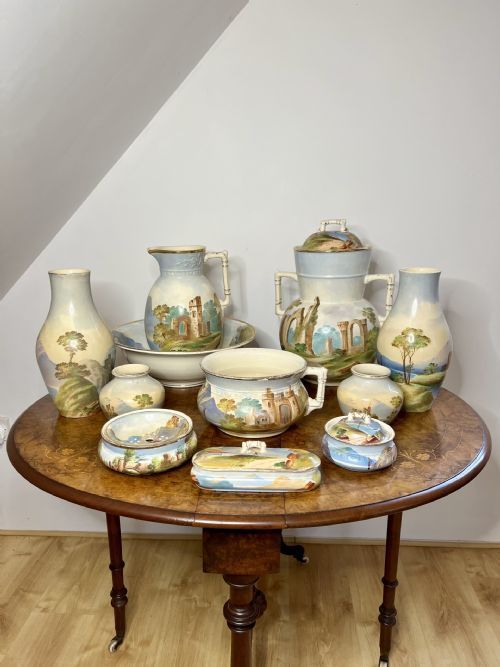
Moulding and hand-painting dominate the decorative surfaces, from transfer-printed blue and white patterns to applied floral encrustations and figural supports.
Listings feature items from the 1800s through the 1920s, utilising porcelain, earthenware, and mahogany.
Judging execution
Quality rests in the crispness of the ceramic moulding and the precision of the hand-painted or transfer-printed decoration. Finer examples display subtle enamel work, intact gilt highlights, and balanced structural proportions.
The relationship between the bowl and its stand dictates overall merit, particularly where wooden frames or secondary bases accompany the ceramic piece.
Coalport·Sèvres·Limoges·Crown Derby·Mintons·Doulton Burslem·Chamberlain Worcester·Davenport·Royal Worcester·Moorcroft
The Antique Ceramic Bowl Stand Glossary
- Comport
- A raised vessel used for serving fruit or sweetmeats at the table. These often sit upon a pedestal or dedicated ceramic stand.
- Tureen
- A deep covered bowl designed for serving soups, sauces, or vegetables, frequently accompanied by an integral matching tray.
- Majolica
- A type of earthenware coated in an opaque tin glaze, known for vivid coloured decoration and relief modelling popular in the nineteenth century.
- Famille rose
- A palette of Chinese porcelain decoration characterised by opaque pink enamel, prominent in eighteenth and nineteenth-century export pieces.
Antique Ceramic Bowl Stand: Frequently Asked Questions
What is an antique ceramic bowl stand used for?
These stands support vessels such as comports, tureens, and decorative bowls, elevating them for display or dining use.
They function as dedicated platforms that protect furniture surfaces while framing the ceramic object above.
How do I care for antique ceramic stands?
Dust ceramic and wooden parts regularly with a soft, dry cloth to prevent surface accumulation.
Avoid abrasive cleaners and keep pieces away from direct sunlight to protect enamel and gilt details.
Are bowl stands and matching bowls always sold together?
Many listings feature married pieces where the bowl and stand were united later in their history.
Original pairs share identical glaze characteristics, wear patterns, and maker marks confirming their shared origin.
How do I distinguish 19th-century ceramics?
Nineteenth-century pieces often display specific factory marks, transfer-printed patterns, and characteristic glaze textures.
Stylistic cues like Rococo Revival shaping or Victorian colour palettes also help date the manufacture.