


19th Century Washstands
These 19th century washstands combine practical timber framing with utilitarian stone and ceramic surfaces to anchor period bedrooms.
19th Century Washstands
19th century washstands encompass functional bedroom furniture designed to hold basins, ewers, and ablution gear before plumbed bathrooms became common. Buyers searching this phrase encounter substantial timber items spanning multiple decades of domestic manufacturing.
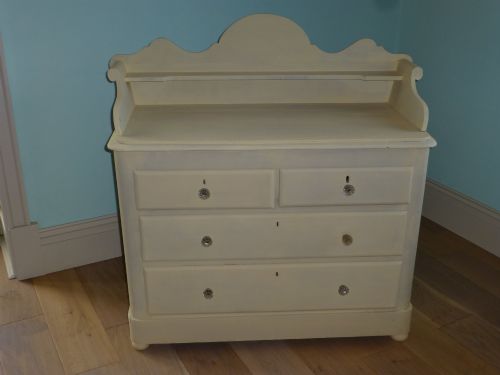
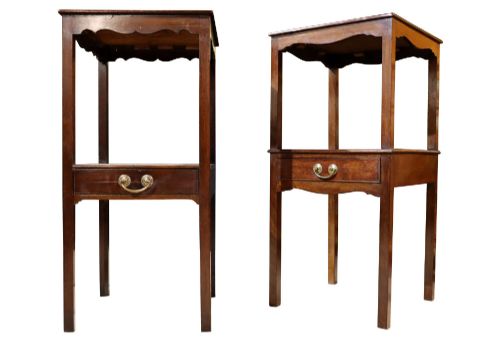
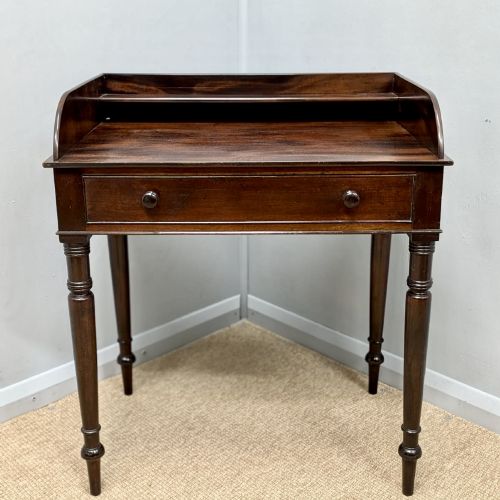
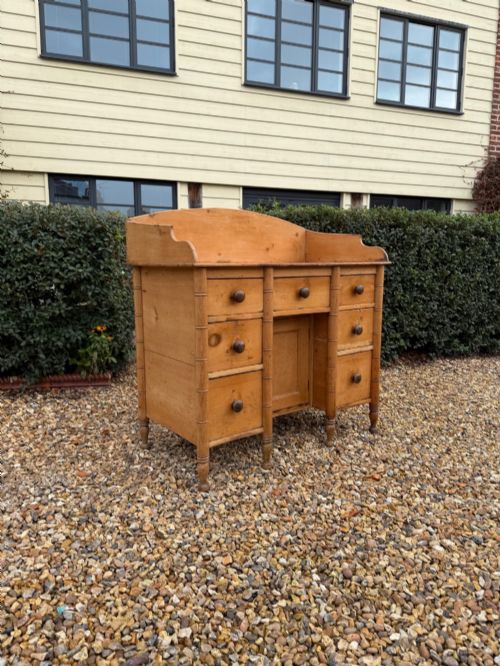
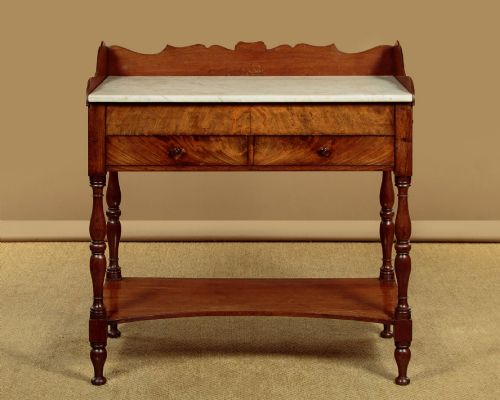
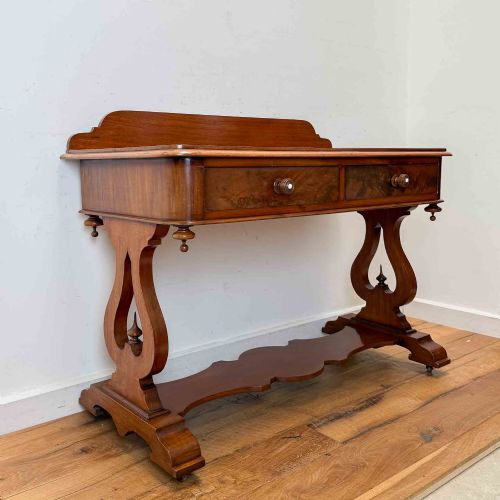
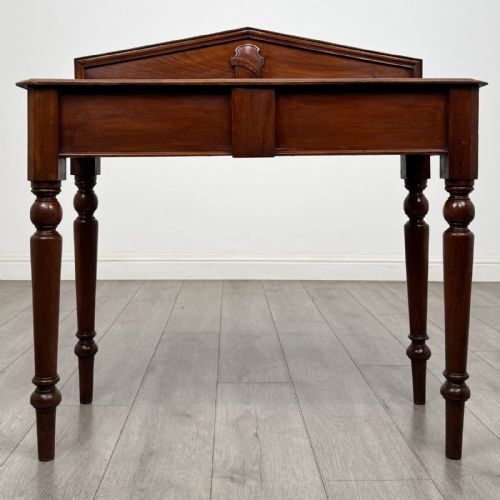
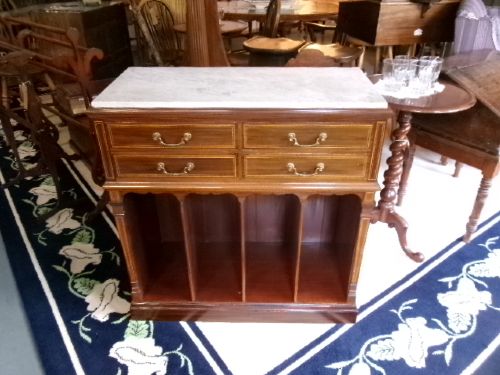
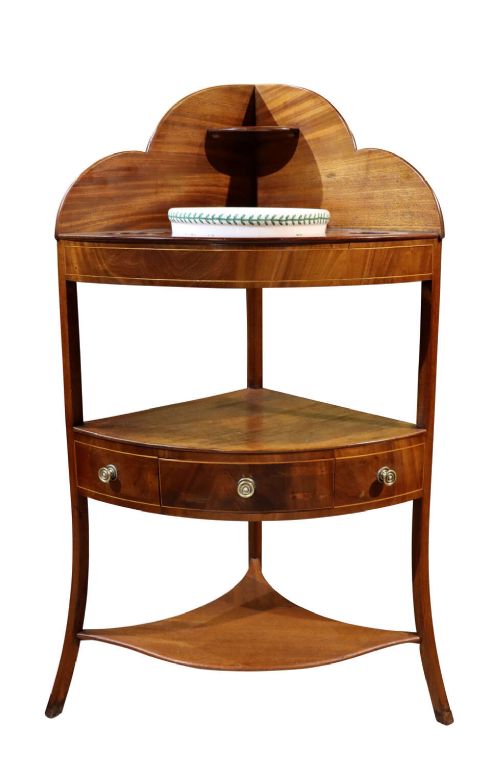
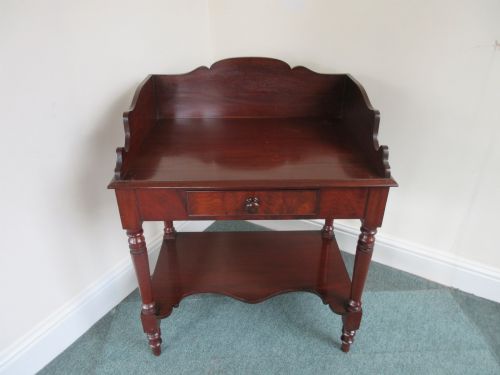
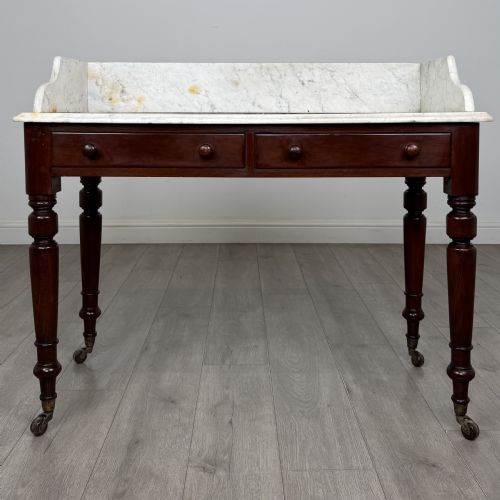
The pieces appearing here include mahogany and pine variants, ranging from compact corner stands to marble-topped storage units and serpentine front designs. Surviving examples often incorporate raised galleries or raised pediment backs to protect walls from splashing.
Originating across Georgian, Regency, William IV, and Victorian periods, these items reflect the shifting interior tastes of the century. Simpler painted pine versions contrast with architectural mahogany pieces and late century faux bamboo examples.
How they were made
Cabinetmakers constructed these frames primarily from mahogany and pine, utilising local timbers alongside imported hardwoods. Timber components were joined using traditional cabinet techniques to support heavy stone elements.
Marble slabs provided water-resistant surfaces on high-end iterations, paired with ceramic tiles or integrated brass fittings. Surfaces often featured turned legs, applied mouldings, or original painted finishes rather than complex marquetry.
Associated ceramic vessels like flow blue jugs and basins were thrown and hand-painted in factories before being paired with washstand cabinetry. Metal elements such as campaign brass handles served functional folding or portable requirements.
19th Century Washstands Retail Price Guide 2026
Typical asking prices for 19th century washstands among the pieces listed under this phrase on Sellingantiques today, from the lower quarter to the upper quarter. They describe what is for sale here now, not the wider market.
Listings feature mahogany, pine, and walnut structures, paired frequently with marble tops and ceramic vessels.
What varies in quality
The choice of primary timber and secondary woods establishes the foundational grade of the piece, with dense mahogany structures holding greater cabinetmaking ambition than utility pine items. Original marble tops and integrated ceramic tiles elevate the specification beyond plain wooden surfaces.
Refinement in carving, such as turned legs and shaped serpentine fronts, distinguishes standard utilitarian output from bespoke commission work. The survival of original painted finishes or hidden interior compartments preserves the integrity of the design.
Structural cohesion relies upon the original pairing of the washstand frame with its accompanying marble or ceramic additions. Pieces retaining their fitted galleries and untouched hardware demonstrate superior preservation.
Charles Bevan·Christopher Dresser·Maples
The 19th Century Washstands Glossary
- Washstand
- A piece of bedroom furniture designed specifically to hold a wash basin and water jug. These items often feature dedicated surface cutouts or protective raised galleries.
- Gallery
- A raised wooden border or back panel fitted to the top edges of a table or cabinet. This feature prevents water splashes and rolling items from falling off.
- Campaign
- Portable furniture designed for travel, typically featuring recessed brass handles and knock-down construction. These robust pieces were built for military officers and colonial transport.
- Faux bamboo
- Wood turned and carved to imitate the segmented stalks of natural bamboo. This decorative technique enjoyed widespread popularity during the late Victorian period.
- Flow blue
- A cobalt printing style where the pigment blurred slightly into the white glaze during firing. This ceramic effect creates a distinctive softened outline on jugs and basins.
19th Century Washstands: Frequently Asked Questions
What is a 19th century washstand?
A 19th century washstand is a wooden bedroom table or cabinet designed to hold a basin and water jug for washing before indoor plumbing. These pieces range from simple pine side tables to elaborate mahogany units with marble tops.
Surviving examples show how households managed personal hygiene throughout the Victorian and Georgian eras. Many incorporate specialised ledges, towel rails, and compartments for soap and pitchers.
How do I use a washstand today?
Modern interiors utilise these items as hallway console tables, bathroom vanity bases, or decorative side furniture in bedrooms. The stone or timber surfaces provide practical display space for lamps and objects.
Lower shelves and cupboards offer concealed storage for modern household items. Their compact footprints allow them to fit into tight spaces where standard modern cabinets might fail.
How do I tell Victorian from Georgian washstands?
Georgian washstands often feature lighter frames, elegant corner designs, and understated linear legs intended for restrained neoclassical rooms. Timber choices lean heavily toward figured mahogany with delicate joinery.
Victorian iterations tend to be heavier and more substantial, frequently incorporating marble tops, tiled backs, and serpentine fronts. Later Victorian examples also introduce exotic finishes like faux bamboo and turned walnut.
What is a corner washstand?
A corner washstand is a triangular or wedge-shaped piece built to fit directly into the corner of a room. These space-saving units were common in smaller bedrooms and dressing rooms.
Tiered versions often include multiple triangular shelves for holding water vessels and washing accessories. Their geometry maximises floor space while offering the same utility as standard rectangular tables.