

Antique Centrepiece Vase
An antique centrepiece vase anchors a dining table or hall stand, combining function with sculptural weight from periods like the Victorian and Edwardian eras.
Antique Centrepiece Vase
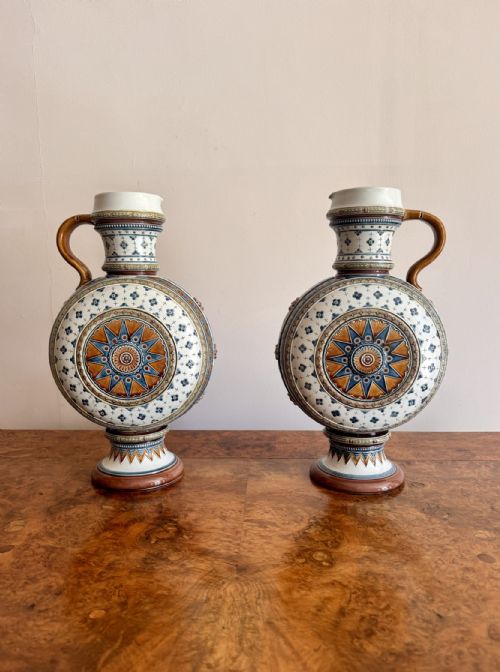
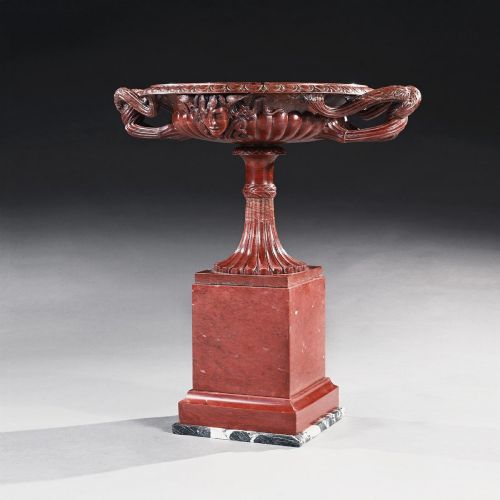
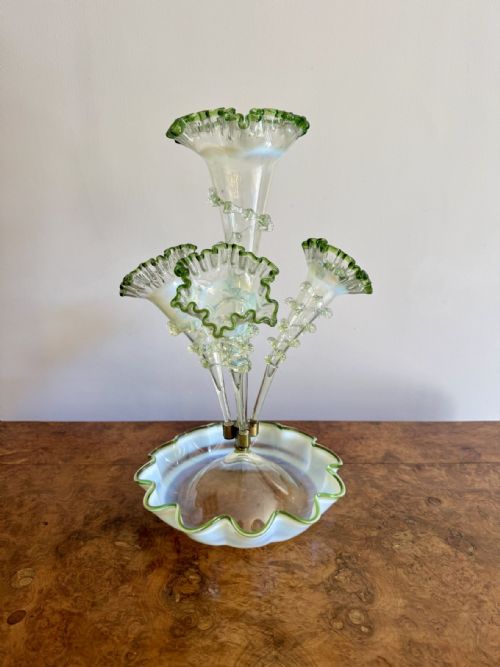
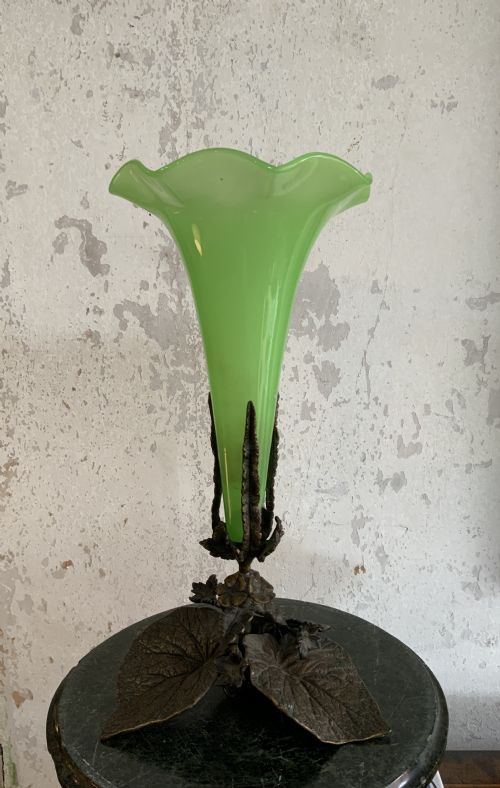
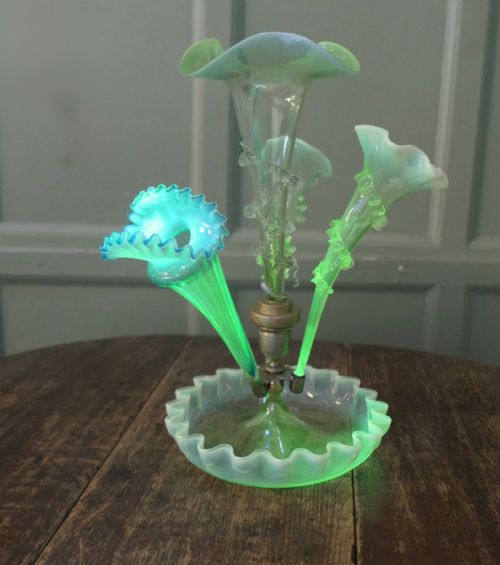
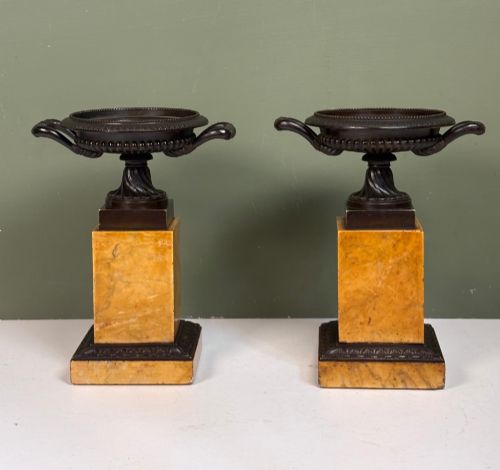
When searching for an antique centrepiece vase, buyers encounter grand multi-trumpet epergnes, heavy marble tazzas, and ceramic jardinières designed for prominent display.
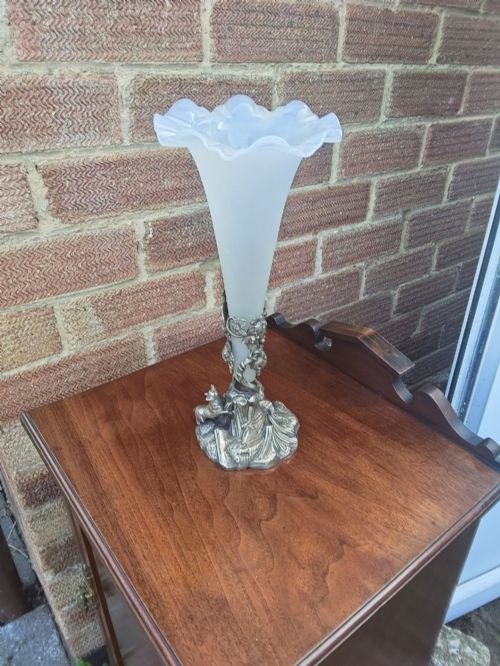
The selections span the nineteenth century through the early twentieth century, taking the form of porcelain urns, silver-plated stands with glass liners, and moulded art glass.
Origins range across English, French, Austrian, and Italian workshops, reflecting diverse regional tastes in domestic ornament and table decoration.
Materials and Technique
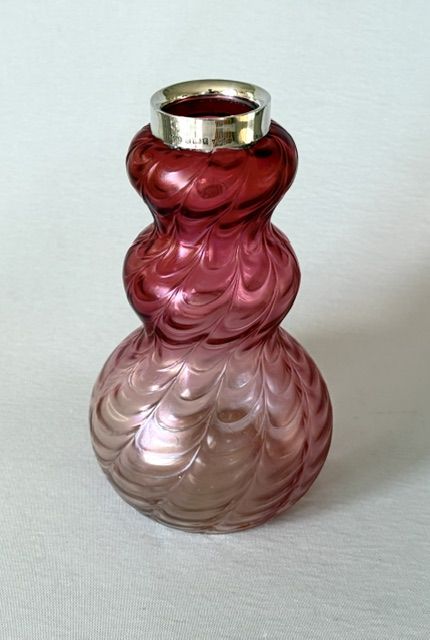
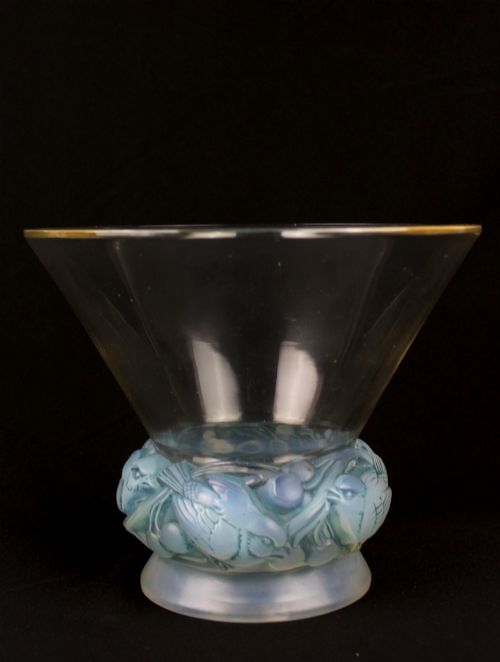
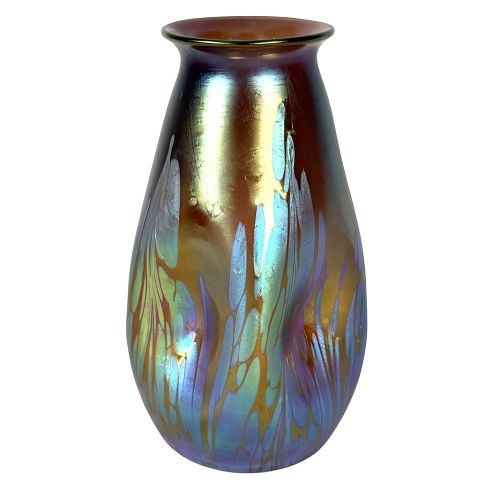
Makers utilised molten glass-blowing techniques to create uranium, cranberry, and opalescent vessels, sometimes incorporating iridescent phänomen surfaces or cut-to-clear layers.
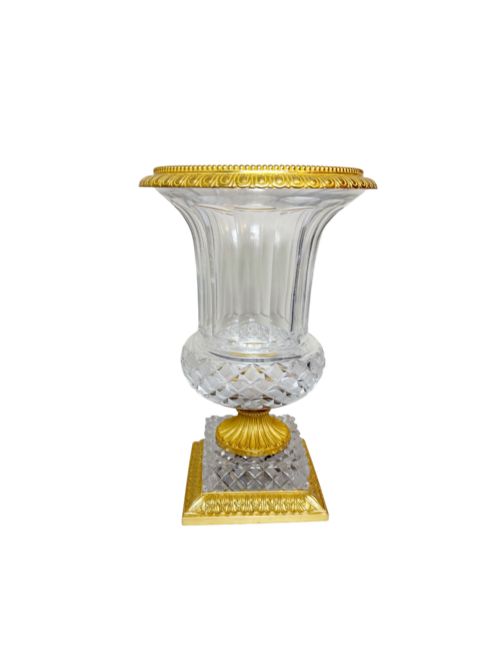
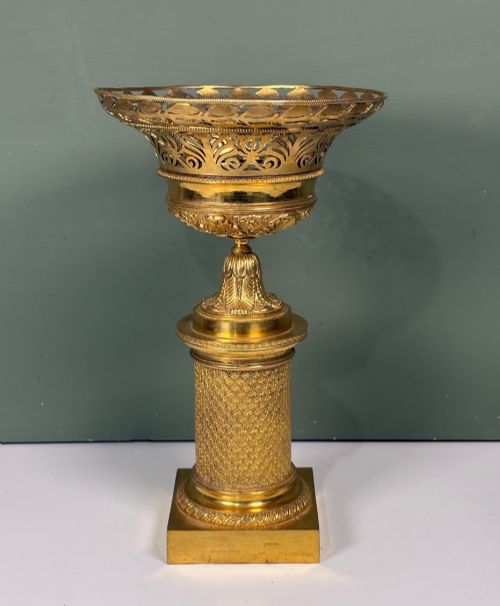
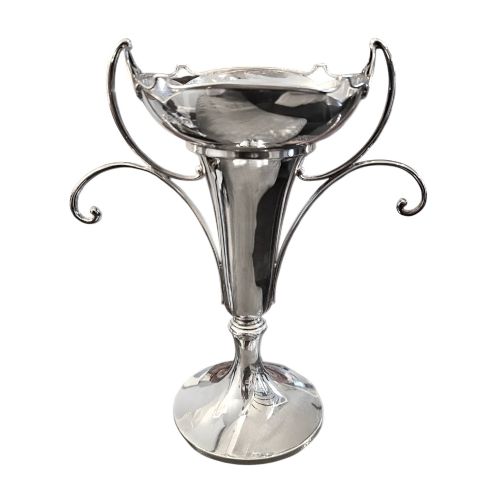
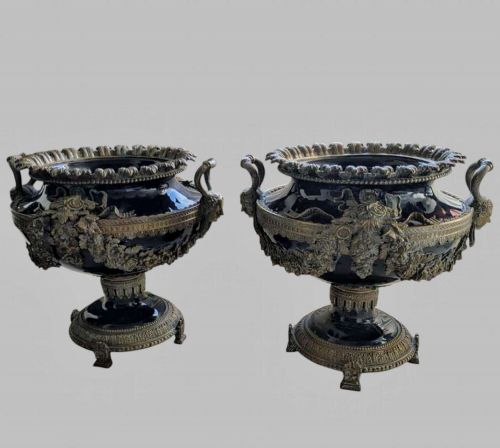
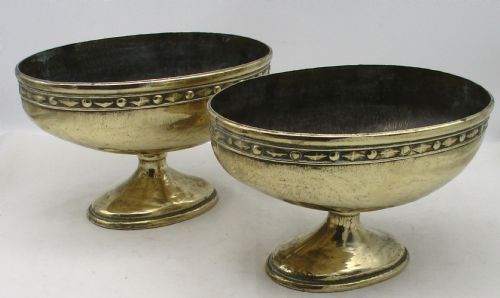
Metal components rely on silver plating, gilt bronze, or ormolu mounts paired with ceramic bodies, marble bases, or carved wooden frames.
Porcelain and earthenware pieces involve hand-painted enamel decoration, gilding, and majolica glazing fired in established European kilns.
Antique Centrepiece Vase Retail Price Guide 2026
Typical asking prices for centrepiece vase among the pieces listed under this phrase on Sellingantiques today, from the lower quarter to the upper quarter. They describe what is for sale here now, not the wider market.
Some nineteenth-century glass vessels glow an eerie neon green under ultraviolet light simply because their makers added uranium to the melting pot.
The Measure of Quality
Excellence rests in the crispness of casting for bronze and silver mounts, the depth of hand-engraving on glass, and the precision of painted ceramic detail.
Top-tier examples maintain their original matching glass liners, trumpets, or associated side vases without replacements, preserving the maker's unified vision.
The weight of the marble, the clarity of the crystal, and the subtlety of colour shifts in iridescent or opalescent glass distinguish standard production from exceptional works.
Edward Souter Barnsley·Benedetto Boschetti·Rene Lalique·Loetz Witwe·Royal Worcester·Ulisse Cantagalli·Walker & Hall·Josiah Williams & Co
The Antique Centrepiece Vase Glossary
- Epergne
- A large table centrepiece featuring a central bowl with multiple detachable trumpets or hanging baskets for fruit, flowers, or sweetmeats.
- Tazza
- A shallow ornamental bowl or vase raised on a high foot and stem, frequently rendered in marble or bronze.
- Ormolu
- Gilt bronze mounted onto decorative objects, created by applying a mercury and gold amalgam to shaped bronze.
- Jardinière
- An ornamental ceramic or metal stand designed to hold growing plants or cut floral arrangements.
- Cranberry glass
- Transparent red glass coloured with colloidal gold during the melting process, popular during the nineteenth century.
Antique Centrepiece Vase: Frequently Asked Questions
How were epergnes used on dining tables?
Dining tables held epergnes as dominant centrepieces, where the central bowl and branching trumpets held fresh fruit, flowers, or confectionery during formal meals.
The tiered structure allowed guests to converse underneath the arrangement while adding vertical interest to the tablescape.
What is the difference between an epergne and a tazza?
An epergne typically incorporates multiple detachable glass trumpets or baskets radiating from a central vessel, creating a complex, multi-tiered display.
A tazza is simpler in silhouette, consisting of a single shallow bowl supported by a central stem and foot.
How do I care for antique glass centrepieces?
Glass and silver-plated vessels require gentle cleaning with lukewarm water and mild soap, avoiding harsh abrasives that damage delicate gilt or enamel decoration.
Detachable liners and trumpets should be washed separately to prevent stress on fragile junctions and mounts.
How can I distinguish Victorian pieces from Edwardian ones?
Victorian centrepieces tend towards heavy ornamentation, vibrant cranberry or vaseline glass, and elaborate silver plating with deep etching.
Edwardian and later pieces frequently show lighter silver forms, cleaner lines influenced by Art Nouveau, or softer opalescent tones.