

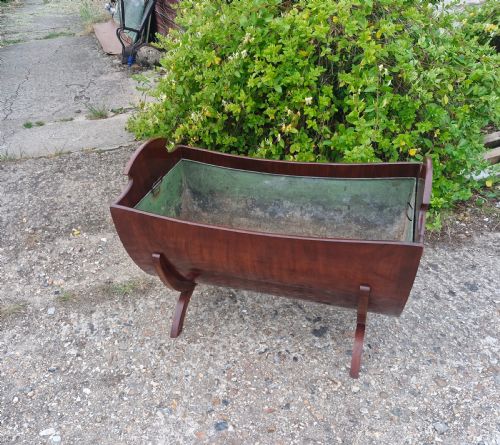
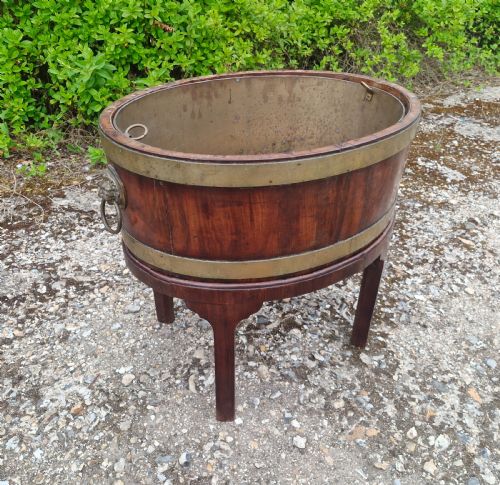
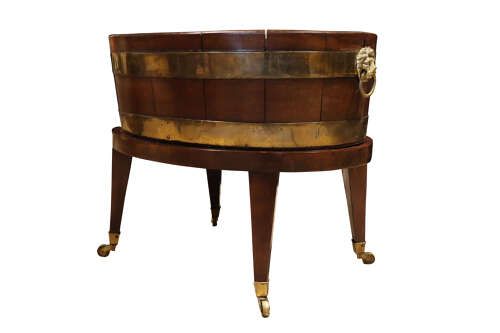


Antique Cellarette Planter
An antique cellarette planter bridges formal dining and interior greenery, offering a robust timber vessel designed to hold wine or plants.
Antique Cellarette Planter
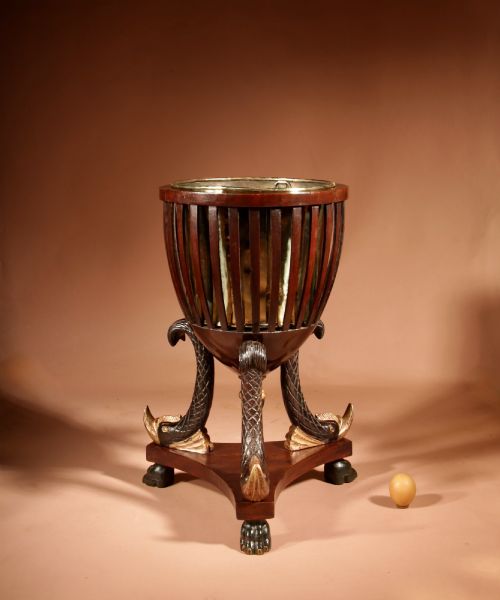
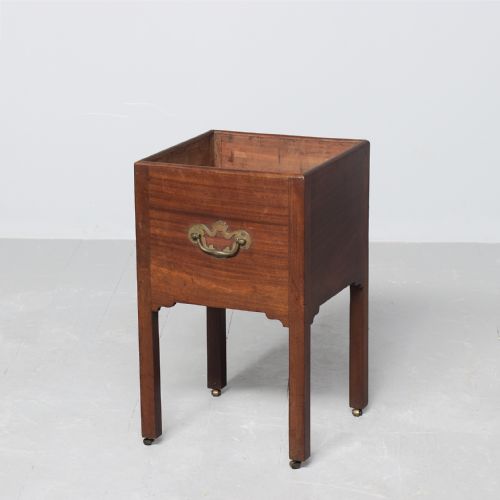
When searching for an antique cellarette planter, you encounter robust timber vessels historically used for chilling wine at the table or housing interior plants. Many pieces originate from the Georgian and Regency periods, spanning the eighteenth and nineteenth centuries.
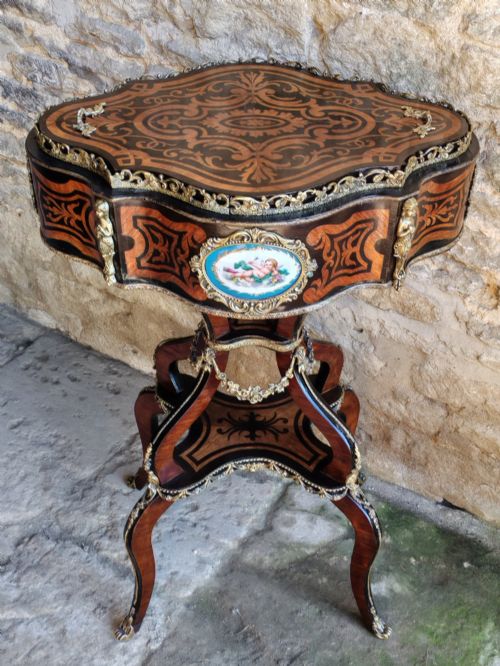
Makers often shaped these objects in oval or round forms, utilising coopered staves or fine marquetry inlay in walnut, rosewood, and satinwood. Styles range from restrained George III designs to ornate French Empire and Louis XVI revival pieces.
Materials and construction methods
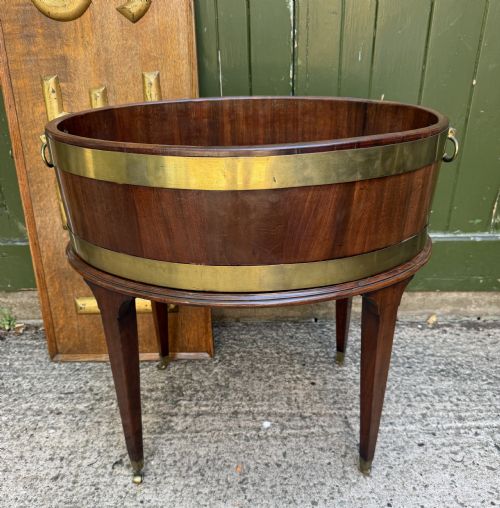
Cabinetmakers constructed these vessels using dense hardwoods such as mahogany, walnut, rosewood, and padouk, often employing coopered staves similar to barrel-making to ensure liquid retention. This traditional technique involved shaping individual staves to form a watertight oval or round body.
Metalwork played a structural and decorative role, with heavy brass bands securing the timber bodies and supporting swing handles or feet. Ormolu mounts and fine marquetry inlay in satinwood or fruitwood added ornamental detail to French and English examples.
Listings feature eighteenth and nineteenth-century periods, ranging from George III and Regency designs to later Edwardian and revival styles.
Distinctions in craftsmanship
Quality separates pieces through the selection of timber figures, such as dense grain in mahogany or intricate burr walnut marquetry. Superior examples exhibit precise dovetailing, finely fitted brass bands, and well-proportioned stands rather than plain or later replacements.
The integration of original metal liners, such as zinc or metal inserts, elevates an example, as does the crispness of brass mounts and castors. Master craftsmen ensured that coopered joints remained tight and decorative inlays matched seamlessly across curved surfaces.
The Antique Cellarette Planter Glossary
- Cellarette
- A lockable container used originally for storing bottles of wine near the dining table. They frequently double as planters in modern interiors.
- Jardiniere
- An ornamental pot or stand designed to hold plants and flowers indoors. They appear frequently in nineteenth-century walnut and mahogany forms.
- Coopered
- Constructed using vertical wooden staves bound by metal hoops, mirroring barrel-making techniques. This method ensured vessels held ice and water safely.
- Marquetry
- Decorative veneer patterns inlaid into the wooden surface using contrasting woods like satinwood and rosewood. This technique defines more ornate continental pieces.
- Ormolu
- Gilded bronze ornamentation applied to furniture and wine coolers during the eighteenth and nineteenth centuries. It provides bright metallic contrast to dark woods.
Antique Cellarette Planter: Frequently Asked Questions
What is an antique cellarette planter?
An antique cellarette planter is a traditional wooden vessel originally built to chill wine bottles or hold ice during formal dining. Over time, many of these durable containers have found a second life as floor-standing plant holders.
These pieces typically feature solid timber construction, often reinforced with brass bands and fitted with waterproof linings. They range from simple mahogany tubs on stands to highly decorative marquetry-inlaid creations.
How were these wooden vessels used originally?
In eighteenth and nineteenth-century dining rooms, these vessels sat near the table filled with ice and water to keep wine and champagne cool. Servants accessed the bottles during long meals without needing to fetch them from the cellar.
Because they were built to contain moisture, their robust construction made them easily adaptable for holding large potted plants and palms in country house drawing rooms.
How do I tell a wine cooler from a jardiniere?
Wine coolers and jardinieres share very similar forms, often leading makers to use the terms interchangeably in historical records. Wine coolers generally feature heavier timber staves, brass banding, and occasionally integrated metal liners designed for ice.
Jardinieres tend to focus on decorative marquetry or lighter stands intended purely for horticulture. Many surviving examples served both functions across different eras of their existence.
How do I incorporate an antique planter into my home?
These pieces work well as standalone focal points in a living room, hallway, or study, housing large potted ferns, small trees, or dried botanicals. Their raised stands lift foliage off the floor, drawing the eye upward and adding traditional presence to a room.
Protect the interior timber by placing a modern plastic nursery pot and saucer inside the vessel rather than planting directly into the antique wood. This preserves the historical lining while letting you enjoy live greenery safely.