


Antique Cast Iron Sculpture
These antique cast iron sculpture pieces bring sturdy presence to gardens and interiors, offering enduring metalwork shaped in traditional animalier and classical forms.
Antique Cast Iron Sculpture
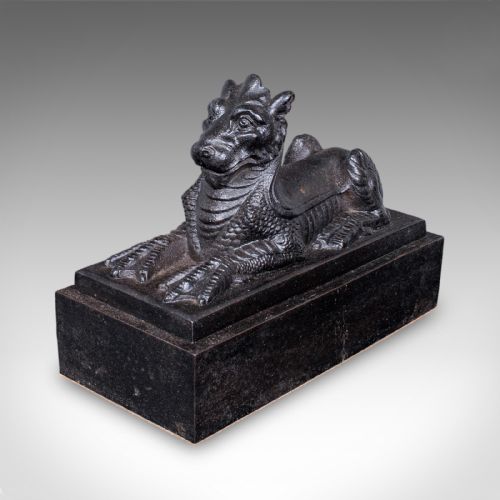
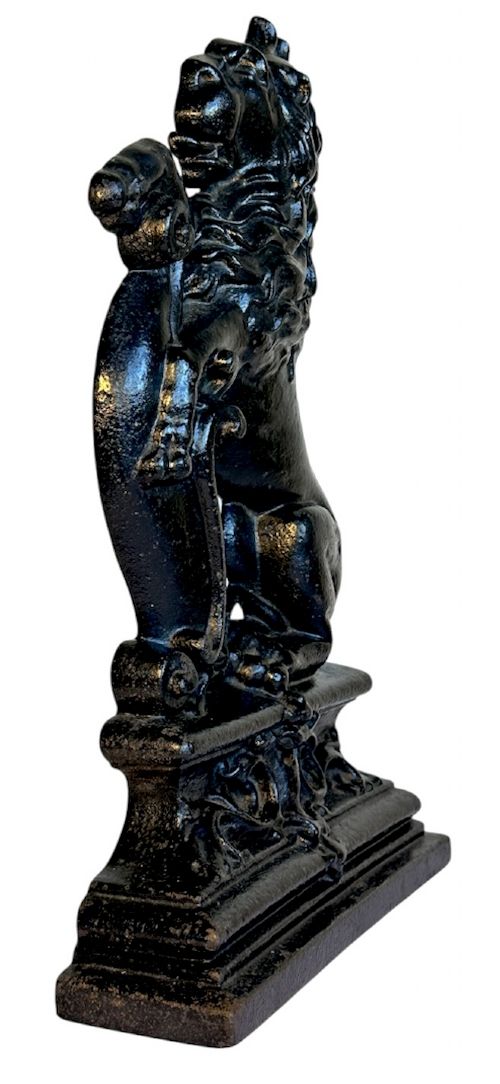
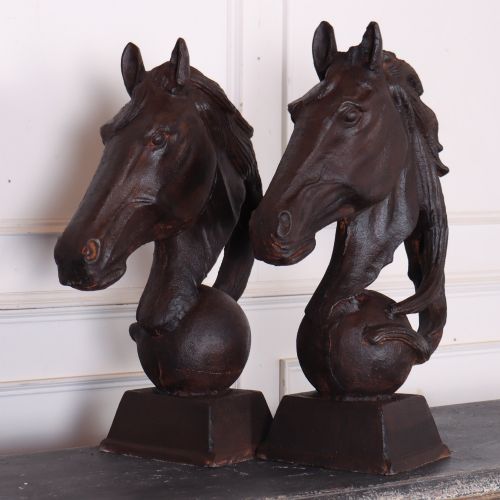
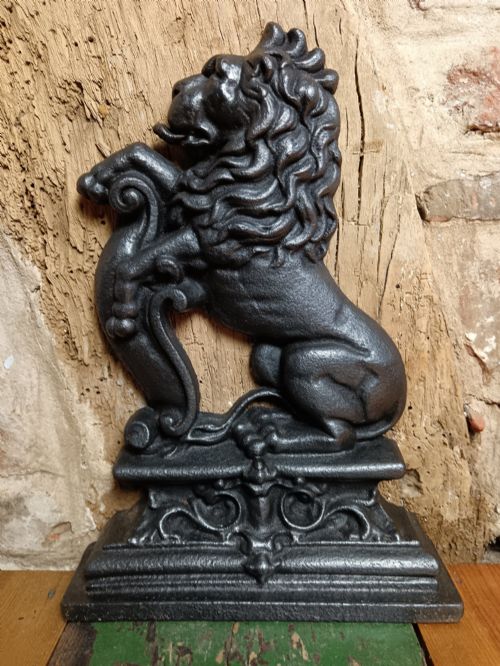
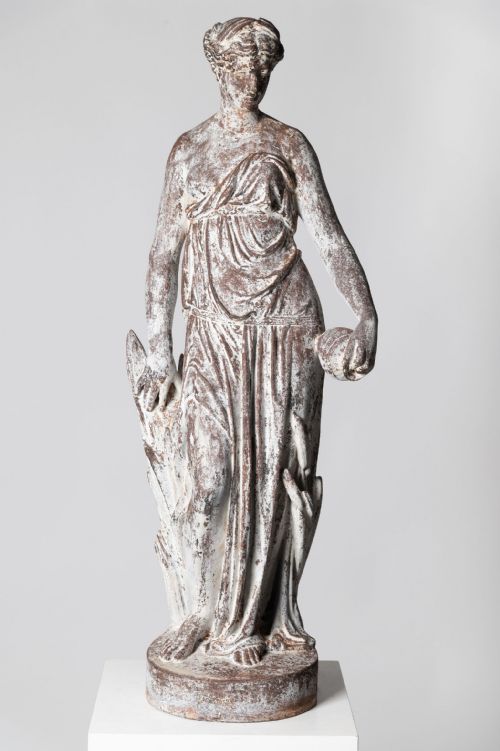
When you search for antique cast iron sculpture, you encounter heavy utilitarian items and decorative figures spanning domestic and garden settings. The selection includes functional doorstops, garden statuary, hitching posts, and desk ornaments alongside portrait busts and grave markers.
Victorian pieces dominate the selection, appearing alongside Edwardian and early twentieth-century examples. Animal forms such as lions, dogs, horses, and birds recur frequently across these periods, shaped by Neoclassical, Gothic Revival, and French Animalier styles.
How these pieces were made
Foundries produced these objects by pouring molten iron into sand moulds, capturing fine detail for figures ranging from domestic paperweights to large garden statuary. Makers often finished the cast metal with applied paint, bronze patination, or left the iron to weather naturally over time.
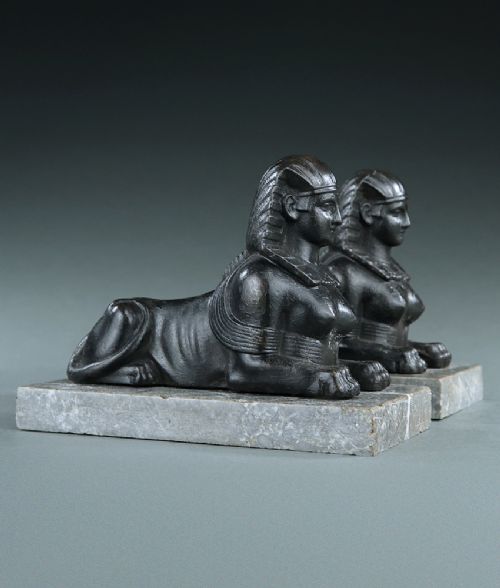
Combinations of materials appear in the construction, pairing the heavy metal with brass fittings, carved stone, hardwood stands, and black marble plinths to elevate portrait busts and decorative sculptures.
Listings include nineteenth-century doorstops, garden statuary, and desk ornaments cast in iron, alongside items paired with bronze finishes and stone plinths.
What varies in quality
Proportion and stance dictate the visual success of figurative pieces, separating spirited animalier studies from static or clumsy forms. Heavier, substantial castings generally represent more ambitious foundry output compared to simplified utilitarian wares.
Leonhard Posch·Val d’Osne foundry
The Antique Cast Iron Sculpture Glossary
- Animalier
- A style focusing on the realistic depiction of animals, particularly prevalent in nineteenth-century French and English metalwork. Sculptures in this manner capture creatures in active or resting poses.
- Cast iron
- An iron-carbon alloy poured into moulds to create rigid forms. It provides the heavy, durable base for structural statuary and smaller desk ornaments.
- Patina
- The surface coloration and texture developed through age, weathering, or intentional chemical finishes. Bronze-finish patina is frequently applied to imitate costlier metalwork.
- Neoclassical
- An artistic style drawing inspiration from the classical art and culture of ancient Greece and Rome. This aesthetic influences the proportion and dignity of portrait busts and architectural figures.
Antique Cast Iron Sculpture: Frequently Asked Questions
Where should I place a heavy cast iron sculpture?
These robust pieces suit outdoor garden settings, porches, or heavy interior spaces like hallways and studies where the weight provides stability.
Larger figures and hitching posts anchor garden paths, while smaller doorstops and busts function well on floor stands or sturdy tables.
How do I maintain an iron sculpture?
Keep painted or patinated surfaces dry and clean them gently with a soft brush to remove dust without stripping the finish.
Items kept outdoors require monitoring for surface oxidation, and applying protective wax helps preserve unpainted iron exposed to moisture.
Are these sculptures solid iron?
Most pieces are cast solid or with thick walls to achieve the substantial weight characteristic of nineteenth-century foundry production.
Some larger statues and architectural elements combine the heavy iron with stone bases, wooden stands, or brass components.
How do I distinguish Victorian pieces?
Victorian examples often display Gothic Revival, French Animalier, or classical influences, featuring deep relief and dark painted or patinated finishes.
Common Victorian forms include heraldic doorstops, domestic animals, and portrait busts reflecting the era's decorative interests.