


Antique Cased Taxidermy
Antique cased taxidermy brings preserved specimens inside protective glass fronts and wooden frames, offering a preserved glimpse into natural history.
Antique Cased Taxidermy
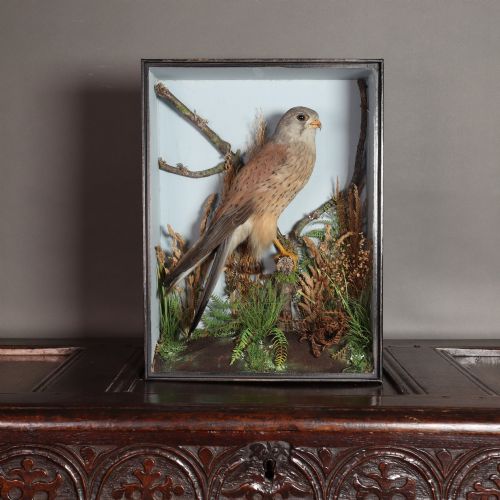
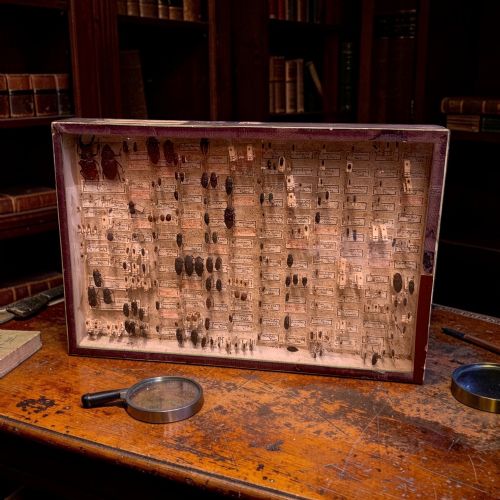
When considering antique cased taxidermy, buyers look at preserved animal specimens housed within protective glass enclosures, wooden frames, or domes. These pieces originate predominantly from the Victorian and Edwardian periods, stretching from the late nineteenth century into the early twentieth century.
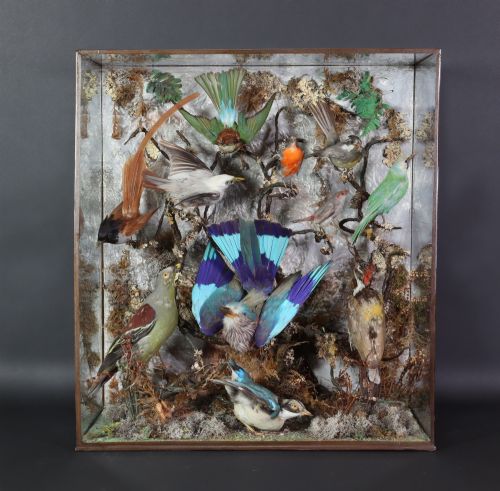
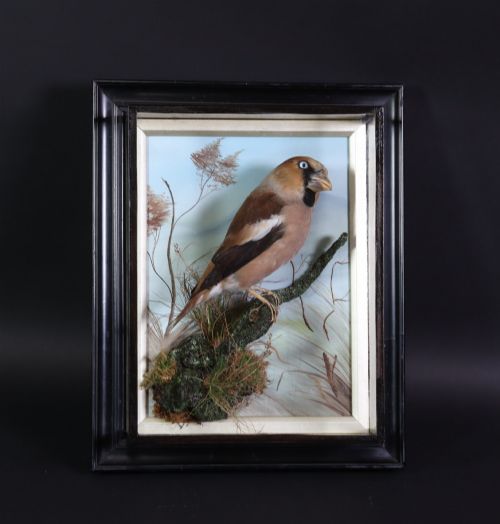
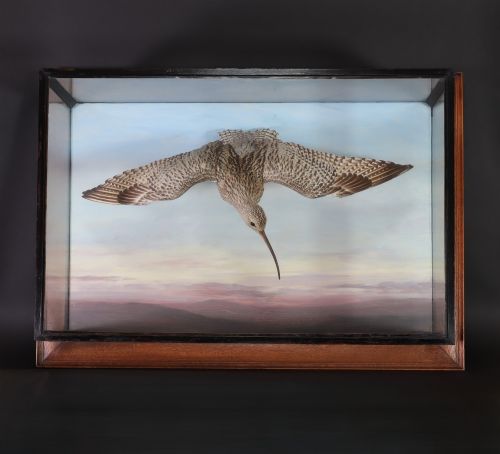
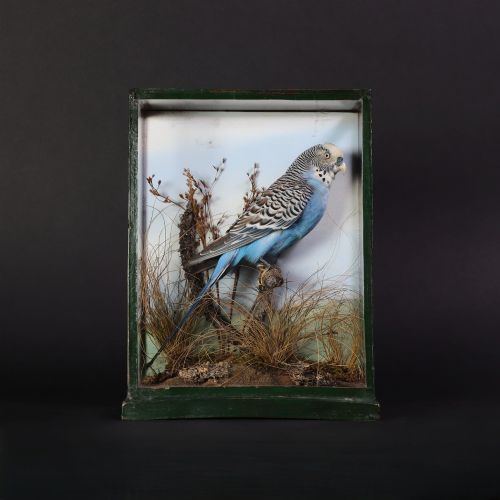
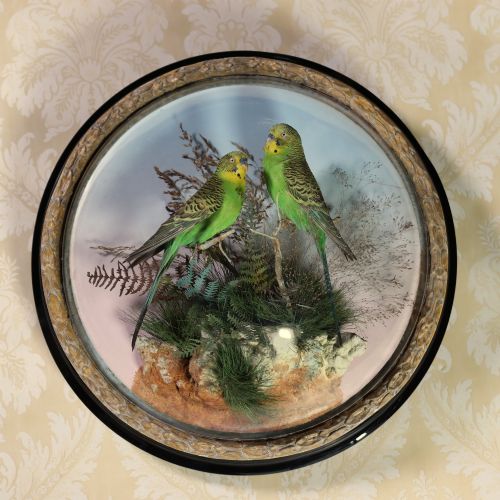
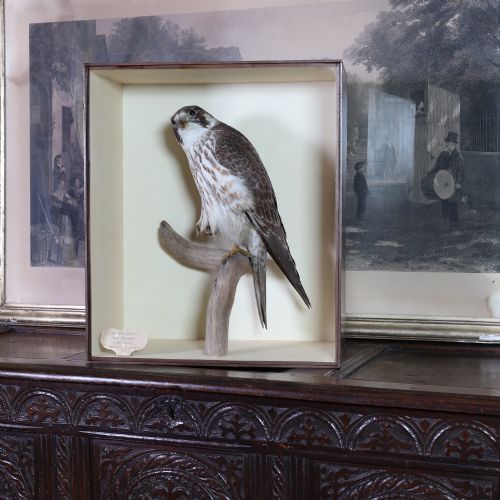
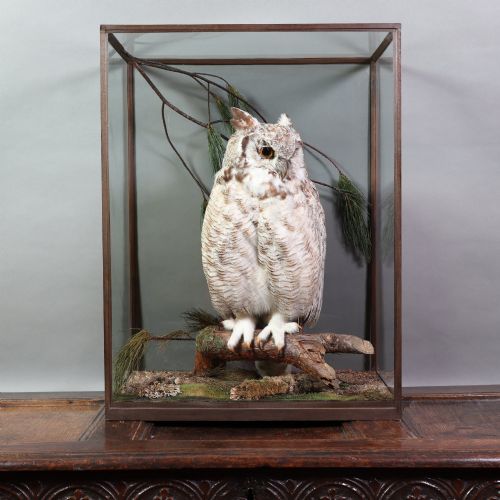
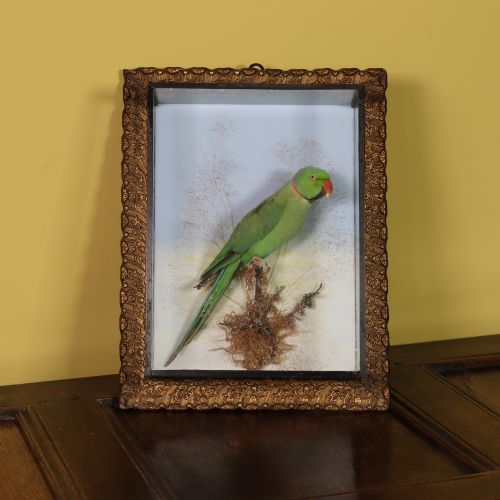
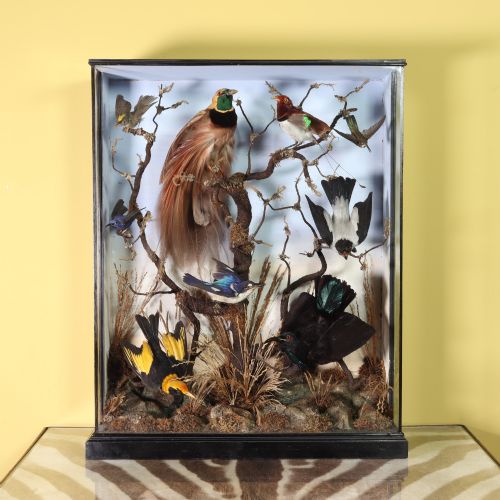
The selections on this page encompass a wide variety of forms, including wall display cabinets, picture frame cases, flat-sided domes, and freestanding glass showcases. Common subjects range from British birds such as kingfishers, owls, and pheasants to fish species like roach and carp, alongside exotic birds and mammals.
Makers and taxidermists of the era arranged these specimens within naturalistic settings utilising moss, paper, and fabric elements to mimic natural habitats. The resulting items serve as decorative curiosities that reflect nineteenth-century natural history collecting habits.
How They Were Made
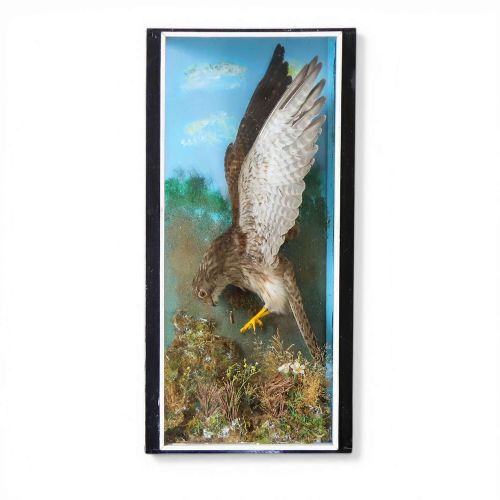
Taxidermists constructed these displays using preserved specimens mounted inside custom-built wooden or ebonised wood cases fitted with glass fronts. Interiors frequently incorporated painted backdrops, moss, paper foliage, and fabric to recreate outdoor environments.
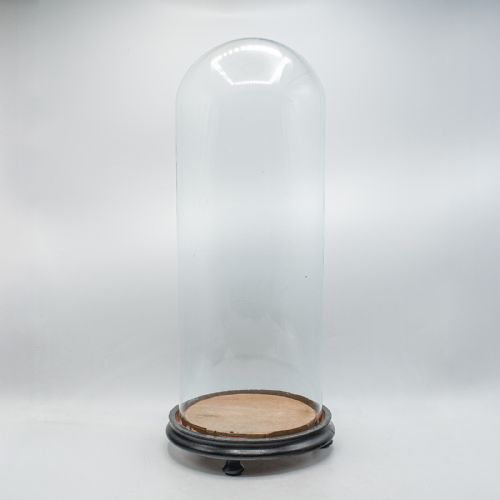
For curved viewing, makers utilised glass domes and cloches seated upon wooden bases to cover and protect the fragile specimens from dust and handling.
Antique Cased Taxidermy Retail Price Guide 2026
Typical asking prices for cased taxidermy among the pieces listed under this phrase on Sellingantiques today, from the lower quarter to the upper quarter. They describe what is for sale here now, not the wider market.
Among the feathered residents, a pair of waxwings brave a permanent snow scene.
What Varies In Quality
Quality in these specimens rests upon the taxidermist's ability to render a realistic, lifelike posture and expression in the subject animal. The complexity of the composition, such as a multi-bird diorama versus a single specimen, also alters the character of the piece.
The construction of the surrounding case matters significantly, with fine hardwoods, painted dioramas, and intact original glass distinguishing superior examples from simpler setups.
Little and Co·J Griffiths of Burford·Rowland Ward Ltd·TE Gunn·William Bazeley and Sons·S King·Hutchings of Aberystwyth·James Jones of London·J Cooper and Sons·James Gardner
The Antique Cased Taxidermy Glossary
- Dome
- A bell-shaped glass cover used to protect and display delicate taxidermy specimens. They usually sit upon a circular wooden base.
- Diorama
- A three-dimensional scene featuring taxidermy specimens arranged within a painted or naturalistic setting inside a case. These often depict birds or mammals in simulated habitats.
- Ebonised
- Wood treated with a dark stain or finish to imitate ebony. This dark framing material is frequently found on Victorian cases.
- Cloche
- A bell-shaped glass cover similar to a dome, utilised to shield fragile displays. The term derives from the French word for bell.
Antique Cased Taxidermy: Frequently Asked Questions
Where should I place cased taxidermy?
These pieces require placement away from direct sunlight and damp environments to protect the feathers, fur, and paper backgrounds from fading or deterioration. Stable indoor temperatures help preserve the organic materials within the wooden frames.
Wall display cabinets and flat-sided cases suit study rooms, hallways, or living spaces where they can be viewed safely without heavy foot traffic brushing against the glass.
How do I identify Victorian pieces?
Victorian examples often feature dark ebonised wood frames, handwritten specimen labels, and dense naturalistic settings composed of moss, painted paper, and grasses. The taxidermy styles from this era frequently reflect a Victorian interest in natural history cataloguing.
Later Edwardian and early twentieth-century pieces sometimes introduce lighter woods like oak and simplified interior compositions alongside different framing techniques.
Are fish mounts common?
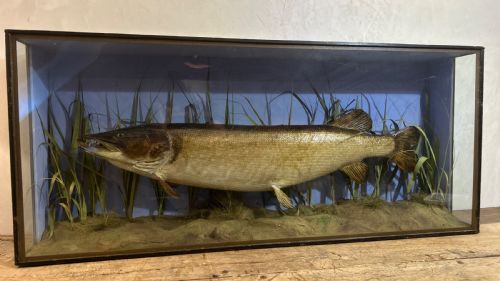
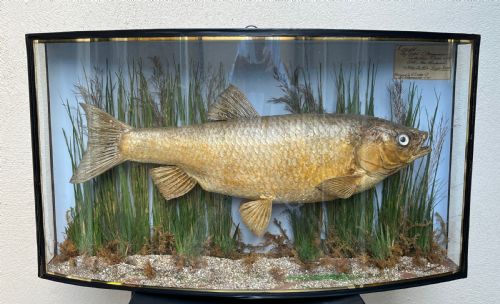
Fish mounts appear regularly among these listings, often preserved by specialised taxidermists who curved the specimens to suggest movement in water. These aquatic subjects frequently feature painted plaster or paper backgrounds designed to mimic riverbeds.
Such specimens typically reside inside customized glass-fronted wooden cases that protect the delicate scales and painted finishes from environmental damage.