

Antique Cased Cutlery
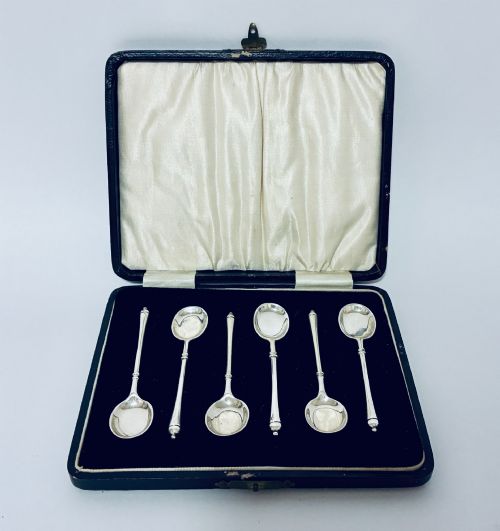
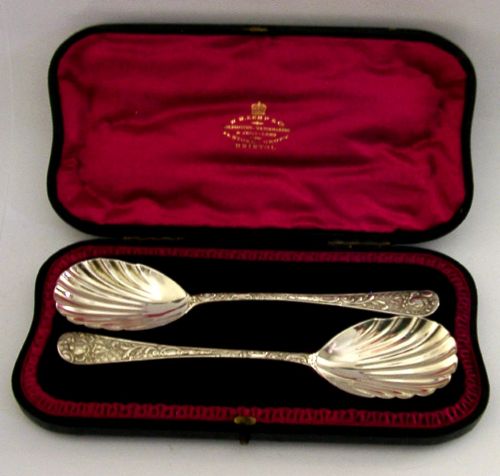
These antique cased cutlery sets bring together fitted storage and fitted silver or silver plate for formal dining and serving.
Antique Cased Cutlery
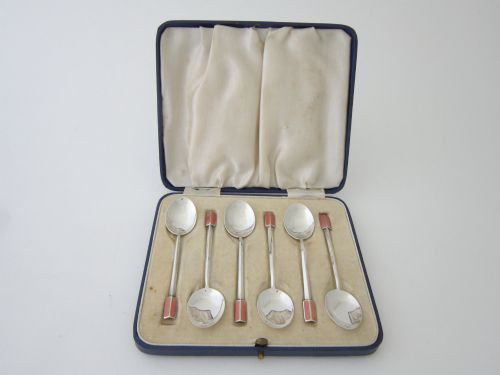
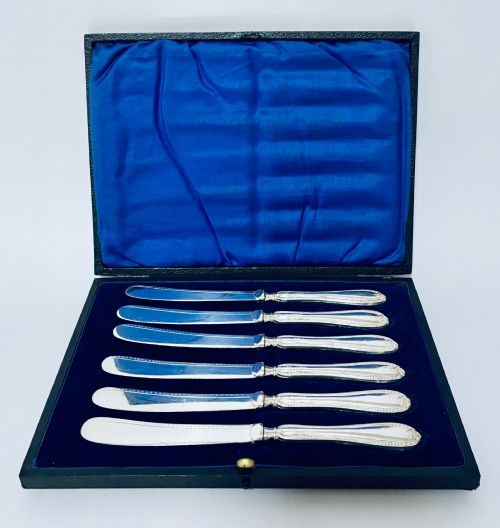
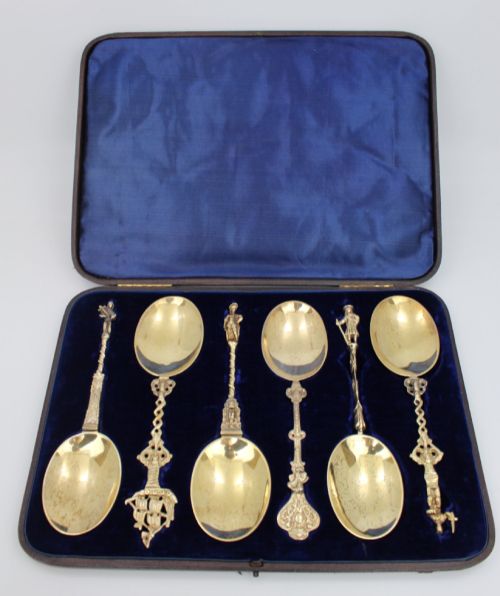
When buyers search for antique cased cutlery, they encounter fitted presentation boxes housing silverware intended for specific domestic tasks. The selections on this page span from Georgian serving pieces to twentieth-century flatware and specialised tools.
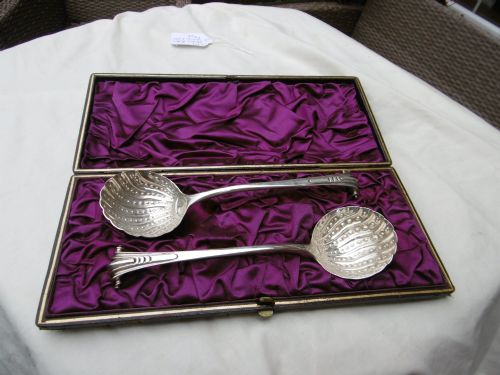
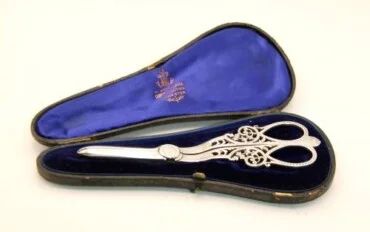
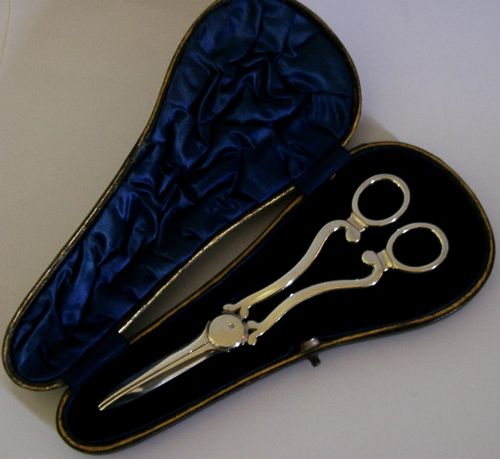
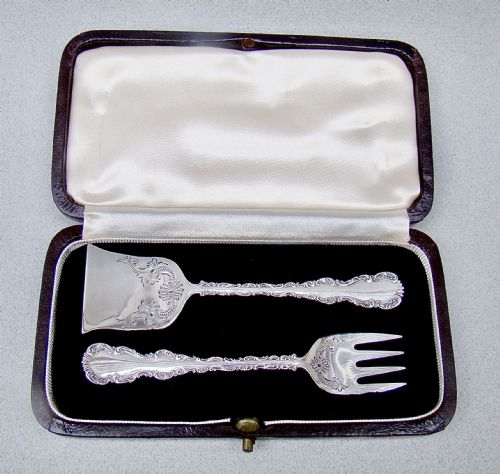
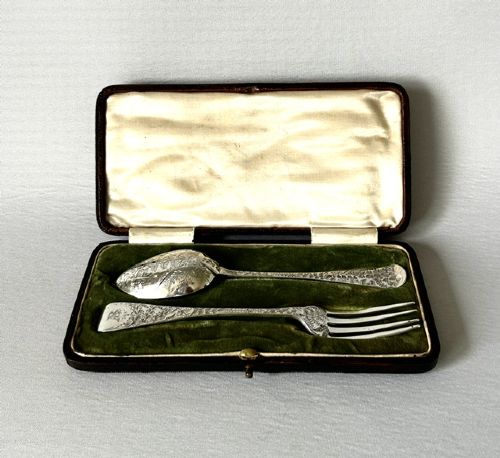
Victorian and Edwardian examples dominate the offerings, often taking the form of christening sets, fish servers, fruit knives, or grape shears housed in tailored containers. These sets were designed for gifting or for preserving delicate materials between formal meals.
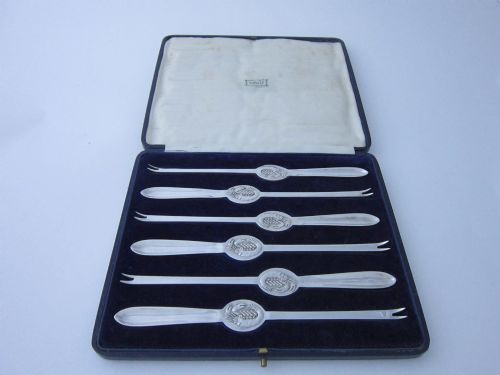
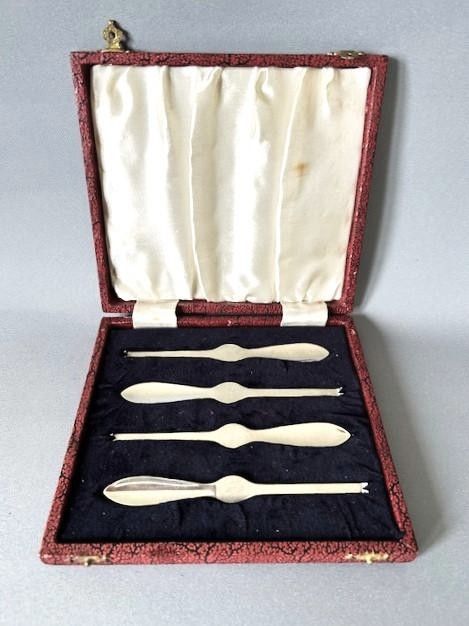
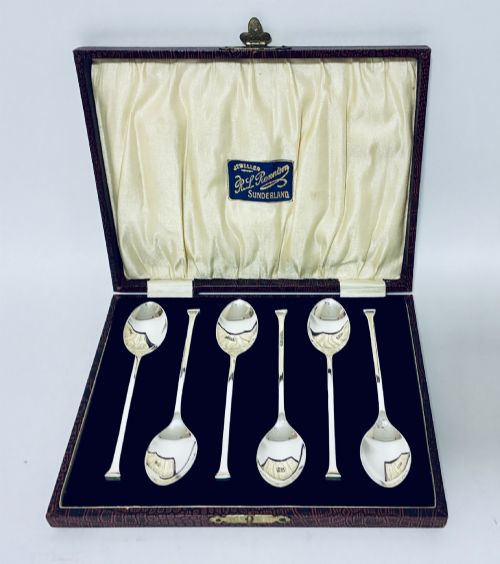
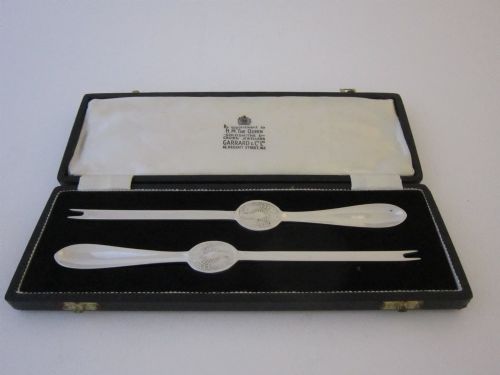
Alongside complete canteens, the listings include smaller companion sets such as afternoon tea cutlery, lobster picks, and berry spoons. Each grouping reflects the dining customs of its specific period, from nineteenth-century dessert rituals to mid-century gatherings.
Materials and construction
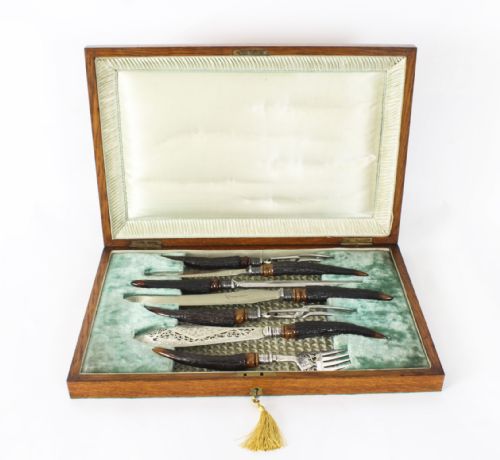
Silversmiths utilised sterling silver and silver plate for the implements, shaping blades, prongs, and bowls through casting, hammering, and engraving. Handles frequently incorporate mother-of-pearl, porcelain, or antler horn, secured to metal shafts with pins.
The protective cases rely on rigid wooden carcasses covered in leatherette, with interiors lined in velvet, silk, or satin to cushion each piece. Fitted slots and elastic straps secure the cutlery inside hinged boxes fitted with metal clasps.
Antique Cased Cutlery Retail Price Guide 2026
Typical asking prices for cased cutlery among the pieces listed under this phrase on Sellingantiques today, from the lower quarter to the upper quarter. They describe what is for sale here now, not the wider market.
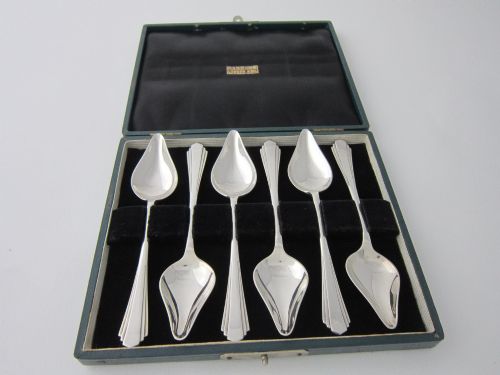
Form types range from complete flatware canteens and fish servers to specialised implements like lobster picks, grapefruit spoons, and grape shears.
Distinctions in quality
The division between standard and superior pieces rests on the weight of the silver, the precision of the handle attachment, and the integrity of the fitted case. Solid sterling silver sets with fully formed hallmarks command greater attention than plated alternatives, though exceptional silver-plated canteens with extensive service counts maintain their own standing.
Box construction further separates the tiers, with robust wooden carcasses, unblemished silk or velvet linings, and original working clasps indicating higher production standards. Implements featuring hand-engraved blades, cast figural handles, or integrated mother-of-pearl show greater artisanal investment than plain factory-stamped equivalents.
Henry Wilkinson·Garrard·Christofle·Suckling Ltd·Carrington·John Locker·Souche-Lapparra
The Antique Cased Cutlery Glossary
- Canteen
- A fitted chest or box designed to hold a complete set of matching flatware and cutlery. These large containers often feature multiple pull-out trays.
- Hallmark
- An official stamp applied to precious metals indicating the standard of purity, the assay office, and the year of manufacture. British silver carries a sequence of specific punch marks.
- Mother-of-pearl
- The iridescent inner layer of mollusc shells used traditionally for knife handles. It provides a smooth, durable grip that resists staining from fruit acids.
- Gilt
- A thin layer of gold applied to the surface of silver, often referred to as silver gilt or vermeil. This treatment protects the underlying metal and adds a rich yellow tone to spoon bowls or interior surfaces.
- Carving set
- A matched pairing of a large knife and a carving fork used for jointing meat at the table. Handles on these larger implements often utilise stag antler or bone.
Antique Cased Cutlery: Frequently Asked Questions
What periods do these cased sets come from?
The pieces span from the Georgian era through the Victorian and Edwardian periods into the mid-twentieth century. Styles shift from ornate nineteenth-century floral engraving to cleaner Art Deco and mid-century lines.
Most items date between the late nineteenth century and the 1920s, reflecting the peak era for fitted presentation boxes and specialised dining silver.
How were these cutlery sets originally used?
Owners utilised them for specific dining courses, such as dessert, fish, fruit, or afternoon tea, rather than everyday family meals. Specialised tools like grape shears and lobster picks served discrete functions at formal dining tables.
Many sets were also purchased as presentation gifts for weddings, christenings, and anniversaries, which explains the inclusion of fitted velvet and silk presentation cases.
How should I store and care for cased cutlery?
Keep the fitted boxes in a stable environment away from direct sunlight and damp conditions to protect the internal silk and velvet linings. Regular, gentle polishing with a non-abrasive cloth maintains the finish on sterling silver and silver plate without wearing down highlights.
Store mother-of-pearl handles away from extreme temperature shifts to prevent natural separation from the metal tangs.
How do I identify the date of a set?
Examine the metal components for hallmarks, which include date letters and maker's marks that pinpoint the exact assay year and silversmith. Stylistic clues such as handle materials, box shapes, and engraving patterns also offer clear indications of the period.
Comparing the fitted interior layout against known catalogues helps date sets where individual hallmarks are small or rubbed.