


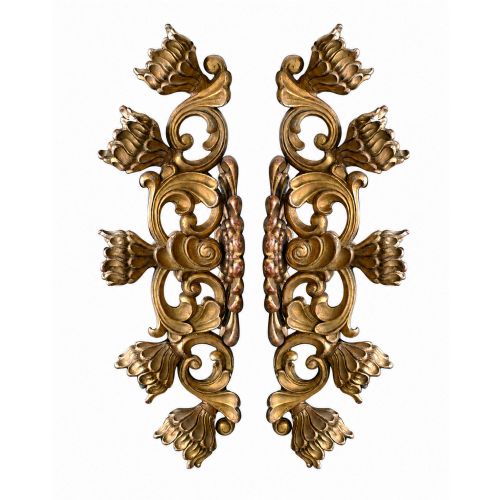
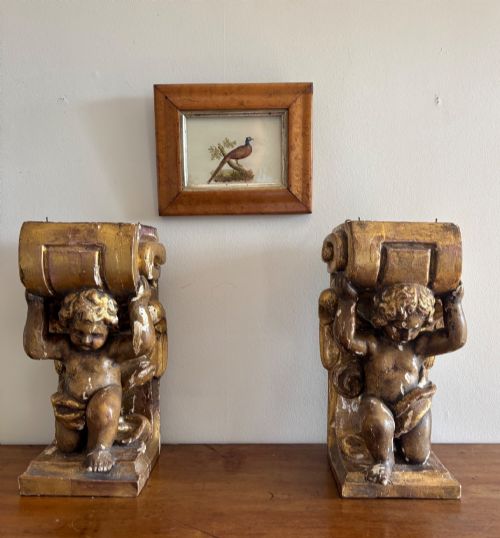
Antique Carved Wall Sconces
These antique carved wall sconces bring layered illumination and architectural depth to a room through centuries of ornate craftsmanship.
Antique Carved Wall Sconces
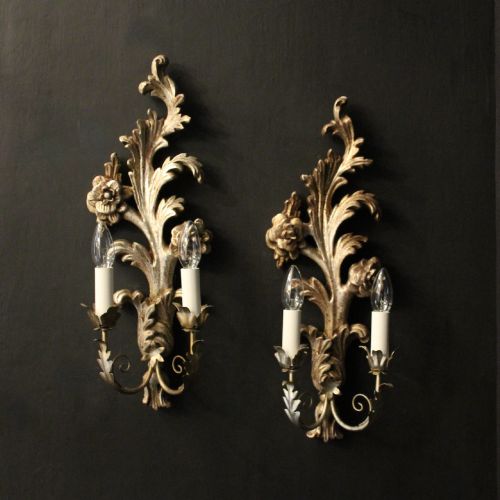
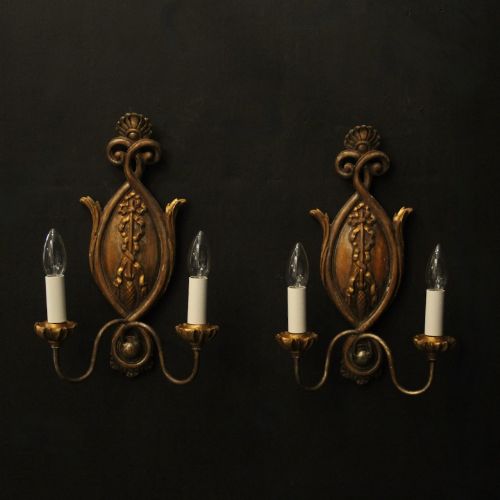
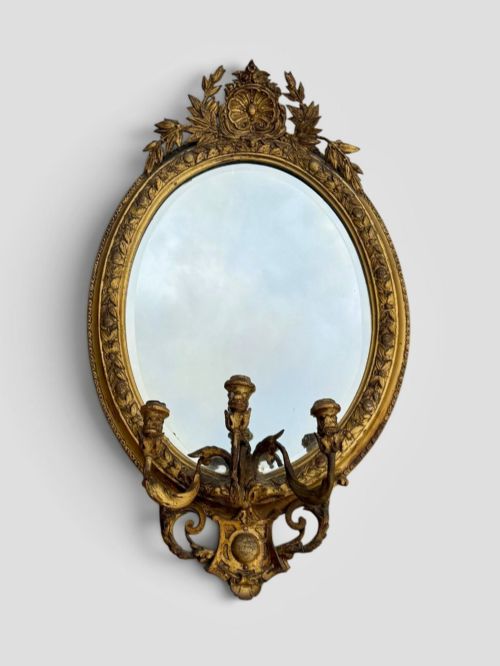
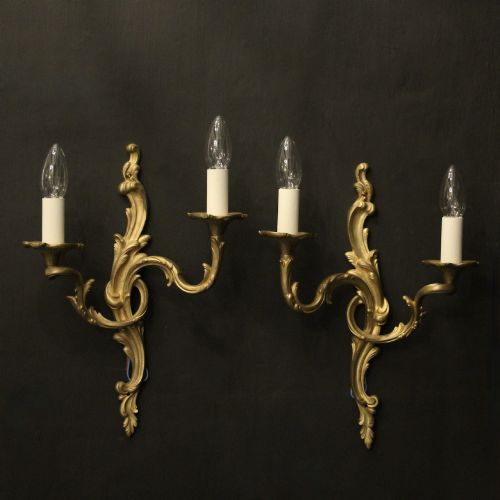
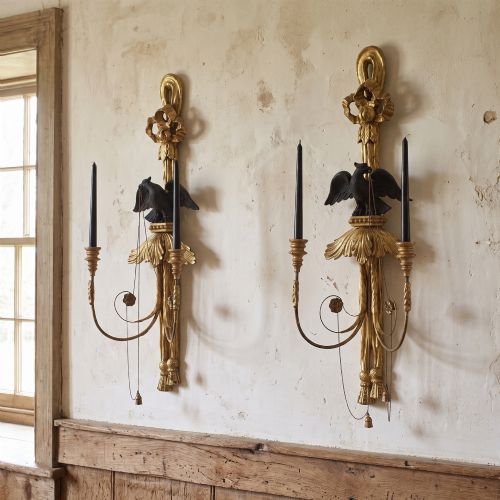
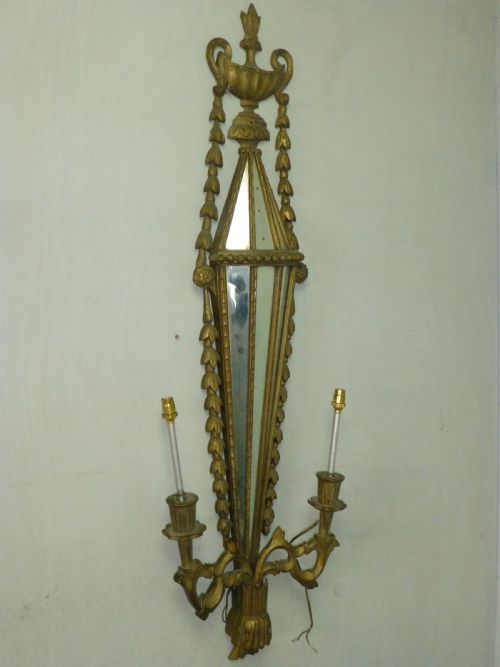
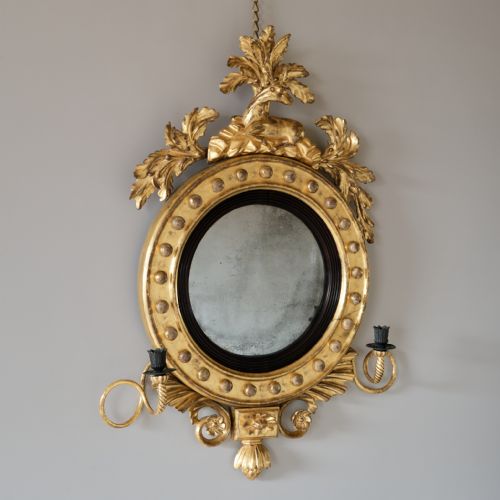
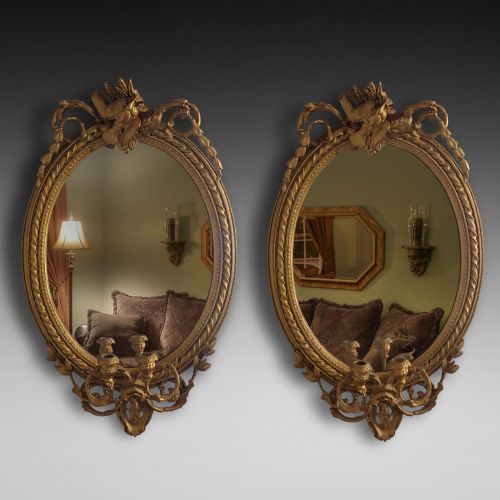
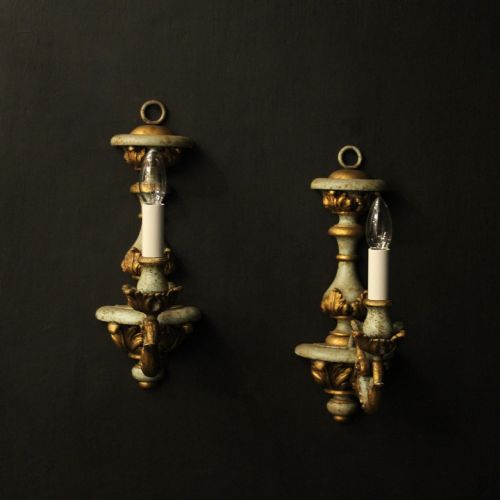
When you search for antique carved wall sconces, you encounter a diverse selection of wall lighting, brackets, and girandoles designed to mount directly onto vertical surfaces. The items on this page span several centuries, with prominent examples originating from the 18th century through to the 1930s.
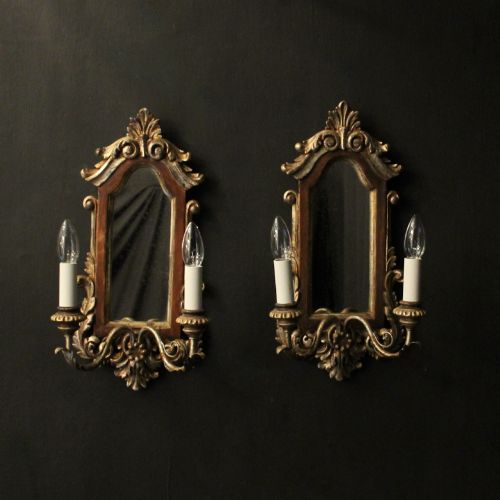
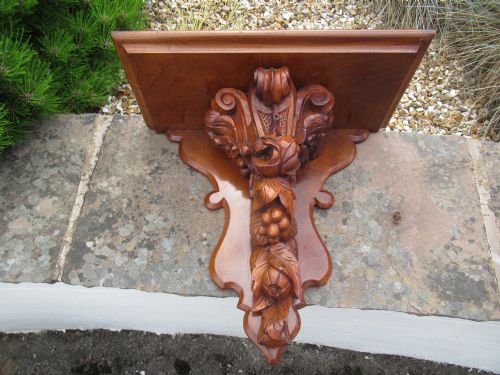
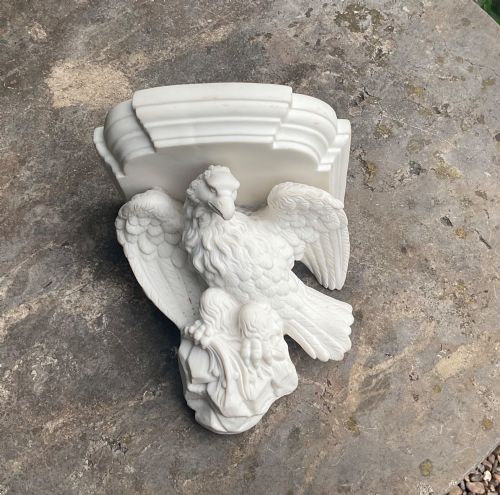
You are most likely to meet Italian Florentine giltwood twin-arm wall lights and French gilded pieces from the early decades of the 20th century. Forms range from simple wooden display brackets and single-arm lights to elaborate mirror-backed girandoles adorned with cherubs, putti, and eagles.
The aesthetic vocabulary draws heavily from French Rococo, Regency, Baroque Revival, and Neoclassical styles. Whether rendered as carved wood, gilt gesso, or polychrome finishes, each piece serves the dual purpose of functional illumination and sculptural wall decoration.
How they were made
Carved wood forms the structural core for many of these fixtures, often shaped by hand from solid timber before receiving decorative embellishments. Artisans applied layers of gesso to the carved wooden surfaces to build up crisp relief details and smooth grounds.
Giltwood and gold leaf techniques dominate the finishing process, where thin sheets of metal are meticulously laid over a prepared bole to create a reflective metallic sheen. Other surfaces utilise silver giltwood, polychrome paint, or cast bronze and ormolu components for varied visual textures.
Glass elements such as mirror plates and Murano glass sections are frequently integrated into the backplates of girandoles to amplify the candlelight. Metal candle arms, prickets, and branches are securely fastened to the wooden bodies to support multiple candles or light fittings.
Listings feature items spanning the 18th century, Victorian era, Regency period, and 1930s, constructed from giltwood, glass, gesso, and brass.
What varies in quality
The depth and crispness of the carving separate standard workshop output from exceptional examples. Finer pieces display intricate undercutting and naturalistic anatomy in figures like cherubs and eagles, whereas lesser items rely on heavy gesso layers to mask softer, blunter wood shaping.
The quality of the gilding and the preparation of the underlying gesso define the visual resonance of the surface. Superior examples exhibit subtle burnishing and harmonious ageing, while inferior applications appear flat or suffer from crude overpainting.
The Antique Carved Wall Sconces Glossary
- Girandole
- A branched wall light or sconce incorporating a mirror backplate. The reflective glass multiplies the illumination cast by the candles.
- Giltwood
- Timber that has been coated with gold leaf or metal leaf over a prepared ground. It provides a durable and luminous metallic finish.
- Gesso
- A plaster-like mixture applied to wood surfaces to create a smooth base for carving or gilding. It allows for sharp, moulded ornamental details.
- Ormolu
- Finely chased and gilt bronze used for decorative mounts and lighting fixtures. It gained widespread popularity in French decorative arts.
- Putti
- Depictions of plump, winged infant figures commonly carved into the frames of brackets and wall lights. They are frequent motifs in Rococo and Baroque designs.
Antique Carved Wall Sconces: Frequently Asked Questions
How were antique wall sconces originally used?
These fixtures were mounted on walls to hold candles, supplementing natural daylight and flickering flame illumination from chandeliers. The reflective mirror backs on girandoles helped to bounce and maximise the available light across dark rooms.
Over time, many of these historical pieces were adapted to hold electrical wiring while retaining their traditional wooden and gilded aesthetic. They functioned as both practical room lighting and permanent architectural ornaments.
How do I mount antique wall sconces safely?
Secure mounting requires identifying the weight distribution of the specific wooden or metal bracket. Heavy giltwood and mirror-backed pieces need proper wall anchors and screws fixed directly into structural studs or masonry.
Consult a professional electrician if the sconces have been wired for modern electricity. Ensure the wall structure can fully support the combined weight of the wood, glass, and metal arms.
How do I tell an 18th-century sconce from a later revival piece?
Earlier pieces from the 18th century feature hand-carved construction details, period-specific tool marks, and older gesso compositions that dry and craze distinctively with age. The patination on the wood and gold leaf develops a deep, organic softness that modern reproductions struggle to replicate.
Revival pieces from the 19th and 20th centuries often adopt historic styles like Rococo or Baroque but utilise manufacturing techniques typical of their actual production era. Examining the backboards, fixings, and timber shrinkage helps clarify the true age of the object.
How should I clean and care for giltwood sconces?
Dust the carved surfaces gently with a soft, dry brush to prevent dirt from settling into the intricate gesso relief. Avoid using liquid cleaners, polishes, or damp cloths, as moisture can easily lift or damage fragile gold leaf and historical finishes.
Keep the sconces away from direct heat sources and strong sunlight to prevent the wood from warping and the gesso from drying out and cracking.