
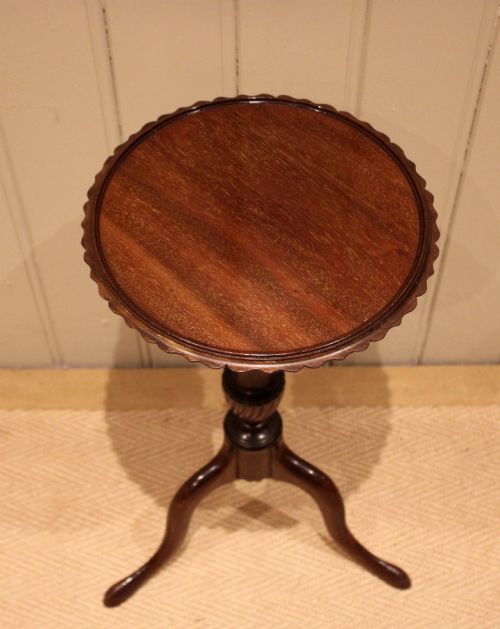


Antique Carved Timber Candle Stands
These antique carved timber candle stands bring genuine presence to a room, offering functional elevation carved from solid wood over centuries.
Antique Carved Timber Candle Stands
When you search for antique carved timber candle stands, you are looking at items designed to hold illumination or display objects across various eras. The pieces on this page span from the seventeenth century through to the early twentieth century, taking the form of torcheres, candlesticks, candle holders, and occasional tables.
You are most likely to meet wooden candle sticks and torcheres in styles ranging from folk art and Italian baroque revival to Edwardian and Victorian interpretations. These objects demonstrate how utilitarian items received decorative attention from makers working in timber.
The assortment includes paired sets as well as single items, originating from diverse design traditions such as French chateau, gothic revival, and adam style. Each piece reflects the interior lighting needs of its period, utilising turned and carved woodwork to elevate the light source.
How they were made
Makers shaped these stands from timbers such as mahogany, walnut, pinewood, and ebonised wood, sometimes applying paint or utilising figured walnut veneers to enhance the surface appearance. Hand-carving techniques brought forth sculptural details, from simple folk art figures to elaborate Italian baroque revival motifs.
Construction involved joining turned shafts and carved wooden bases, occasionally incorporating metal prickets to secure the candle. The combination of dense hardwoods and softer pines dictated the depth and crispness of the carving achieved by the maker.
What varies in quality
The quality of these stands rests upon the depth and precision of the hand-carving and the choice of timber. Pieces featuring lively folk art character or sophisticated architectural details display superior execution compared to simpler, mechanical production.
Proportion and balance define the better examples, where the turned shaft relates harmoniously to the base and the candle platform. The preservation of original surface treatments, whether paint, polish, or natural grain, distinguishes the more desirable pieces.
The Antique Carved Timber Candle Stands Glossary
- Torchere
- A tall ornamental stand designed to carry a candle or light. These pieces often feature prominent carved columns and tripod or pedestal bases.
- Pricket
- A sharp metal spike set into the top of a candle holder to secure a candle in place. This method predates the common use of socket-style candle cups.
- Figured Walnut
- Walnut timber possessing an attractive, highly figured grain pattern. Furniture makers selected this wood for its decorative visual impact.
- Ebonised Wood
- Timber treated with a dark finish to imitate ebony. This technique provided a formal, contrasting appearance popular in various nineteenth-century revivals.
- Pie Crust Table
- A small table featuring a raised, carved edge shaped in undulating curves. The moulding resembles the decorative pastry crust of a pie.
Antique Carved Timber Candle Stands: Frequently Asked Questions
How were candle stands used historically?
These stands functioned primarily to elevate candles above floor level, casting light across dark rooms before the arrival of electricity. Wealthy households placed tall torcheres in corners or beside seating to illuminate specific areas during evening gatherings.
Smaller candle holders sat upon tables or sideboards for task lighting. Their placement shifted depending on where illumination was needed within the home.
How do I live with antique timber stands?
Place them in quiet corners or beside seating where their carved details can be appreciated up close without risking knocks. Keep them away from direct heat sources and strong sunlight to protect the timber and historic finishes.
Use them to display candles safely or simply as sculptural wooden objects within a room. Their varied heights allow them to function alongside modern furniture layouts.
How can I tell the period of a candle stand?
Examine the style of the carving, the turning of the shaft, and the choice of wood to find clues about the era. Seventeenth-century pieces often display heavy angel or architectural motifs, while nineteenth-century items might draw on gothic or baroque revival styles.
Tool marks and construction methods visible beneath the base also indicate the working practices of the period. Comparing the silhouette against known design vocabularies helps confirm the date.
What is the difference between a torchere and a candlestick?
A torchere is a tall, freestanding stand designed to elevate a light source from the floor. They usually possess substantial height and decorative bases suitable for room corners.
Candlesticks and candle holders are generally smaller objects meant for placement on tables, mantelpieces, or chests. Their scale is intimate rather than architectural.