


Vintage Folk Art Wooden Statues
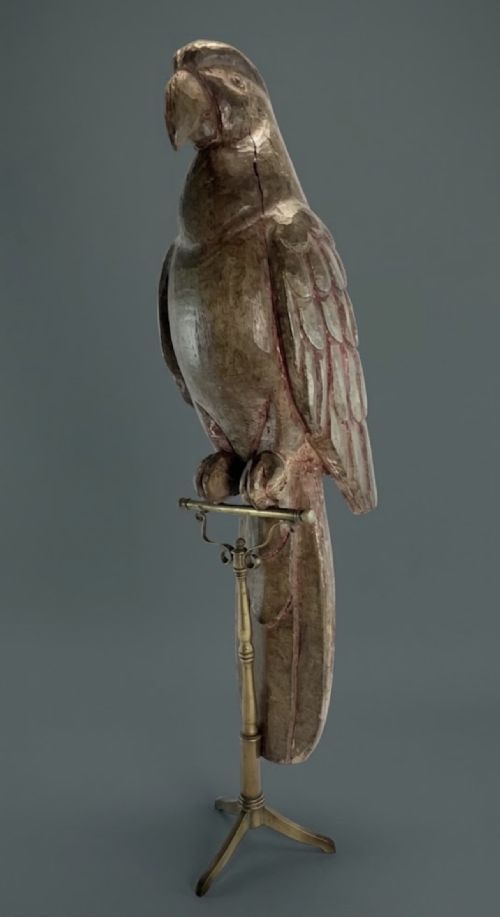
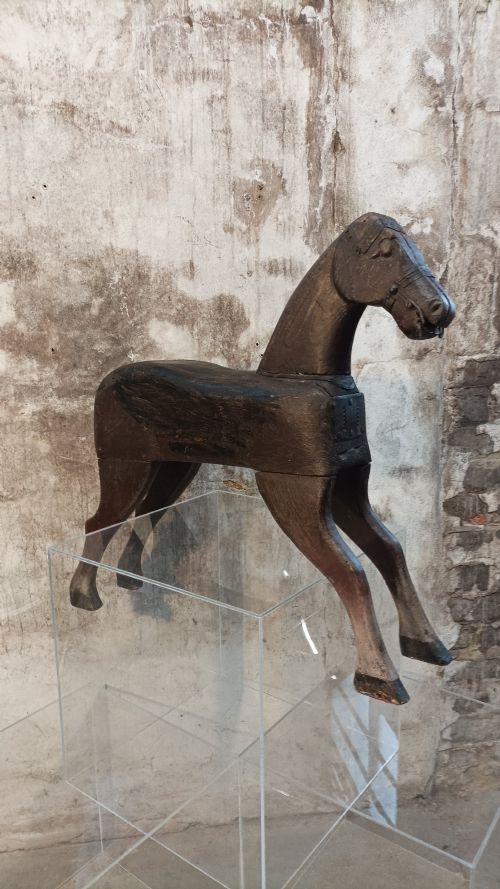
These vintage folk art wooden statues are characterful carved figures carrying the distinct hand of regional makers across the centuries.
Vintage Folk Art Wooden Statues
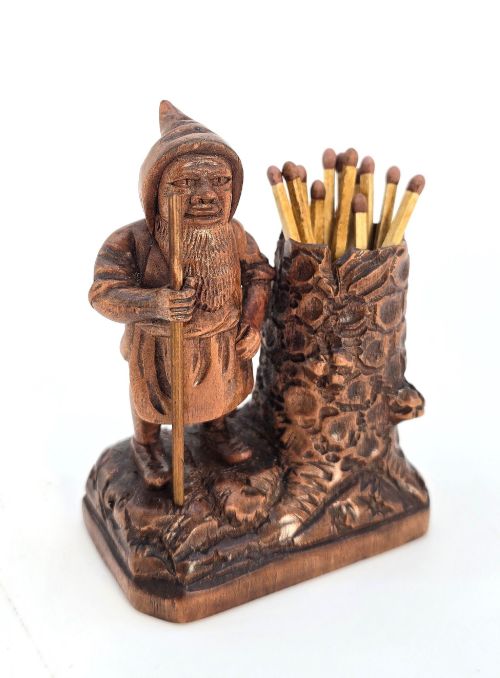
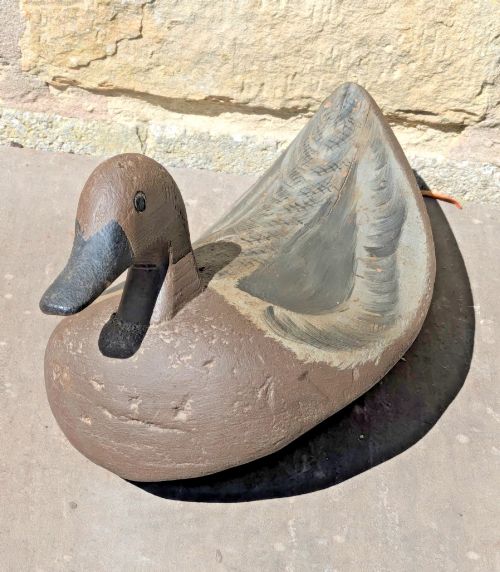
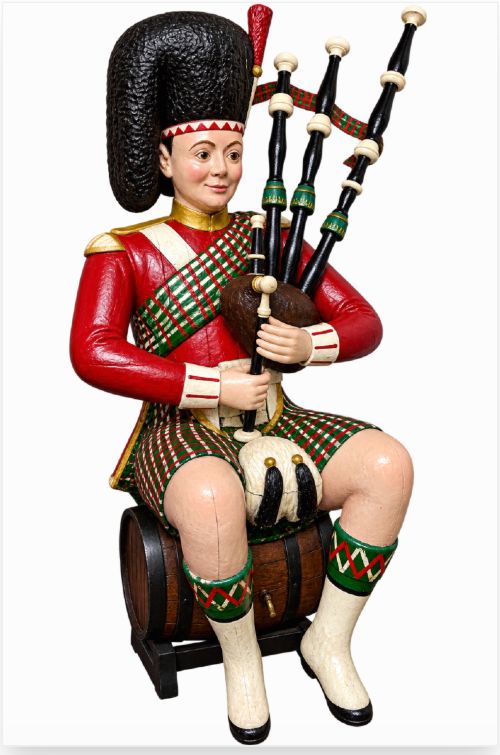
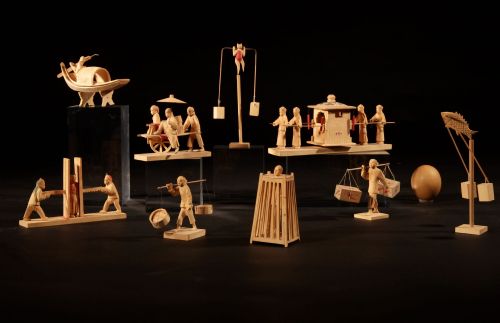
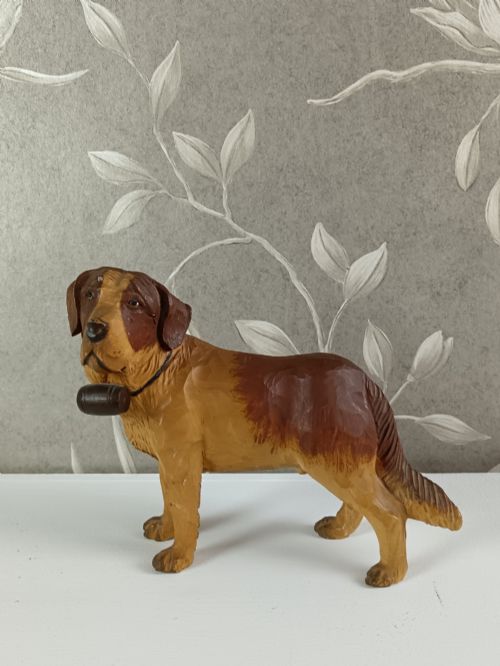
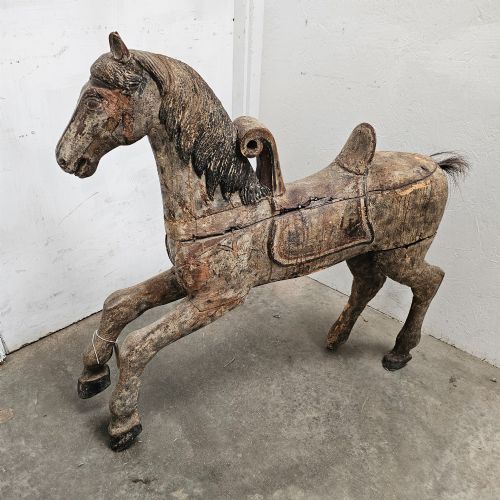
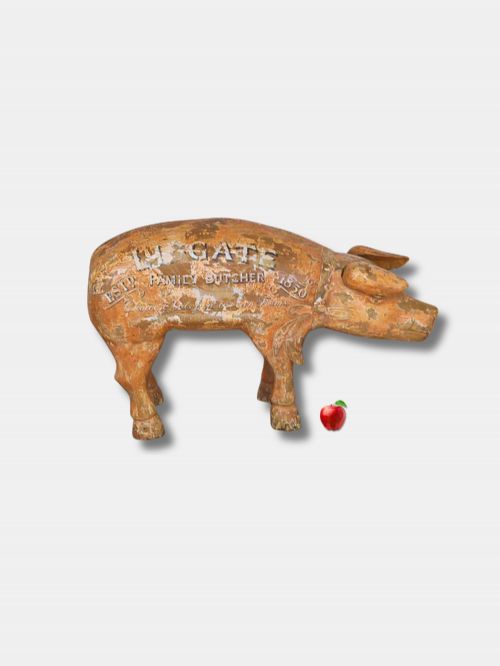
Vintage folk art wooden statues comprise figures, animals, and trade signs originating from domestic and international workshops during the eighteenth, nineteenth, and early twentieth centuries. When searching for vintage folk art wooden statues, buyers encounter pieces ranging from naive animal carvings and religious icons to tradesman figures and shop displays.
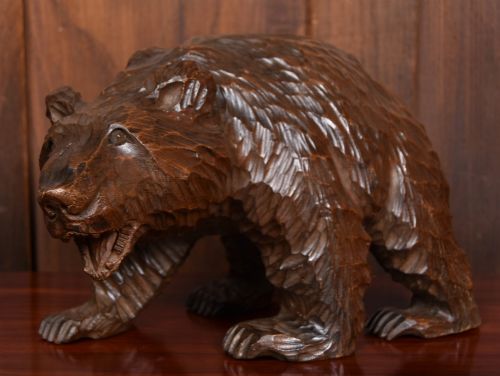
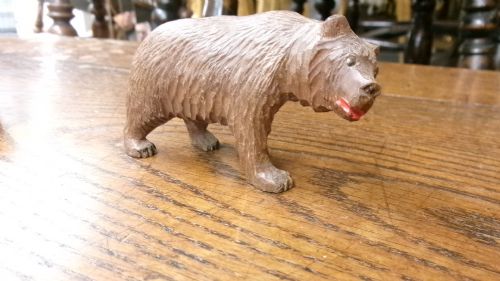
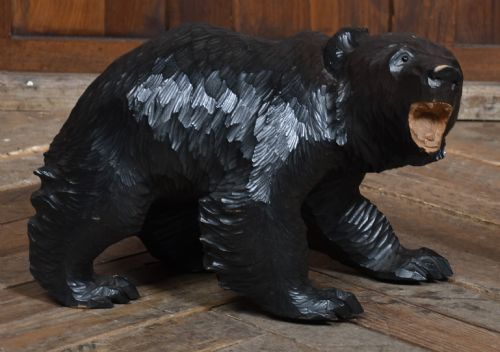
The selections span diverse regional traditions, including Japanese bear carvings, European saints, and Indian deities, alongside utilitarian objects shaped as animals or human characters. These sculptures reflect vernacular artistic expressions rather than academic studio output.
Most examples date from the nineteenth century or the early decades of the twentieth century, constructed from native and imported timbers by anonymous hands or local makers.
How they were made
Makers shaped these sculptures from various woods including limewood, hardwood, and pine, often utilising gouges and knives to achieve the primary form. Tool marks commonly remain visible across the surfaces of these carvings.
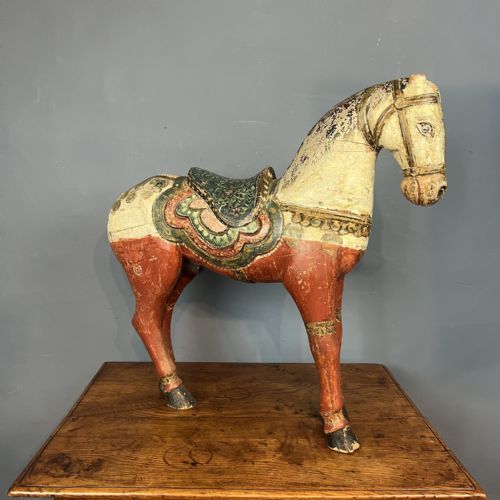
Many figures received coats of paint, gesso, or pigment to render details of costume and anatomy, while others rely purely on the natural grain and texture of the carved timber. Supplementary elements such as metal stands, glass eyes, or horsehair occasionally complete the construction.
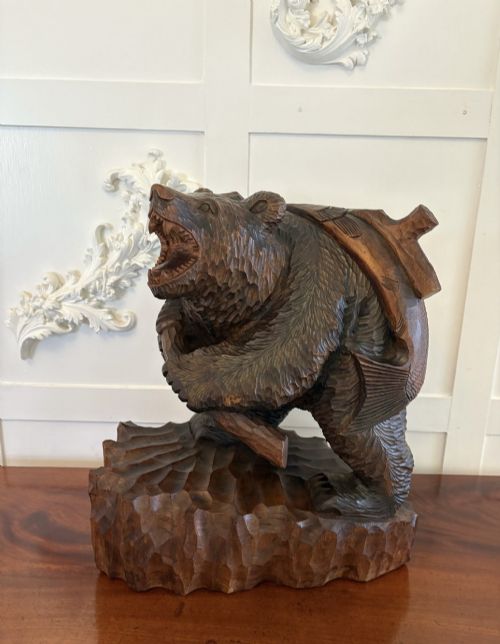
Among the carved animals, several industrious bears carry fish.
What varies in quality
The strength of a carving depends upon the confidence of the tool work and the expressive power given to the subject's posture and facial expression. More accomplished pieces demonstrate a deliberate understanding of anatomy and form, even within a naive or primitive aesthetic.
The preservation of original surface finishes, such as early paint layers or patinated bare wood, significantly shapes the character and integrity of each sculpture. Wear and losses accrued through actual use often contribute to the visual history of the piece.
The Vintage Folk Art Wooden Statues Glossary
- Folk art
- Artistic work produced within a cultural tradition by self-taught or local artisans rather than formally trained academic sculptors. These objects prioritise utility, narrative, and local custom over academic proportion.
- Gesso
- A plaster-like mixture applied to wooden surfaces to prepare them for painting or gilding. It provides a smooth base for fine polychrome decoration.
- Polychrome
- Painted in several colours. This term describes statues and carvings retaining their original surface decoration of pigments and paints.
- Limewood
- A fine-grained, pale timber favoured by carvers for its even texture and lack of pronounced grain, allowing for intricate detail without splitting.
- Trade sign
- A large carved or painted figure displayed outside a shop or business to advertise the trade carried on within. These practical objects formed part of nineteenth-century streetscapes.
Vintage Folk Art Wooden Statues: Frequently Asked Questions
How do I date an old wooden statue?
Dating relies upon tool marks, timber types, and the composition of surface layers such as paint or gesso. Stylistic clues in costume and hair also help place a carving within a specific century.
Comparison with documented regional styles narrows the origin further, though many traditional pieces lack specific documentation.
Where were folk art statues displayed?
These figures served various roles inside homes, churches, and commercial premises. Some acted as religious devotional objects or candleholders, while others functioned as shop advertisements.
Domestic spaces also housed decorative animals and human character studies kept purely for their charm and visual interest.
How should I care for carved wood?
Carved wooden sculptures require stable environmental conditions away from direct heat sources and strong sunlight to prevent timber movement. Maintaining moderate indoor humidity stops the wood from drying out or cracking.
Dusting gently with a dry, soft brush preserves painted surfaces and delicate protruding elements without introducing moisture.
Are painted statues usually original?
Surface longevity varies widely, with many pieces retaining original layered paint or gesso while others show later overpainting or refreshed decoration. Examining the adhesion and craquelure helps determine the age of the pigment.
Original paint layers display natural wear and integration with the timber beneath that mimics the age of the carving.